Z.A.G.E / Project Skill-Gap | Sandbox


About the Game
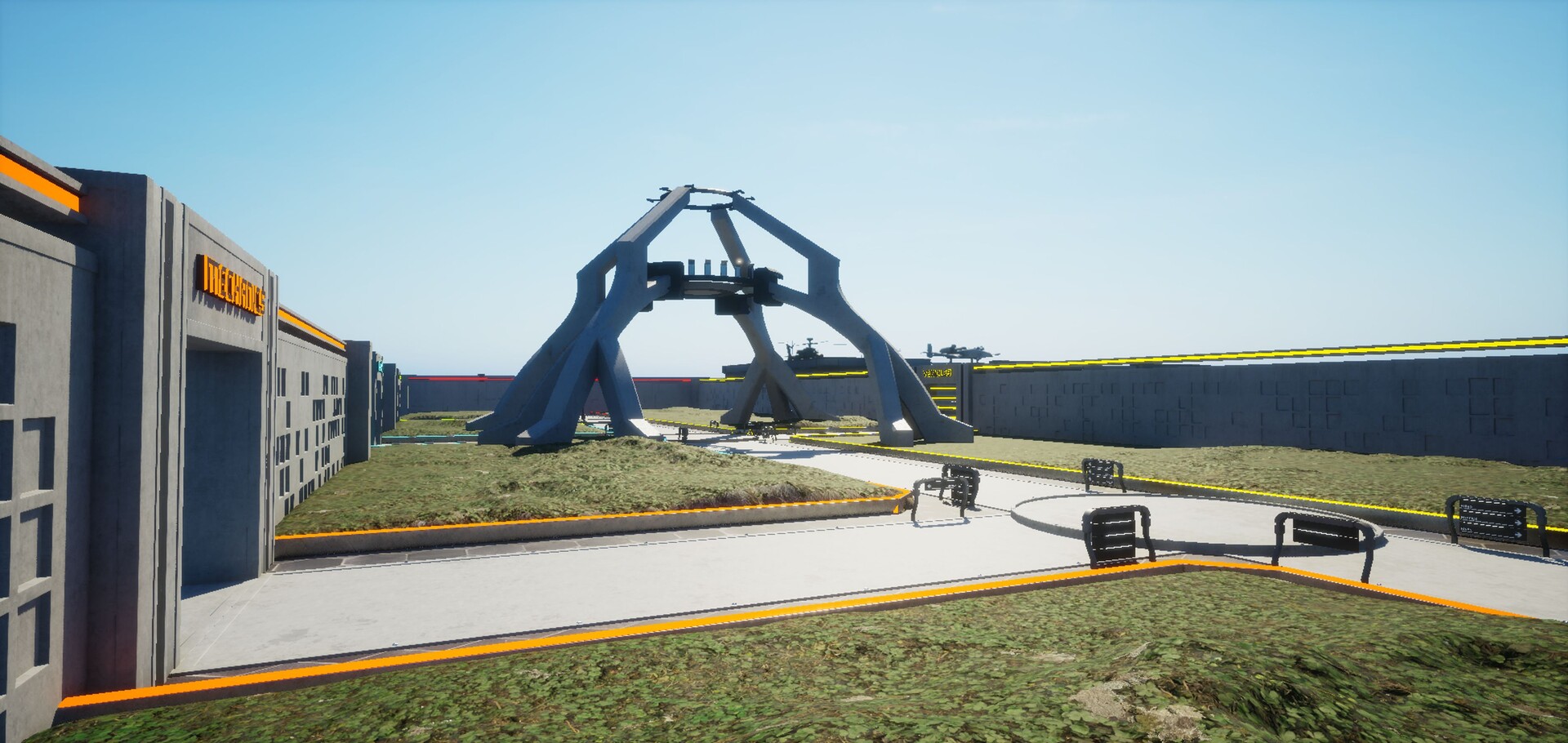
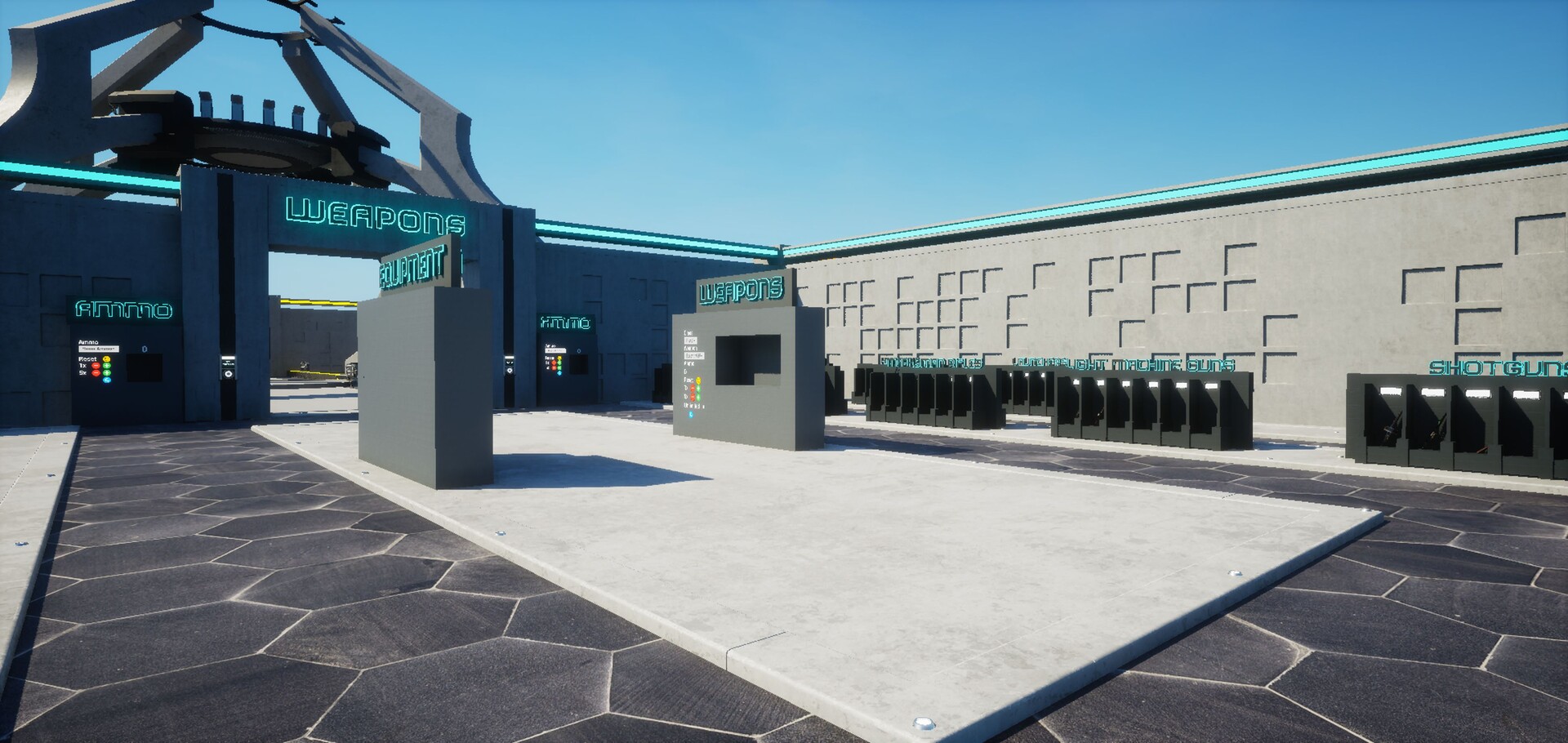
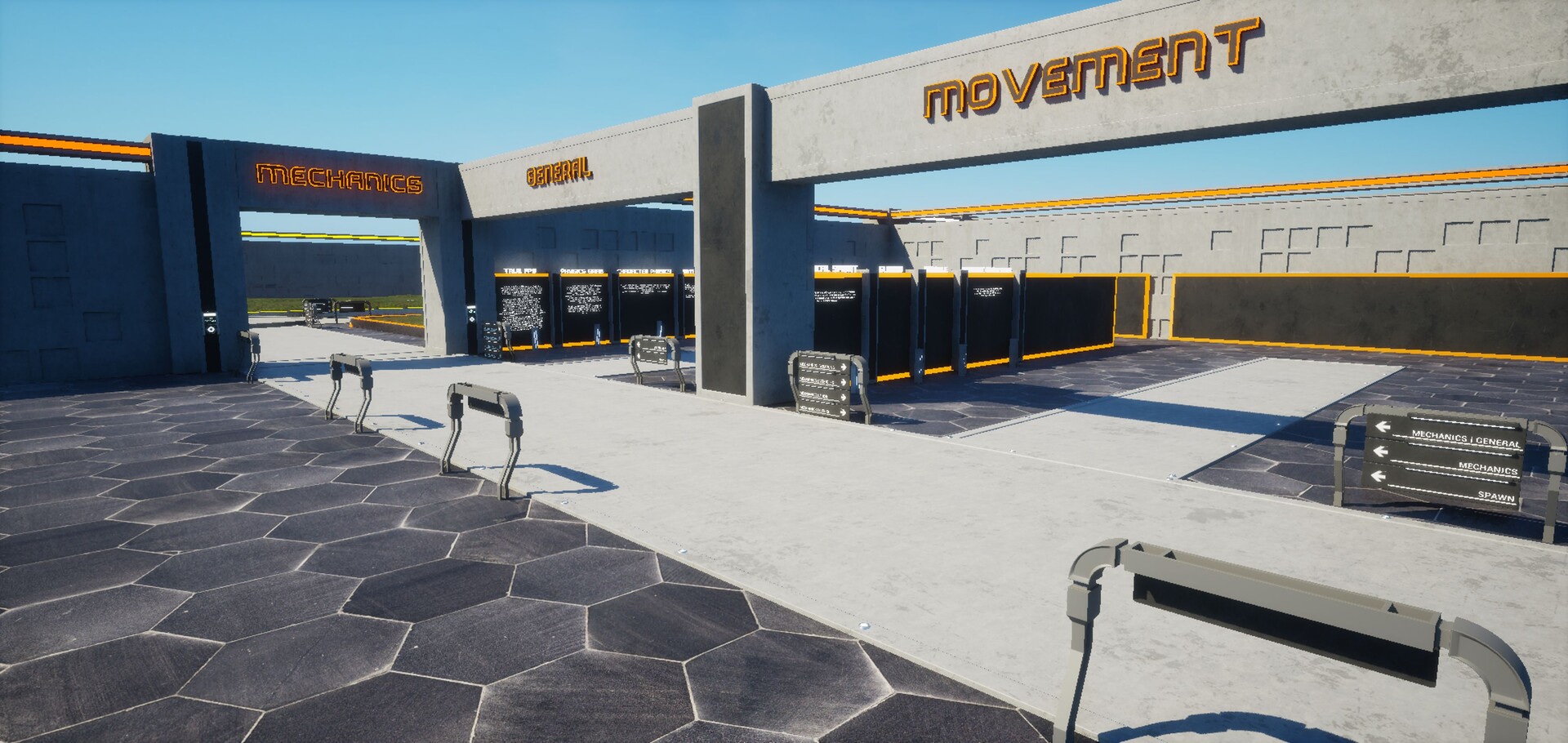
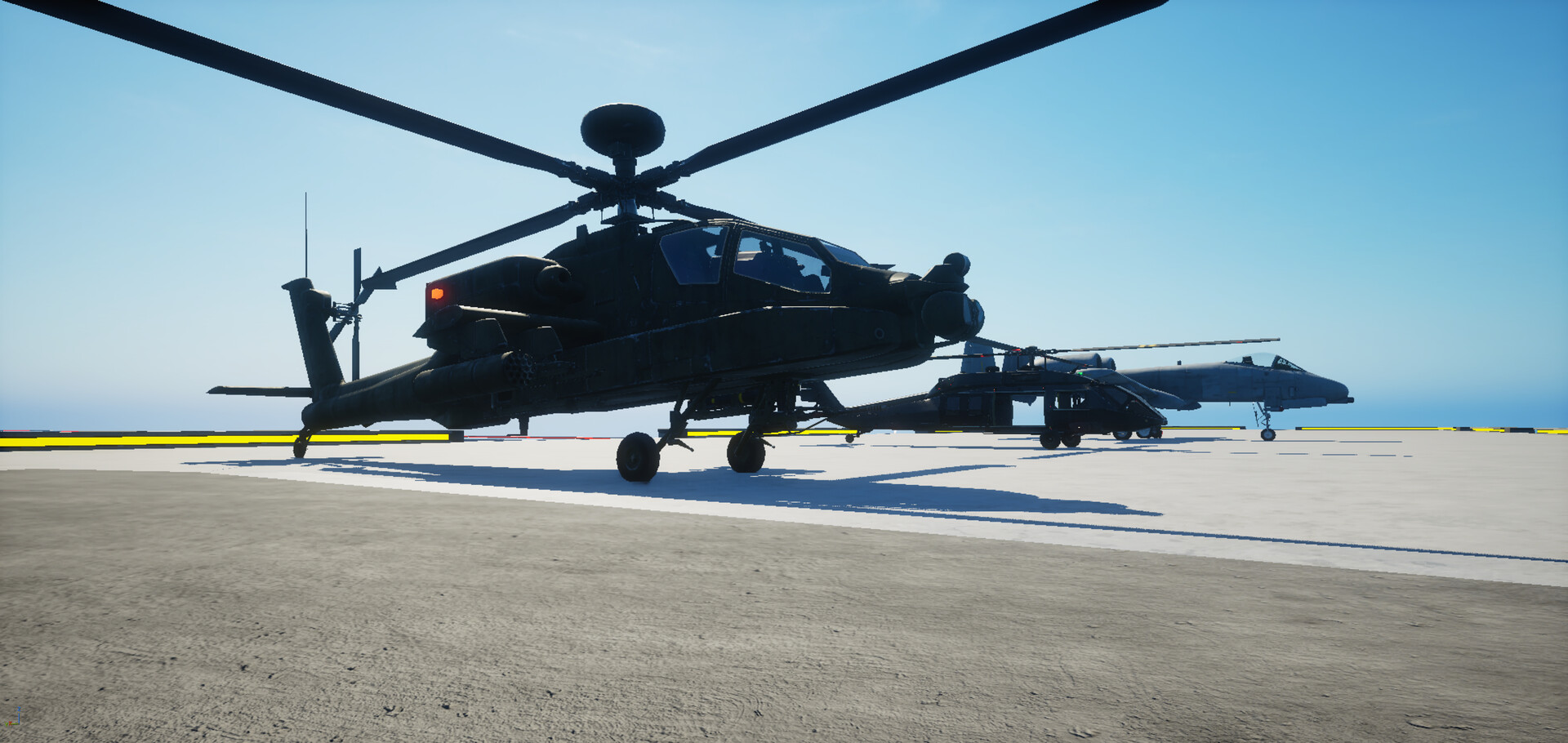
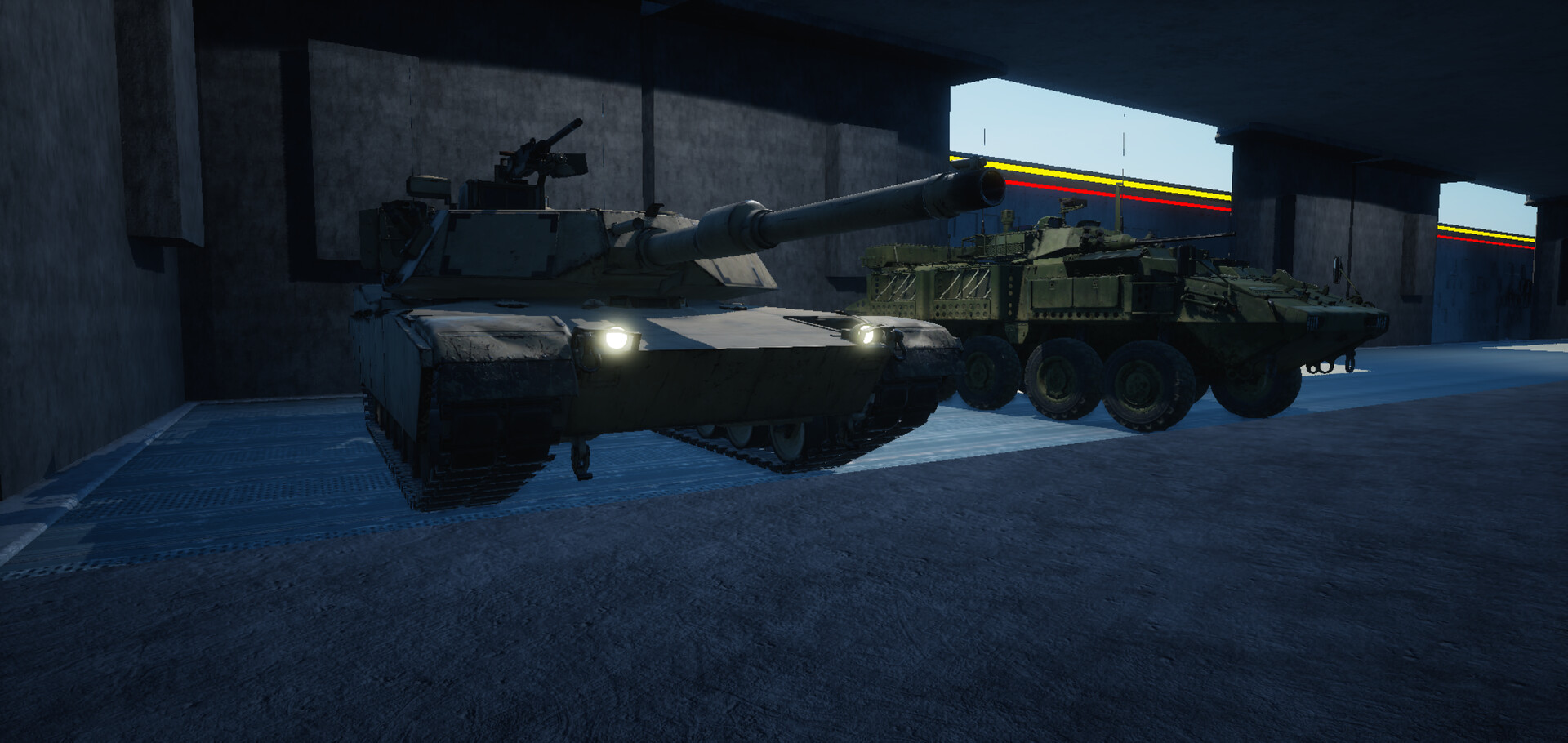
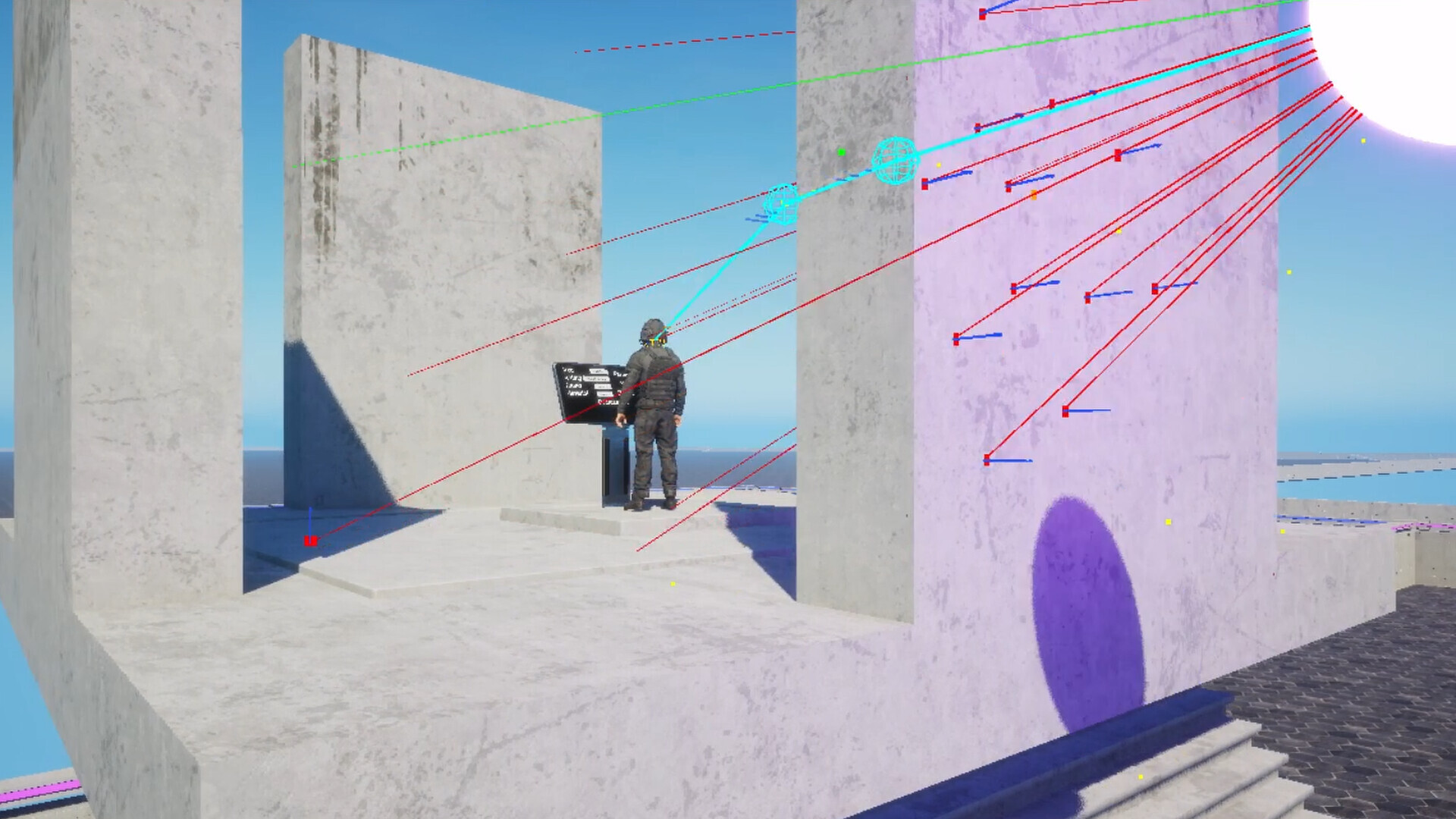
A showcase of the systems behind the Z.A.G.E games. Mechanics all in one place to test weapons, vehicles, destruction, audio, maps and countless features to see how they function for the upcoming games.
Skill-Gap is a standard we intend to live up to. The FPS multiplayer genre has spent a decade sanding its skill ceilings down. This is where the ceiling goes back where it belongs. The better player earns their place, and the game doesn't apologise for it. No aim assist. No pay-to-win. No SBMM in public matches, no EOMM, no RNG aimcone, no algorithm deciding the fight.

What is in it
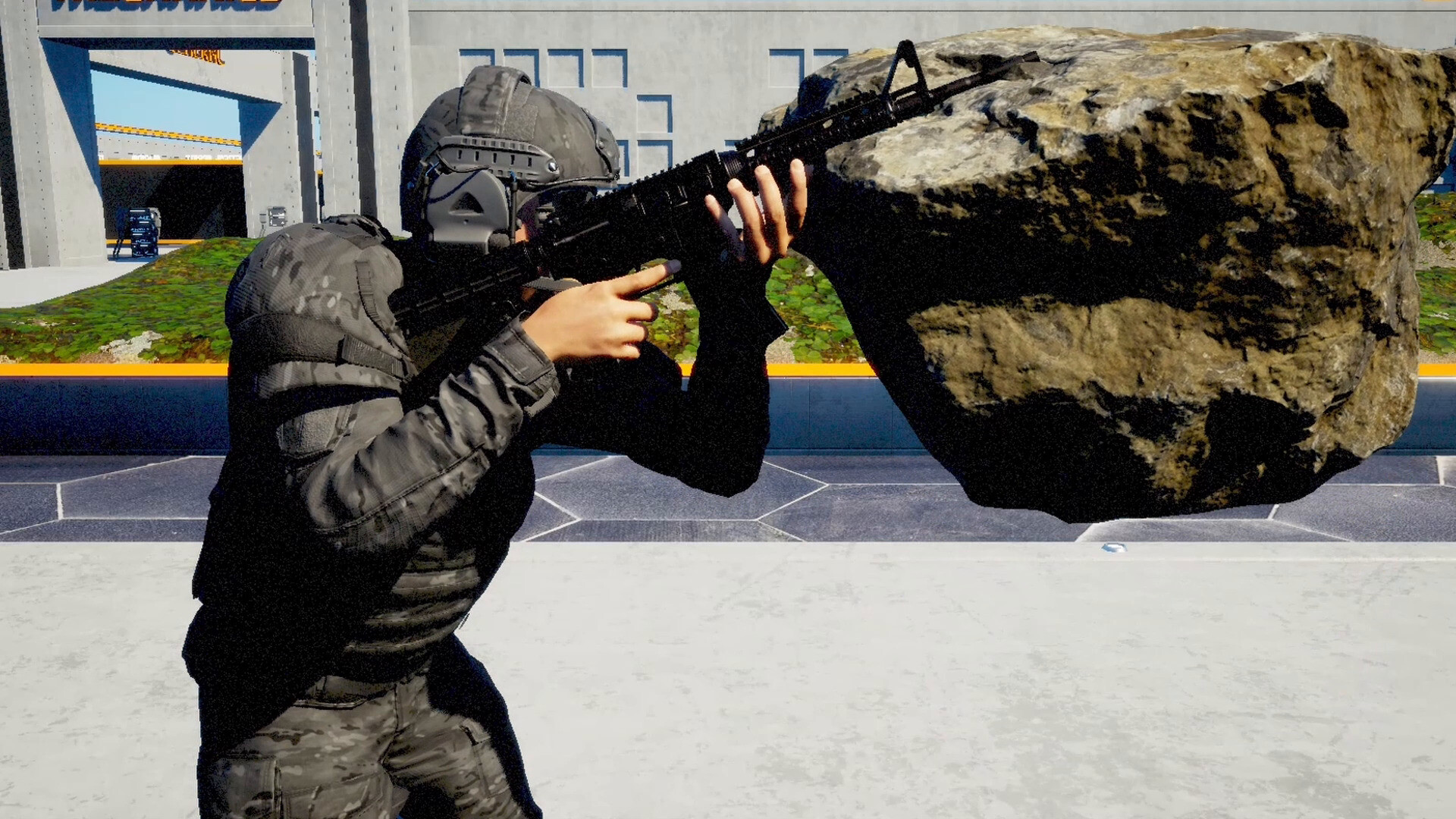
Physics animation - The body reacts to any object in the world, with simulated motion driving the limbs instead of fixed animation clips.
Weapon physics - Weapons run on that same simulation. Weight and momentum carry from the arms through into the gun.
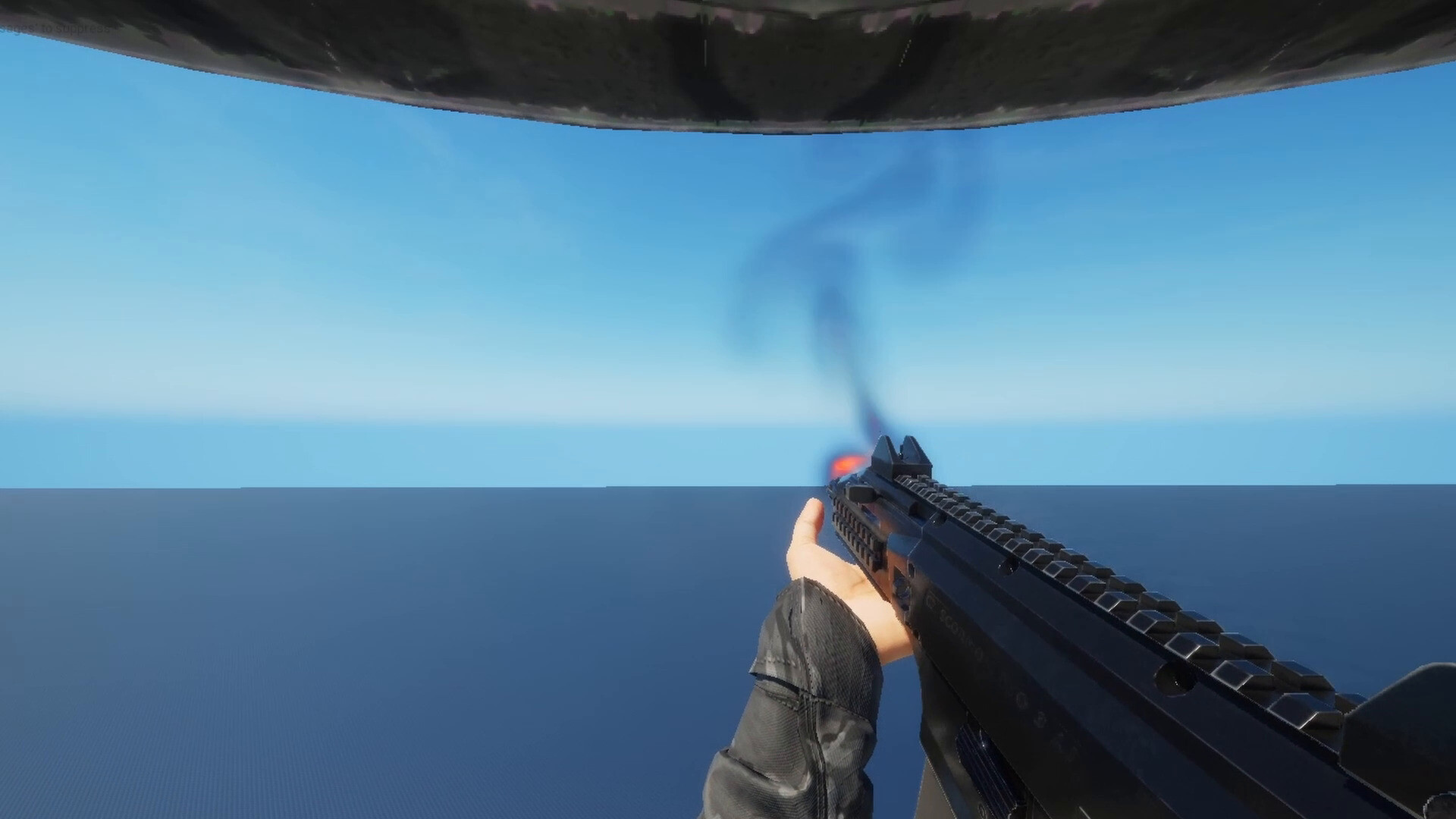
Gunfire effects - Flash, smoke and fire build as you keep firing. Smoke off a hot barrel eventually turns to fire, then clears once you stop.
Sound propagation - Audio flows around surfaces rather than through them. Walls, openings and sealed rooms each change what you hear.
Destruction - Volumetric destructible meshes. Objects fracture at the point of impact and where they are carrying weight, so the greater the force, the more of the structure is lost.
Materials - Surfaces answer an impact with their own visual and sound effects. Wood, metal, concrete and glass each have their own properties.
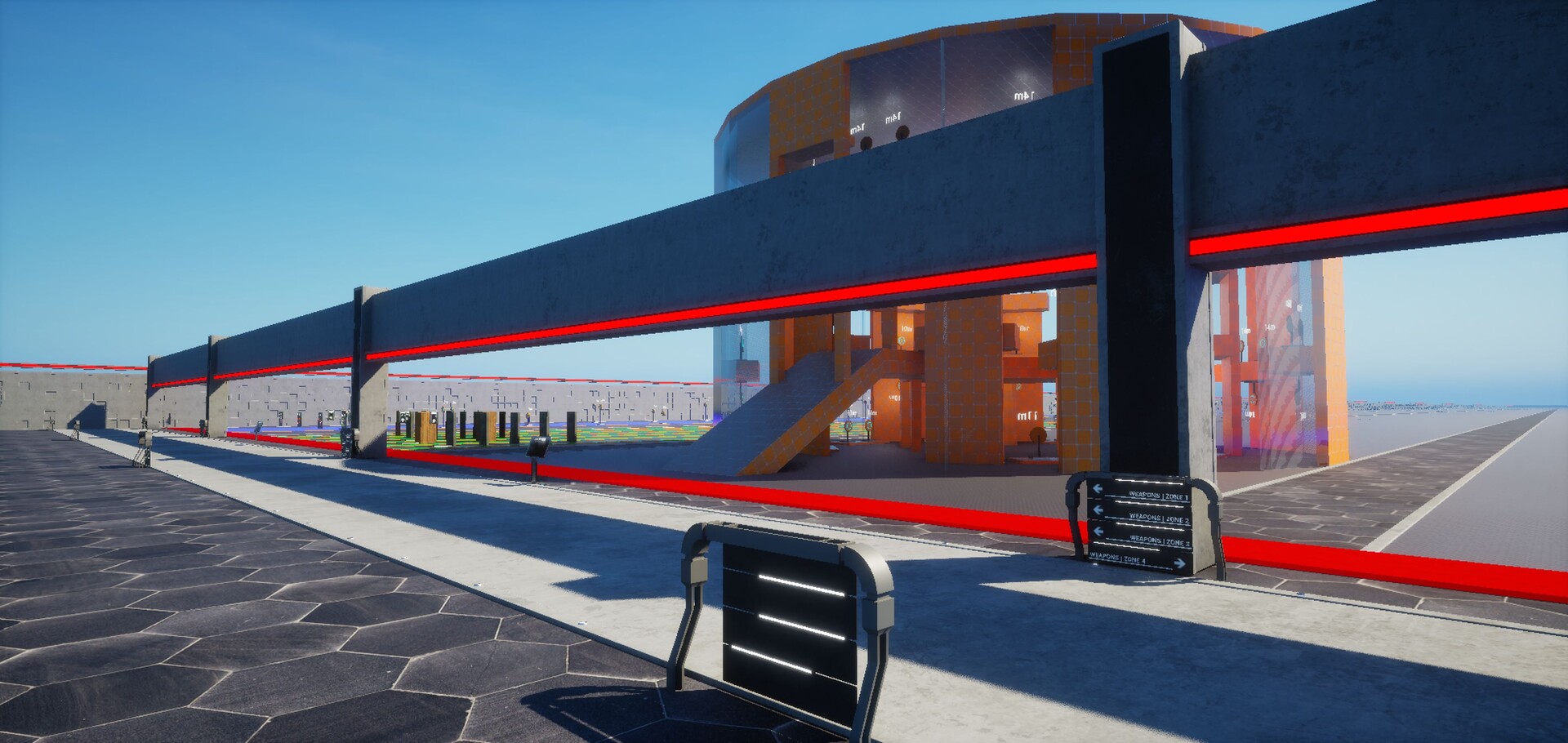
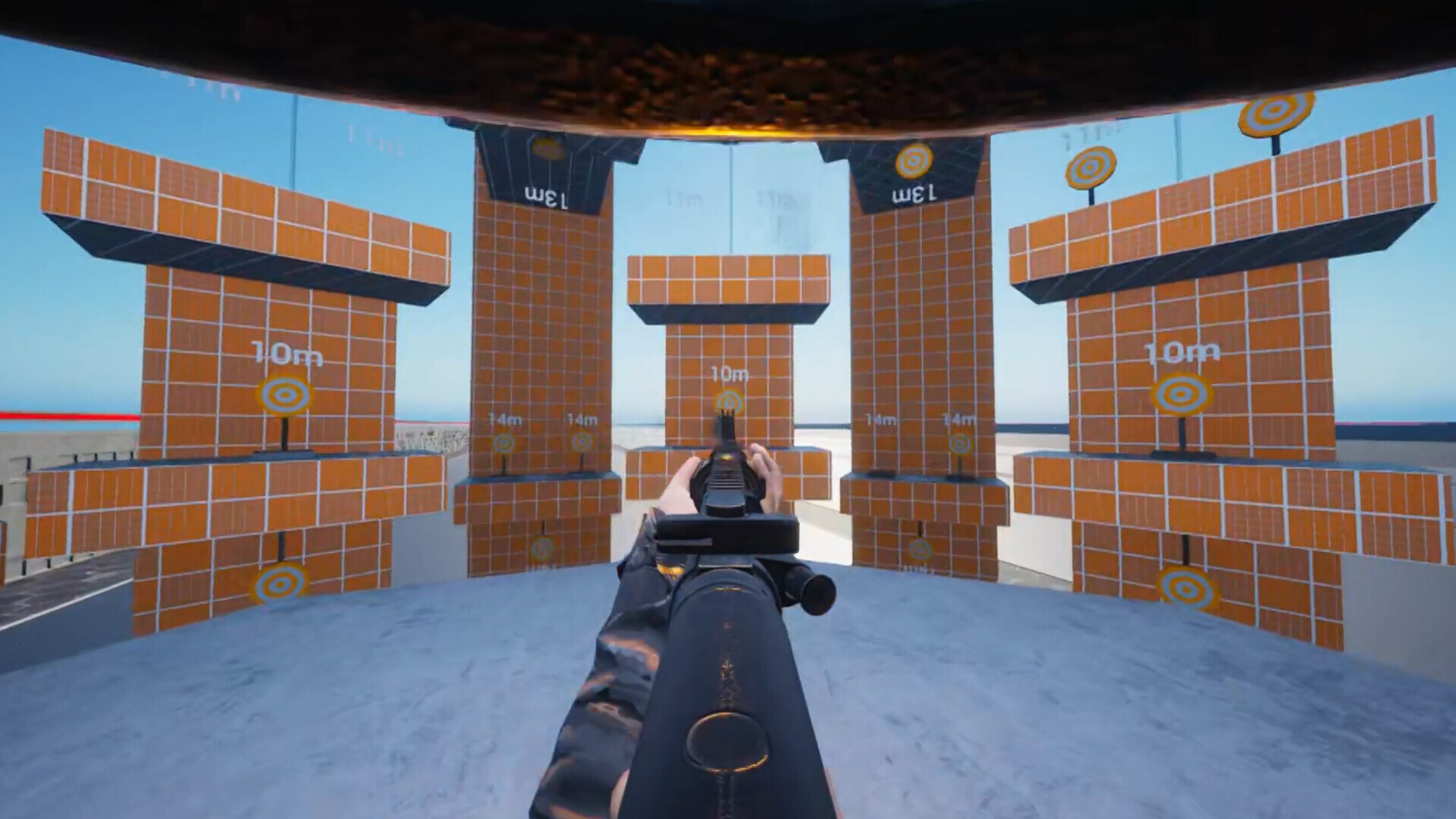
Ranges and targets - Target switching, range and penetration courses for experimenting with weapons and how they work.
Still being built
Vehicles. Air and ground, flown and driven by players, with realistic weight, suspension and lift.
Co-op. Solo or up to four in a session, on server-authoritative netcode at 60Hz or better.
Advanced movement. Slides and mantles that chain if you read the geometry right.
Additional destruction. Bigger structures coming apart further.
Modular weapons. More attachments that change how a gun handles.
More maps. Further test sites as the systems need them.
Roadmap Phases
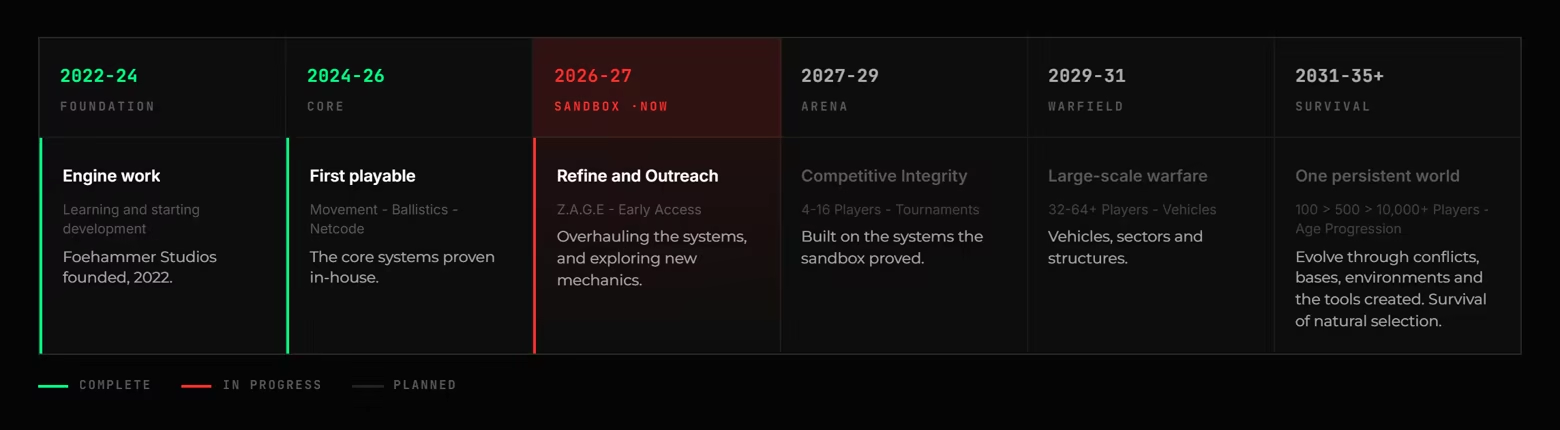
Four games, built one after another on the same foundation. Each phase has to prove the systems the next one needs. Sandbox comes first to prototype mechanics, Arena tests itself before Warfield is attempted, and Warfield before Survival takes on a world of truly evolving technology.
Sandbox | The proving ground. Every system the series runs on is built and tested here first: movement, ballistics, material effects, destruction, audio propagation and server-authoritative netcode. It is free, and it stays free permanently.
Arena | The first competitive release, for 4 to 16 players. The same Sandbox systems put under a scoreboard: multiple game modes, close quarter maps, ranked and tournament play.
Warfield | Large scale game modes with 32 to 64+ players on sectors big enough for ground/air/sea vehicles, squads, dynamic objectives and structures that come apart through innovative destruction, across a map far larger than Arena.
Survival | An everlasting world. One instance that climbs from 100 players to 10,000+: a real slice of the player base in the same world, not a wall of separate servers. Age progression, base building and land that remembers what you did on it. This is the furthest we push the idea, well past what any of our previous phases have accomplished.
Available Tables (0)
View available tables...Events Timeline
View full events timeline...Initial Release