Water Margin: Defying Heaven
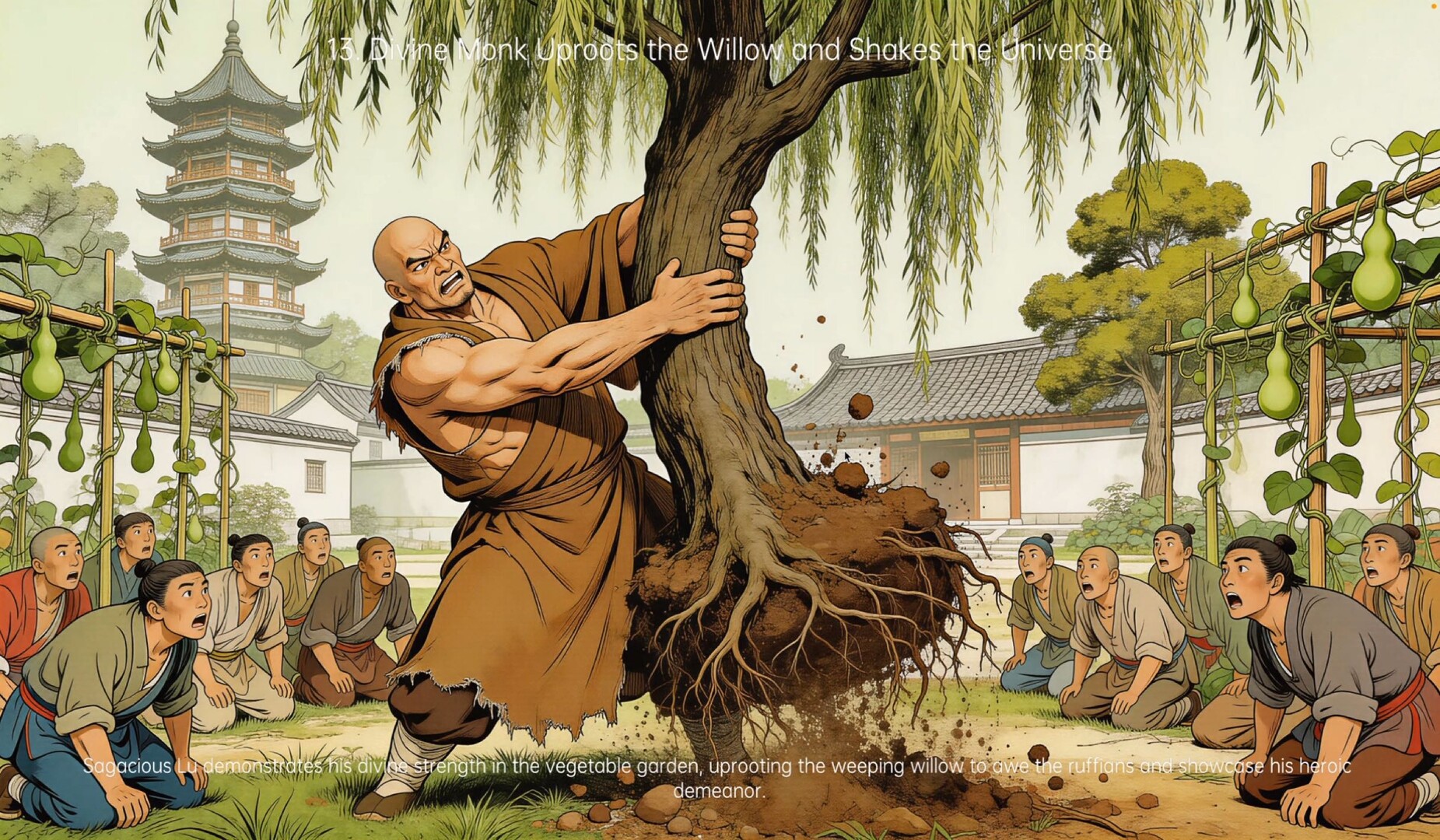
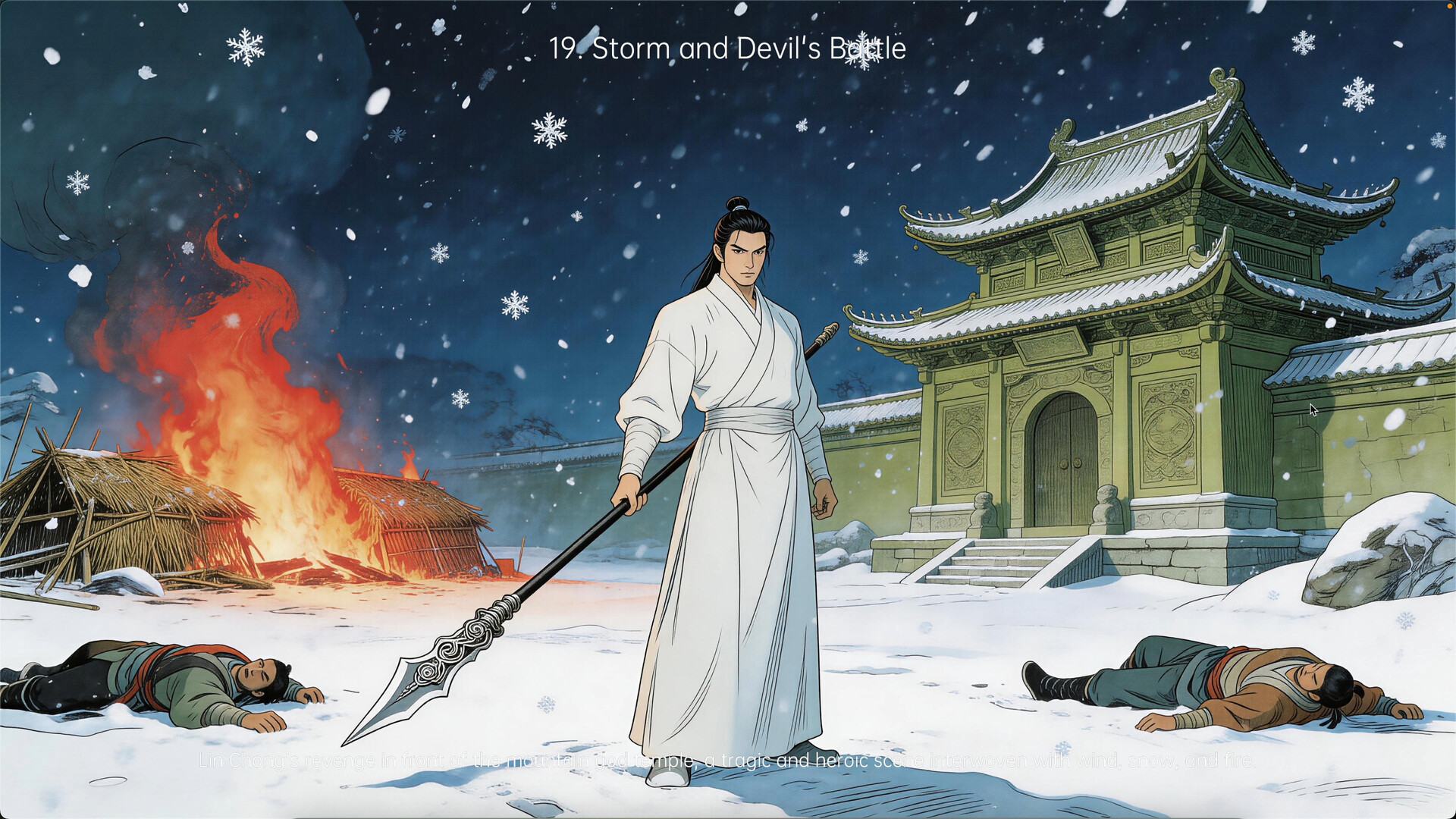
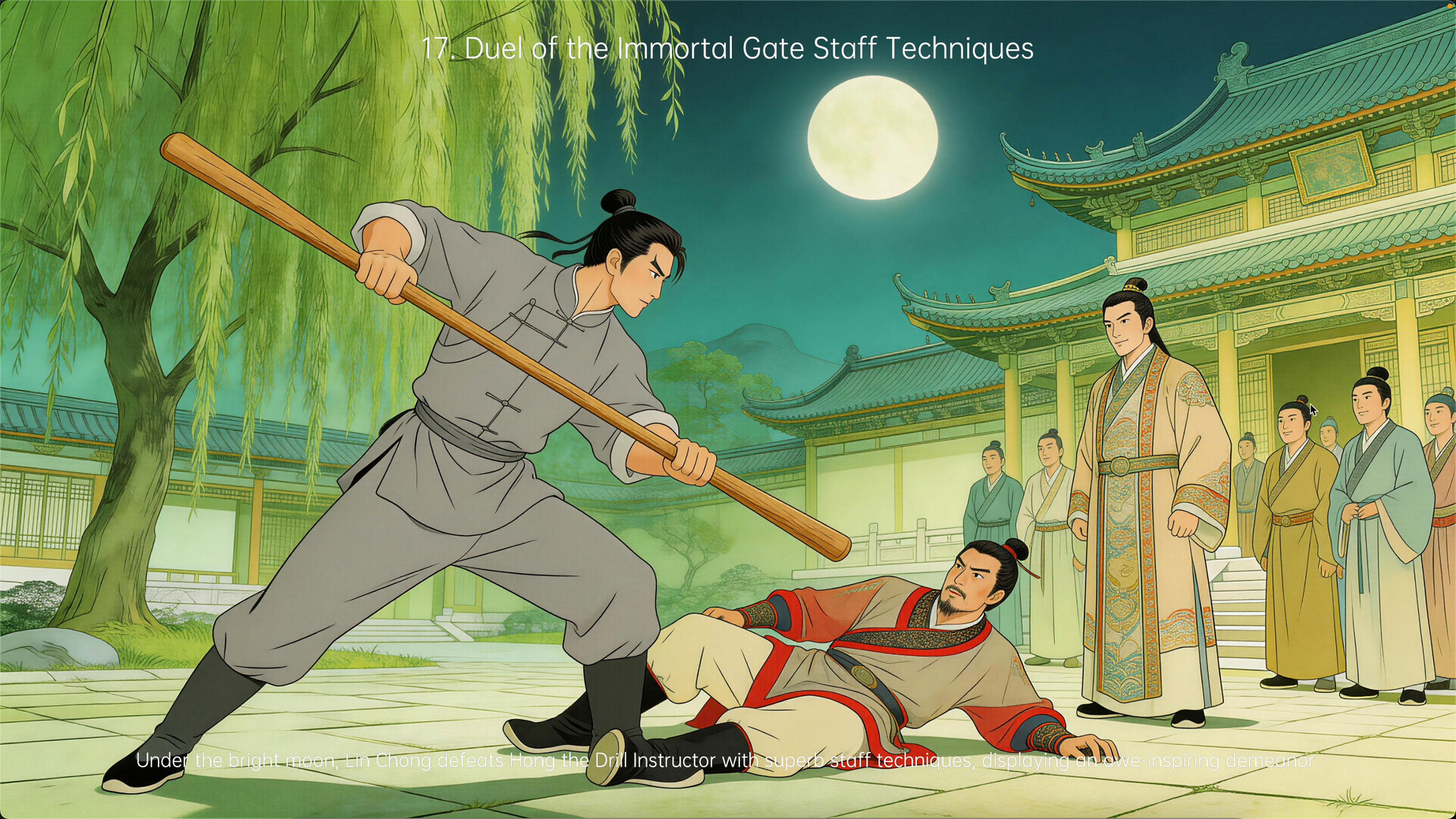
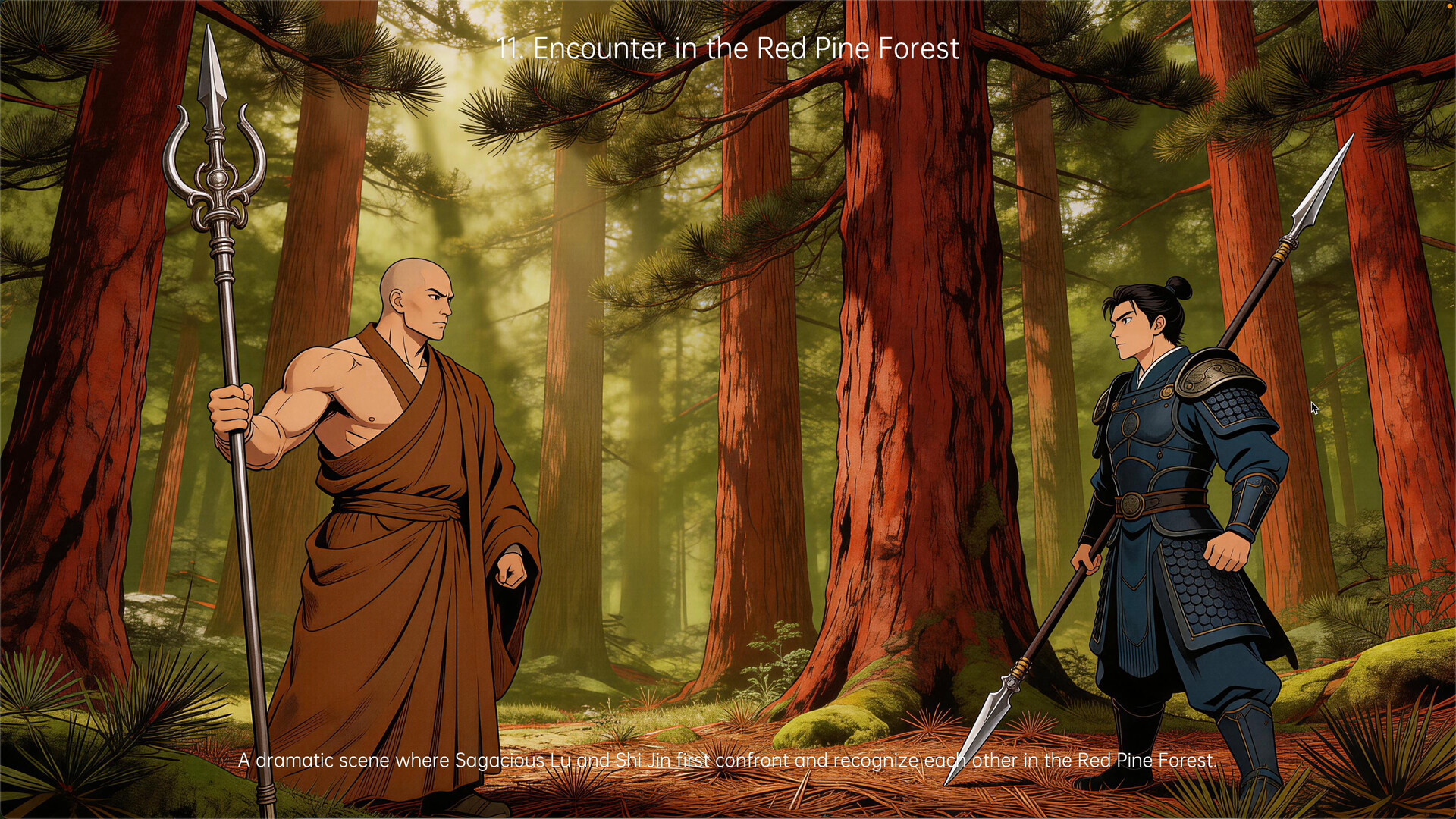
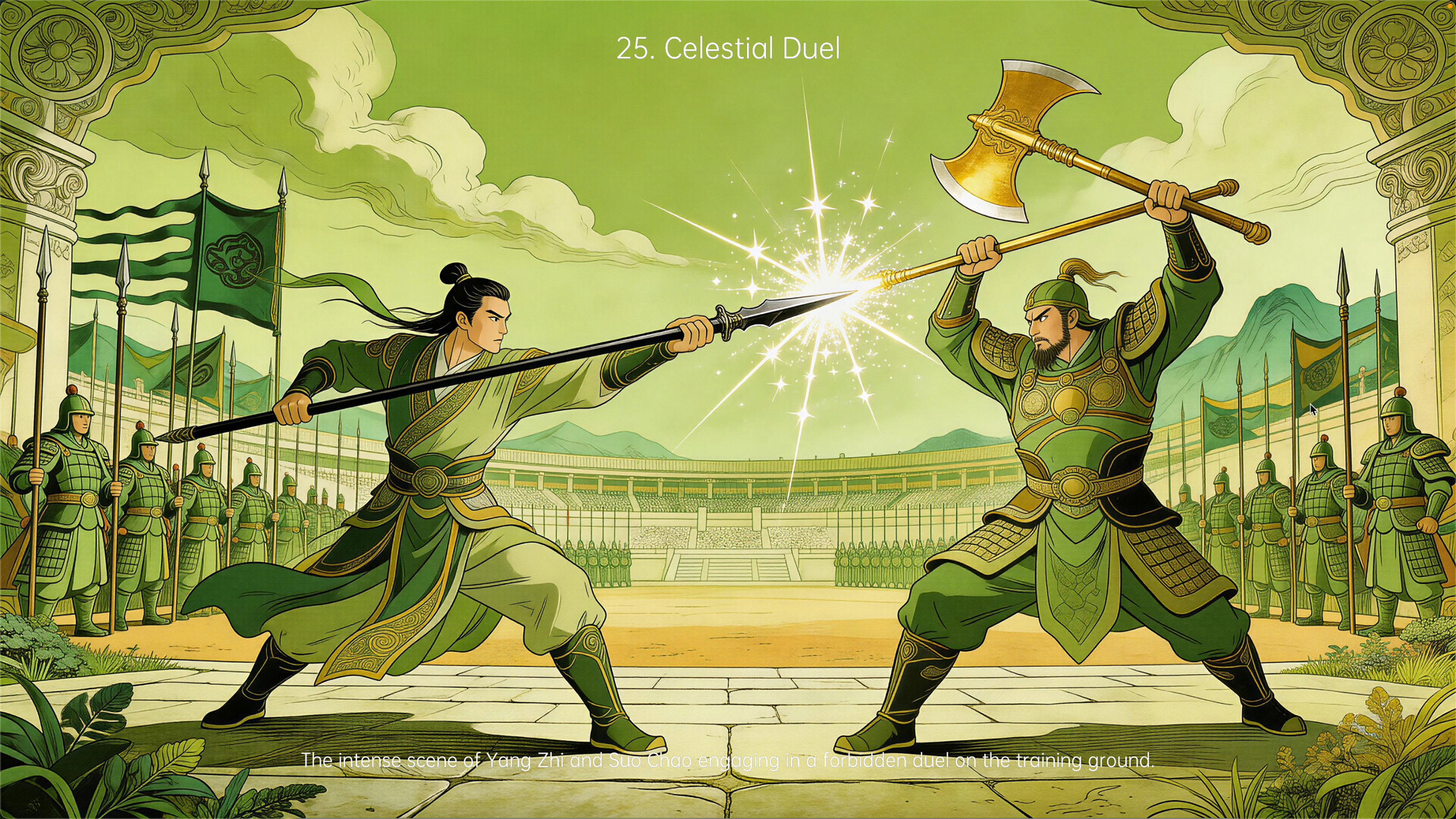
About the Game
This graphic narrative game is adapted from Water Margin (also known as Outlaws of the Marsh), one of the four great classical novels of Chinese literature, written by Shi Nai'an (c. 1296 – c. 1370) in the late Yuan and early Ming dynasties. There is an old Chinese saying: "Young people should not read Water Margin," meaning that the young are not ready to read this work too early. The core concern is that they might only see the superficial brotherhood and fighting, developing a belligerent personality. But that is not the true core spirit of the novel.
Some early Chinese TV adaptations of Water Margin deviated from the original intent, making the second half feel oppressive and tragic – heroes die in battle, the ending is bleak, and Song Jiang seems overly pedantic. In fact, this is far from the original meaning of the ancient work. From the perspective of the ancients, the 108 heroes are 36 heavenly spirits and 72 earthly demons who descended to earth to assist Emperor Huizong of Song in pacifying the world. In traditional Chinese culture, star constellations often symbolize the order of the world, and the emperor represents the orthodoxy of prosperity and peace. Therefore, from the perspective of the original meaning and traditional culture, the true core of the book is "loyalty and righteousness" (zhōng yì). The 108 heroes quell the wars and finally depart after sacrificing themselves. In the literary setting, this is not a tragedy, but the fulfillment of loyalty and righteousness, the return of the heavenly stars to their places, and the completion of their mission. Since the original work has a mythological tone – they are heavenly stars sent down to earth – after fulfilling their duty to protect, they return to the stars to continue guarding the human world.
This loyalty and righteousness is not only a Chinese value, but a common value of all humanity.
Available Tables (0)
View available tables...Events Timeline
View full events timeline...Initial Release