Wars of Empire

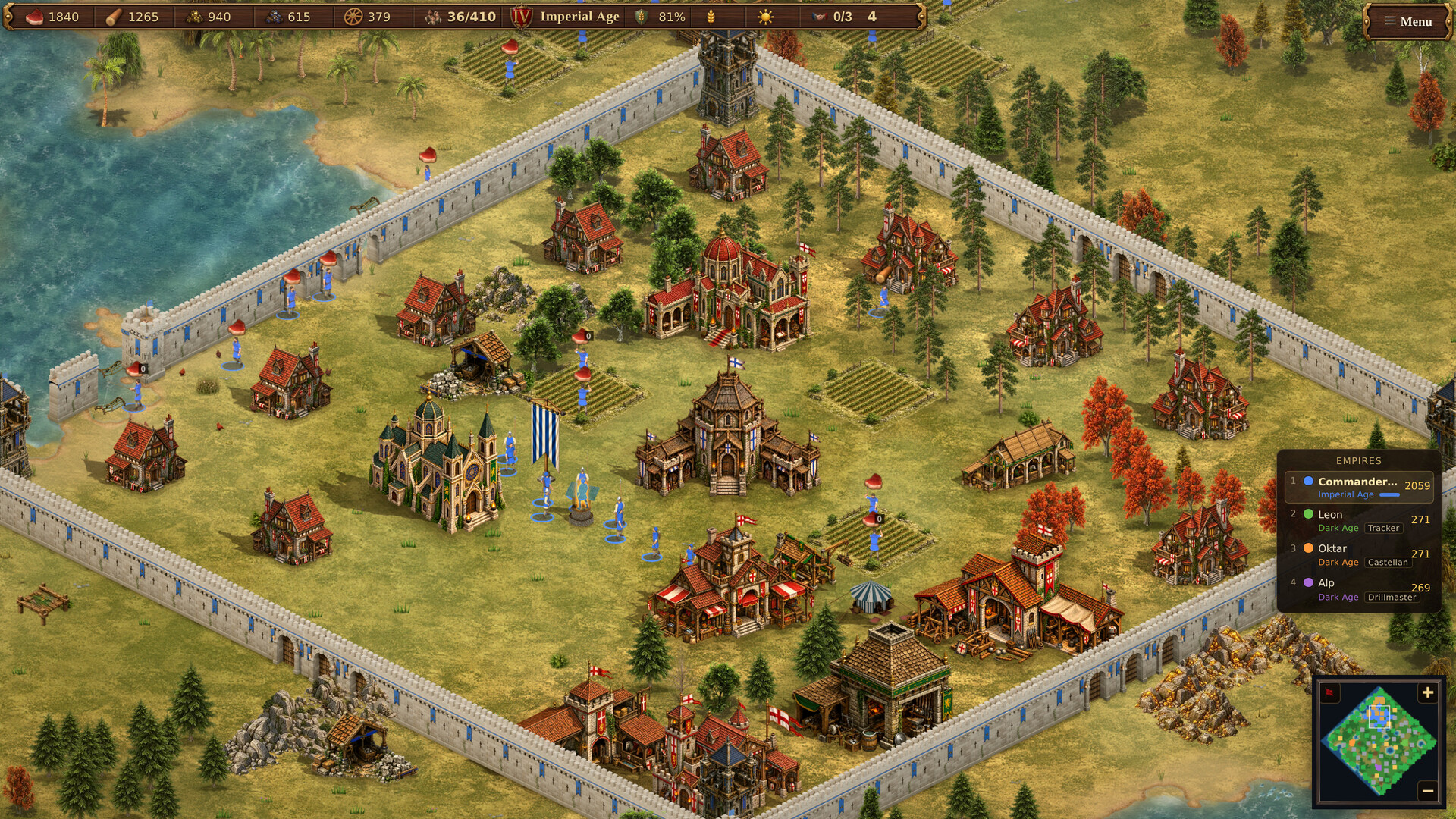
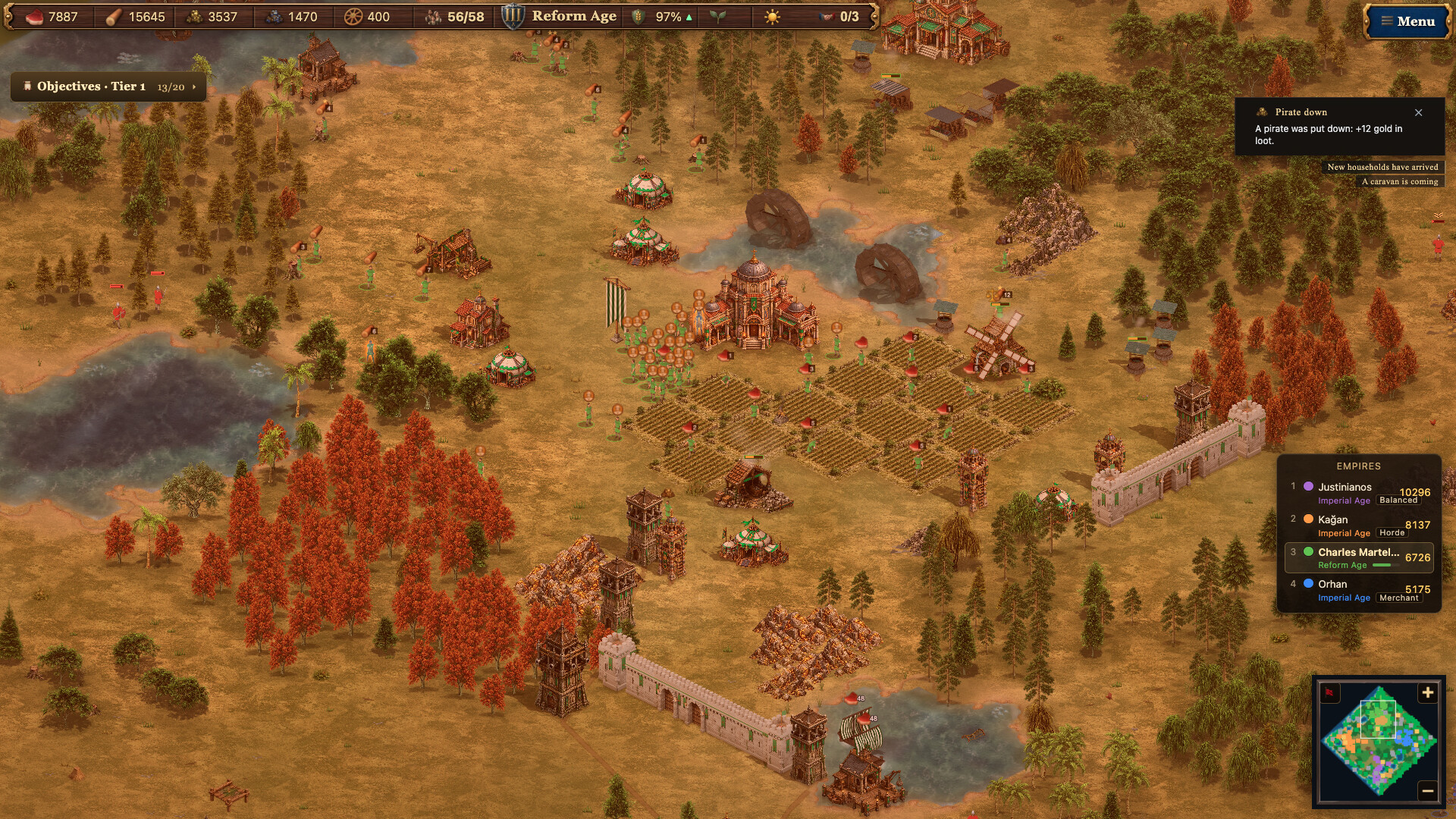
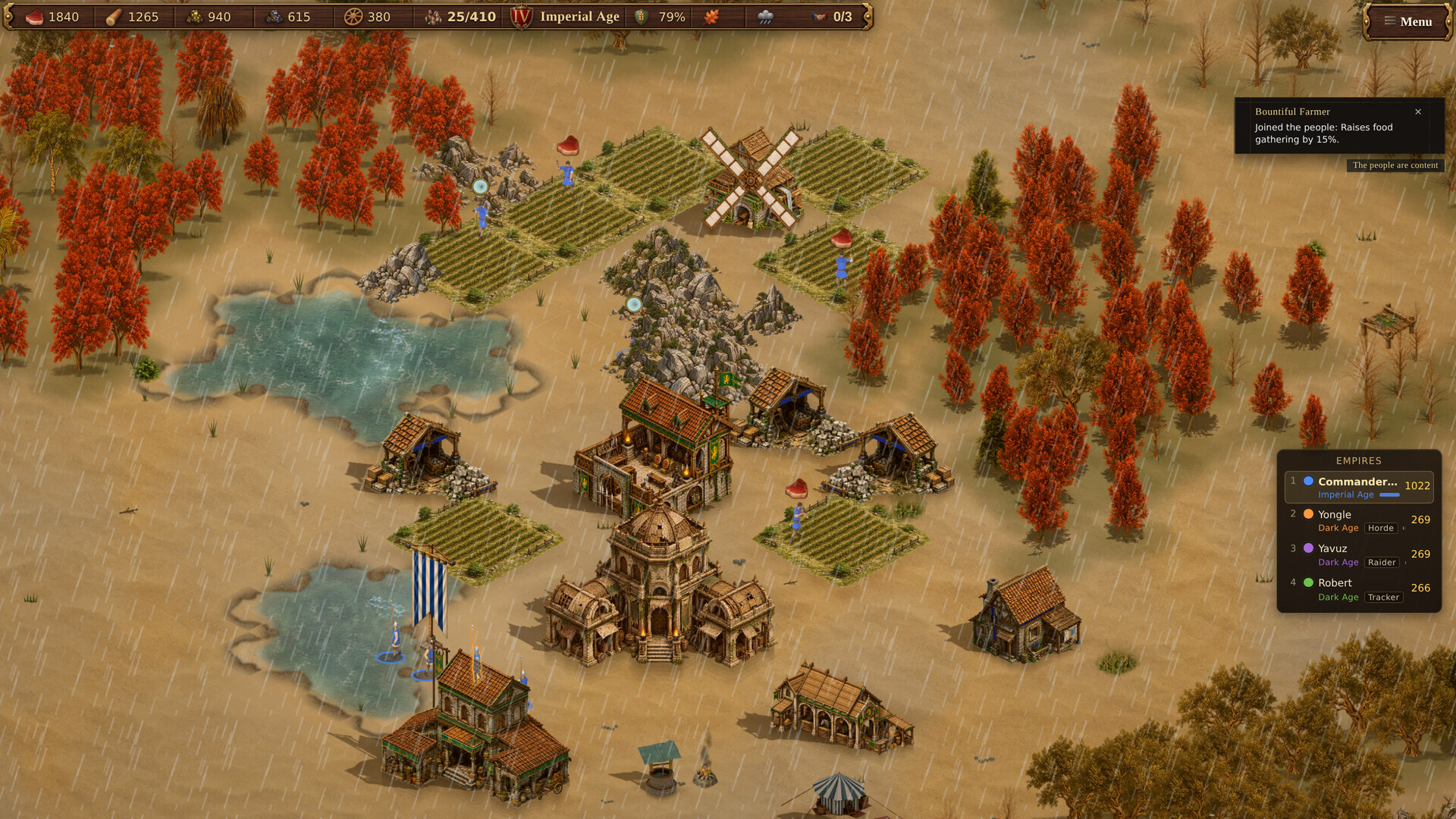
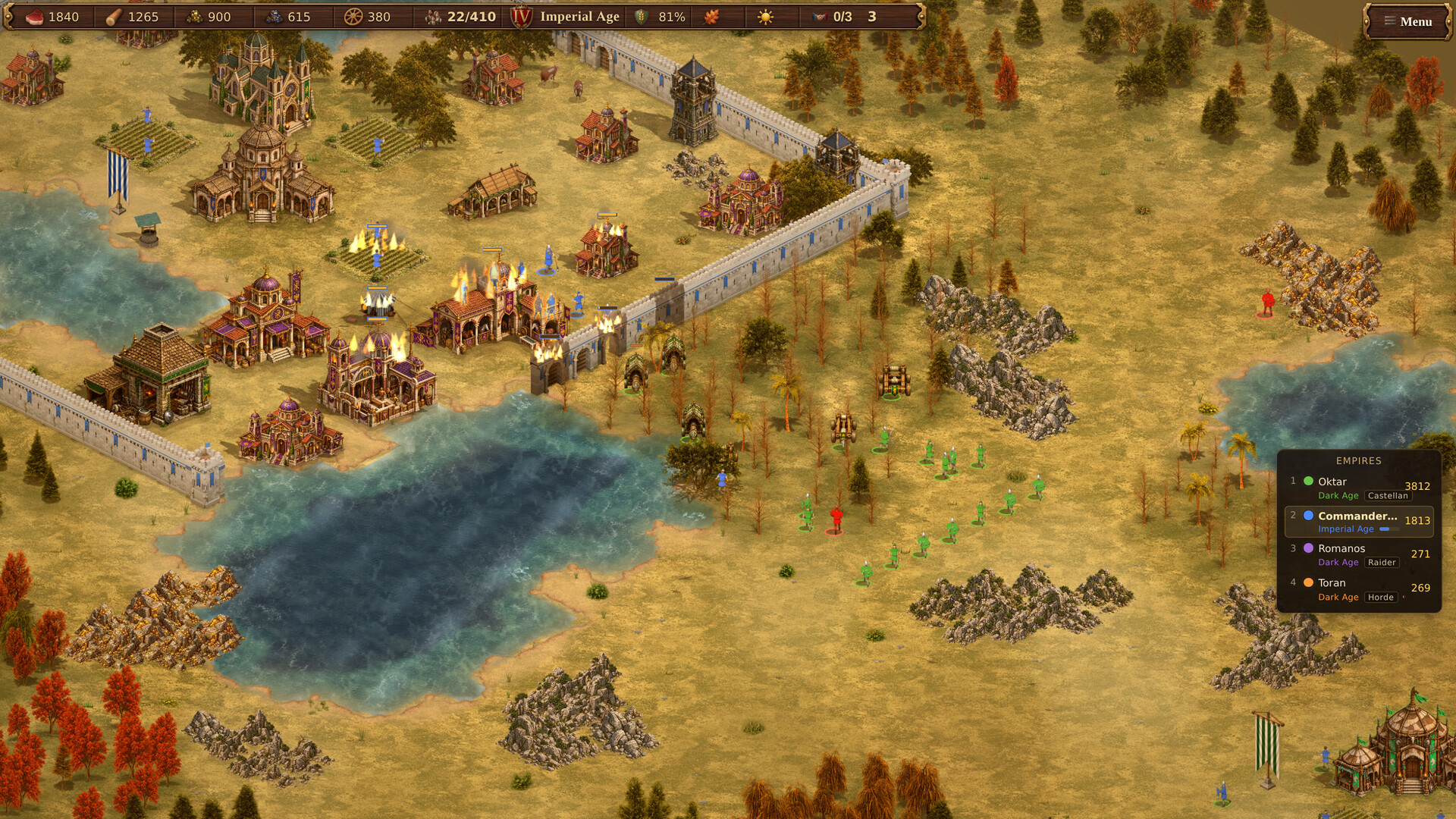

About the Game
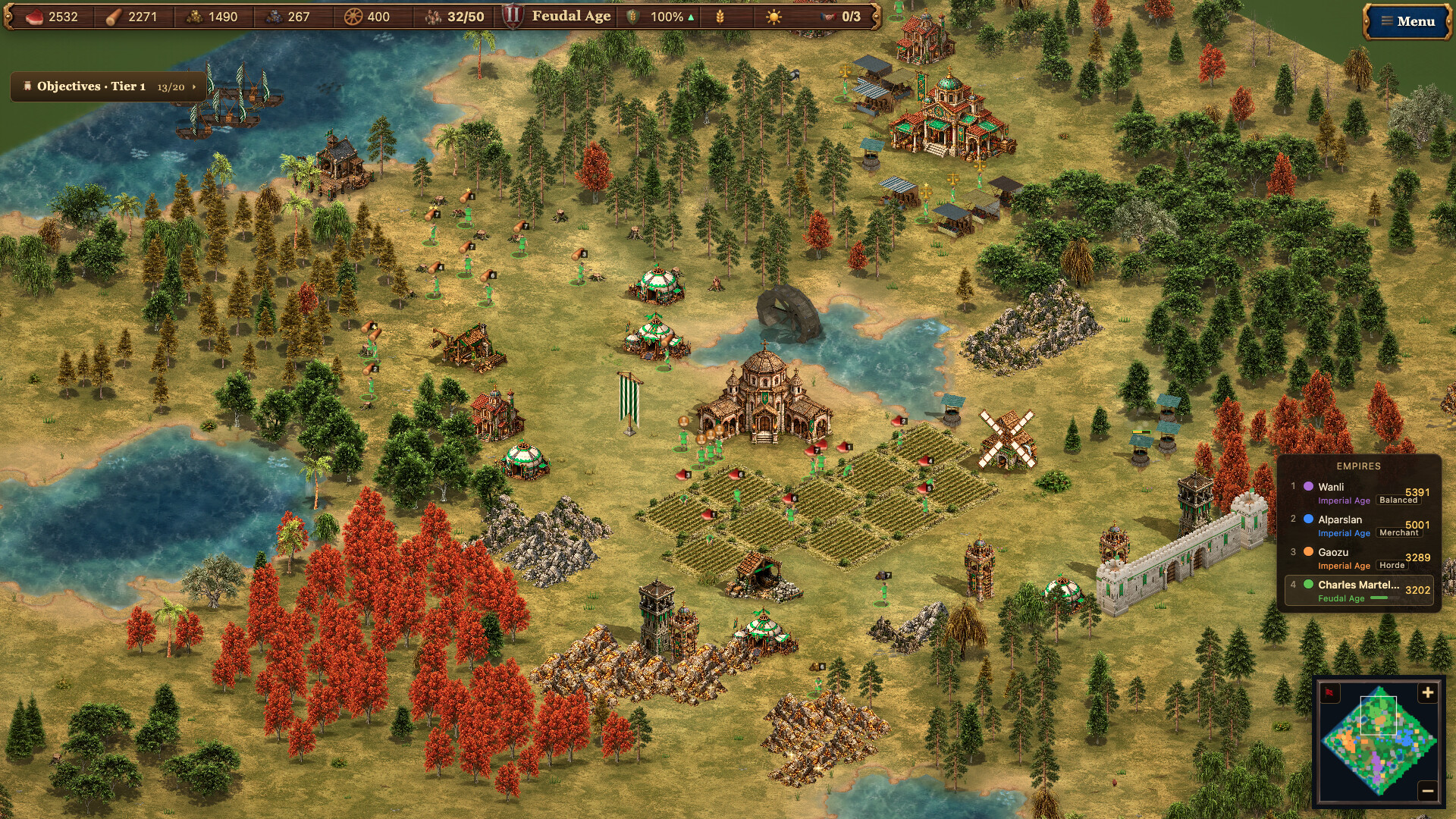
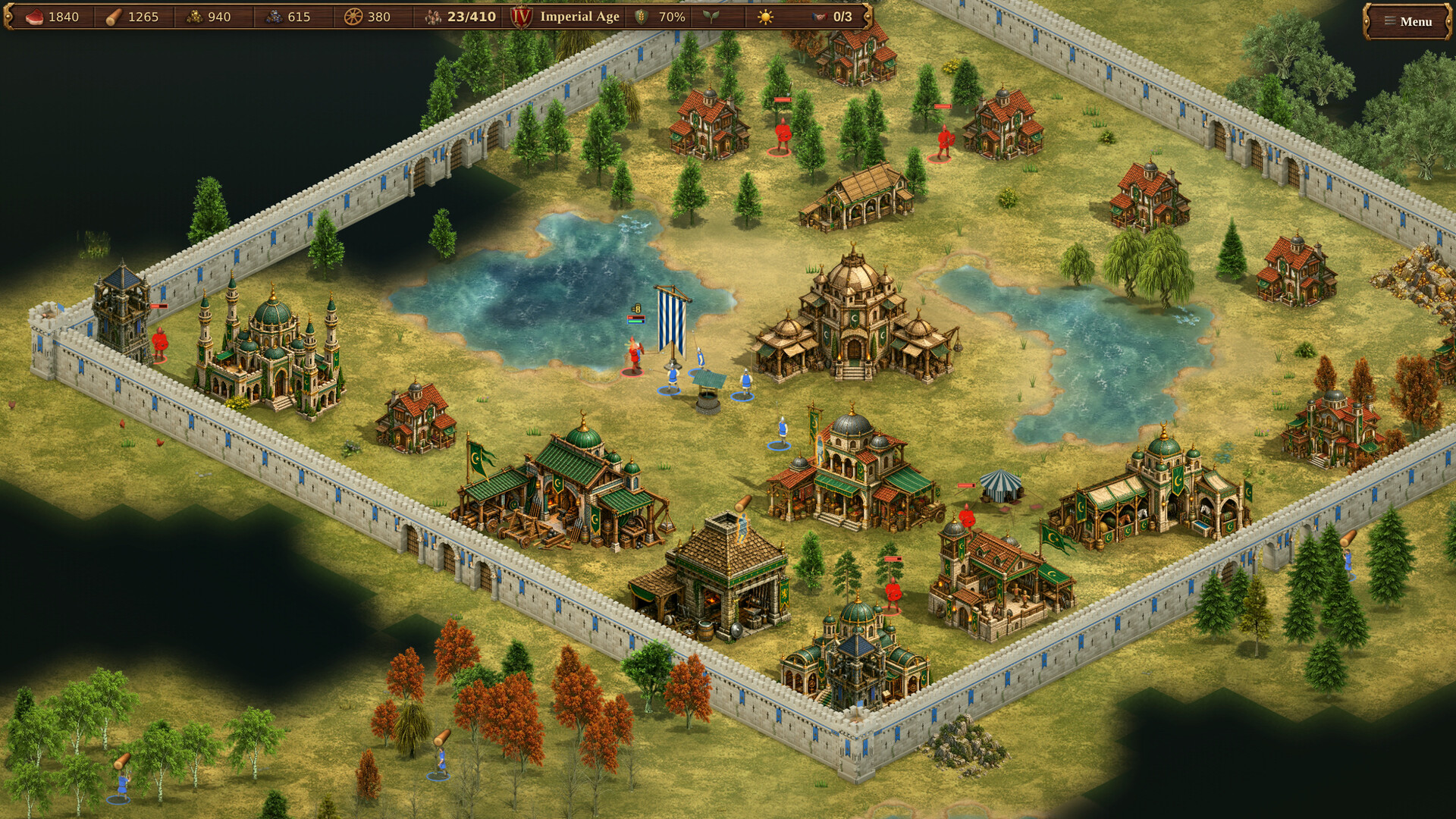
Wars of Empire is a 2D isometric real-time strategy game built around economic management, territorial expansion, and siege warfare.
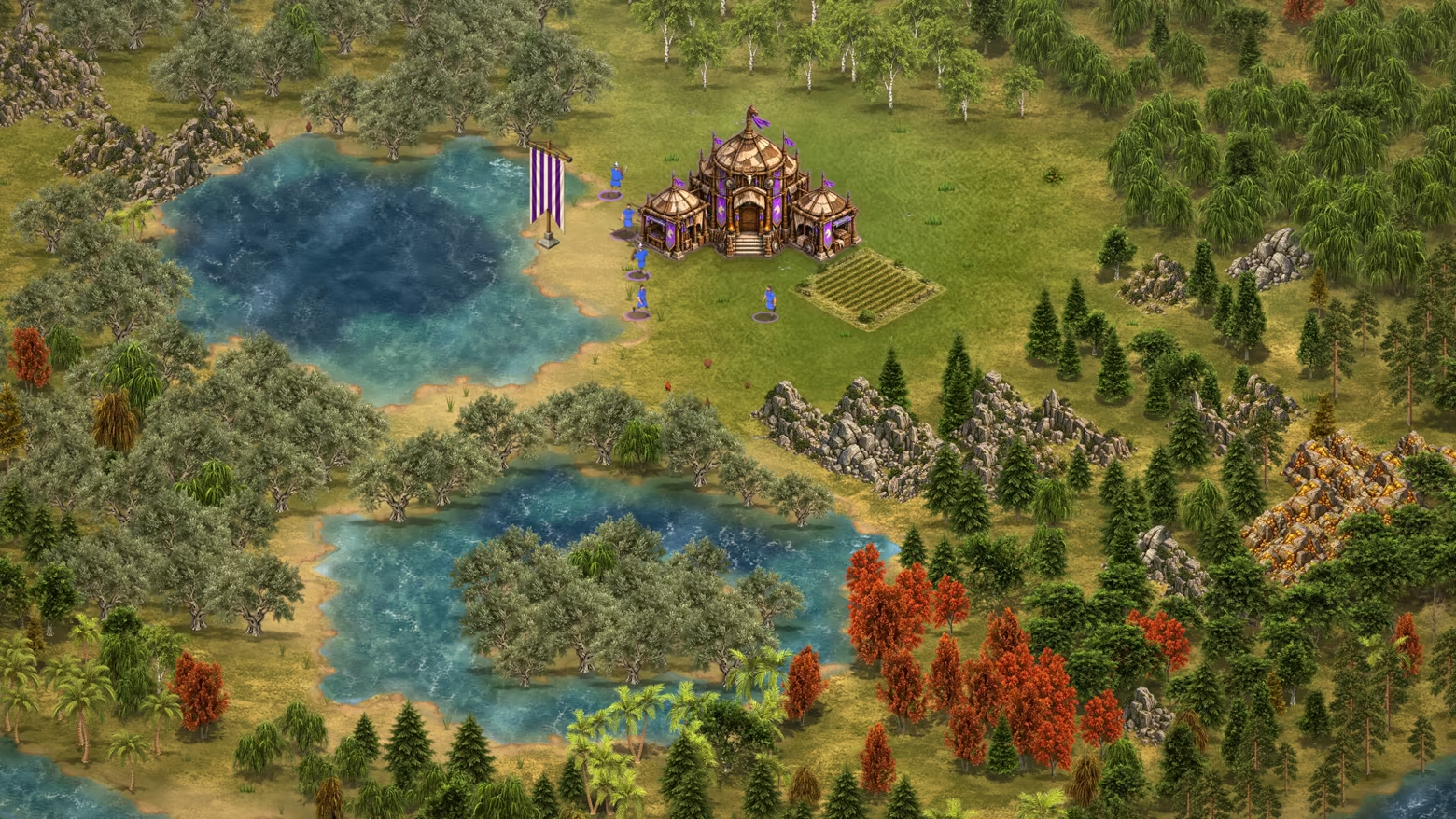
Every match begins with five villagers and a Town Centre. Gather resources, develop your settlement, raise an army, and turn a small village into a powerful empire over time.
Economy and Progression
The game features four ages: the Dark Age, Feudal Age, Reform Age, and Imperial Age. Each new age expands the possibilities of your civilisation with new buildings, units, and technologies.
A total of 67 technologies are distributed across the buildings responsible for researching them. These upgrades are not limited to abstract numerical bonuses; they have direct effects on both the battlefield and your economy. Equipment developed at the Blacksmith improves the combat effectiveness of your soldiers, while research at the University can enhance the capabilities of your defensive structures.
Villagers gain experience and advance through ranks as they work. As your settlement grows, notable figures with their own names and backgrounds may join your community. Each provides a lasting contribution to your empire.
Warfare
Barracks train infantry and archers, while Siege Workshops produce war machines such as battering rams, onagers, and scorpions. But warfare is about more than simply raising an army.
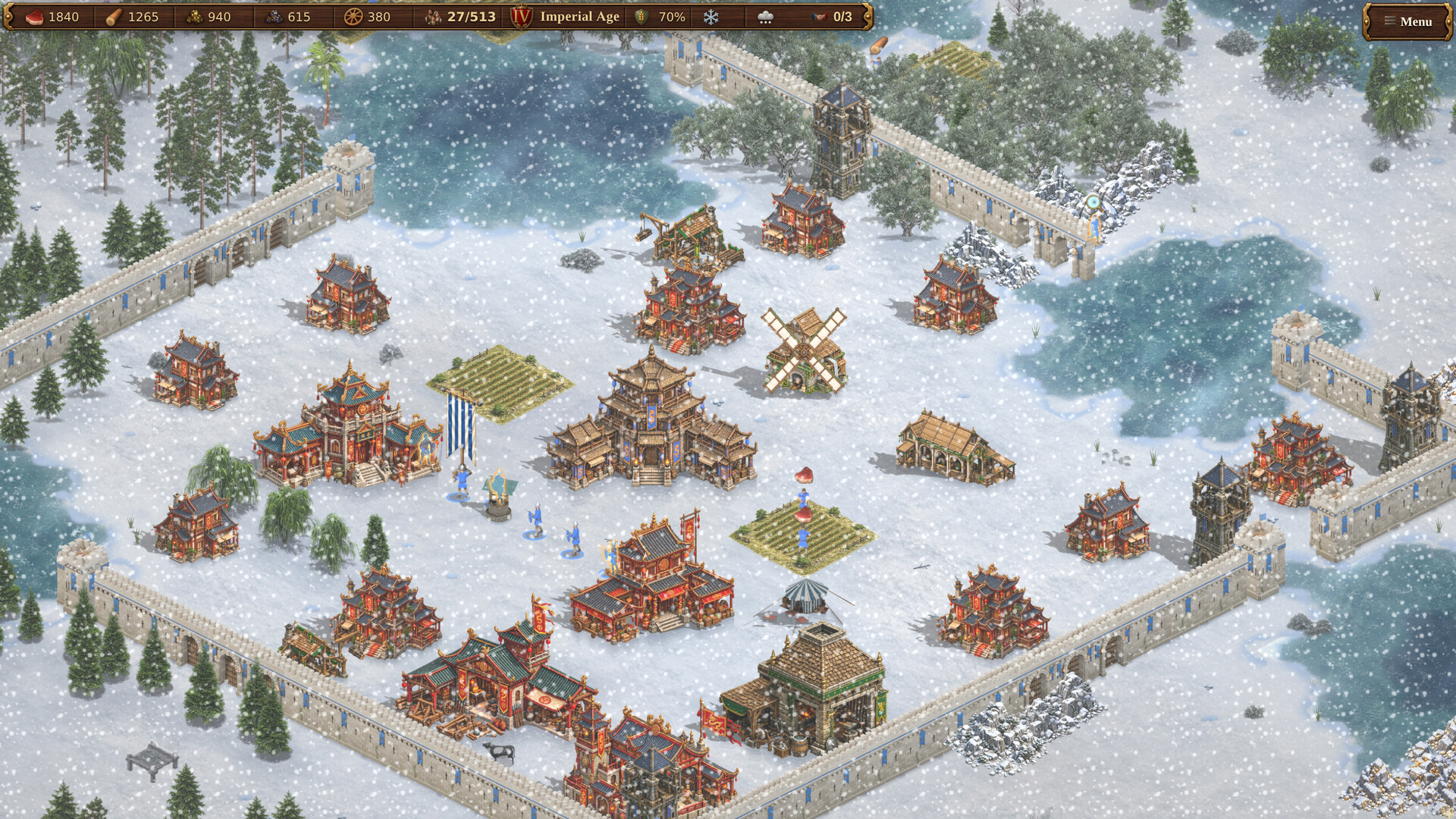
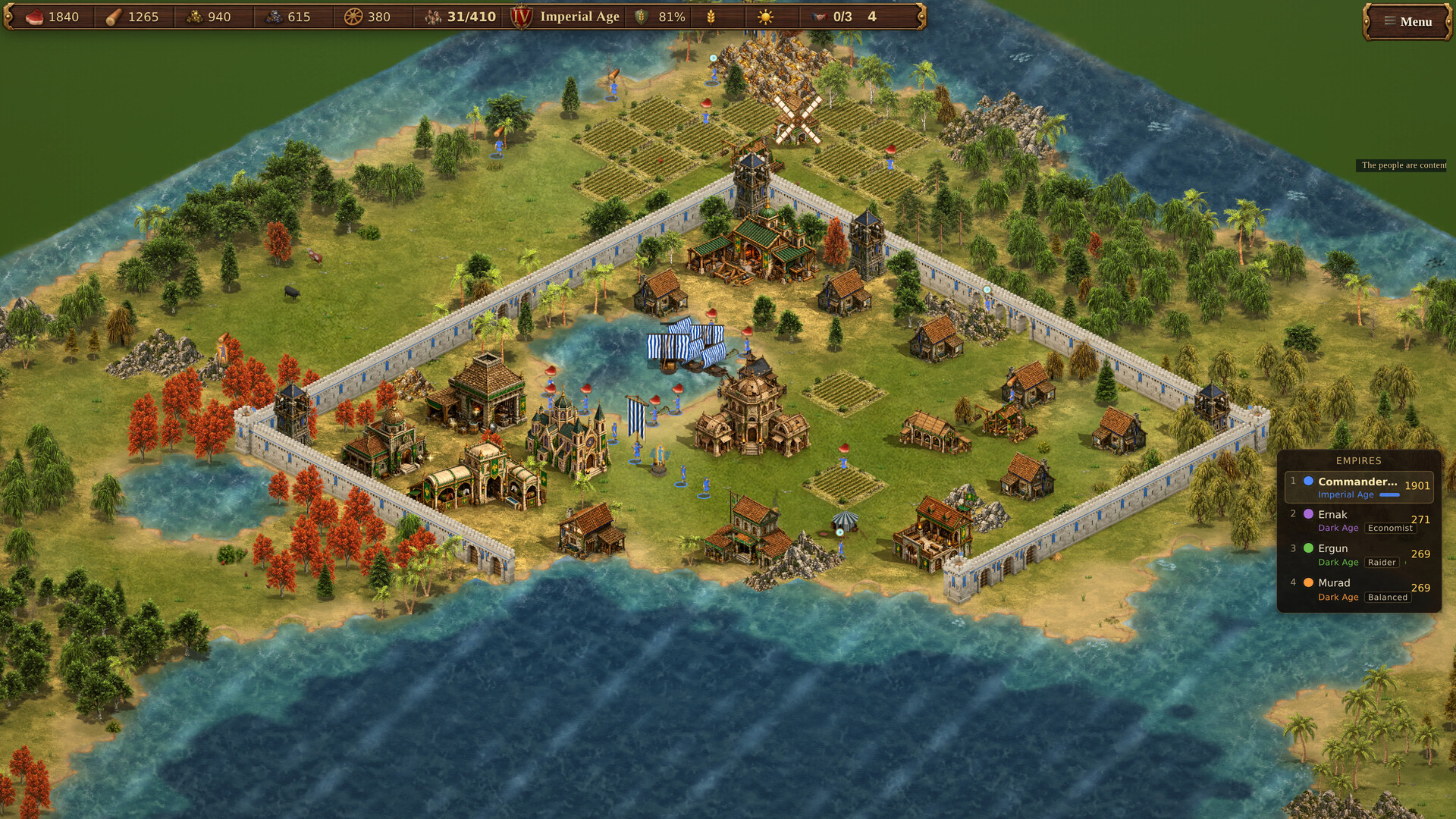
The defence of a settlement depends on the fortifications built by the player. Walls are constructed section by section, alongside gates, upgradeable towers, and castles capable of firing volleys. Together, they directly shape the battlefield.
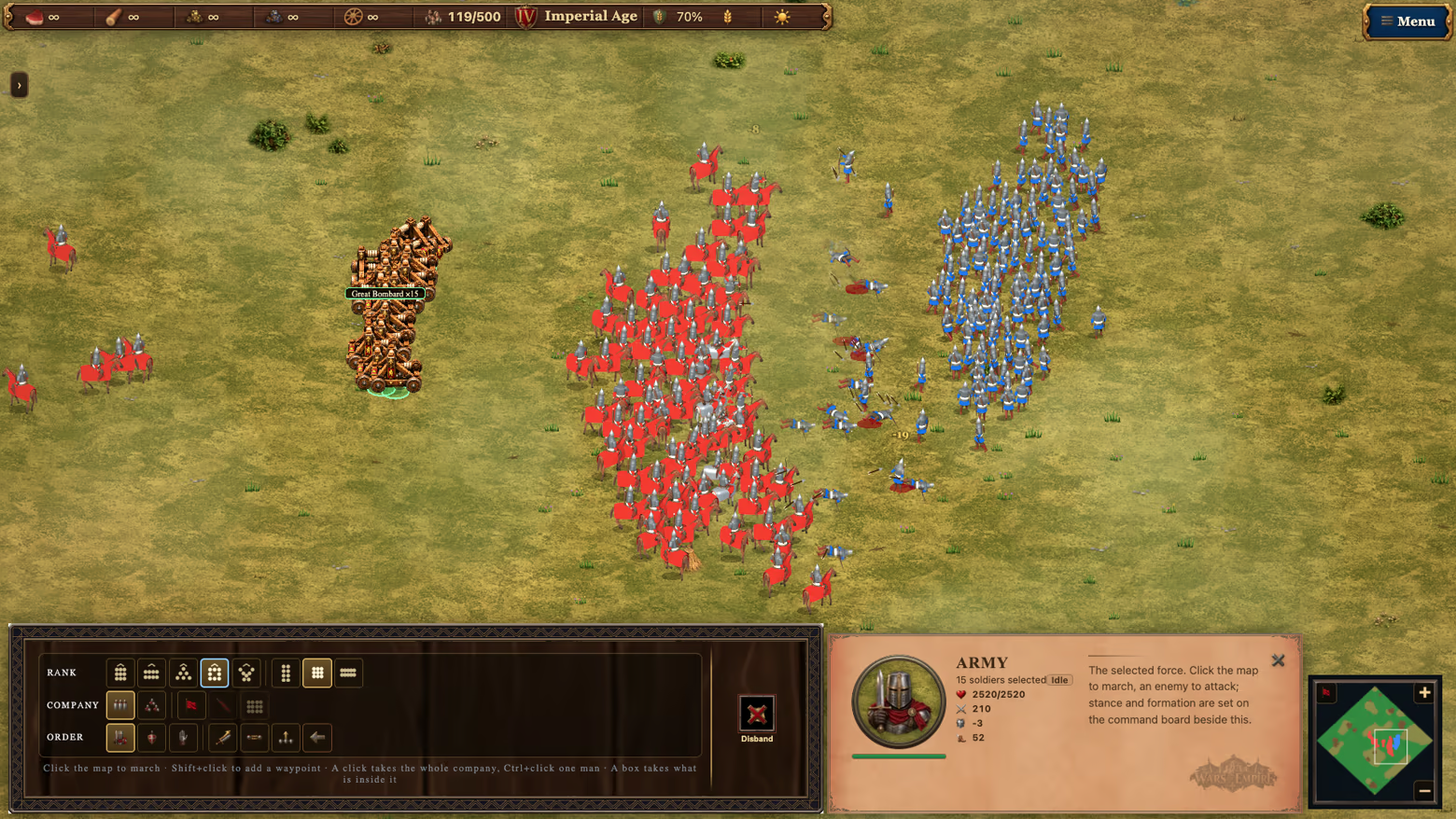
Soldiers trained together can be organized into companies. Five soldiers are enough to form a company, while a full company consists of twenty. If its strength falls below five soldiers, the company disbands. Formation and stance commands determine how units behave when they are not receiving direct orders.
Army movement is also part of warfare. An attacking force that marches across long distances reaches its destination fatigued, while the defending side suffers no such penalty. This means the cost of a siege may begin before the first blow is ever struck. Units that lose morale may flee the battlefield, while captured soldiers can be held for ransom rather than killed.
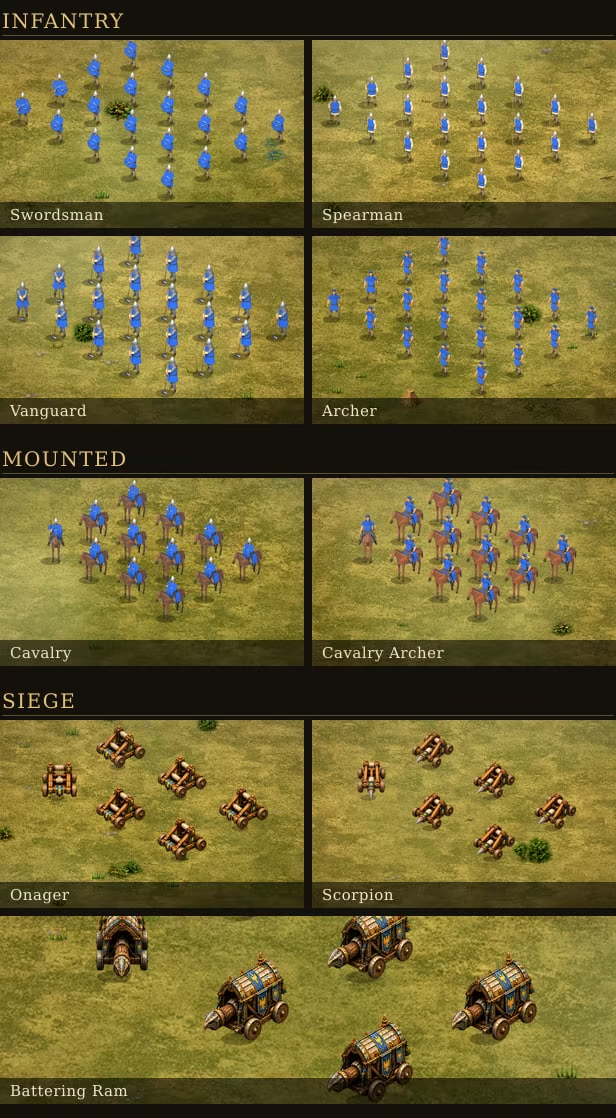
Not every city needs to be taken by storm. Encircling a settlement and cutting off its supply lines can force it into surrender through starvation.
Every soldier carries the weapons and armour of their own civilisation. The quality of their equipment is determined by research completed at the Blacksmith and is directly reflected in the unit's appearance.
Naval Warfare
Naval forces are part of the same command system as land armies.
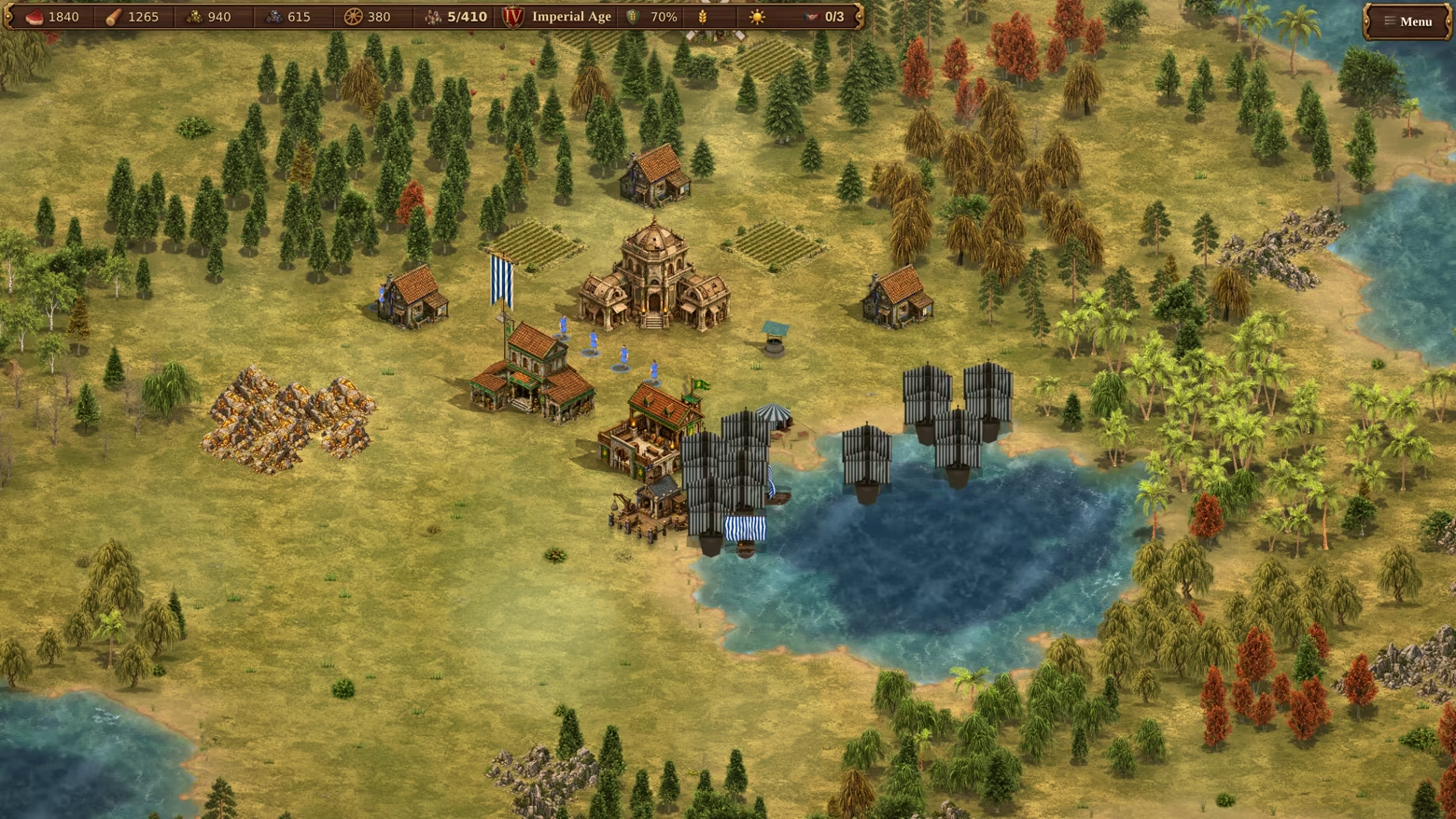
Warships turn to face the direction they are traveling, benefit from technological upgrades, and sink when destroyed instead of simply disappearing.
Fishing boats harvest resources from schools of fish, transport ships carry armies between coastlines, and pirates may raid coastal settlements in recurring waves.
Civilisations
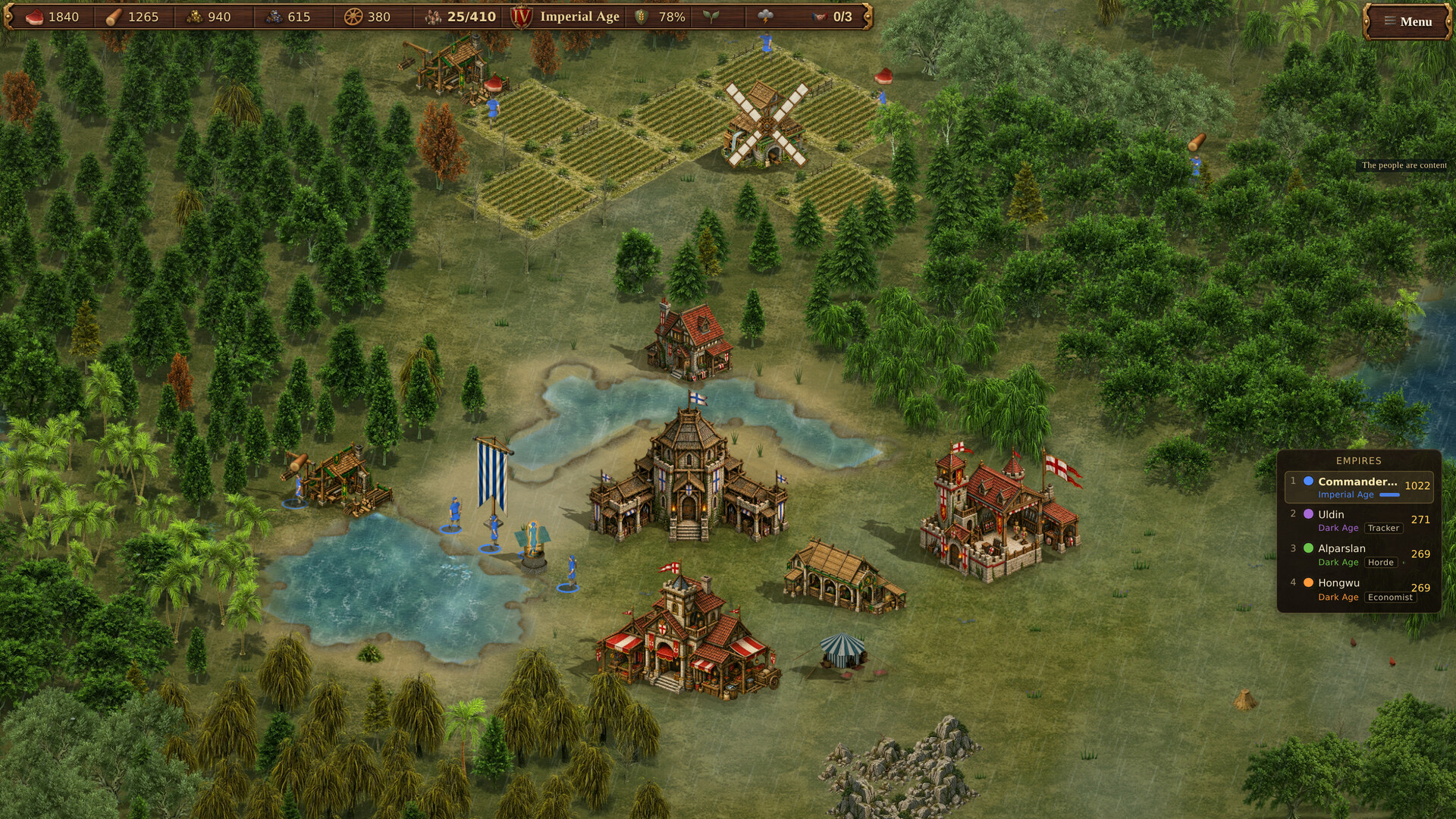
Six civilisations are playable: the Ottomans, Byzantines, English, Chinese, Huns, and WOE. Each has its own architecture, army composition, unit equipment, and sound set.
Units can take on different identities depending on the civilisation that fields them, with 22 civilisation-specific names in total. Ottoman armies include Janissaries, Sipahis, and Akinjis; Byzantine forces field Cataphracts and Varangian Guards; the English bring Longbowmen and Knights; the Chinese use Chu Ko Nu and Zhanmadao; and the Huns field Tarkans and Alps. These differences are more than simple renaming. The intention is for units serving the same battlefield role to still reflect the culture and military identity of their civilisation. WOE does not specialize in any single area. It follows a balanced approach and uses shared equipment sets.
Historical Campaigns
Unlike standard procedurally generated maps, the historical scenarios take place on handcrafted battlefields and feature their own objective chains.
Current historical scenarios include:
The Conquest of Constantinople
The Great Wall
The Hun Raids
Game Modes
Last Banner: Rival empires apply constant pressure. To win, your Town Centre must survive while enemy empires are eliminated one by one.
The Arena: Resources are unlimited and the match begins directly in the Imperial Age. There is no need to build up an economy first; armies can be raised immediately and battle begins without delay.
Common Bounty: Forests, mines, lakes, and animal herds are concentrated in the center of the map. Since players have very limited natural resources in their own territories, controlling the center becomes the defining objective of the match.
Golden Age: There is no direct warfare between players. Instead, victory is achieved by completing development objectives and advancing your civilisation as far as possible.
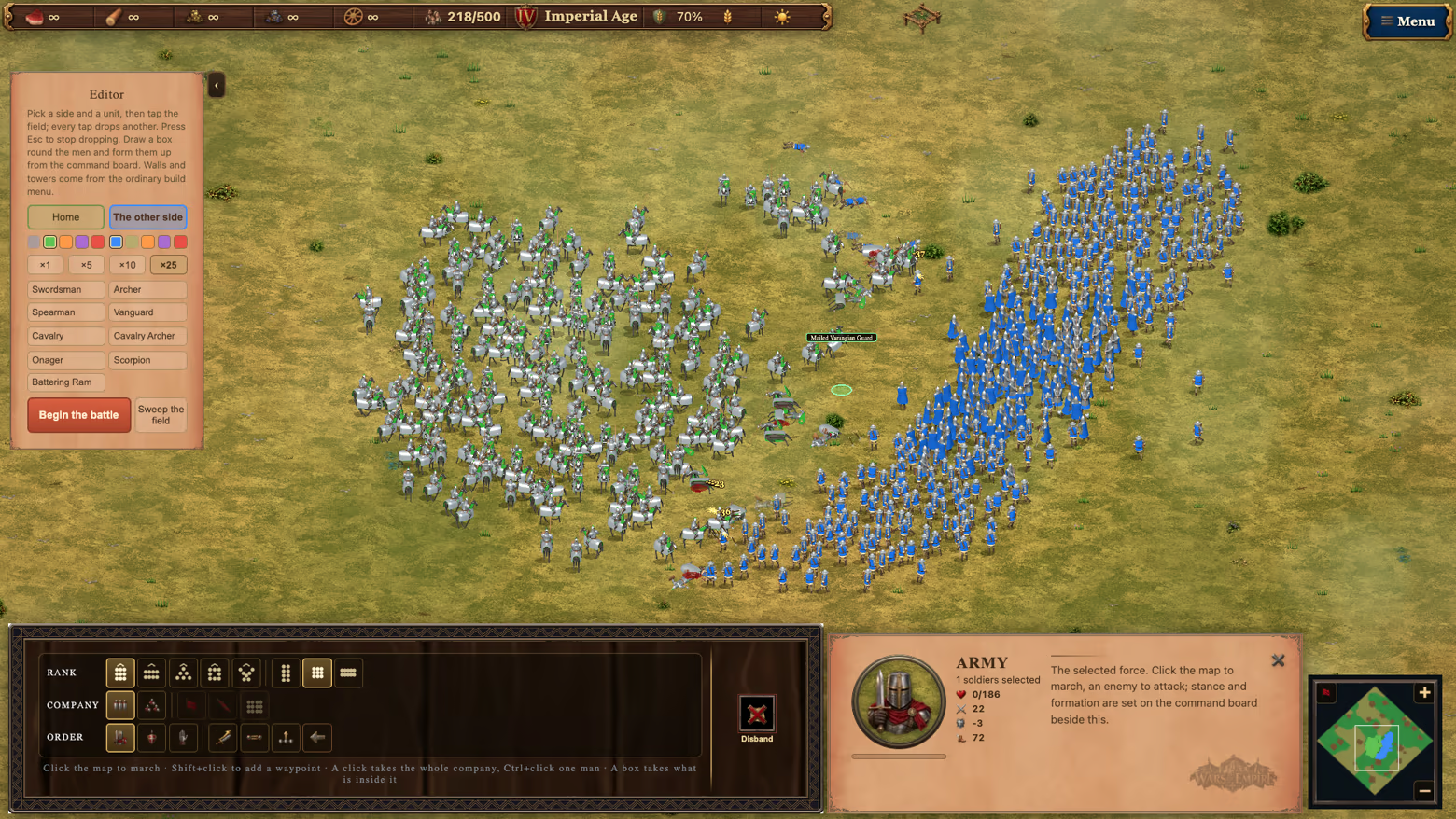
Tactical Arena: Rather than a traditional match, this is a free-form battlefield. Players can place as many units as they wish, construct defensive lines, and experiment with different formations and combat setups.
Map Generation
Standard matches use dynamically generated maps. There are three basic world layouts: land, islands, and mixed terrain. These can be combined with balanced, forested, or rocky landscapes, as well as three different map sizes.
Five additional geographical rules can fundamentally change the strategic structure of the battlefield:
Inland Sea
Archipelago
One Crossing
Ore Basin
Famine
These rules affect more than appearance. They influence resource distribution, expansion routes, and the locations where conflict is most likely to emerge.
A Living World
The world of Wars of Empire continues to change throughout every match.
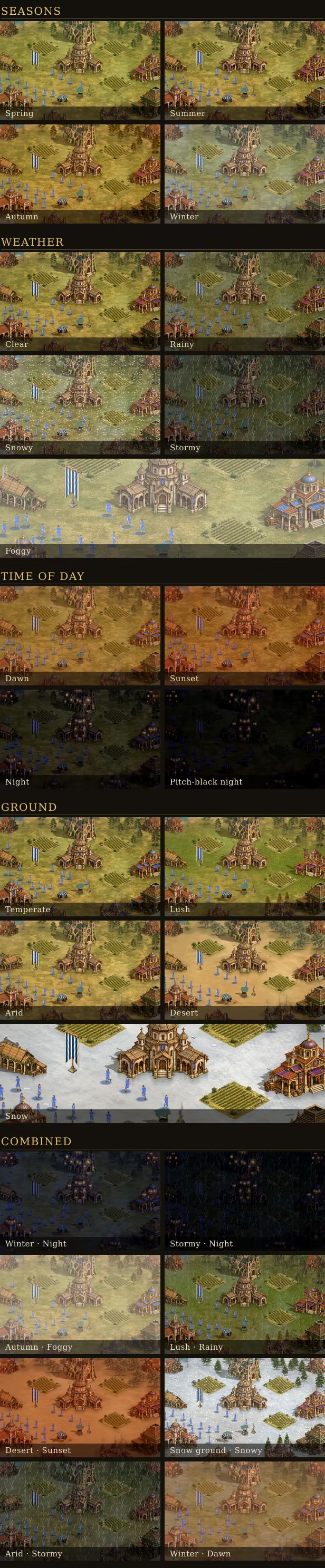
Seasons progress, day turns to evening, and eventually night falls. Night is more than a visual effect: the battlefield genuinely becomes darker, while windows, lanterns, and fires begin to glow throughout settlements.
When the optional Night Raid setting is enabled, the match begins in the late afternoon, daylight periods become shorter, and enemy forces and pirates time their attacks around the darkness. In return for the added risk, renown rewards are increased by 25%.
Weather conditions can be selected at the beginning of a match. Different conditions may affect attack power, gathering speed, movement, production, morale, and line of sight. Fires can spread through settlements and may reach nearby buildings if left unchecked. Disasters and dilemmas can emerge during a match, while trade caravans travel between different points on the map.
Population also reacts to the conditions around it. Prosperous settlements attract new people, while worsening conditions may lead to migration. Morale and faith are also dynamic systems that must be maintained and managed.
Online Multiplayer
Live multiplayer matches are created through a lobby system, with each player managing their own settlement. Fog of war is calculated separately for every player, meaning each participant only sees the parts of the battlefield they have explored.
If the player hosting the match disconnects, host migration allows the game to continue without ending the session.
A seasonal ranking system tracks results from matches played against AI opponents and is partially reset at the beginning of each season.
Live player-versus-player matches use a separate ranking system. This leaderboard will remain unpublished during Early Access until the active player population is large enough to support it.
Map Editor
The built-in map editor allows you to create, name, and save your own battlefields.
Maps created in the editor can later be used in matches.
Available Tables (0)
View available tables...Events Timeline
View full events timeline...Initial Release