Undead Chronicles


About the Game
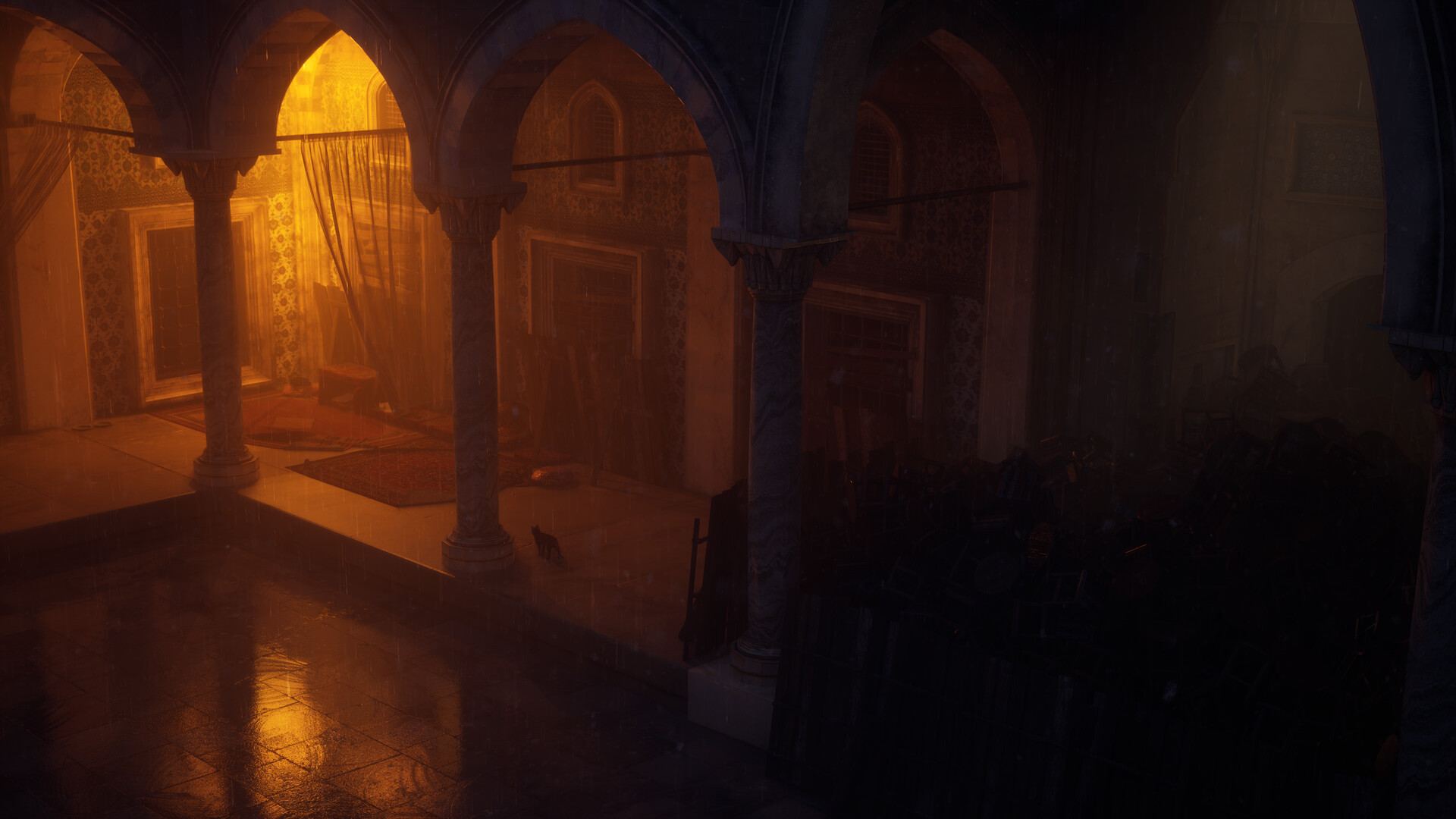
Istanbul, 1923. The occupation is crumbling. The streets are silent. A leprosy-like plague has turned the living into the undead: slow, relentless, and lethal.
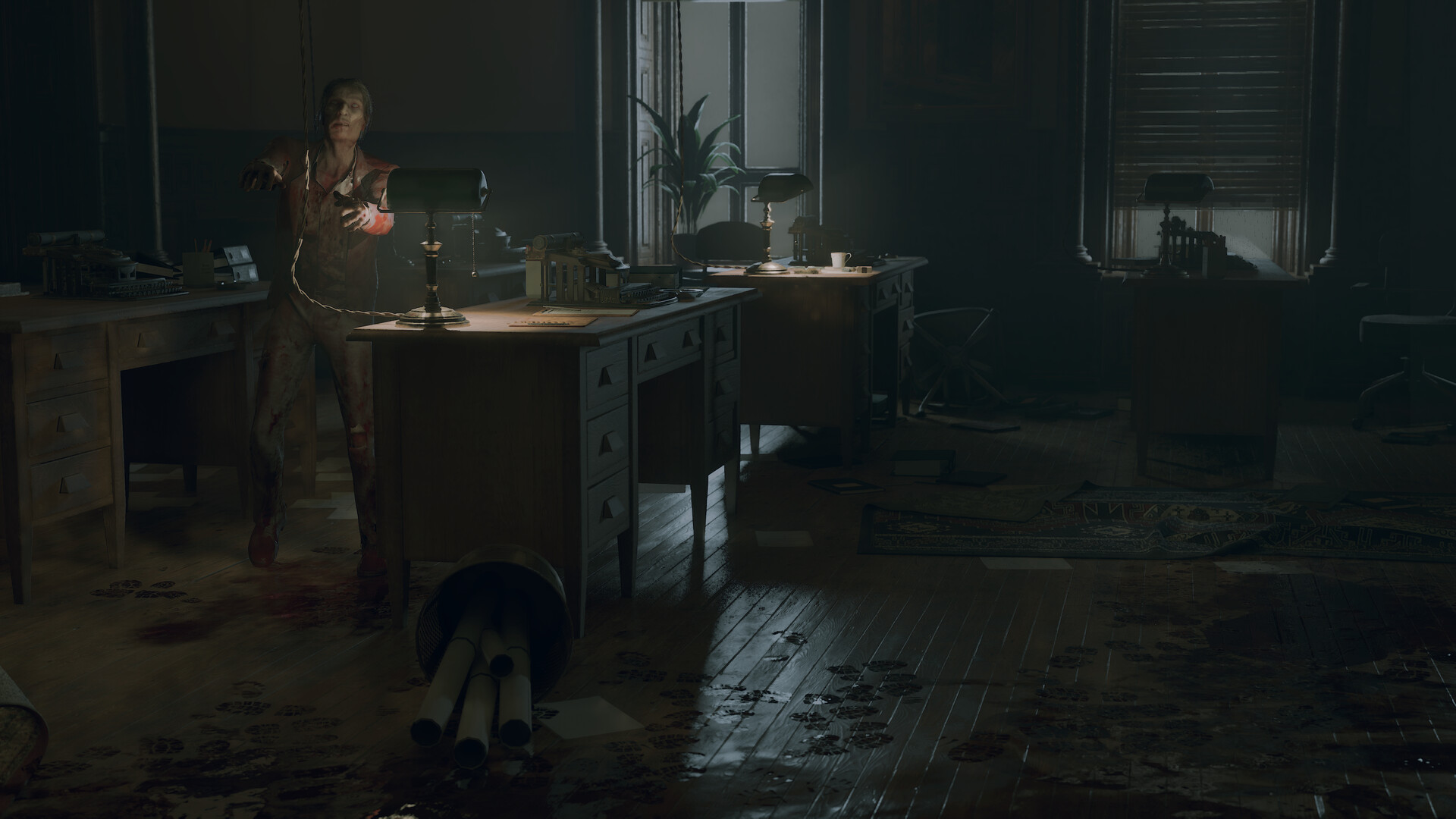
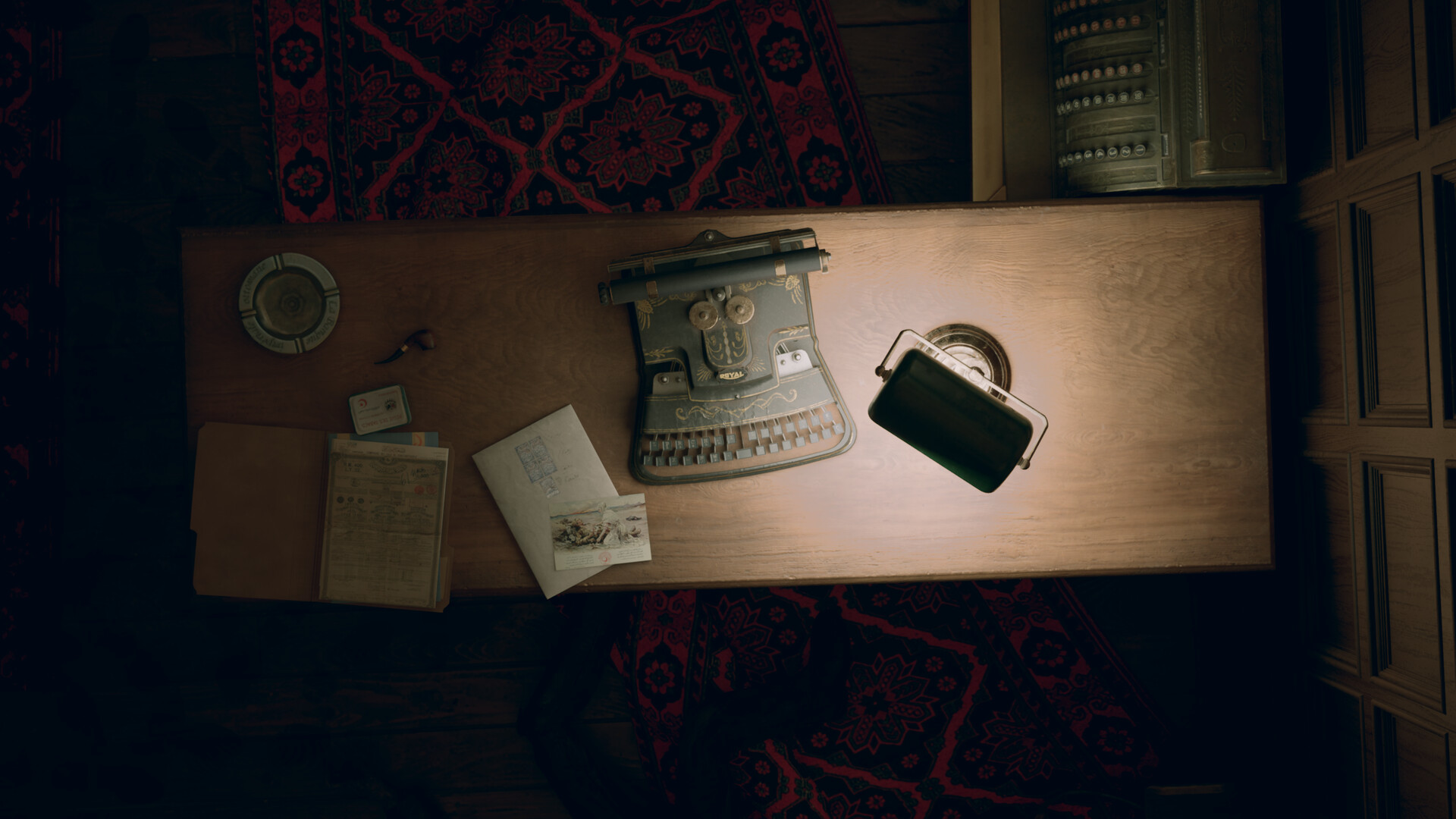
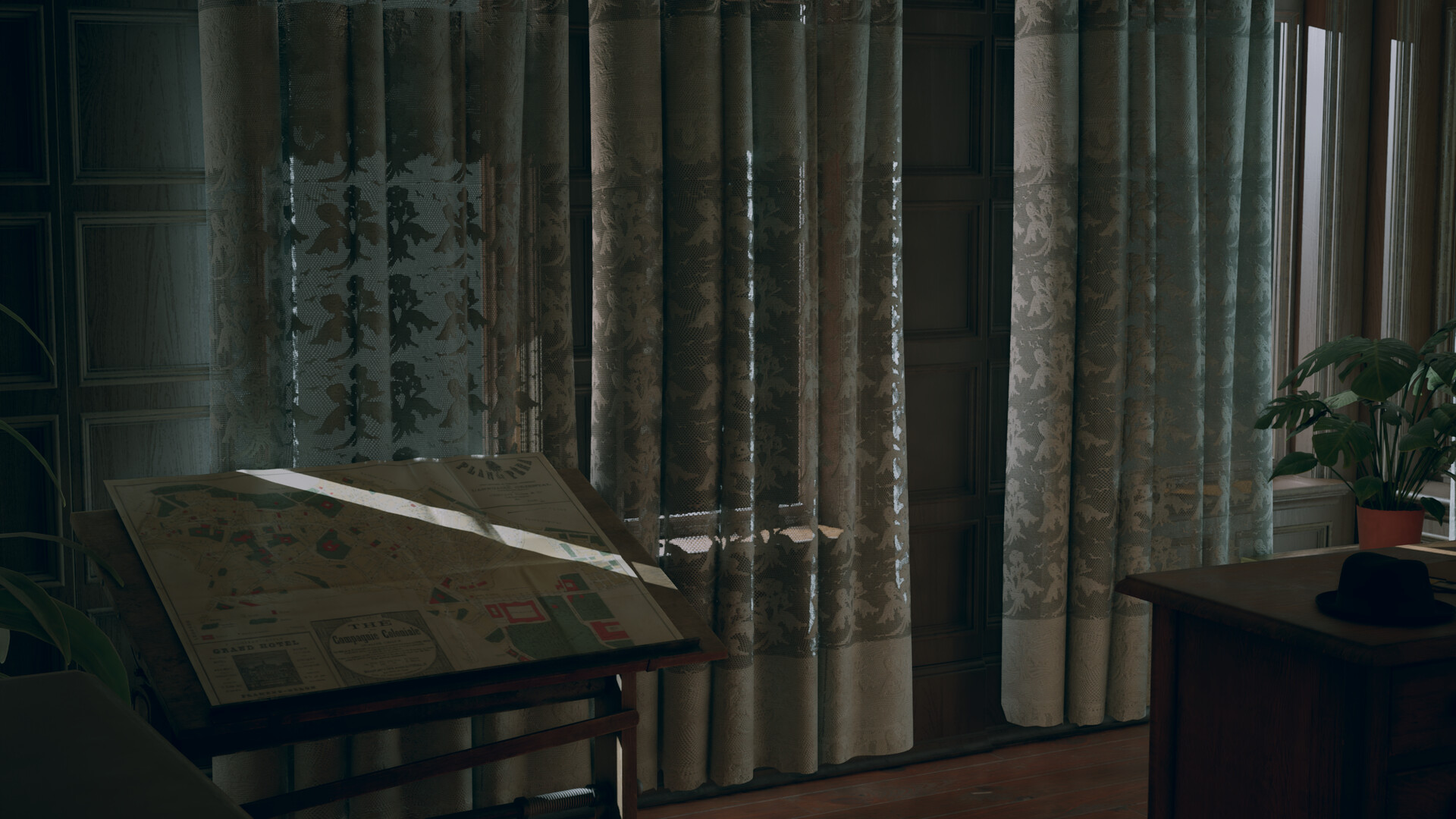
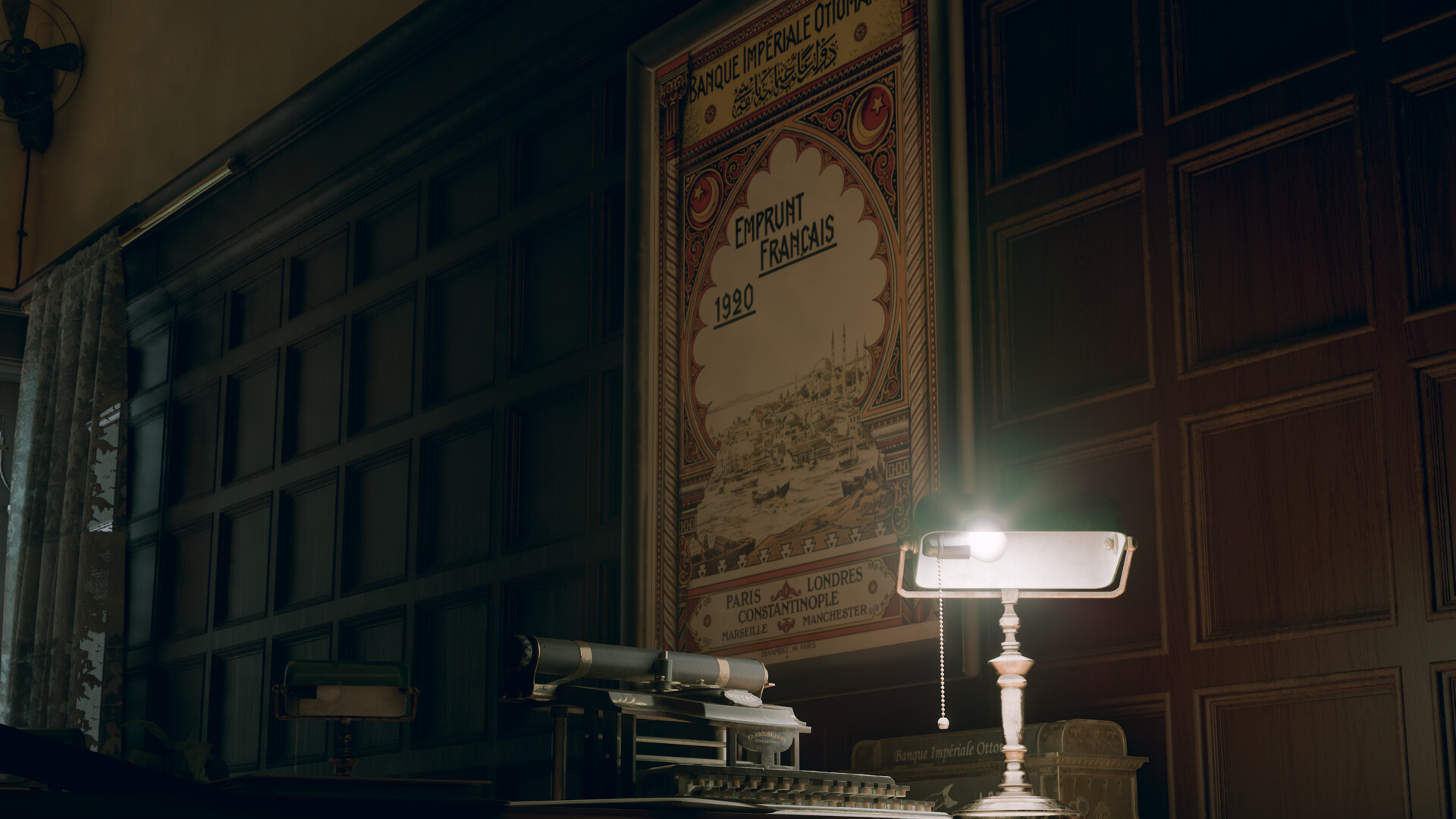
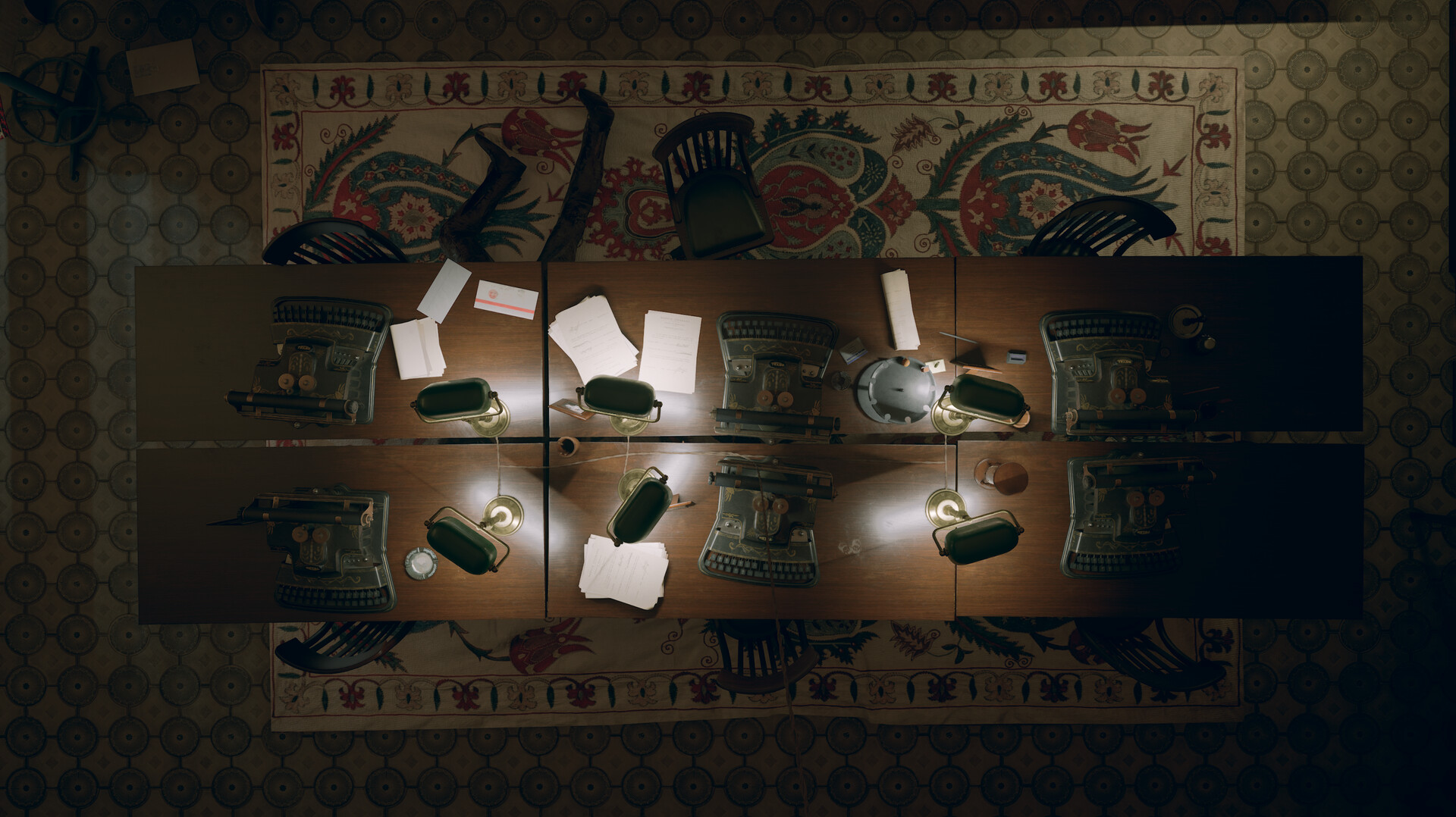
You are RJ Edwards, a British banking official sent to the Imperial Ottoman Bank on a promotion you never wanted. Shortly after you arrive, you find yourself in an abandoned office: crooked ledgers, scattered notes, a brass nameplate still bearing your predecessor's name. Rain pounds the windows. Gunfire echoes outside. The radio advises calm.
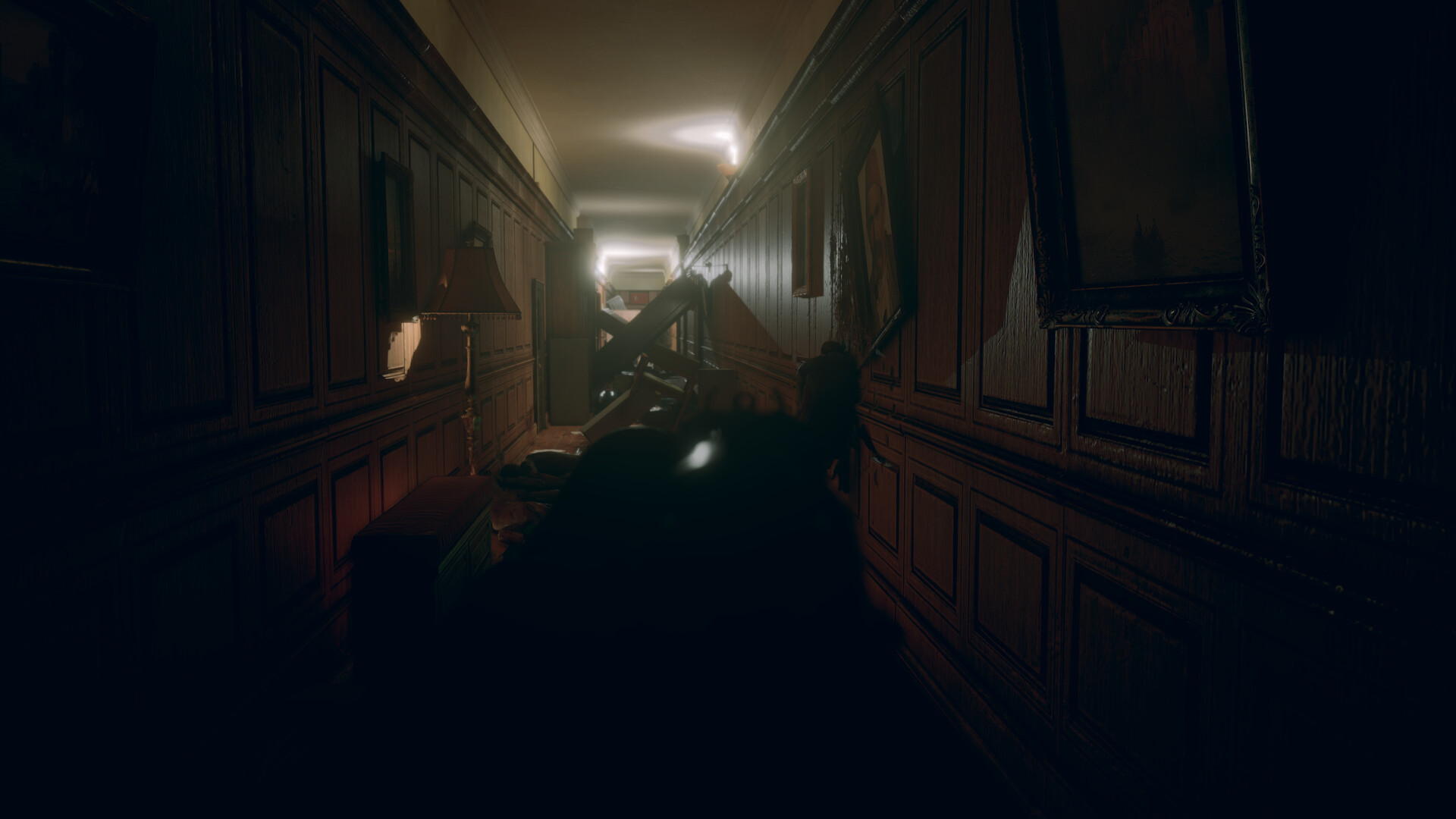
Three days later, the gunfire stops. The radios fall silent. When you step into the corridor, the city has collapsed.
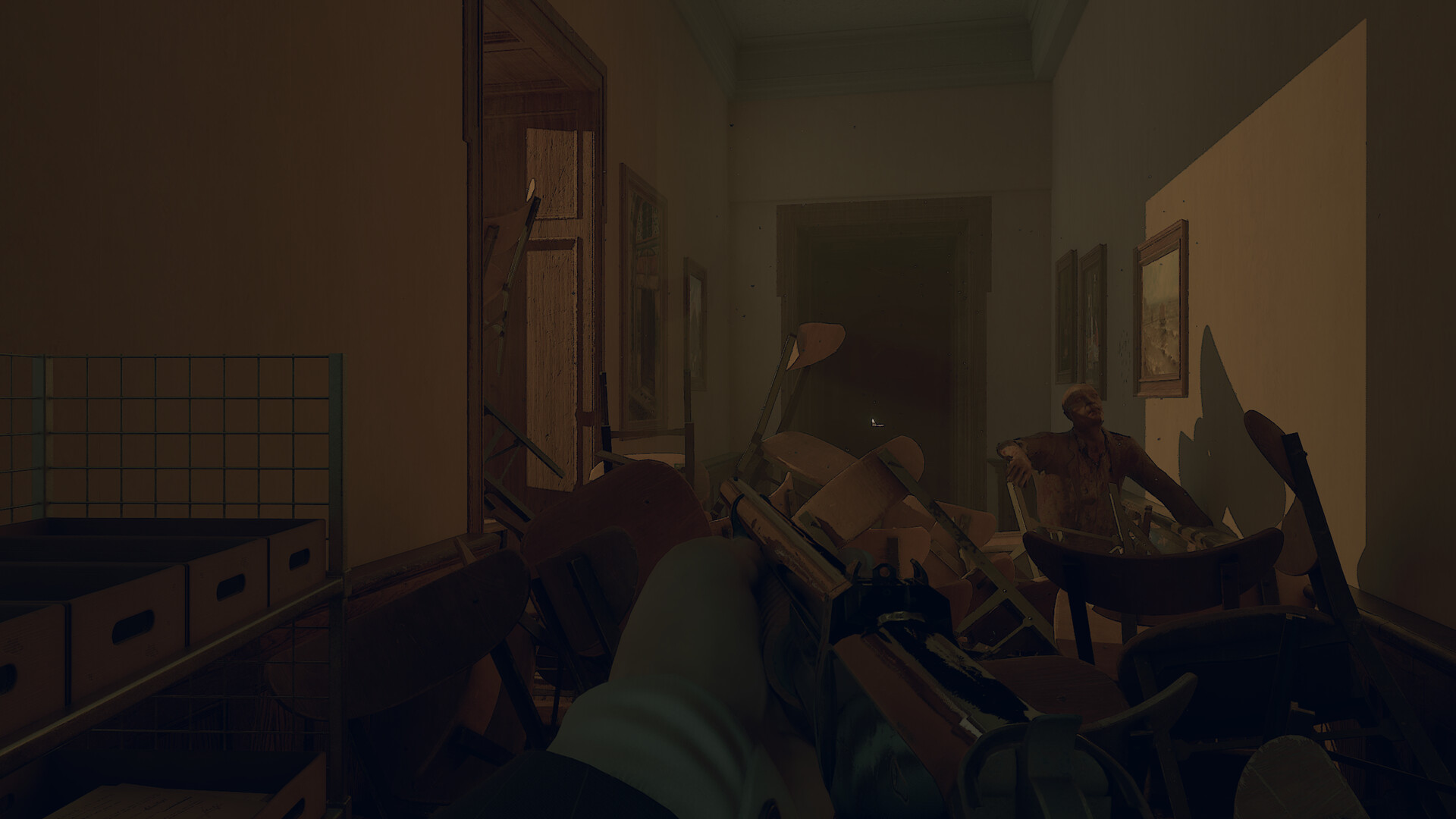
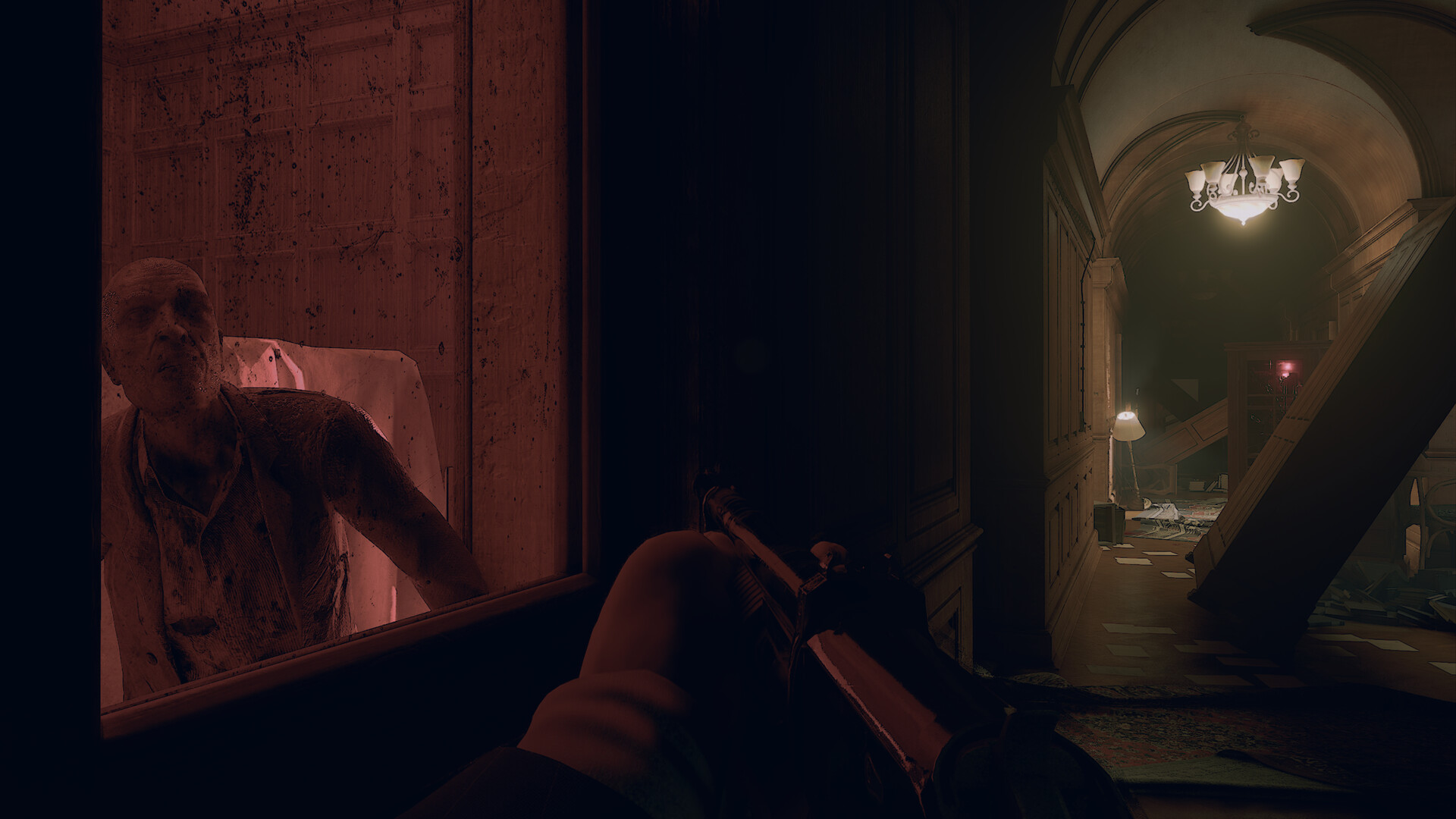
Single-player only. No co-op. No HUD. No waypoints.
No ammo counter. Count your own shots.
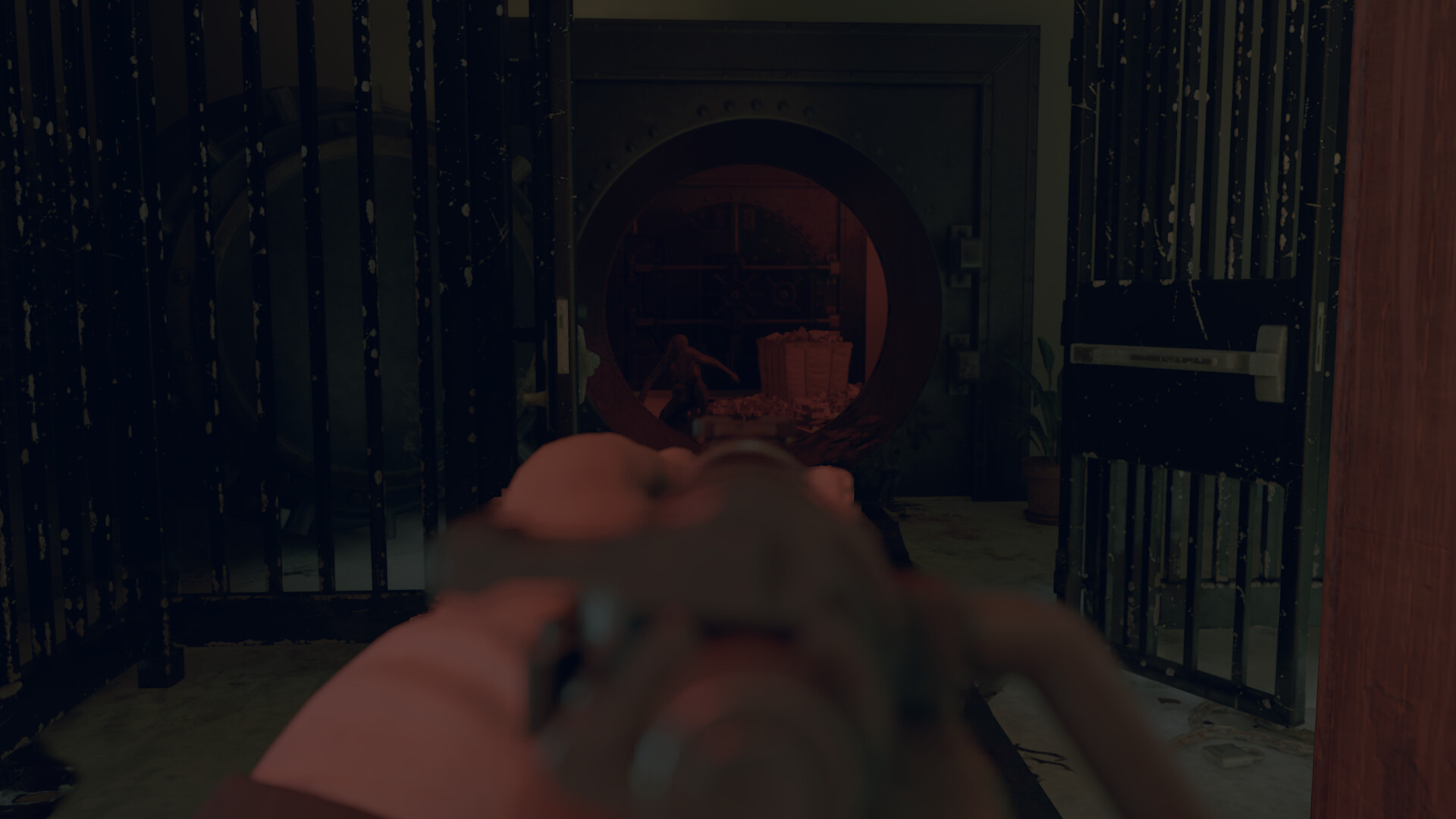
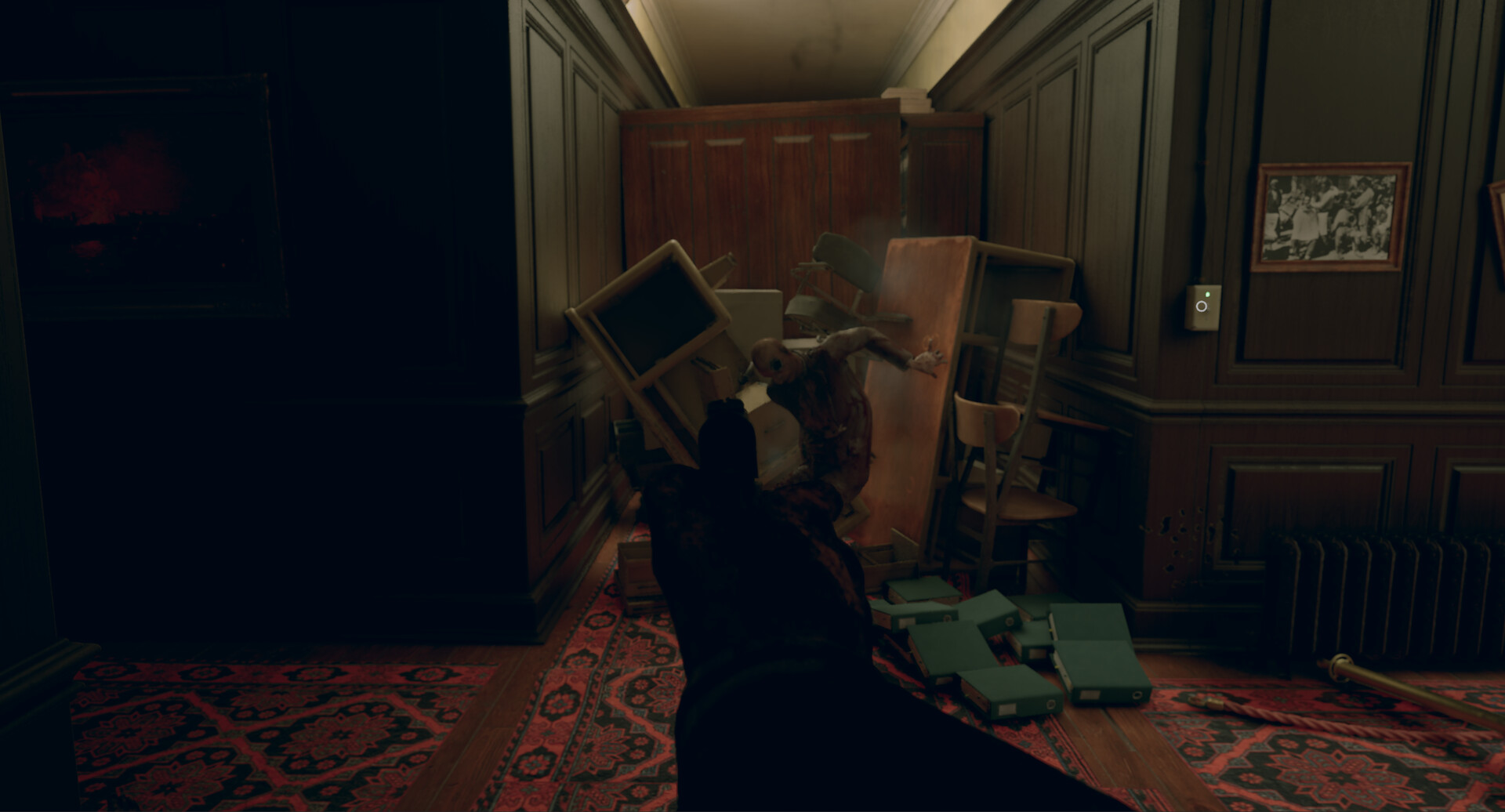
No map. No markers. No health bar. Nothing on screen but the world and the gun in your hands. Lose count of a reload and that is on you.
Slow zombies. On purpose.
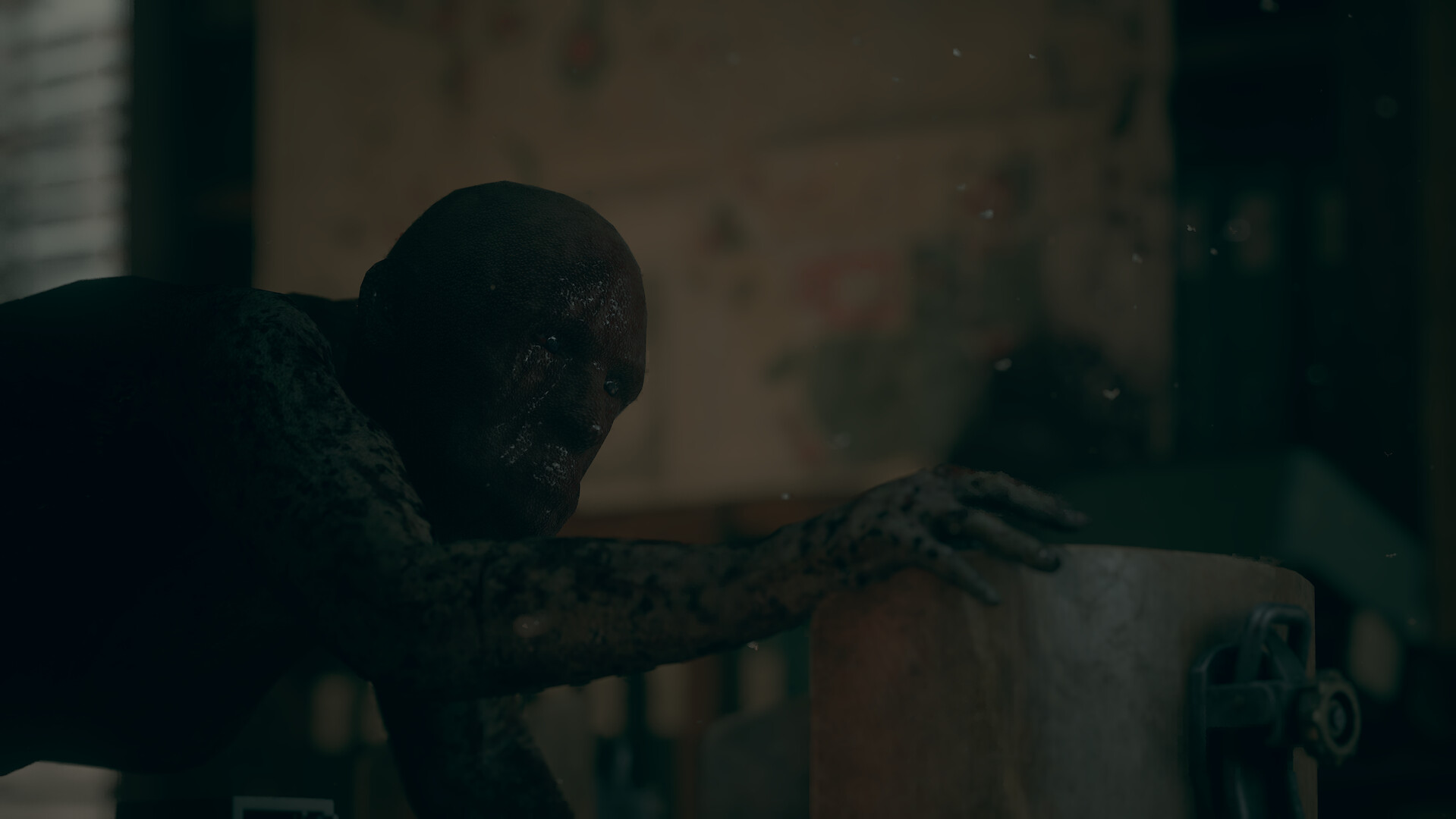
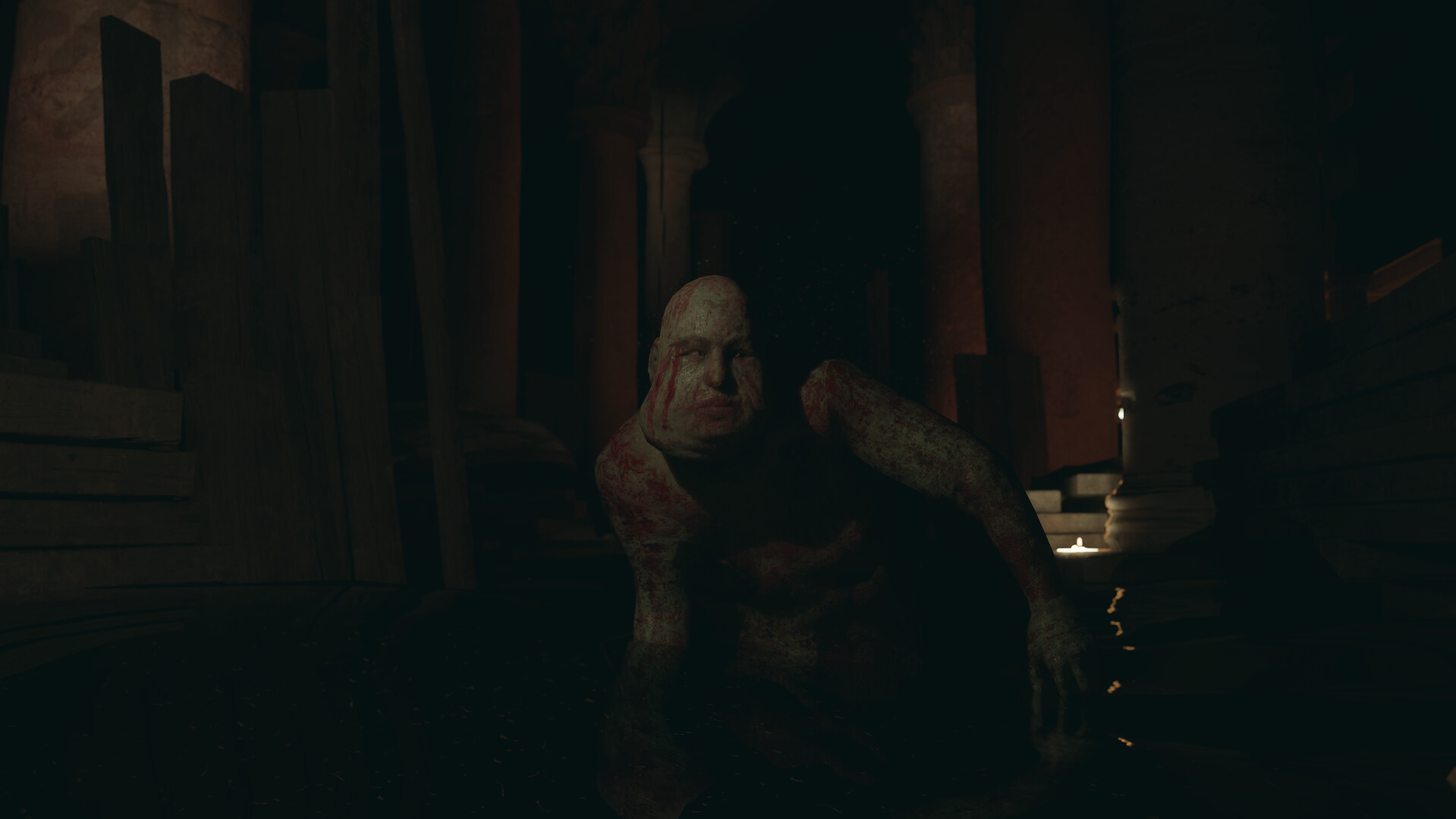
They do not sprint. They do not need to. They keep coming, they fill the corridor, and the one you walked past is still behind you.

Crisp ADS gunplay with historical weapons: a reliable pistol, a bolt-action rifle, a rare lever-action shotgun and more. Ammo is scarce. Headshots matter. Body shots buy you seconds.

Firearms are heavy, slow, and unforgiving. Every shot matters. A bullet to the knee is not cosmetic. Enemies stumble, collapse, or are permanently crippled. Precision is survival.

They do not explode or mutate. They behave like broken people. Some panic. Some charge. The shotgun exists for the moments when distance disappears.

A pistol buys time, not comfort.
It is reliable, but underpowered. The infected can take several hits. Headshots are always the smarter choice.

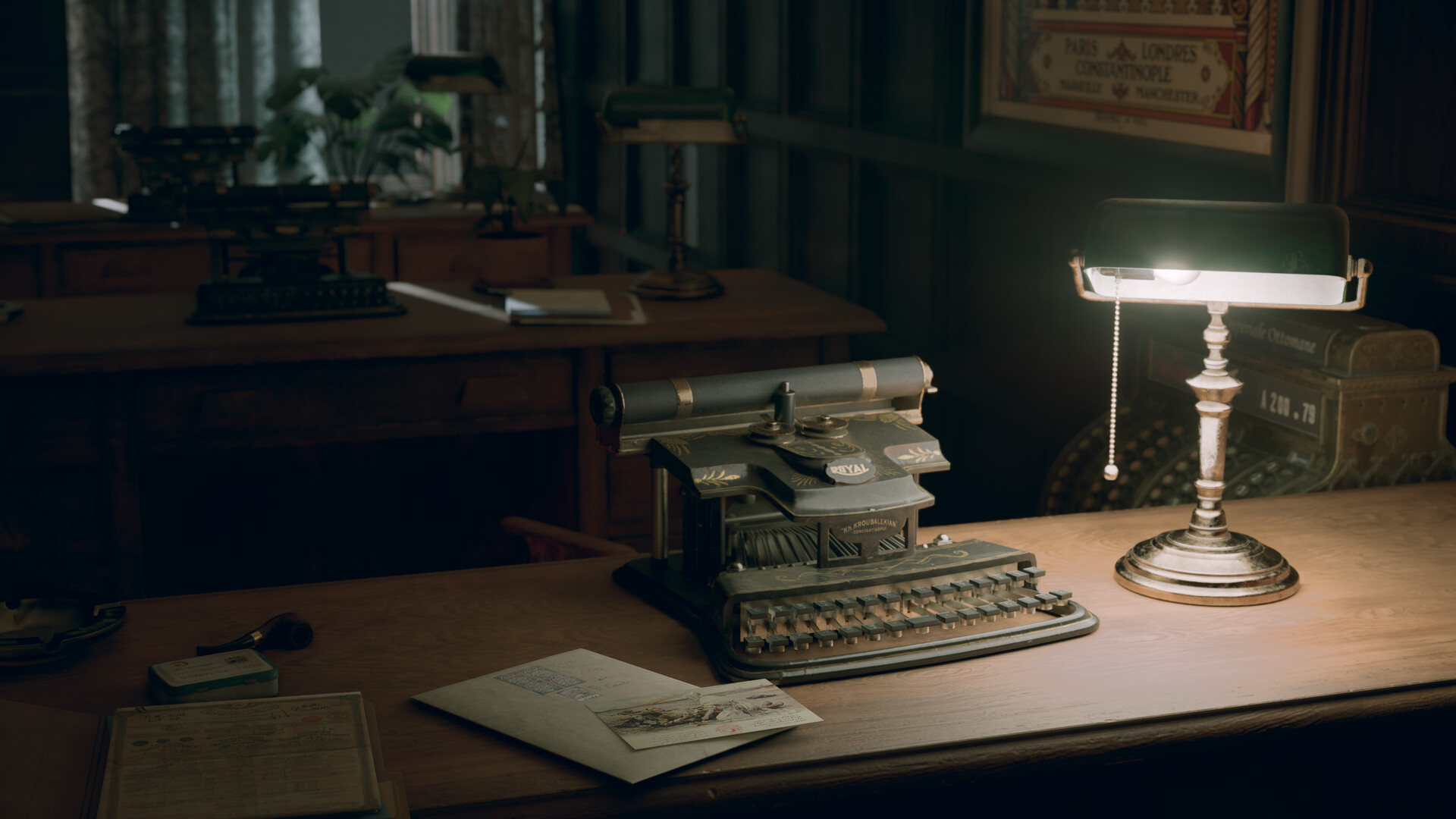
Restore power by hunting fusebox pieces. Find keys hidden in jacket pockets, behind paintings, and inside desk drawers. Every drawer opens, unless it's locked. No crowbars. No ritual candles. Just logic and observation.

There is no clean kill.
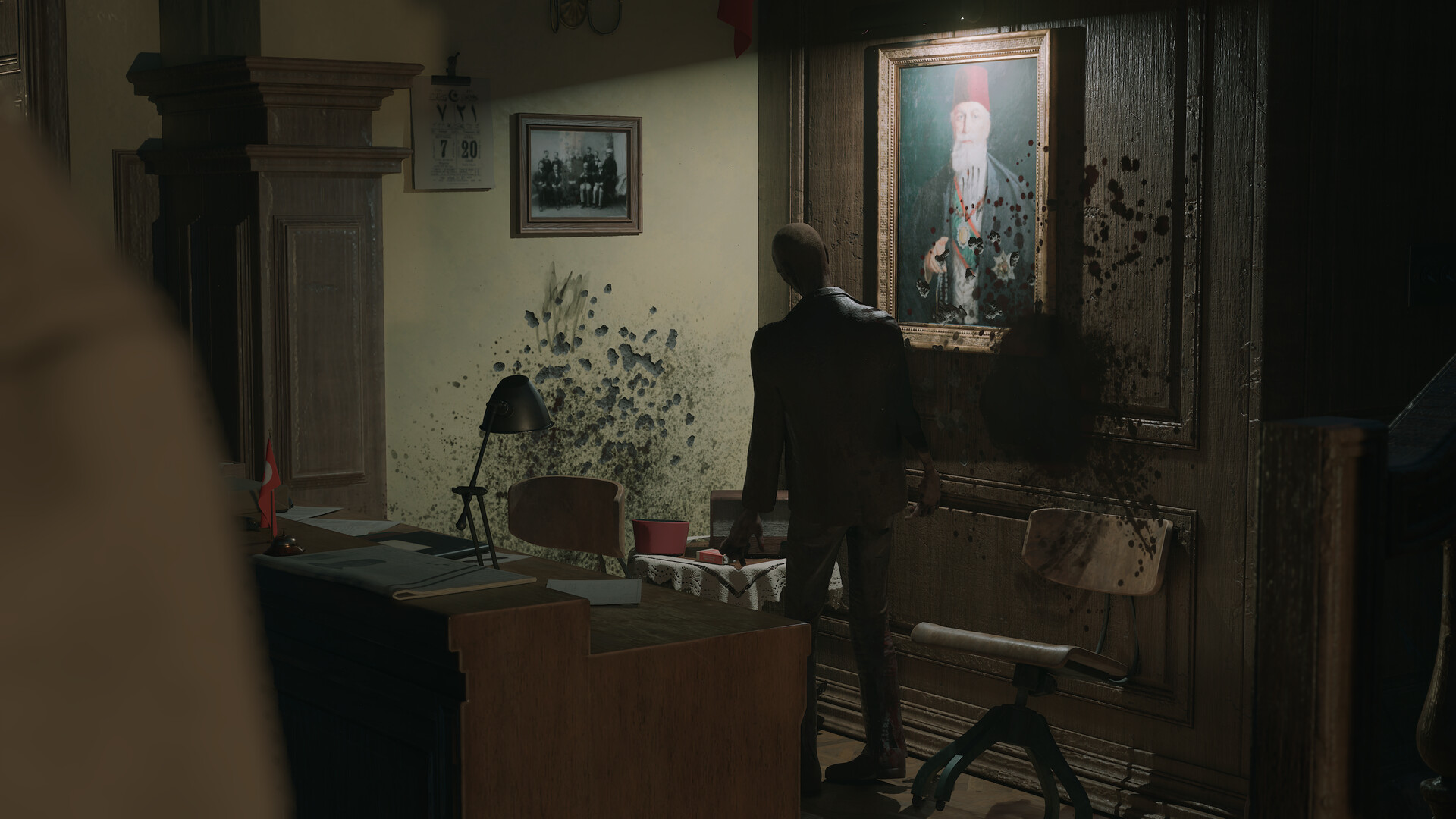
Up close, violence is unavoidable. Blood sprays, bodies collapse, and the silence returns.

History hides in plain sight.
The Imperial Ottoman Bank is filled with traces of lives left behind. Photographs, letters, and artifacts tell stories for those willing to listen.

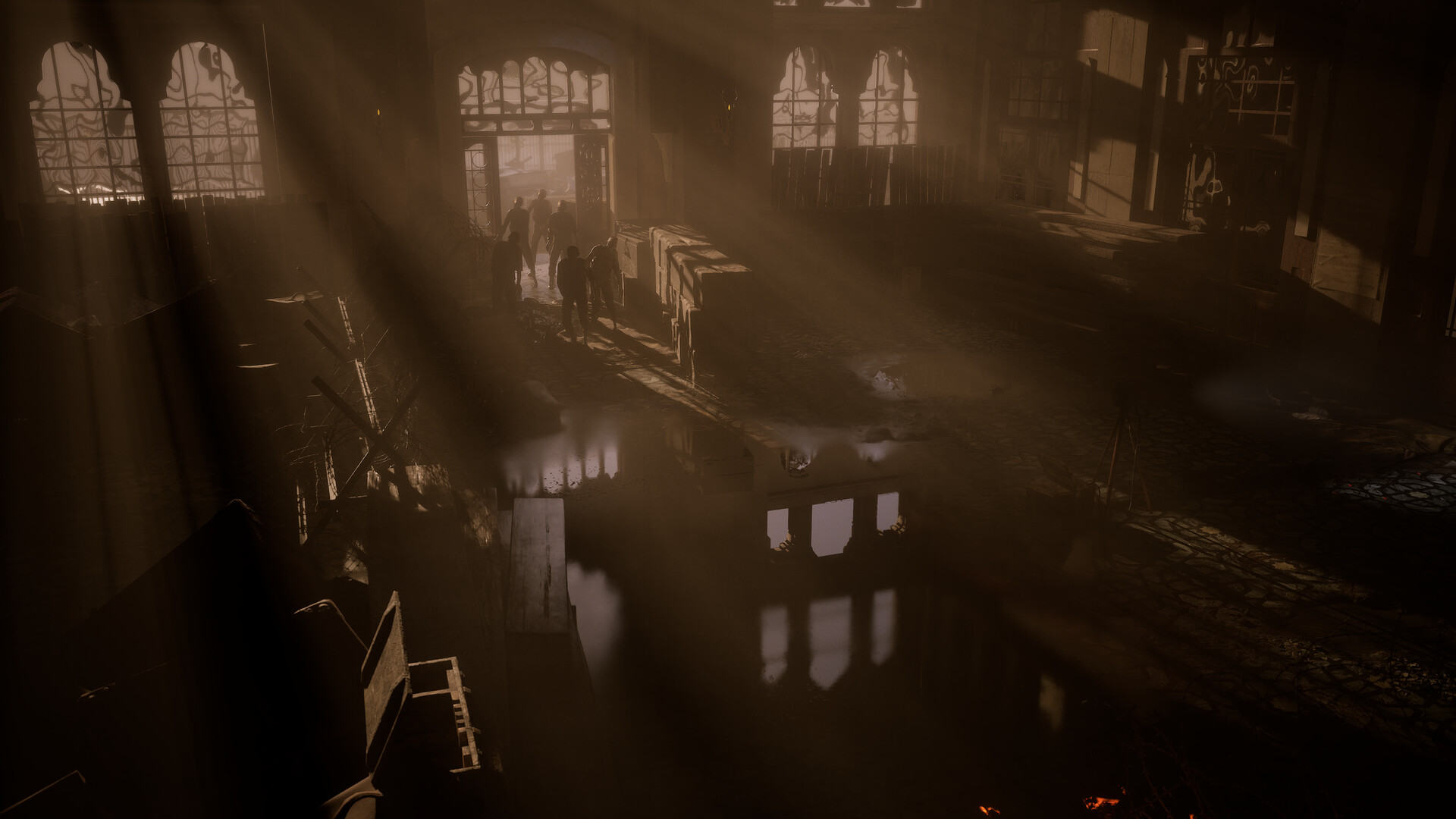
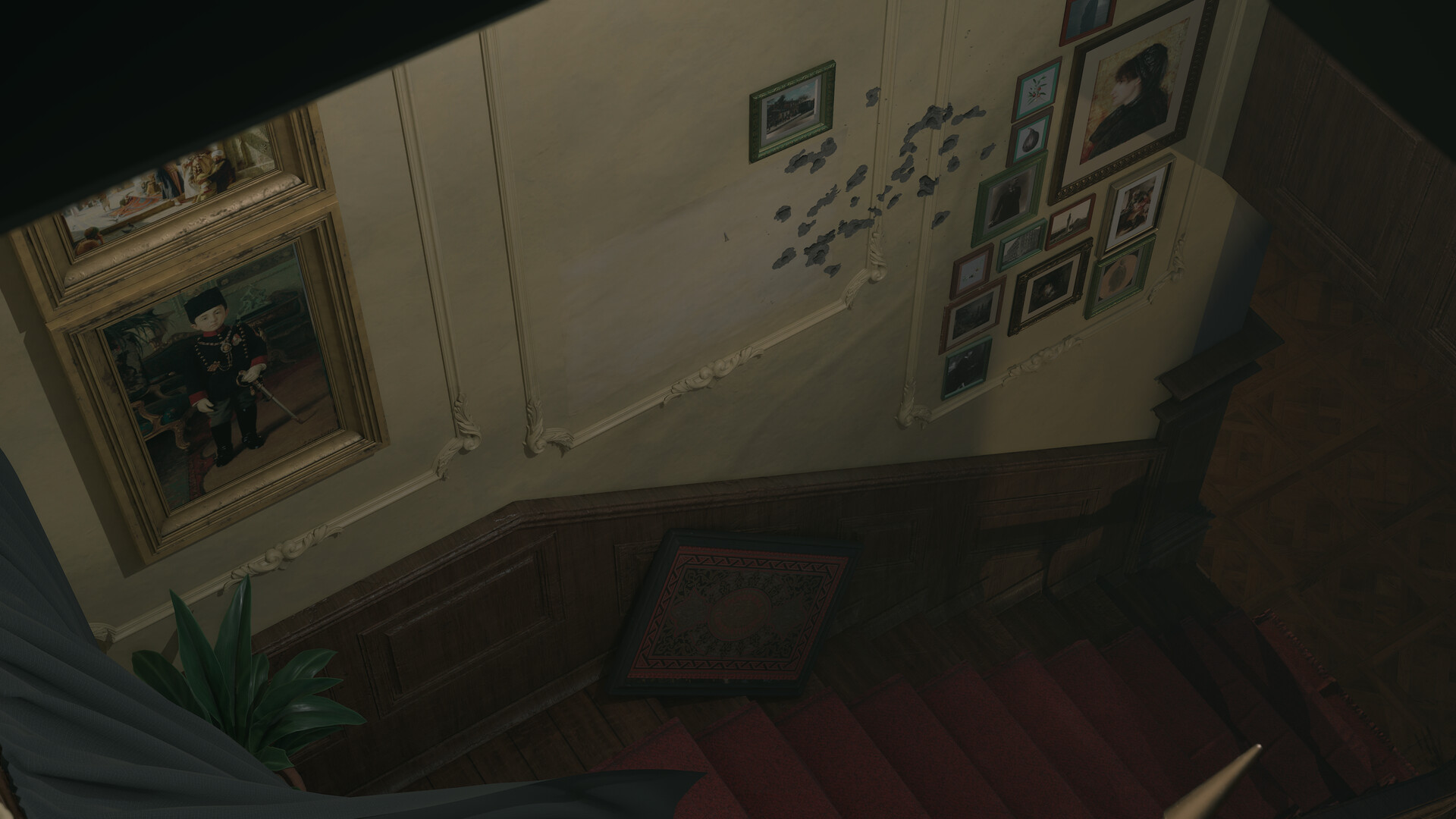
The Imperial Ottoman Bank. The Basilica Cistern. Galata's alleys, Sirkeci Station. Real locations from 1920s Istanbul, reimagined in an alternate history where a plague collapses the occupied city. Historical architecture turned nightmare. Flooded vaults, candlelit archives, stone corridors that once safeguarded an empire now hold only the infected.
Available Tables (0)
View available tables...Events Timeline
View full events timeline...Initial Release