Sketch Switch

About the Game
You draw. The AI reads it.
The only thing you do in this game is draw.
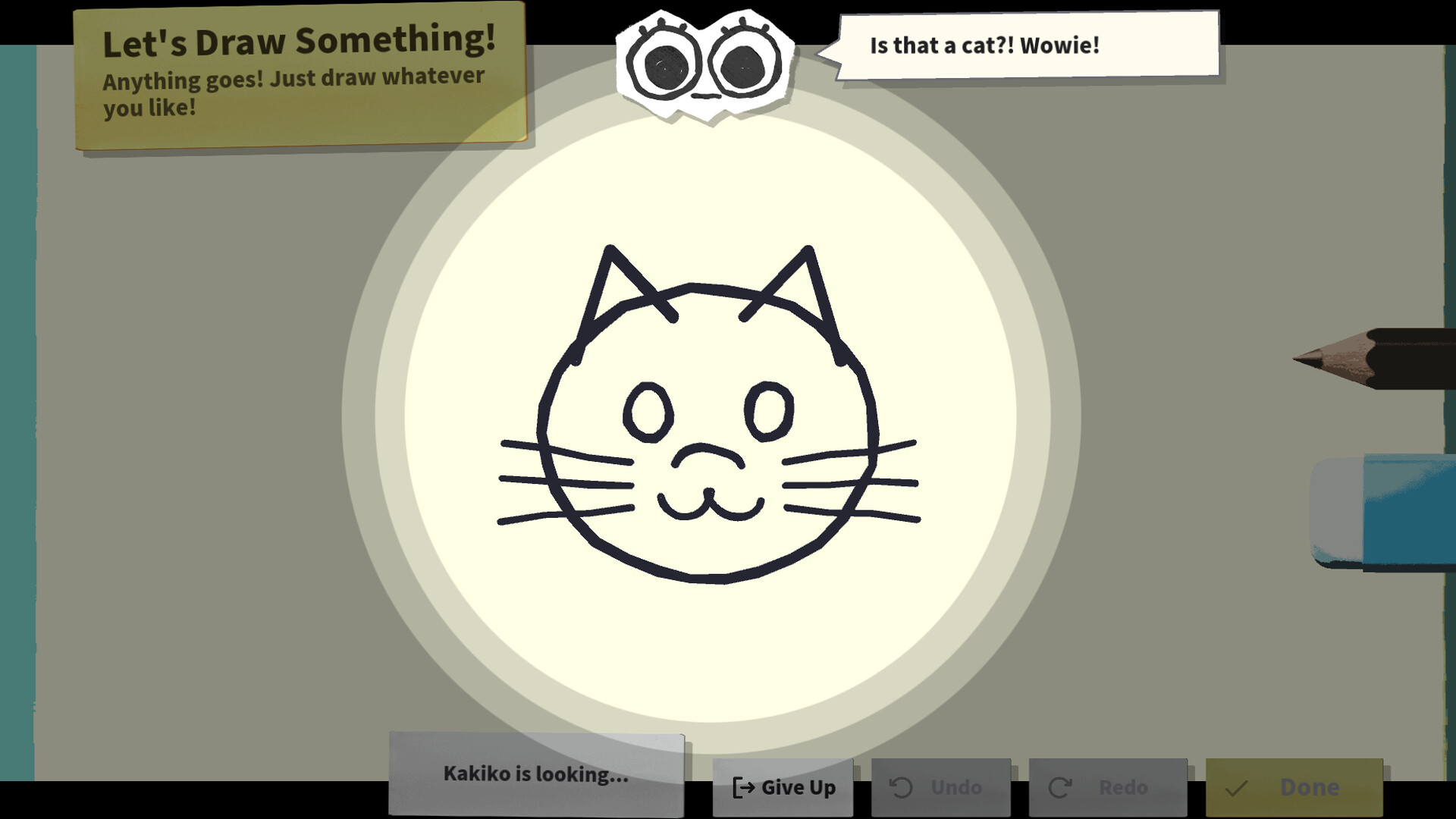
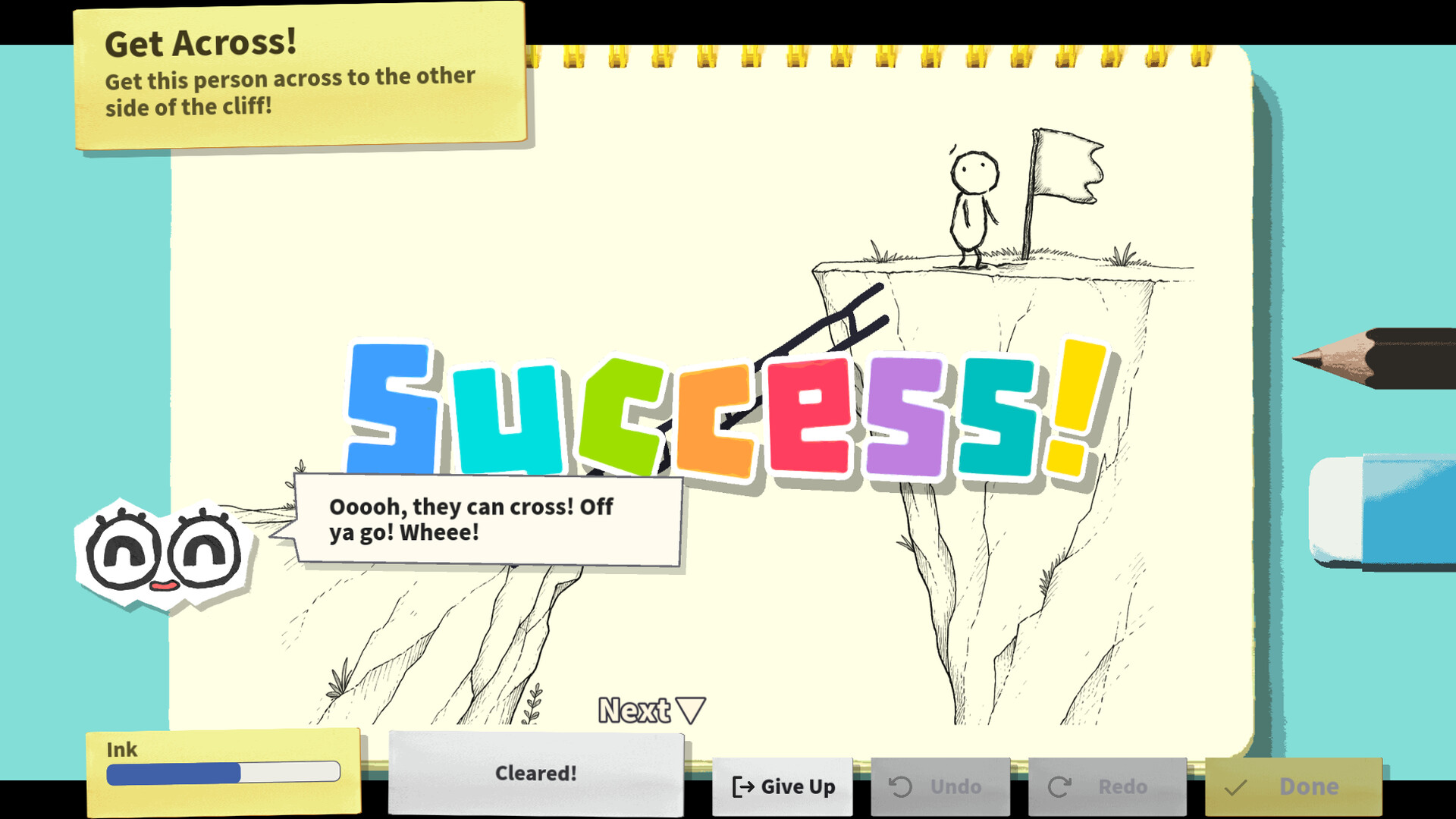
When you finish, a character named Kakiko leans in, looks at your drawing, and says out loud what it sees. Something like, "That's a DOG!"
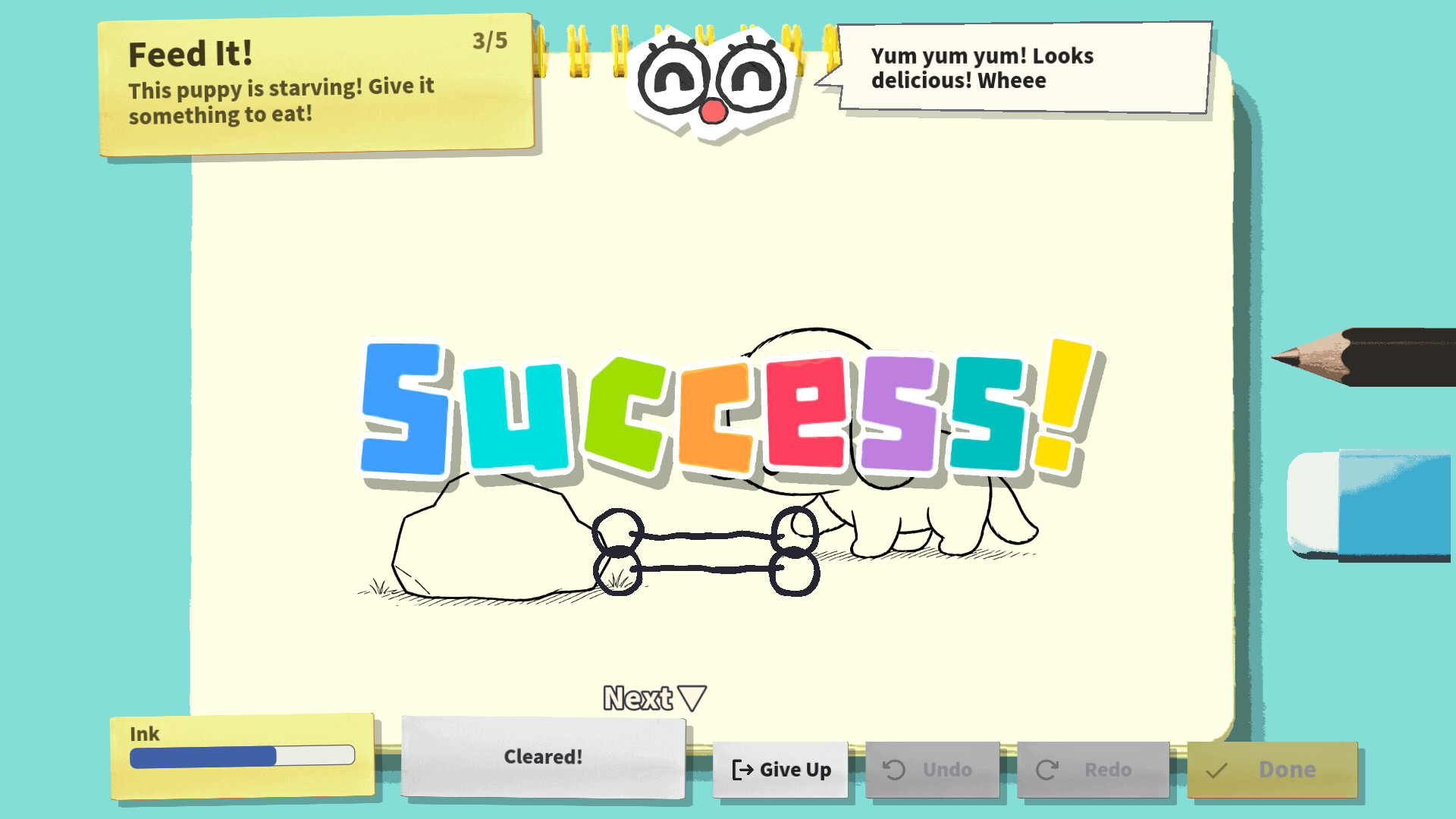
If Kakiko says it's a dog, then it is a dog. It doesn't matter whether you actually drew a dog. All that matters is what Kakiko saw.
So Kakiko gets it wrong. You draw a dog, and Kakiko says, "Is that a ROCK?!" Getting it wrong is part of the game.
You don't have to draw well!
Winning has nothing to do with drawing skill. A scribble made of three lines can read as "dog" when a carefully drawn one doesn't. Stick figures work fine.
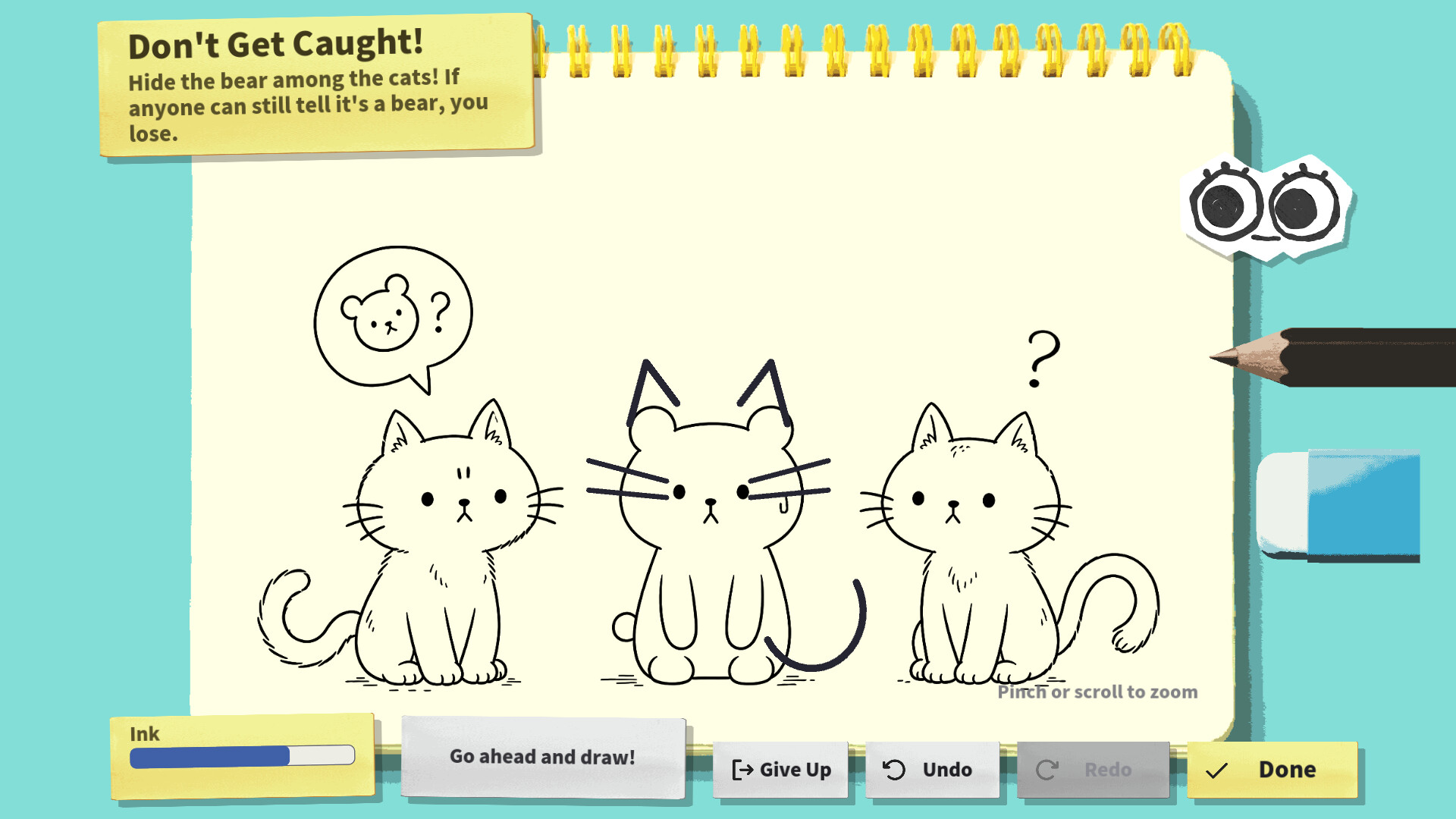
Add a pair of ears to a cat, and Kakiko might call it a dog. Working out how to draw something so it gets read the way you want — that's the heart of the game.
There's more than one way to play.
On your own (puzzle)
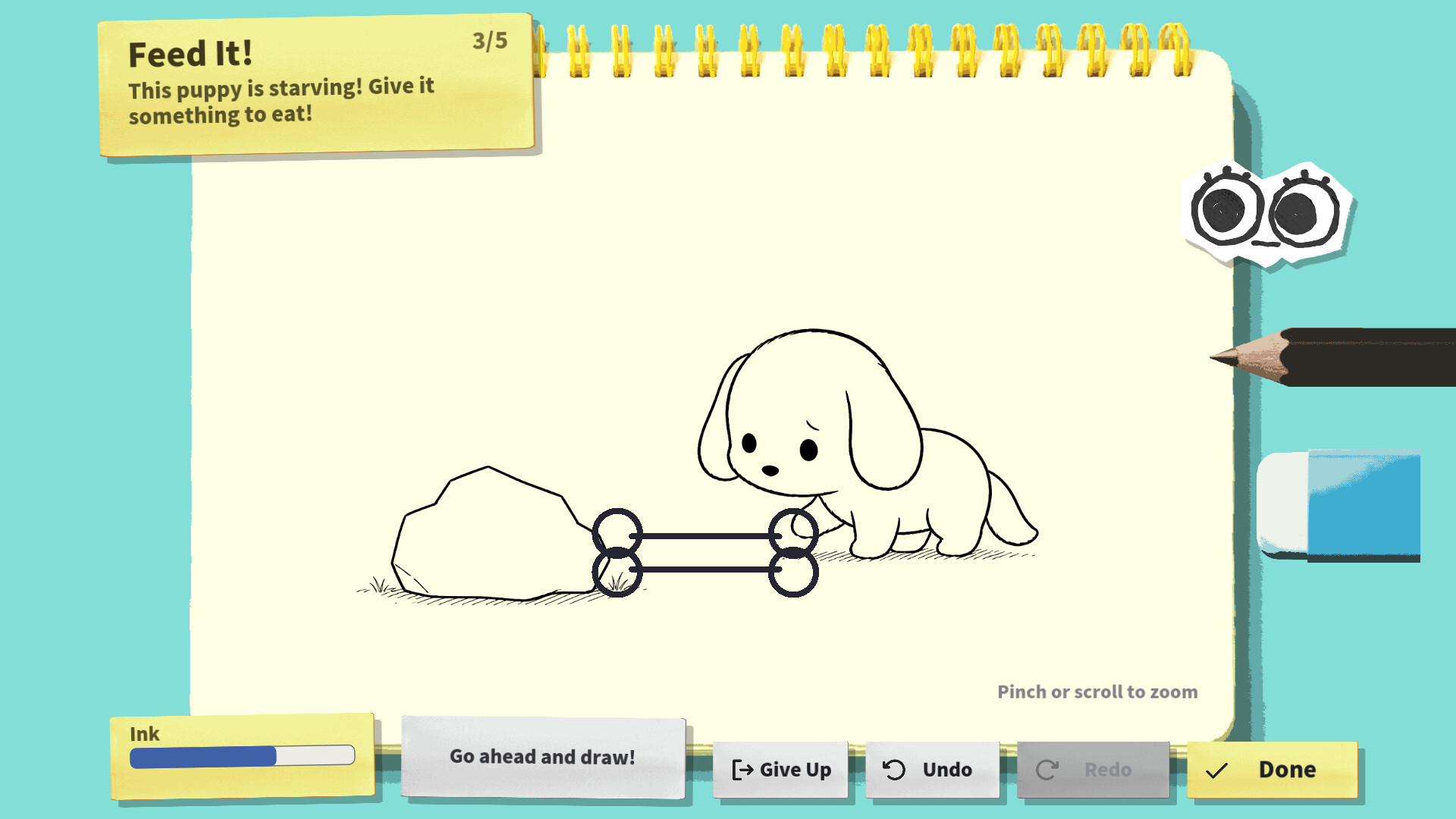
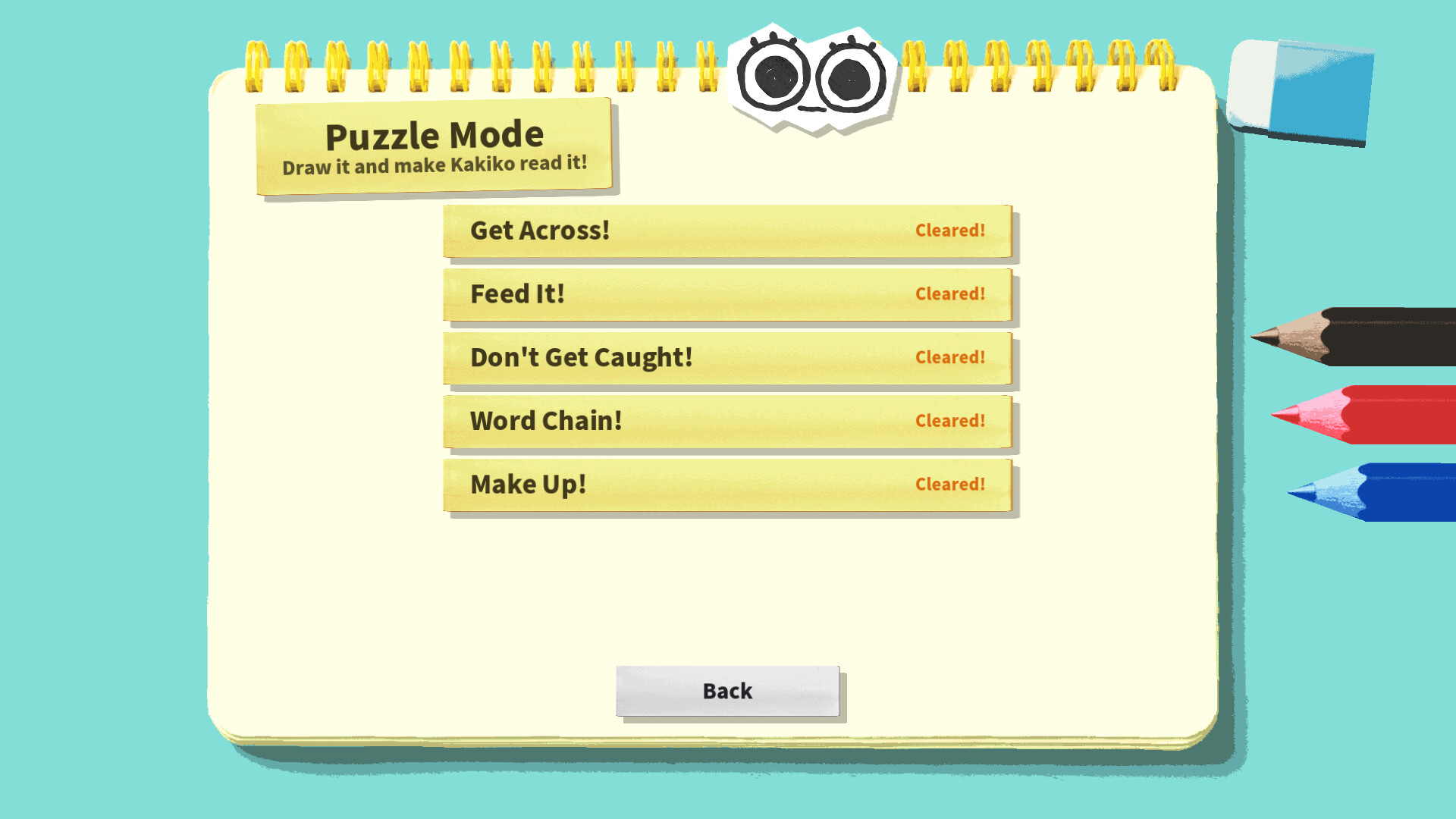
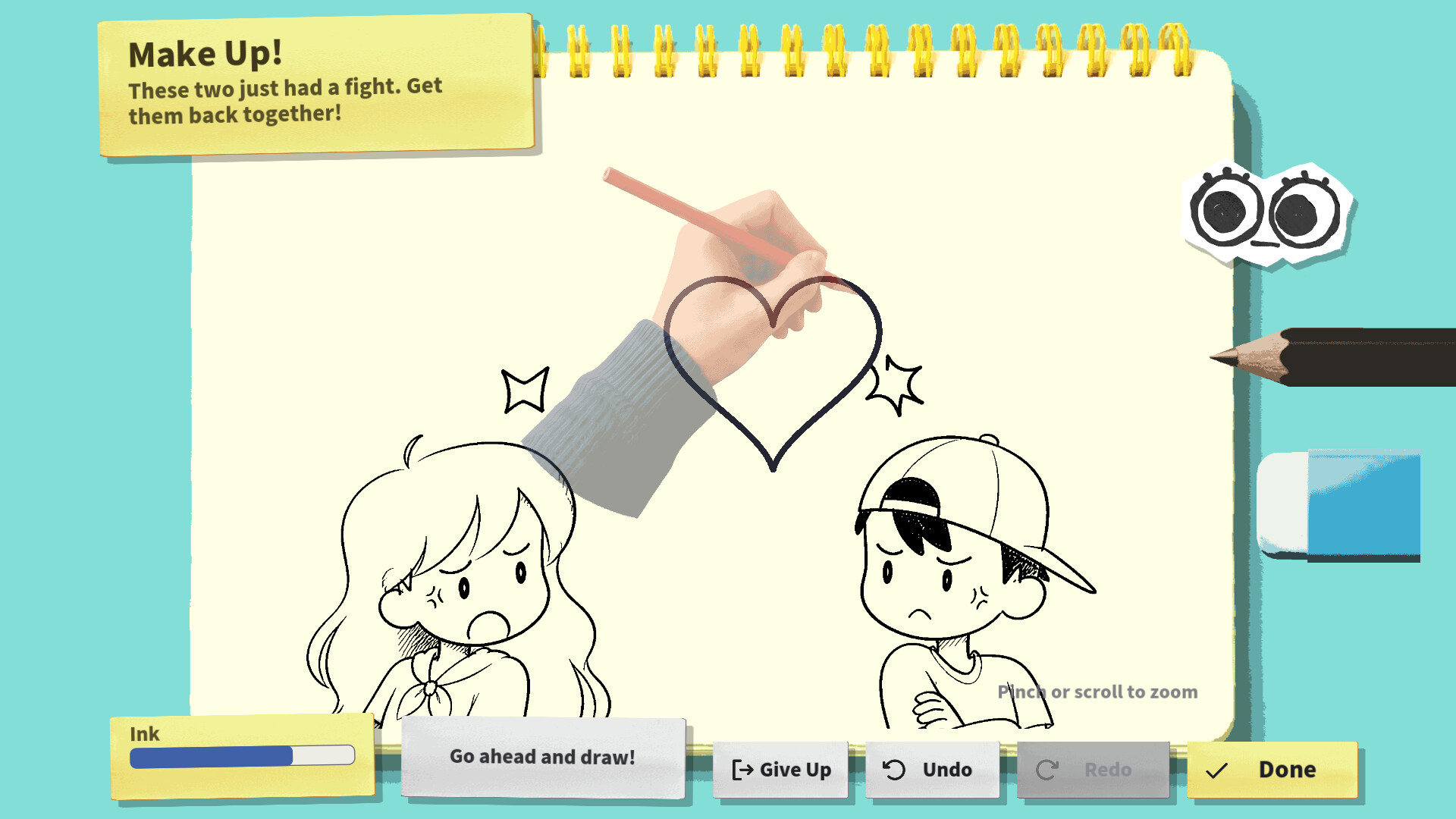
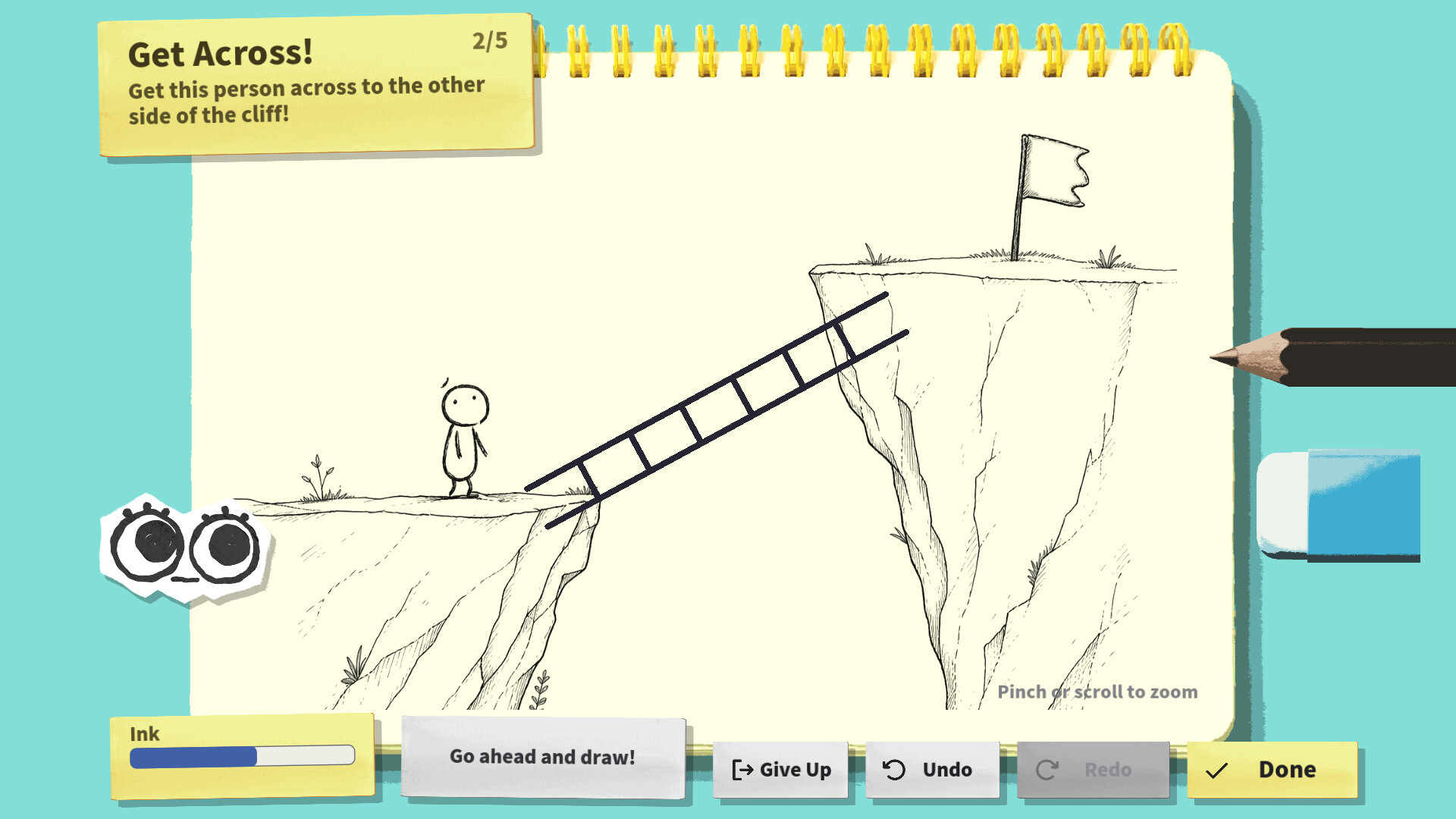
You're given a goal. For example: "This room is full of dogs, and one cat. Make Kakiko think the cat is a dog." Draw on some ears, add a tail, and if Kakiko says "dog," you've done it. If one try isn't enough, keep adding to the drawing. Each stage brings a new goal and a new world.
Together (versus)
Two or more players draw on the same sheet of paper at the same time. Each team gets a different goal. One side is told "Wreck the sea," the other "Protect the sea" — your goals don't line up. Every turn, Kakiko reads the whole sheet and calls out what just happened.
Together (co-op)
Nobody wins or loses. First, everyone draws their own character, and Kakiko gives each one a name. From there Kakiko becomes the narrator and carries the story along. When Kakiko asks for a bridge, everyone draws a bridge. Whatever you drew turns up in the next part of the story.
Available Tables (0)
View available tables...Events Timeline
View full events timeline...Initial Release