Surplus Value Simulator





About the Game
This game attempts to present a simplified, abstract simulation of capitalist society by modeling the trading, circulation, and transformation of elements such as surplus value, commodities, debt claims, equity, and land rights within a market.
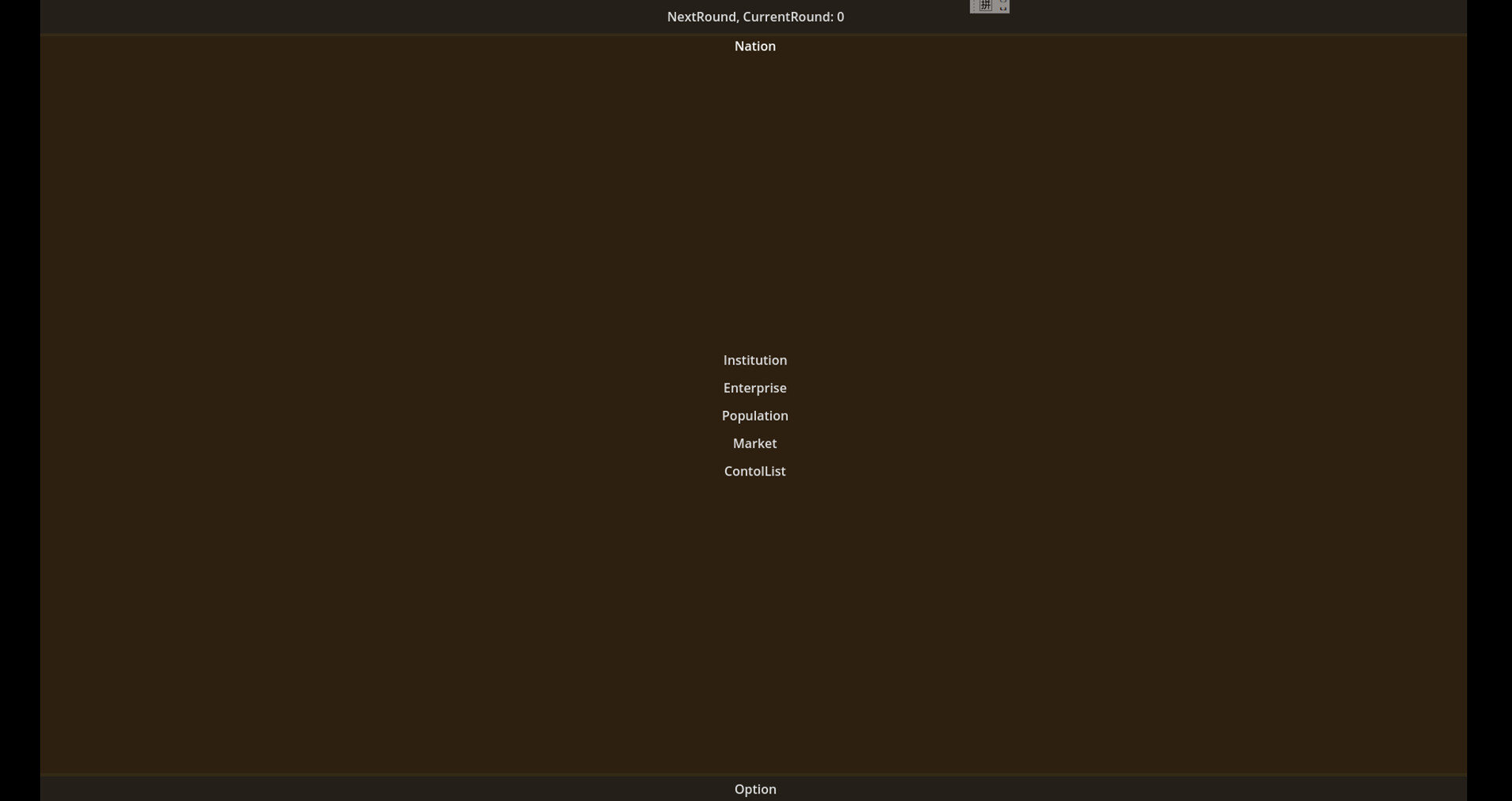
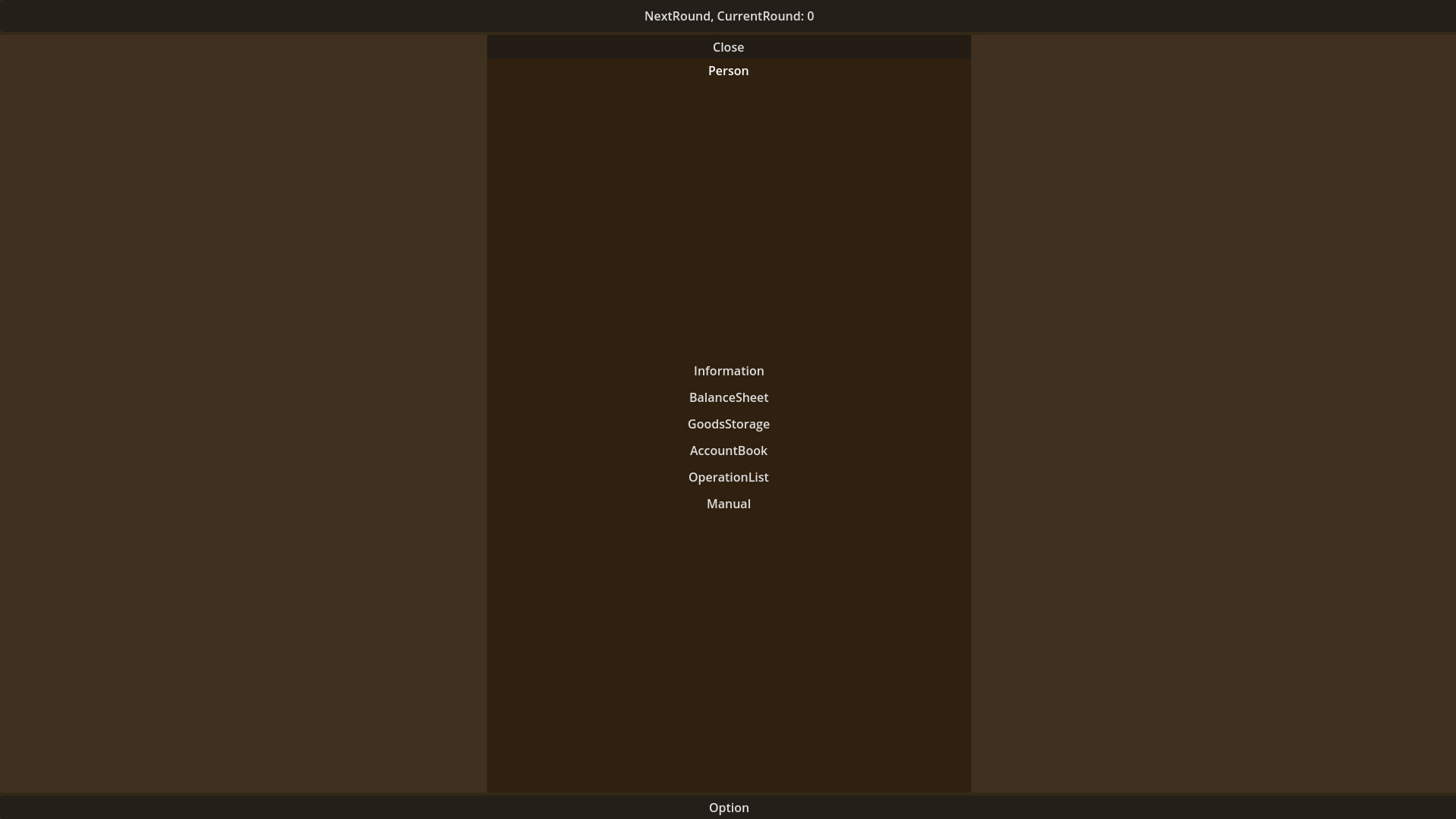
The game includes multiple economic units: the government, the central bank, commercial banks, enterprises, and residents. Each economic unit has its own independent balance sheet, storage, and a data panel corresponding to its unit type.
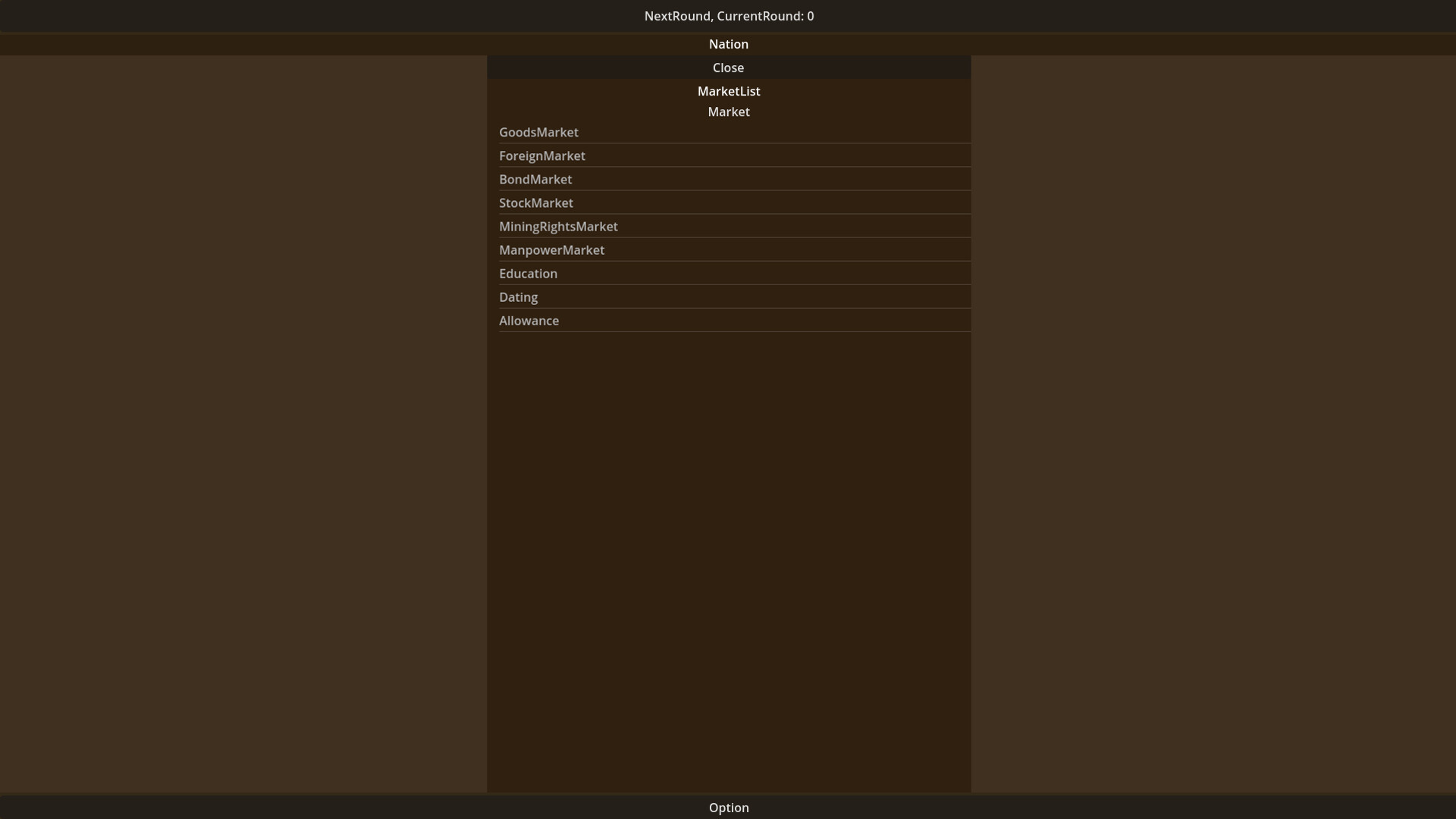
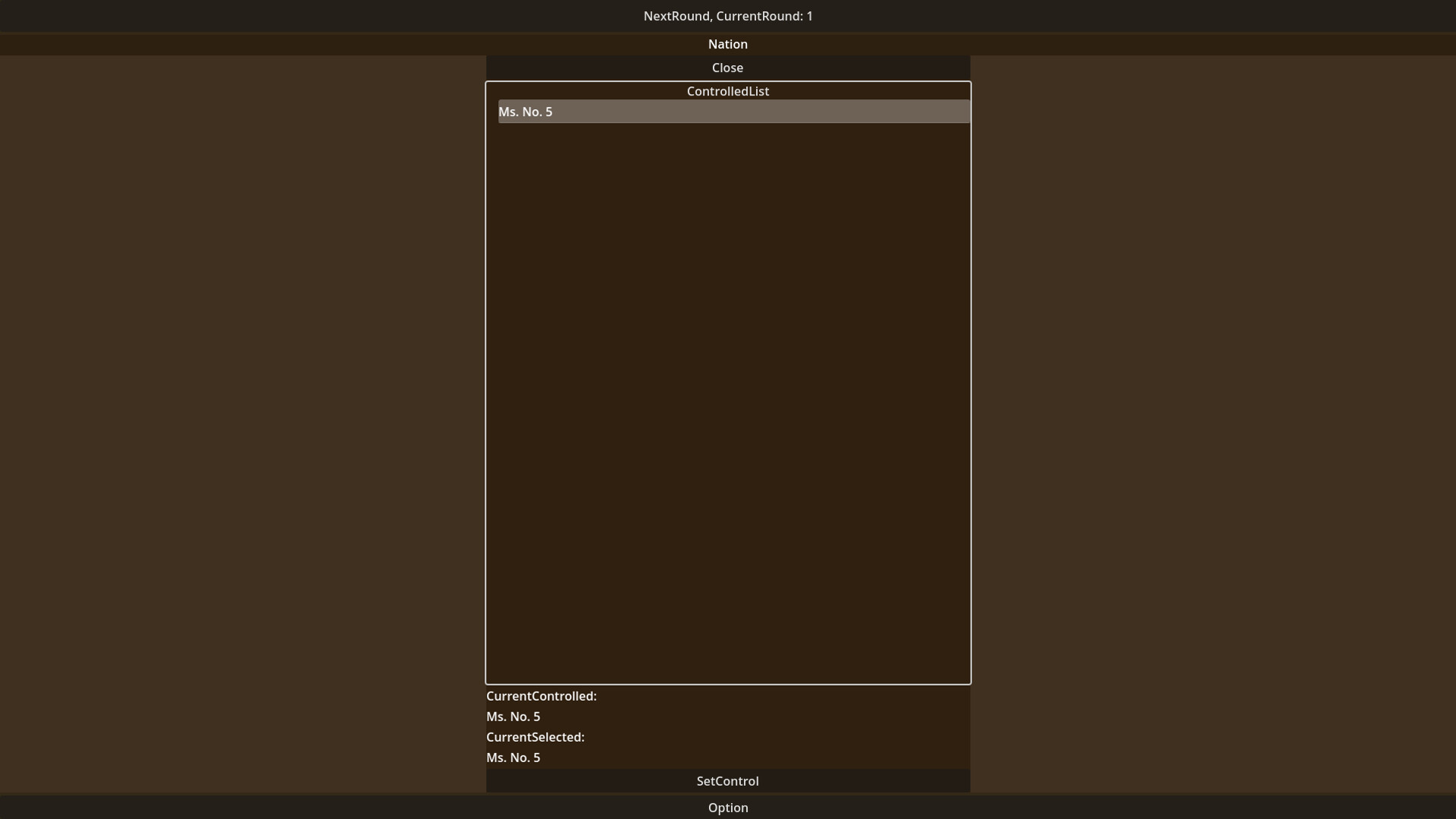
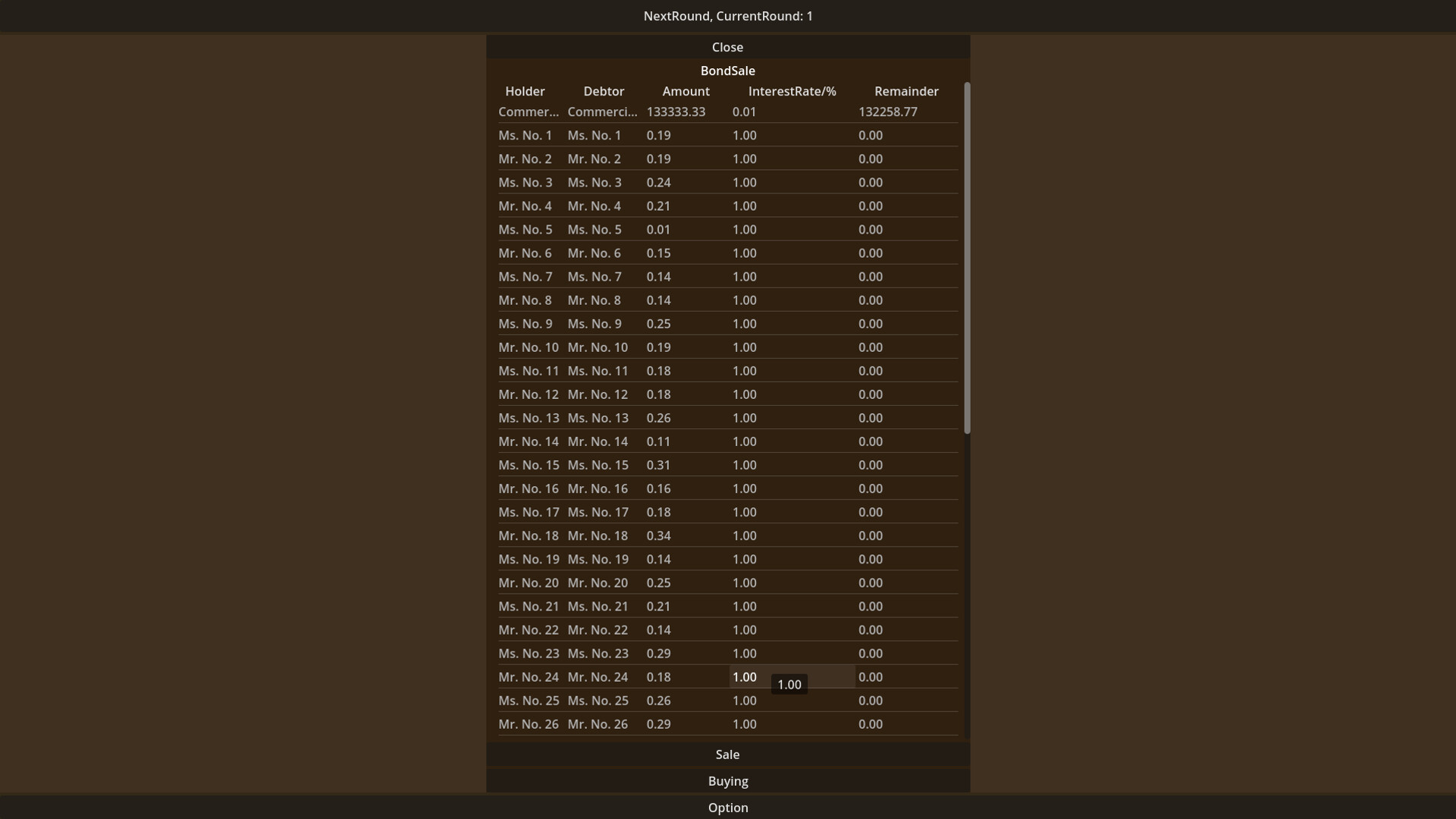
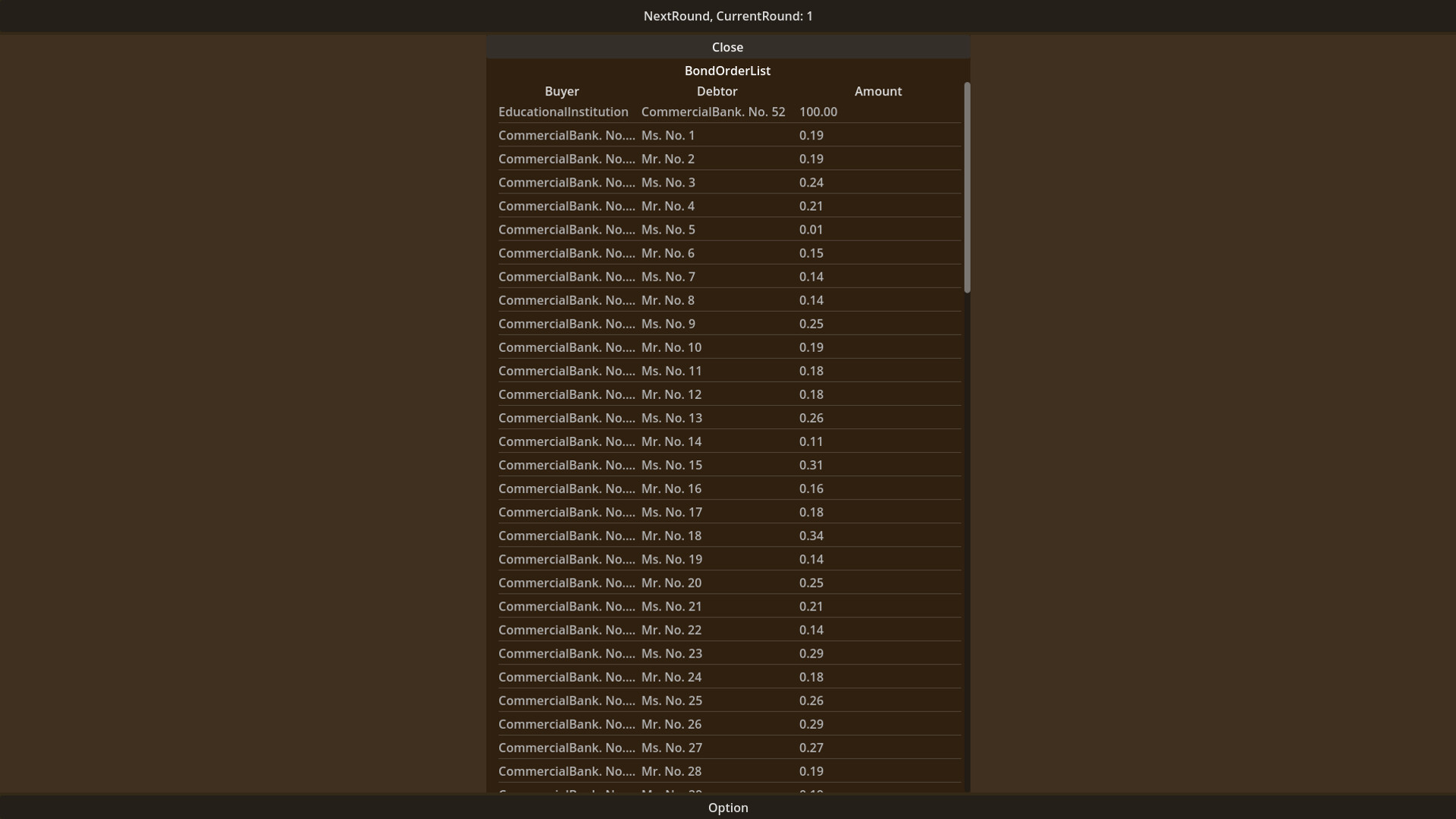
All economic units interact with one another through the market in areas such as labor, commodities, bonds, equity, education, and marriage. In each turn, every economic unit automatically generates the actions it will carry out in the next turn. Players can view these action lists, and may also select an economic unit to directly control, manually setting its action list.
In the game, each type of economic unit has its own functions, briefly described below:
Government: Responsible for setting tax rates for various taxes, including value-added tax, income tax, property tax, and tariffs; responsible for issuing government bonds and cooperating with the central bank and commercial banks to regulate the money supply; responsible for distributing aid to impoverished residents by purchasing aid applications on the market.
Central Bank: Responsible for setting the benchmark interest rate and the reserve requirement ratio; cooperates with the government to regulate the money supply through government bond transactions with commercial banks.
Commercial Banks: Founded by individual residents during game turns; responsible for taking deposits from enterprises and residents, providing credit, and cooperating with the government to regulate the money supply.
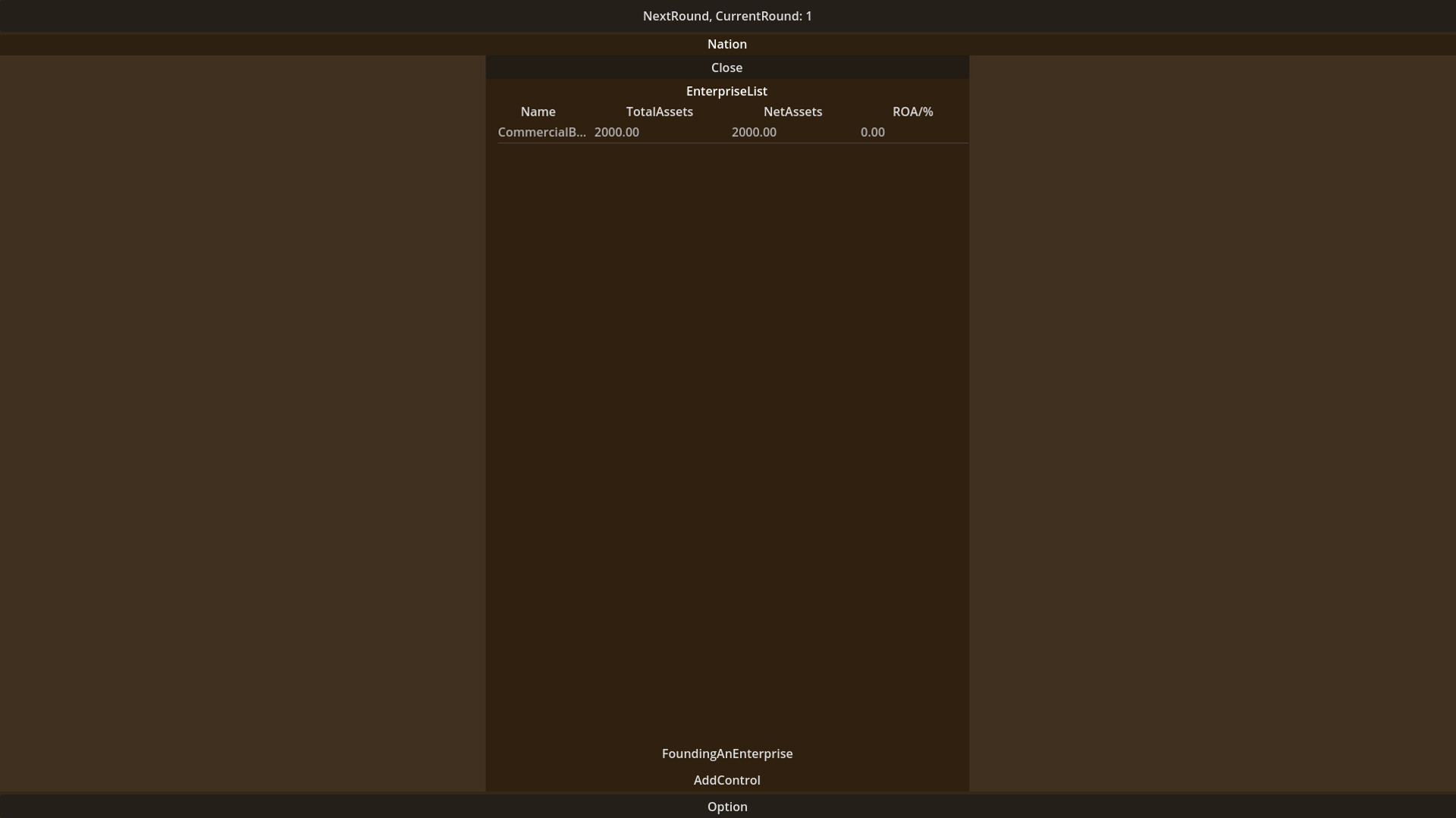
Enterprises: Founded by individual residents during turns; responsible for commodity production. They purchase raw materials, equipment, and labor on the market to carry out production activities and sell commodities on the market to earn profits.
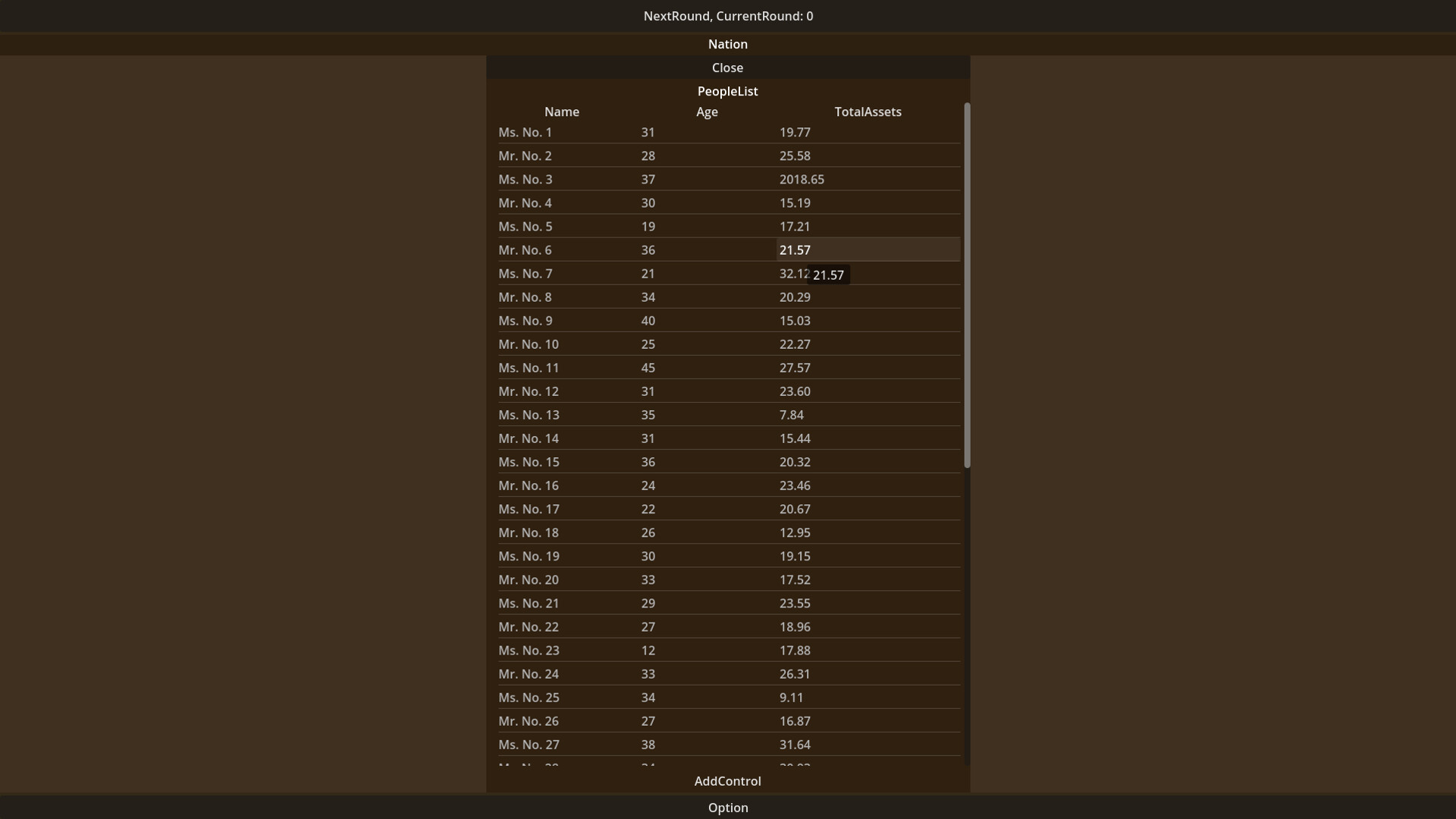
Residents: Composed of individual persons; resident units can establish enterprises and banks, sell labor on the market, and trade assets such as debt claims and equity on the market. Residents are also responsible for realizing the value of final consumer goods. Individual residents can produce offspring through marriage.
Educational Institutions: Responsible for producing educational resources and selling them to individual residents to enhance their labor capacity.
Available Tables (0)
View available tables...Events Timeline
View full events timeline...Initial Release