RadSpire
About the Game
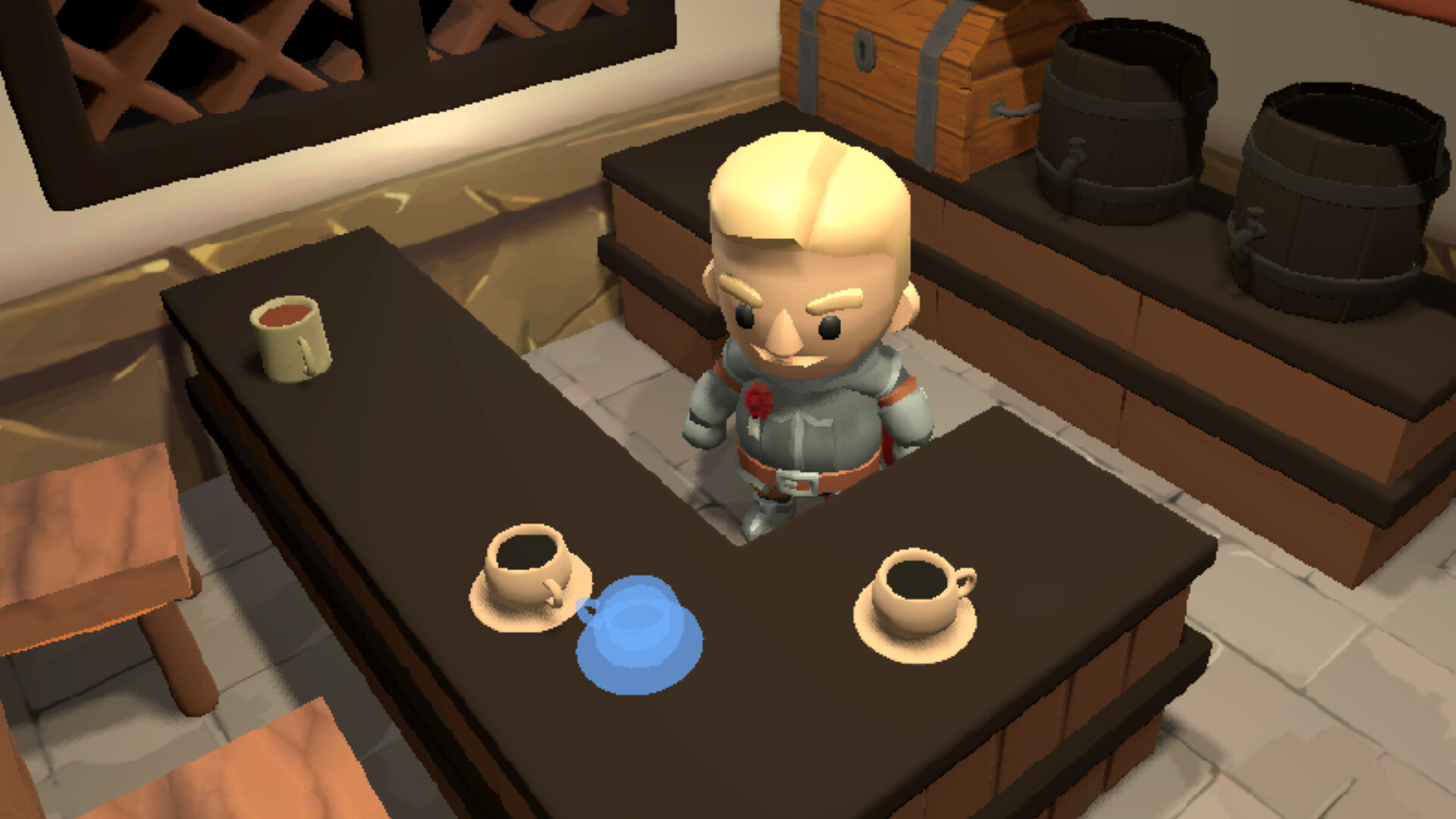
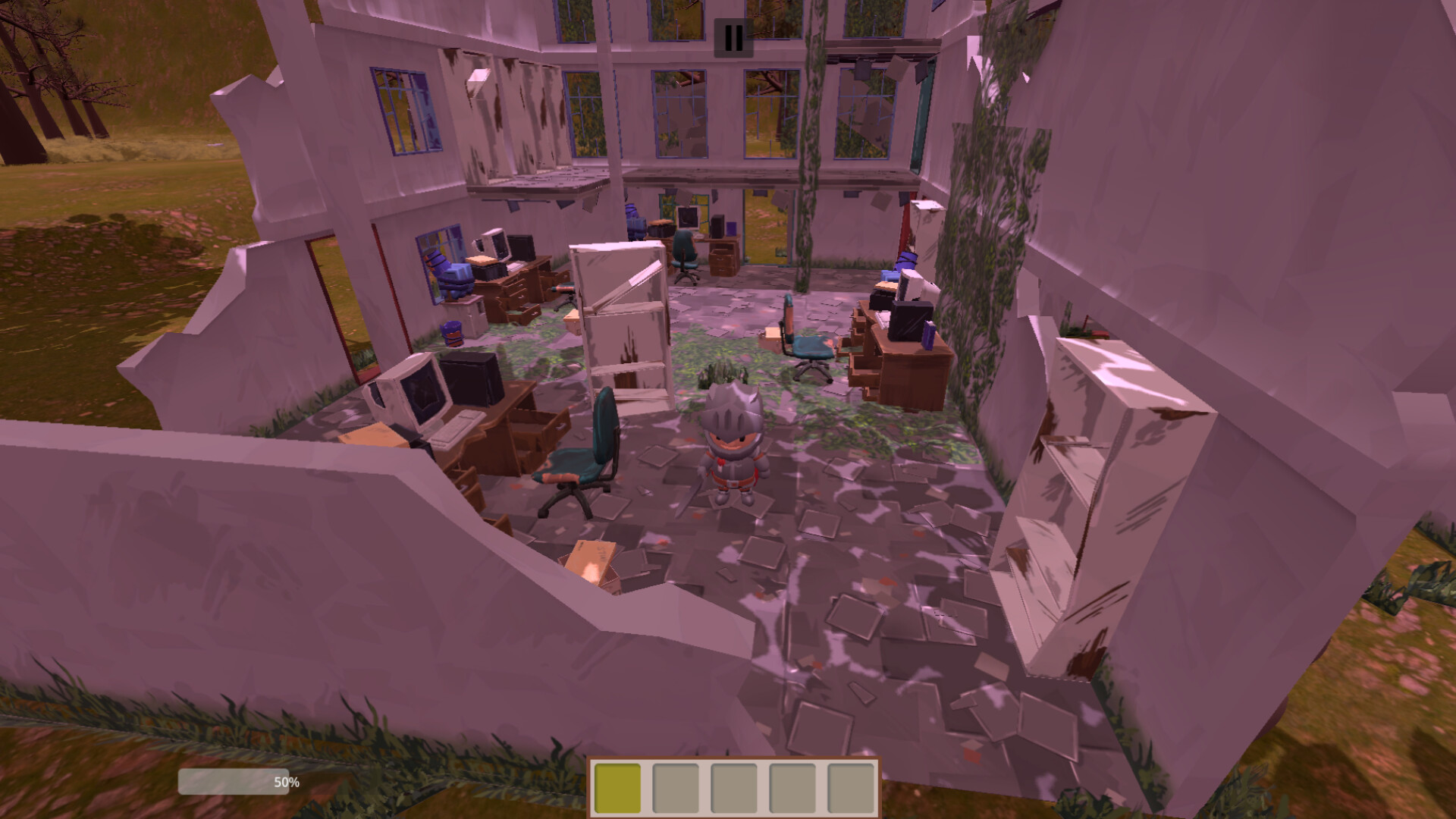
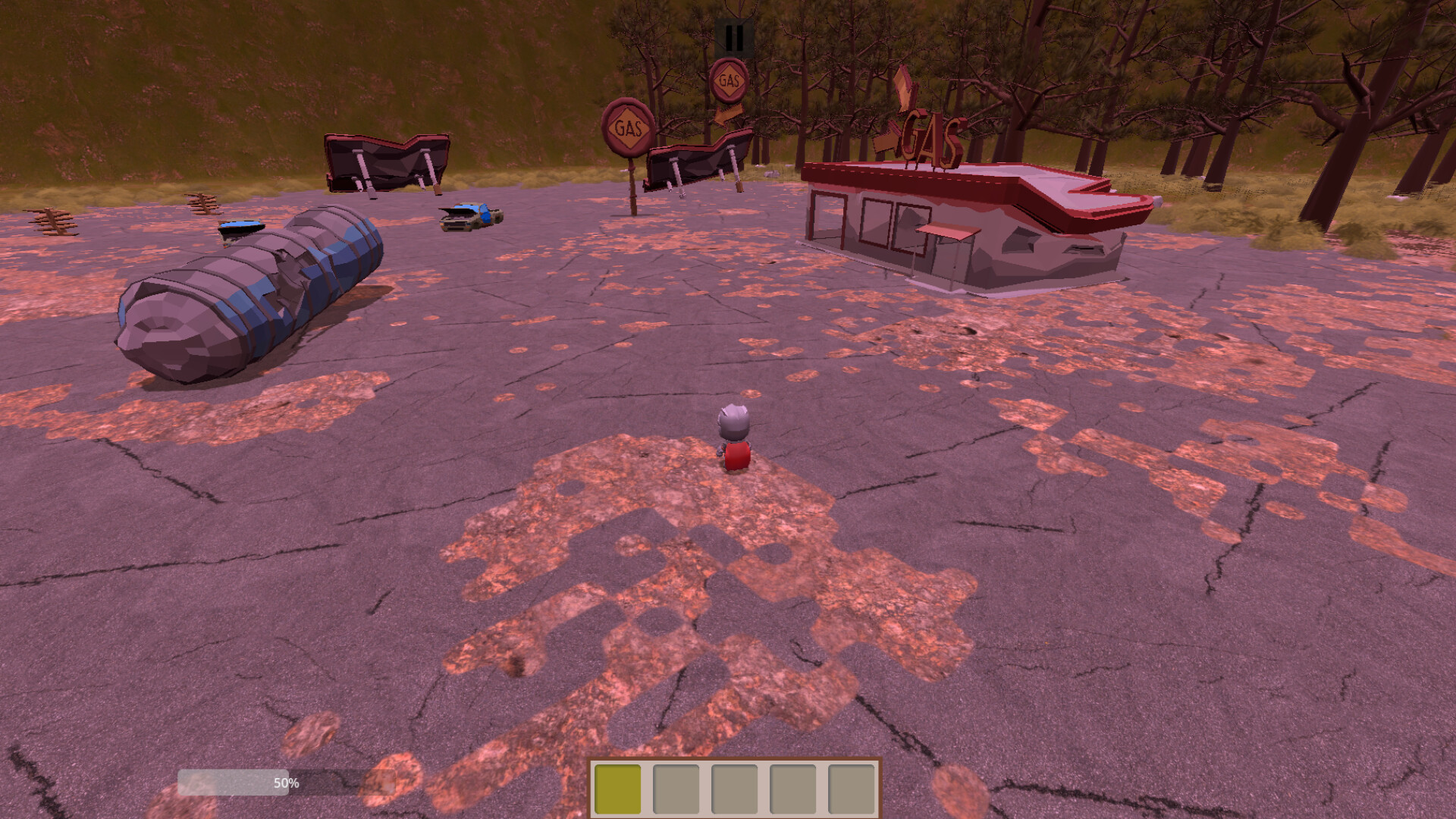
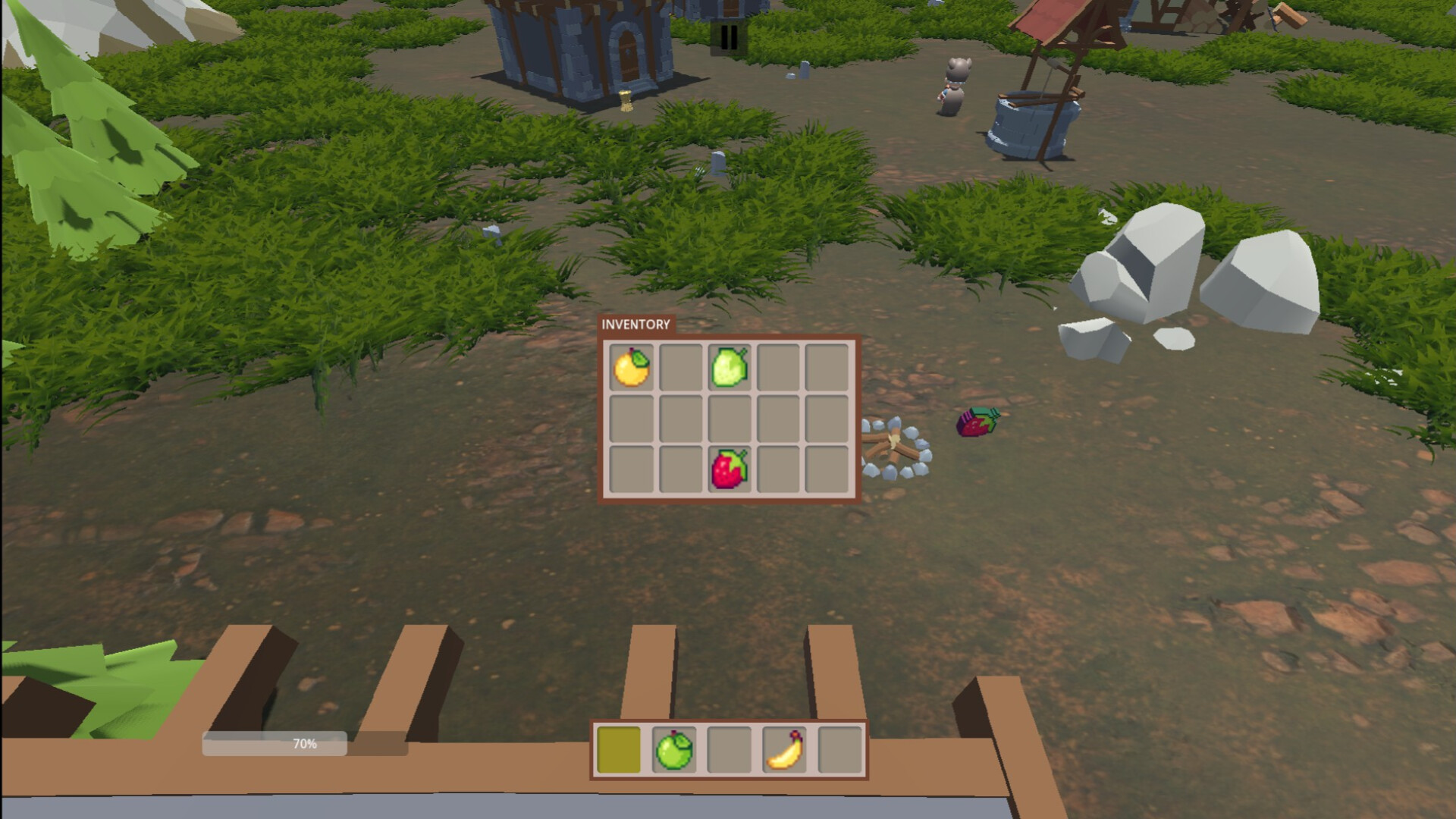
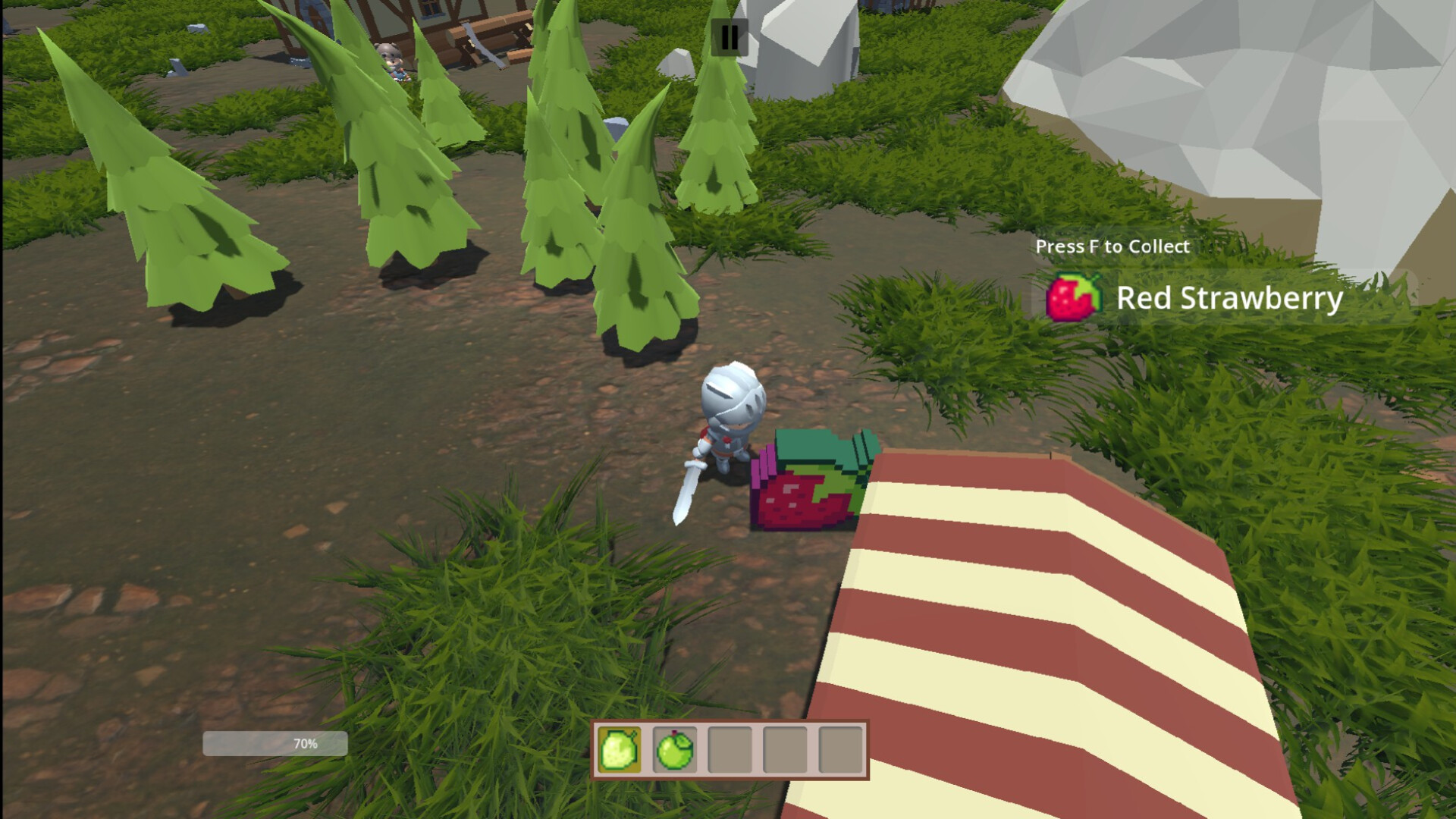
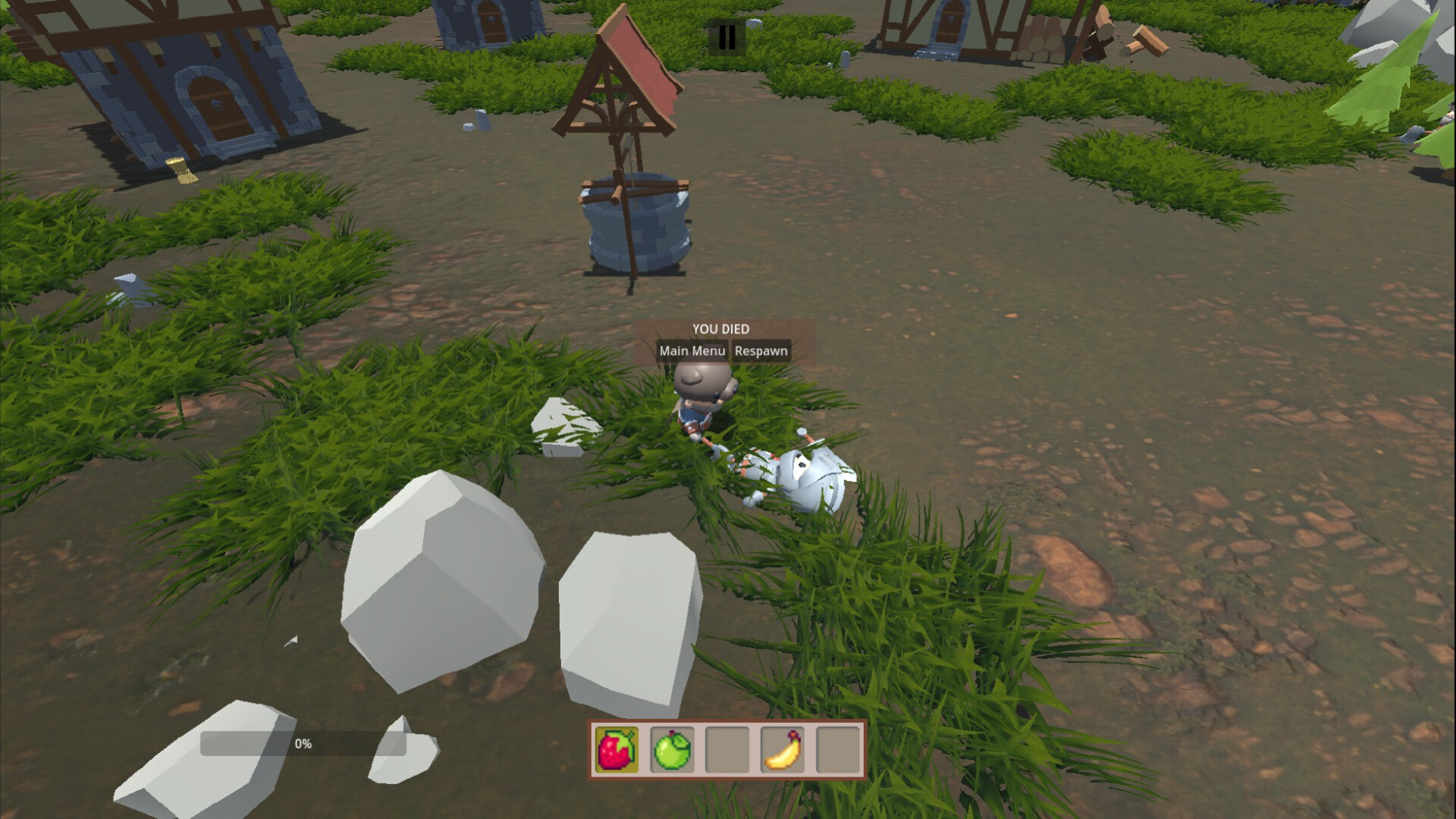
RadSpire is a 3D third-person post-apocalyptic survival adventure where futuristic remnant technology collides with unstable magic. You'll trek across a broken world, scavenging what you can, crafting what you must, and fighting to stay alive long enough to uncover what really happened.
Explore the shattered landscape and scavenge raw materials to forge the gear you need. Process ore into bars, smelt bars into components, and craft iron swords, shields, and armor from what you find in the ruins. Build storage and structures to secure your supplies as you push further out.
Survivors are out there too. Track down wanderers like Sera who have their own needs and their own knowledge of the wasteland. Help them and they'll help you back, offering gear, guidance, and quests that pull you deeper into the world's story.
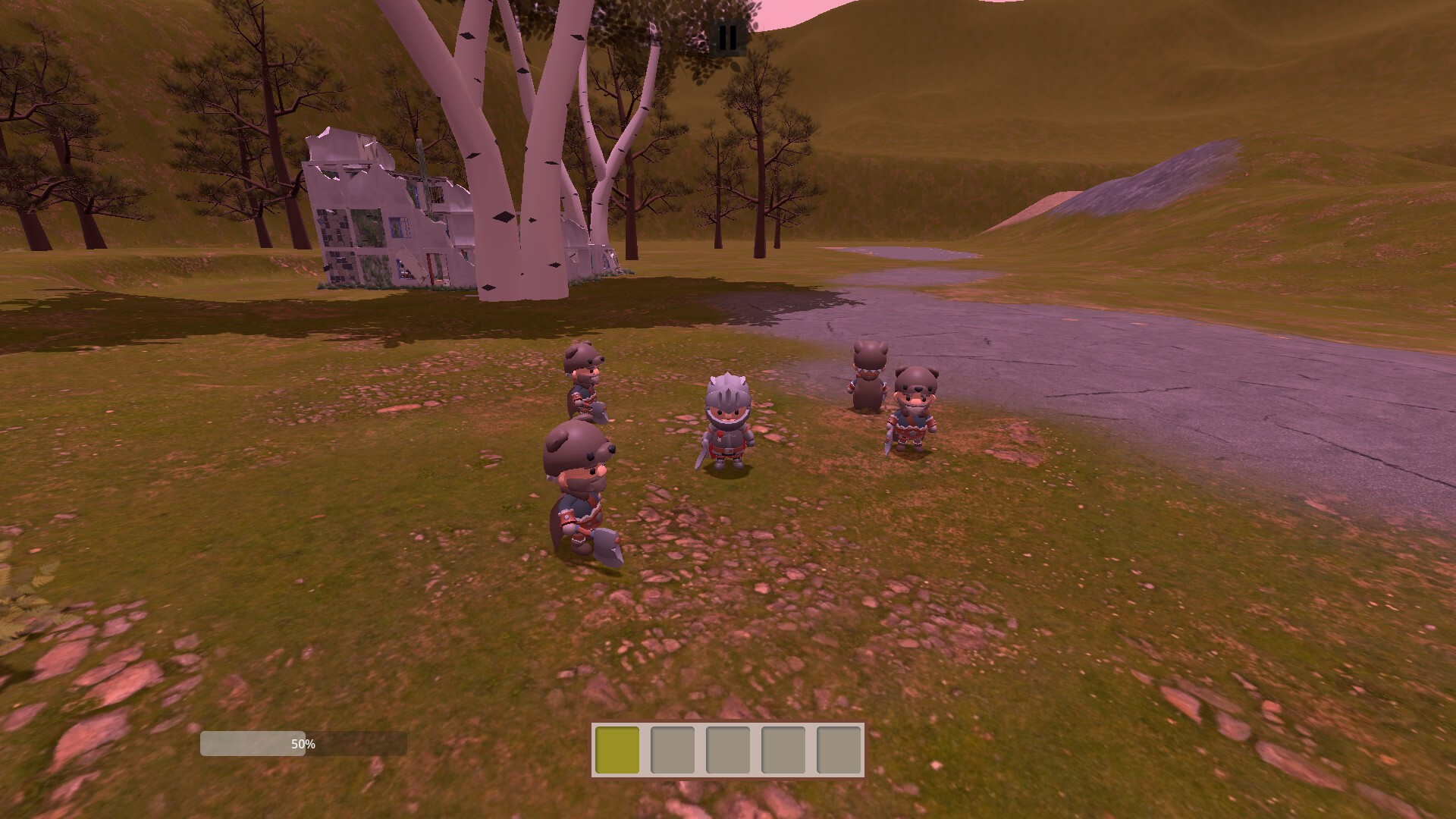
Danger waits at every turn. Enemies patrol the open world and taking them down is how you push forward, completing objectives, unlocking new quests, and slowly uncovering the truth behind what broke this world.
Your progress is yours to keep. A full save system lets you hold multiple save slots and autosaves when you leave, so you never lose ground. Your inventory, equipment, quest state, and settings all restore exactly as you left them.
Key Features
3D third-person exploration across a shattered post-apocalyptic world
Resource gathering and a multi-step crafting system for weapons, armor, and structures
Quest system with NPC dialogue, staged objectives, and branching progression
Recruitable survivors with their own questlines and rewards
Enemy encounters tied to quest progression
Full save system with named slots and autosave
Persistent settings across sessions
Disclosure
This is a CS 426 Senior Project in Computer Science, Spring 2025, at UNR, CSE Department
Team Number: 15
Instructors: David Feil-Seifer and Vinh Le
External Advisor: Mason Haines (UNR CSE Student)
Reference Articles
[1] Institute of Electrical and Electronics Engineers, IEEE Std 830-1998: Software Requirements Specifications, 1998.
[2] Institute of Electrical and Electronics Engineers, IEEE Std 1012-2016: Verification and Validation, 2017.
[3] David Charles Milam, “Game Design Framework Based on Visual Attention,” Journal of Visual Literacy, 2021. Problem Domain Book
[4] George T. Heineman & William T. Councill, Component-Based Software Engineering, Addison-Wesley, 2001. Project Guidelines & Standards
[5] World Wide Web Consortium, WCAG 2.1 Guidelines, 2025. Development & Platform Documentation
[6] Godot Engine, Official Documentation.
[7] Valve Corporation, Steamworks Documentation.
[8] GitHub, GitHub Documentation.
Available Tables (0)
View available tables...Events Timeline
View full events timeline...Initial Release