商道逐权 Pursuit of Mercantile Power

About the Game
Pursuit of Mercantile Power is a game where you can leverage the entire village’s cash flow to buy out the whole village.No money spawns. Control the village’s cash flow, buy shares, and take over the village.
You begin as an ordinary commoner—making your start through escort missions—then move on to join the Commerce Guild, submit proposals to the Bank, expand farmland, and even take office in the Government.
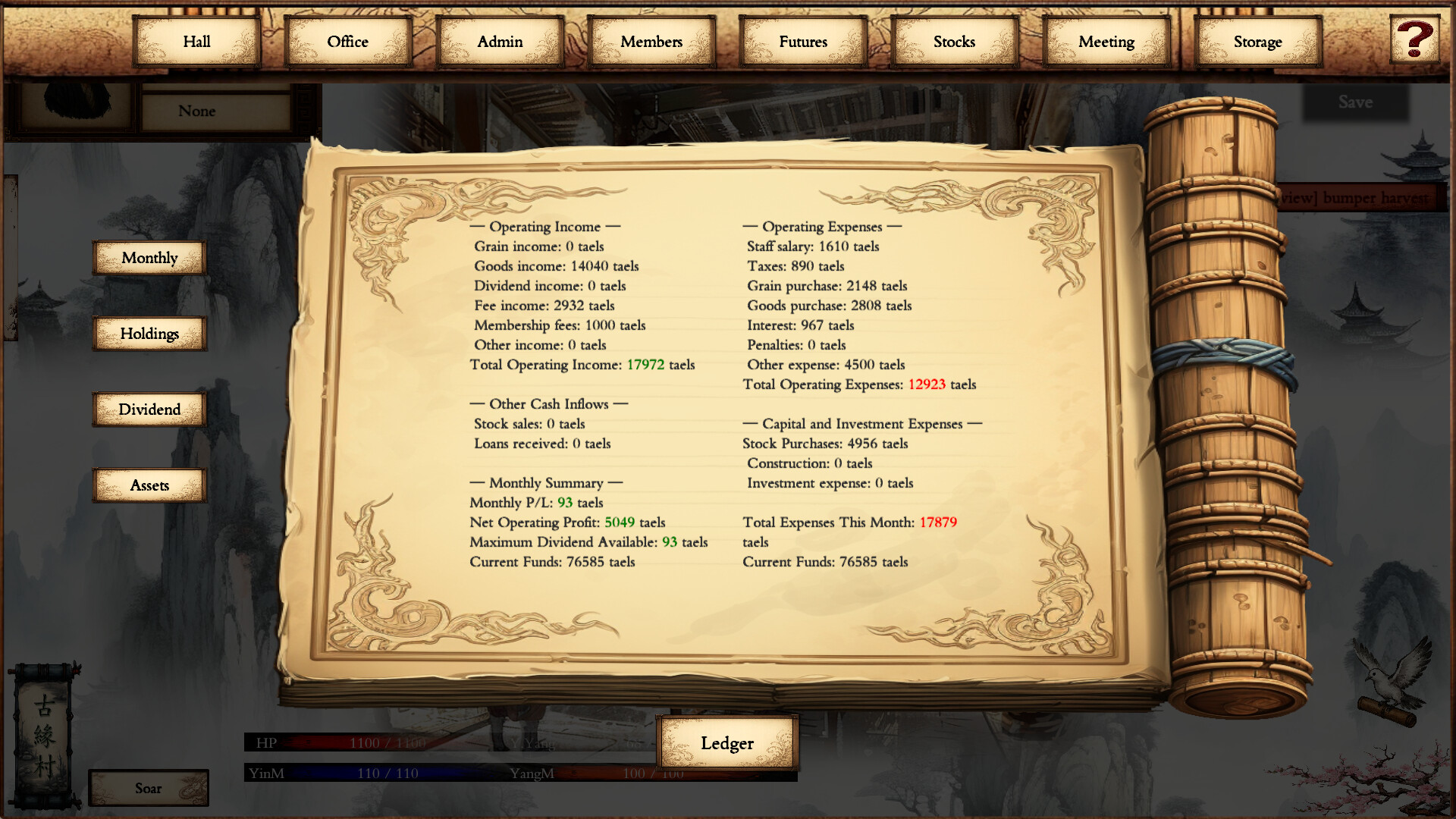
Tax rates, wages, food, and population movement all affect one another, causing the village’s cash flow to rise and fall accordingly.
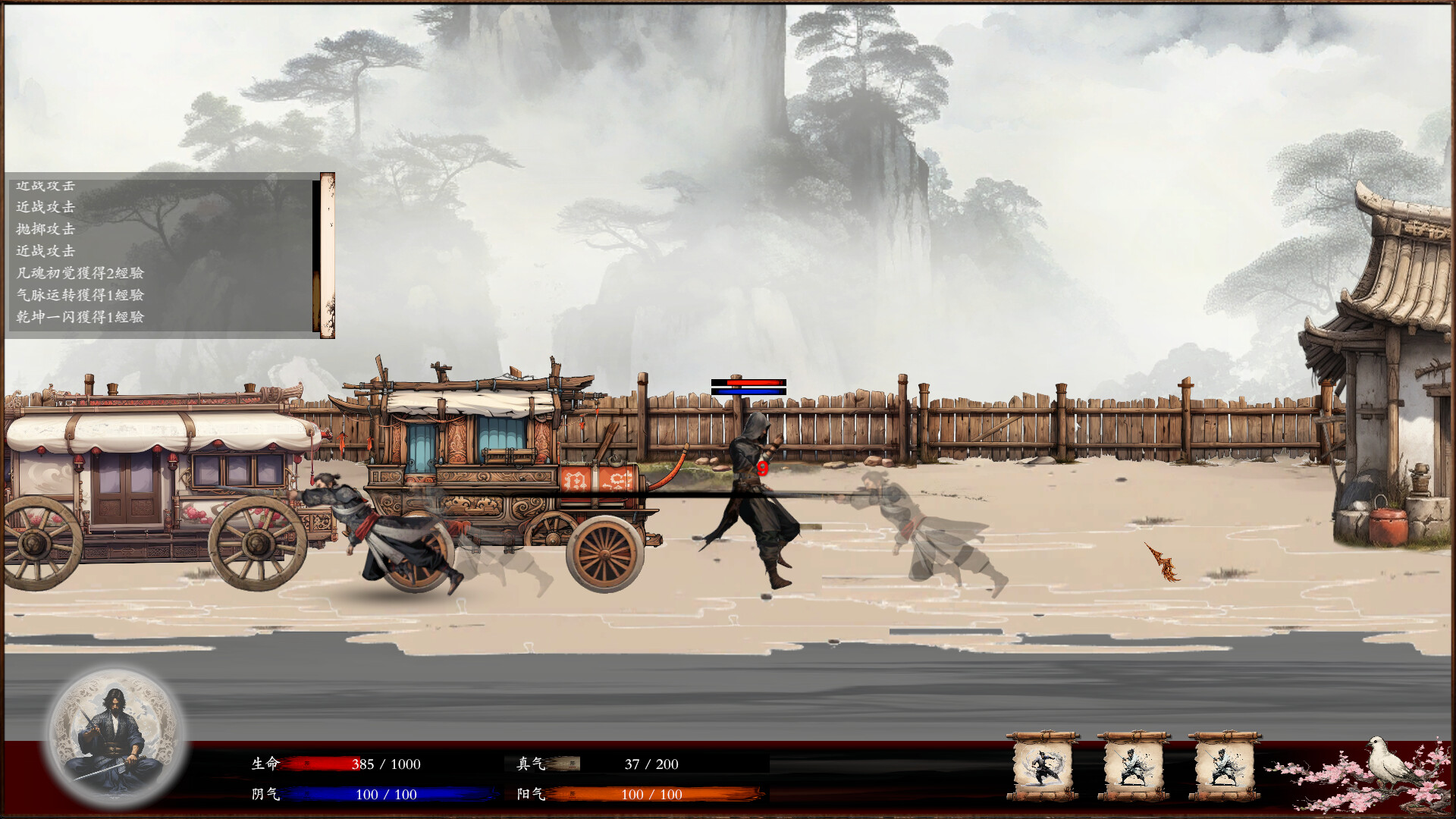
Escort Combat — Build Your Strength
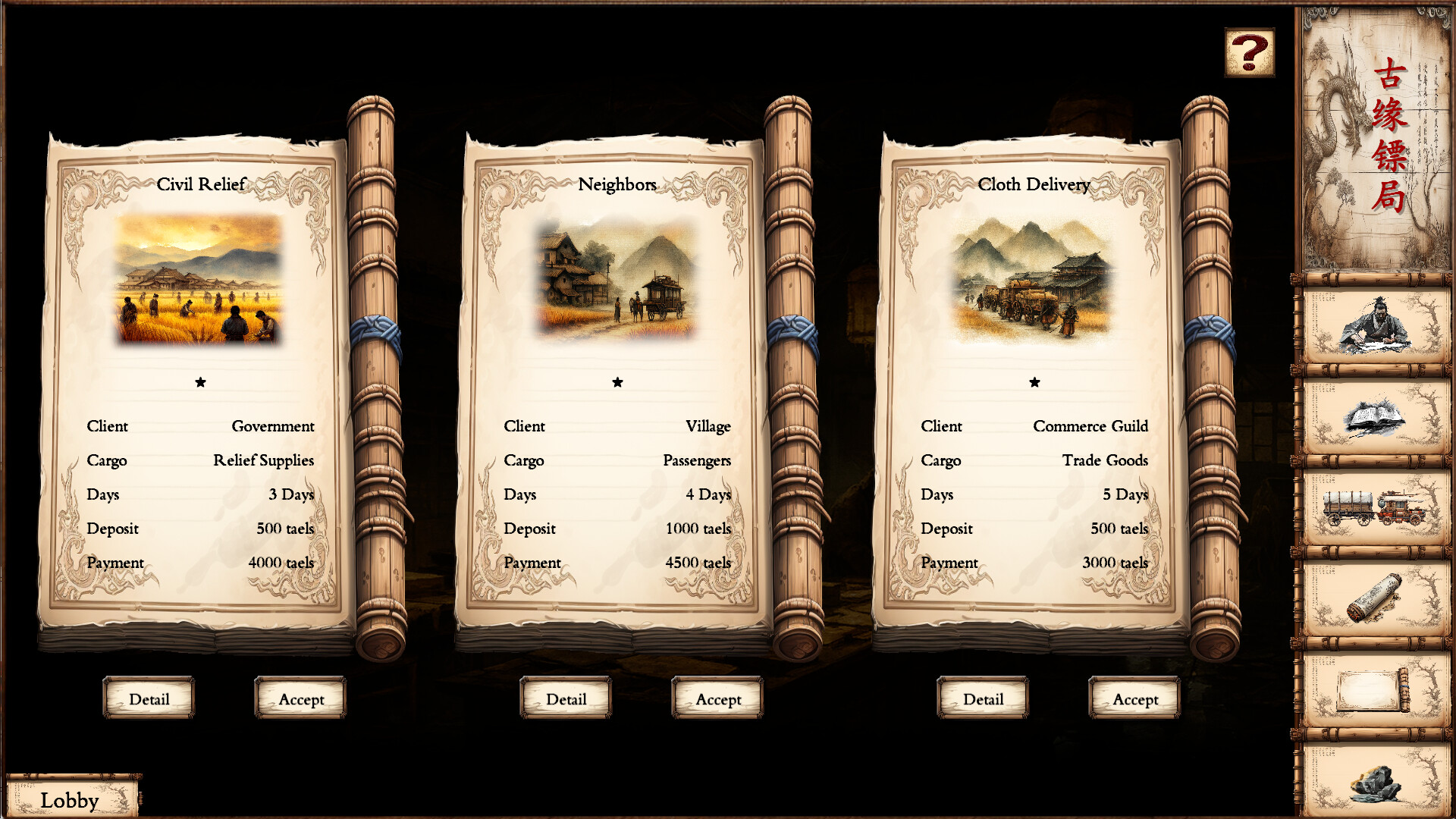
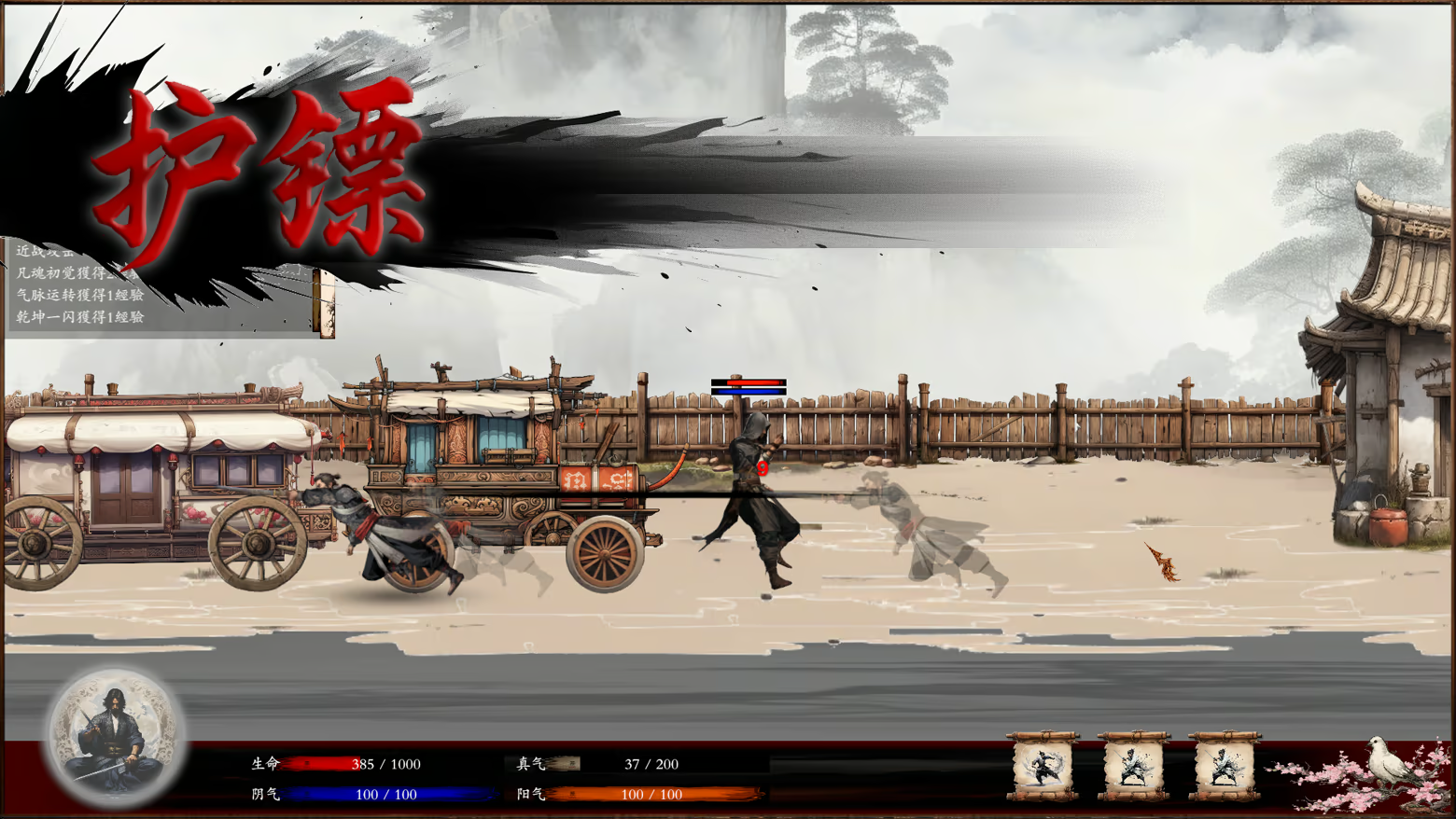
The Escort Agency is your starting point. By running escort missions, you improve combat ability and build wealth.
Upgrade the agency to unlock better missions, and build stronger escort carts to meet mission requirements.
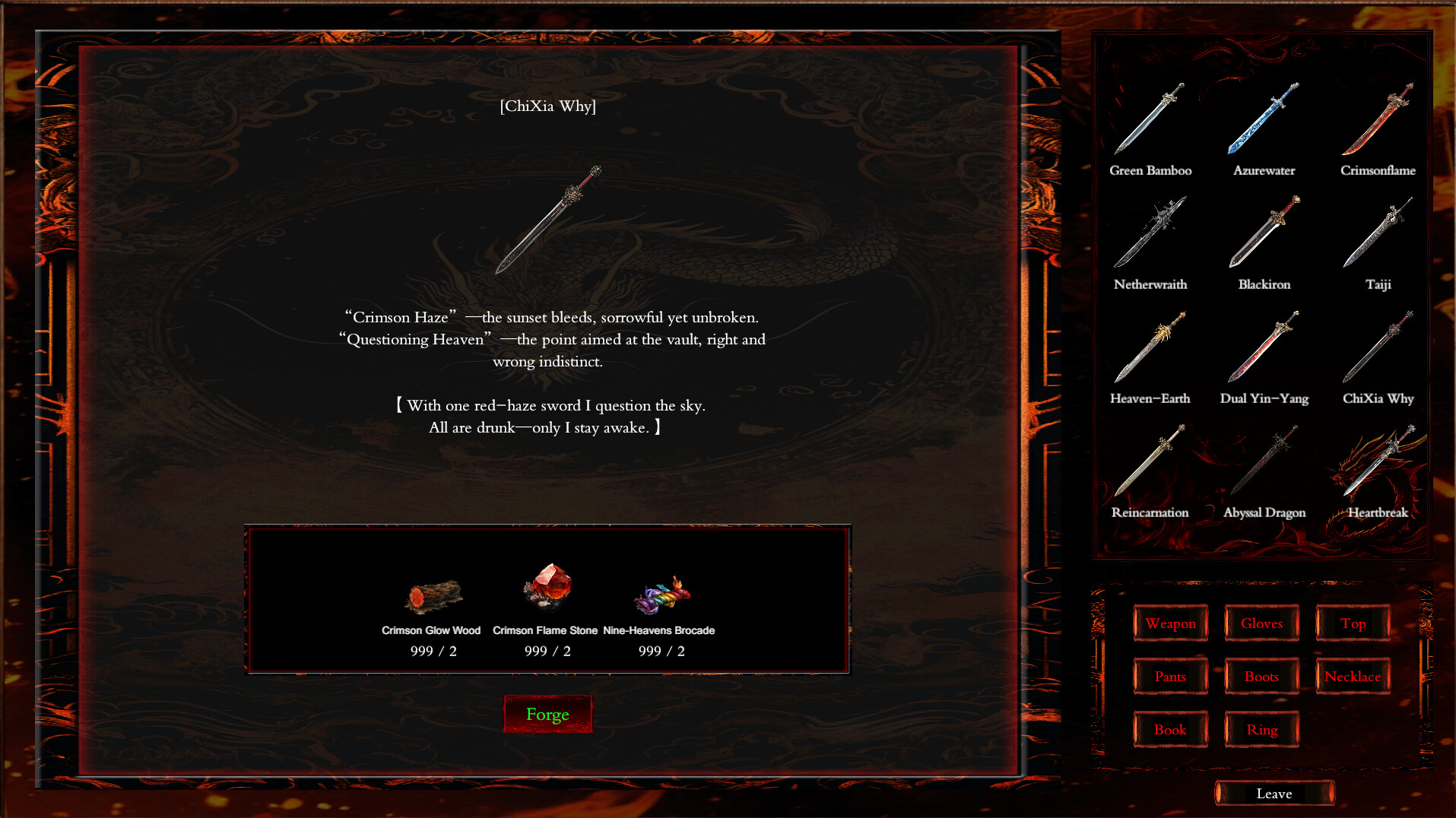
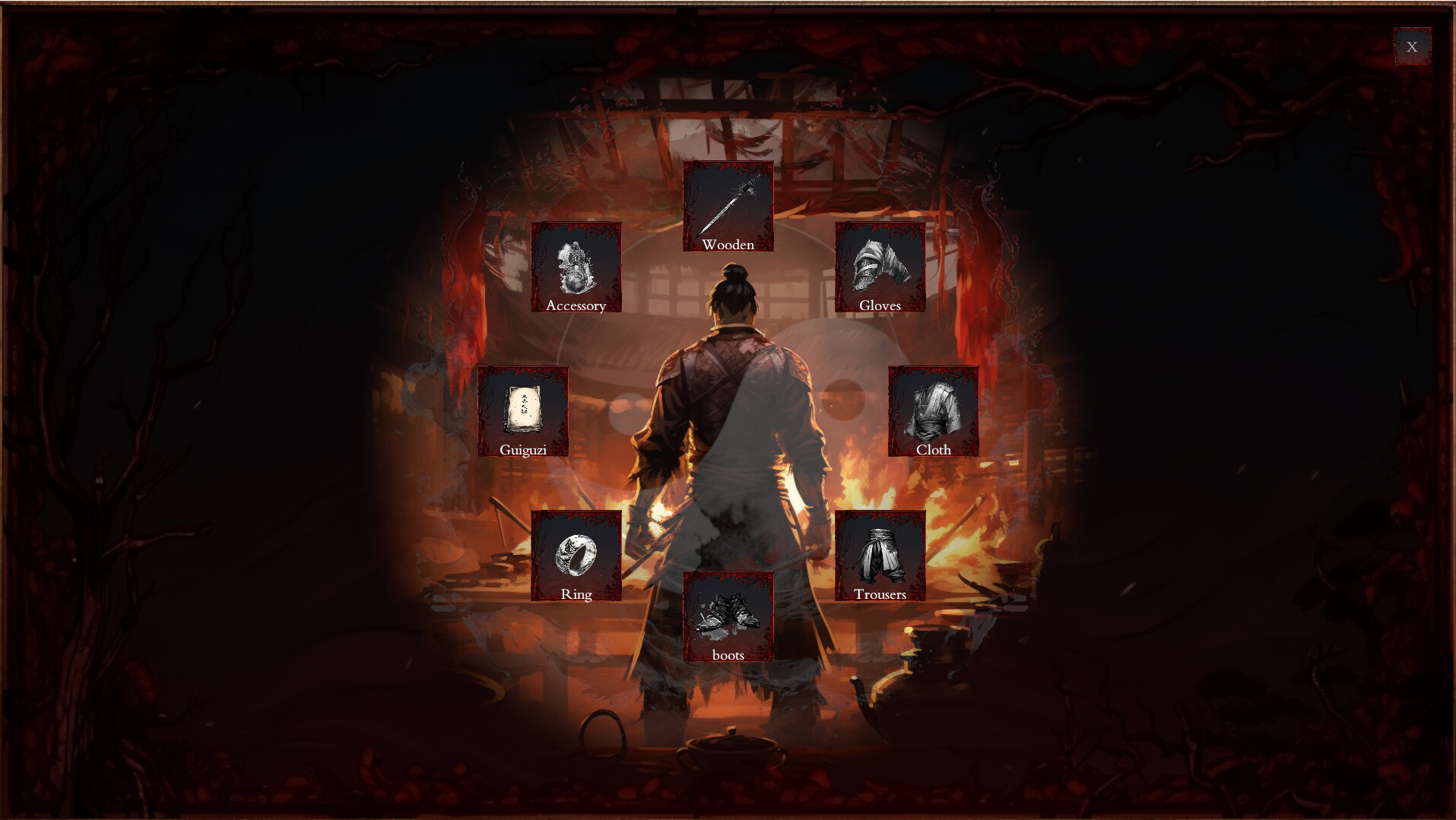
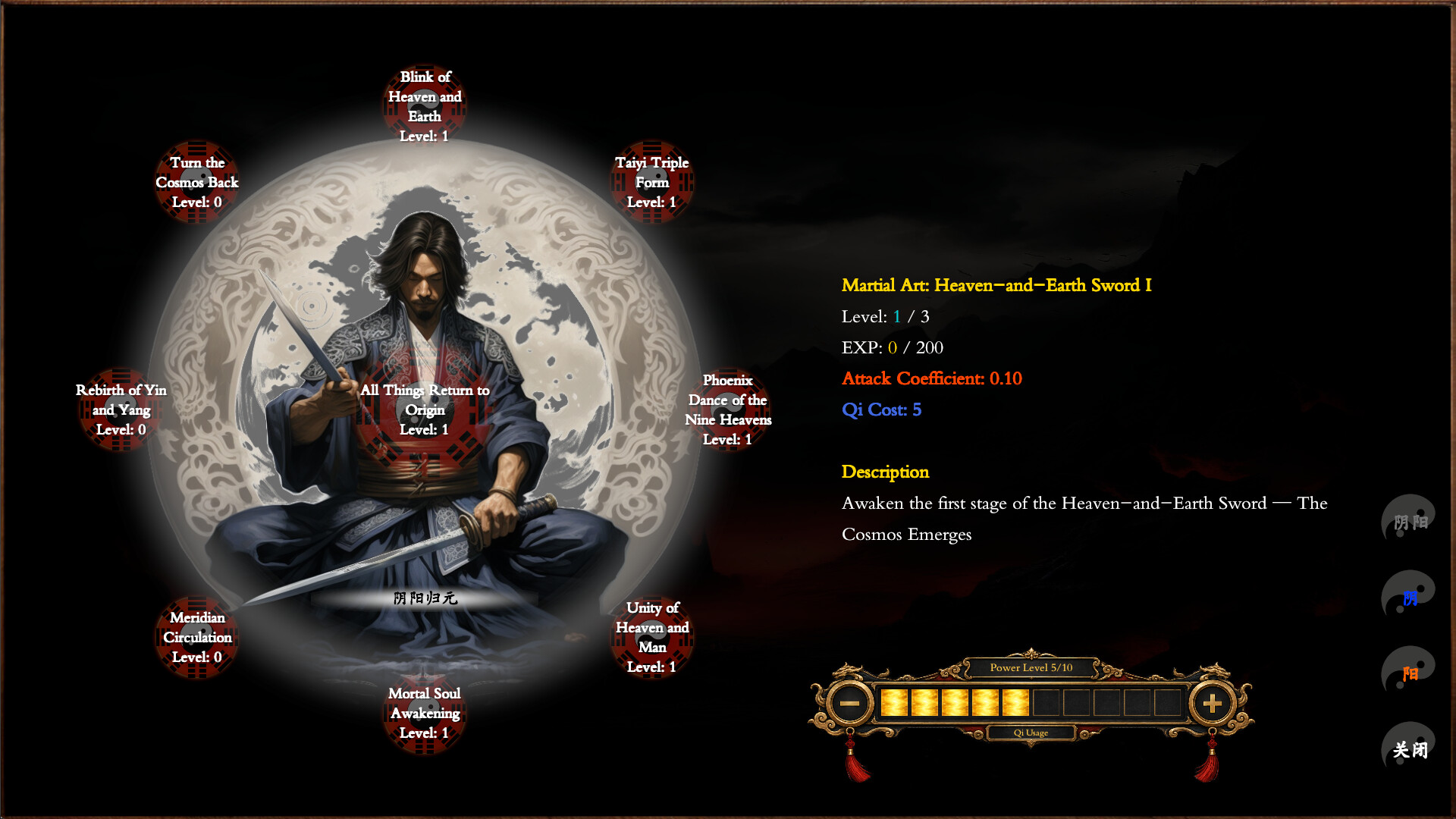
Train more powerful martial arts, gather materials, and craft stronger equipment to protect your cart against enemies along the route.
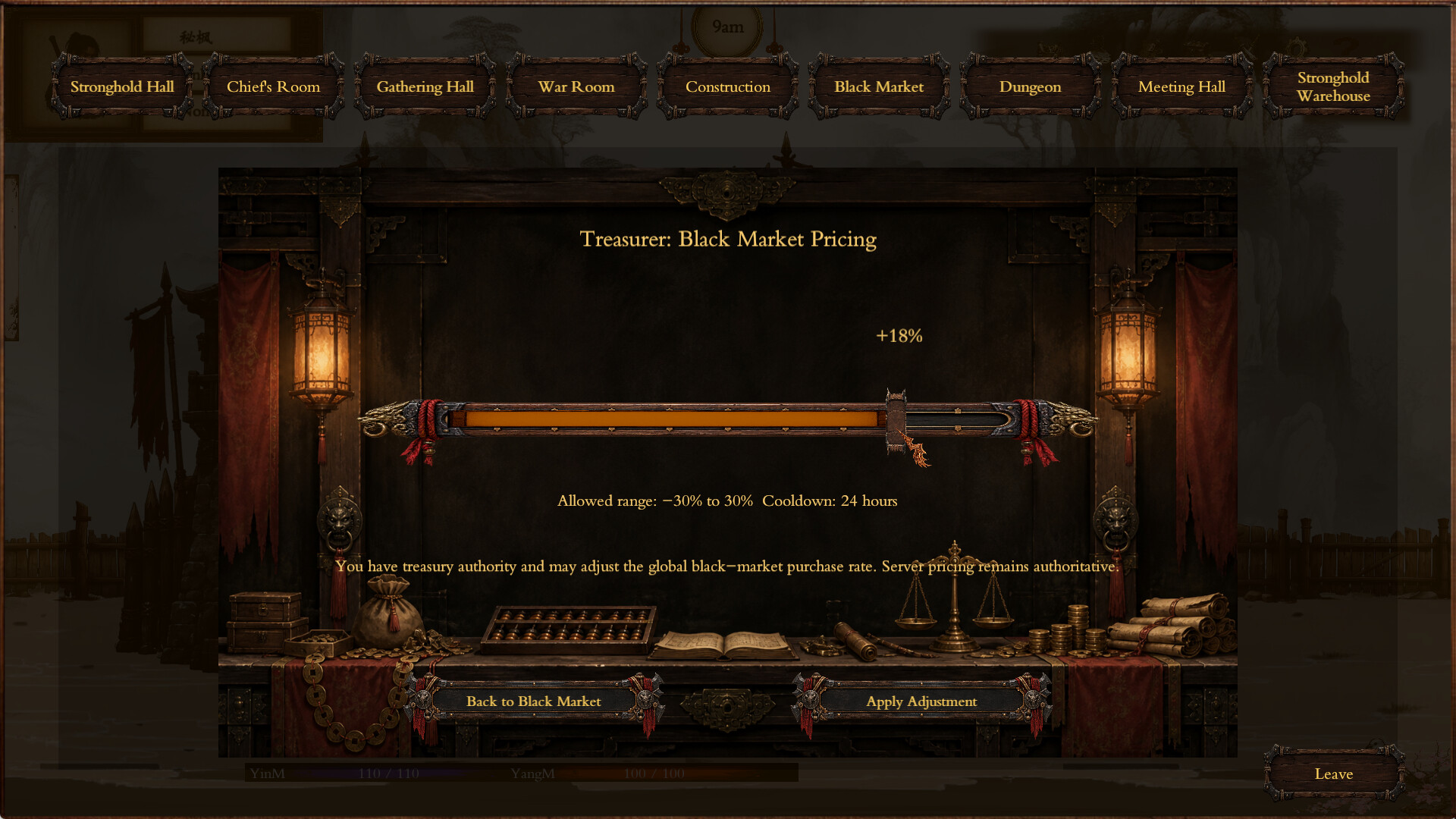
Proposals — Change the Rules
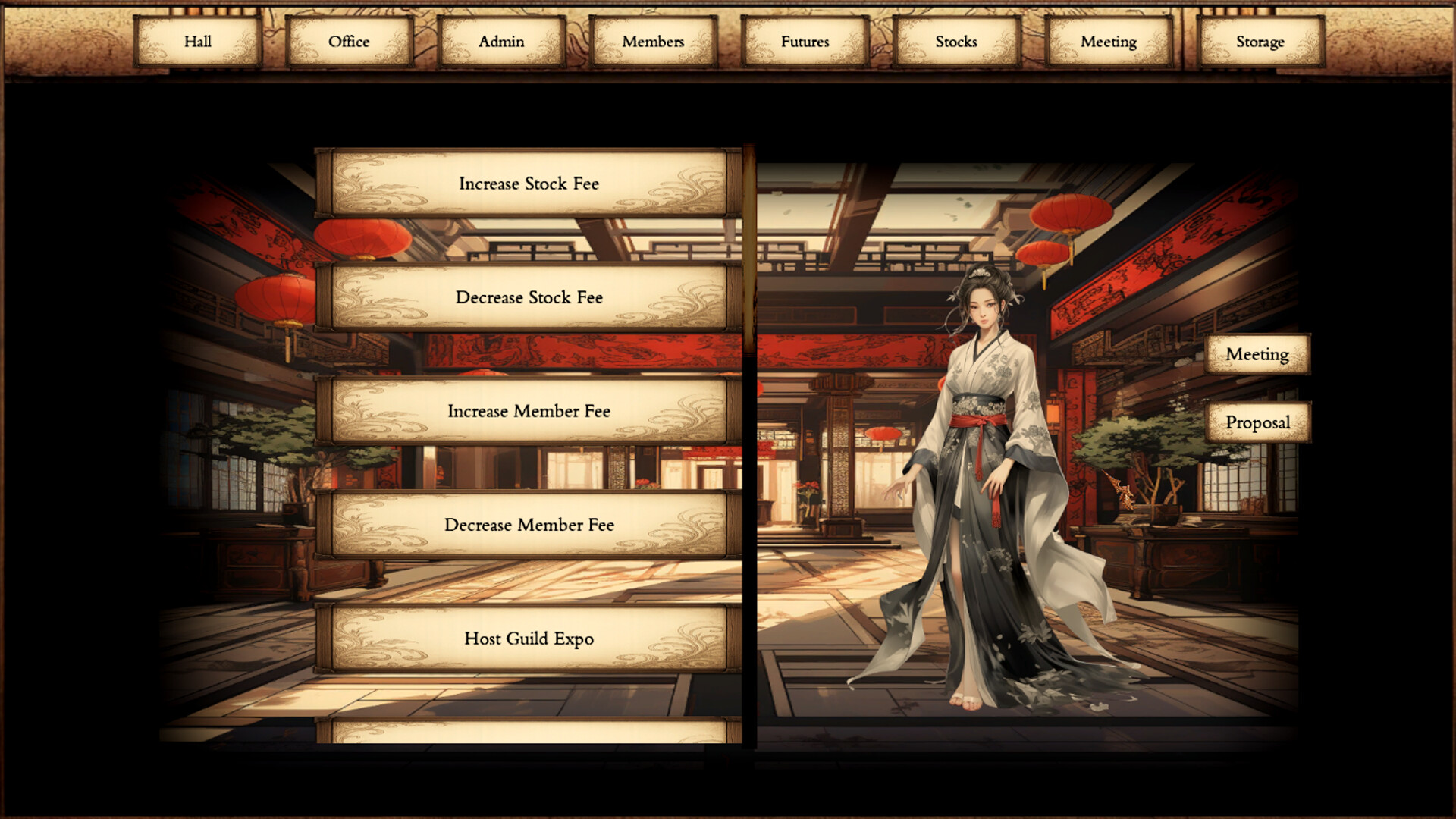
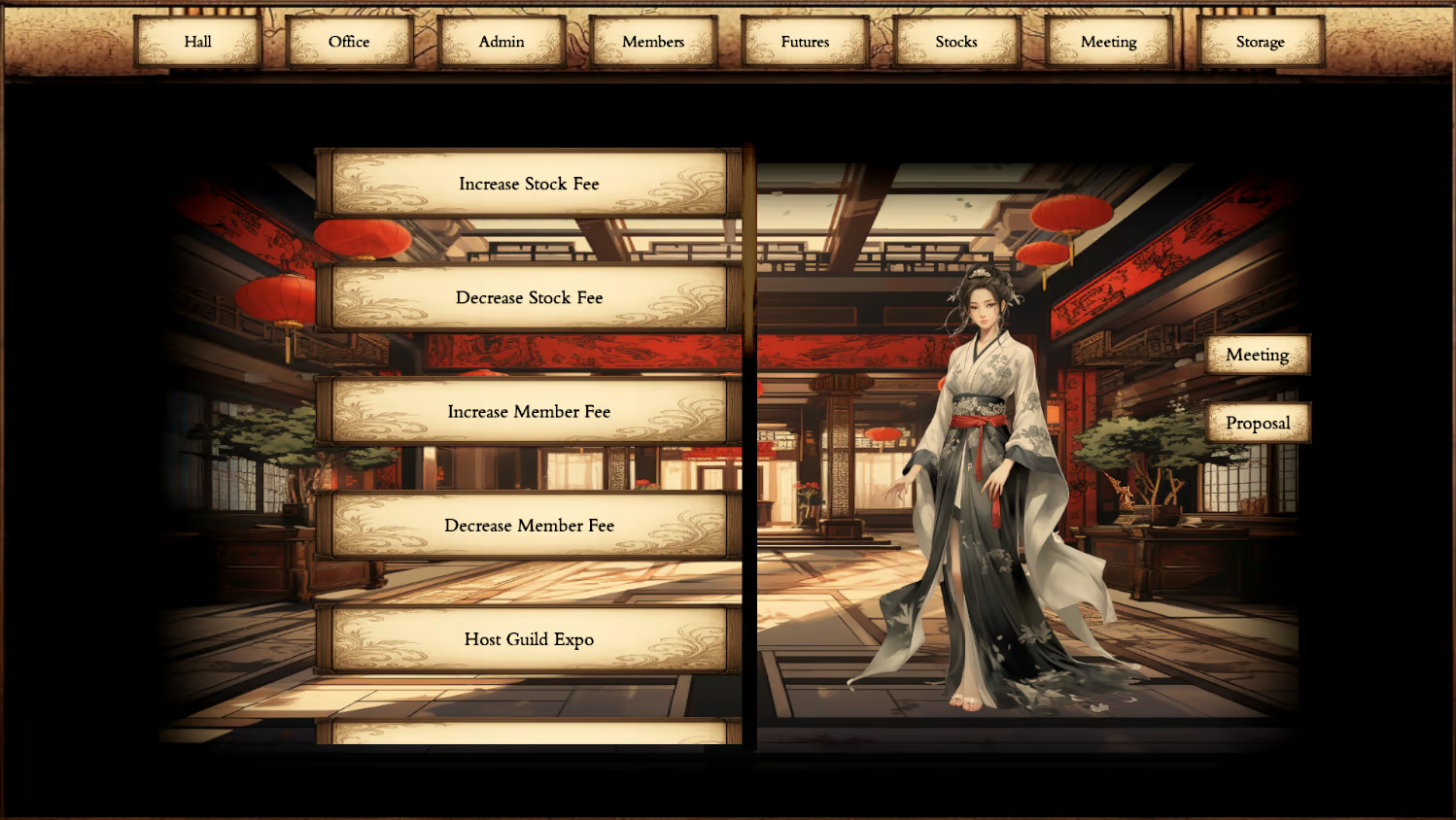
Proposals are the most important feature in the game. By submitting proposals, you can influence how enterprises operate, which in turn changes where the village’s money flows.
Whether you’re helping an enterprise grow, or pushing proposals that benefit your own hostile takeover, your choices will shape the village’s future.
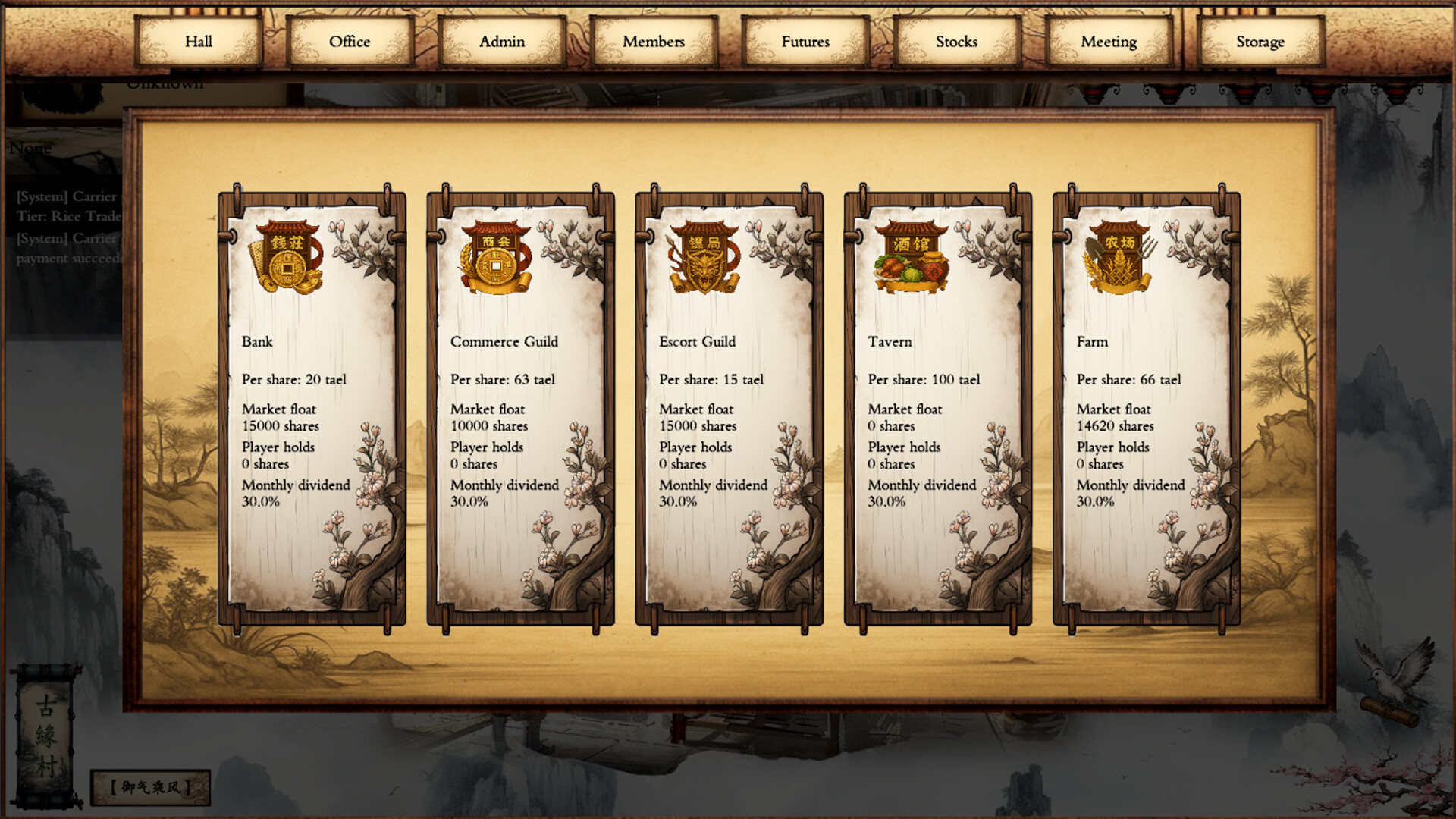
Share Warfare — Hostile Takeovers
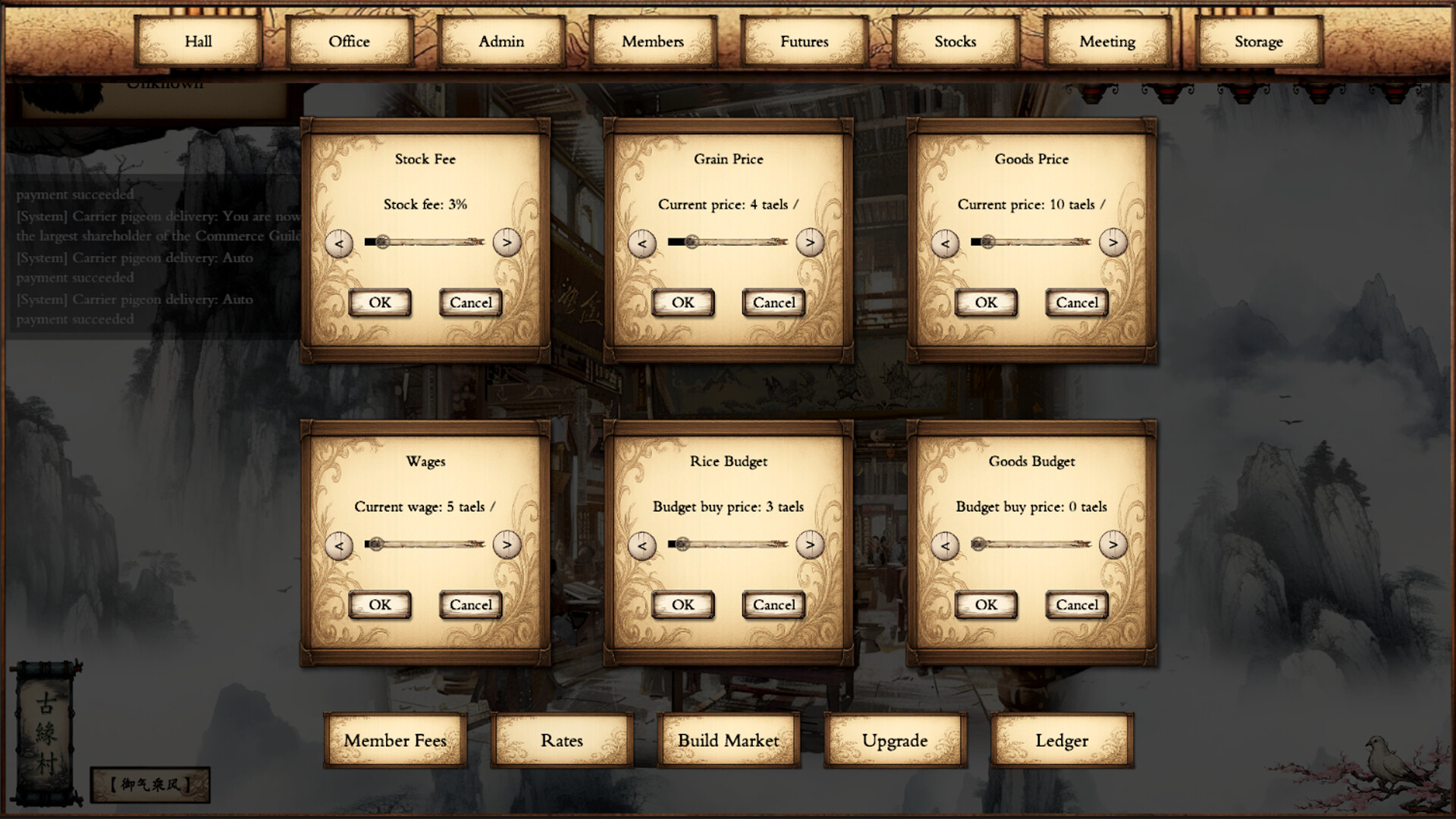
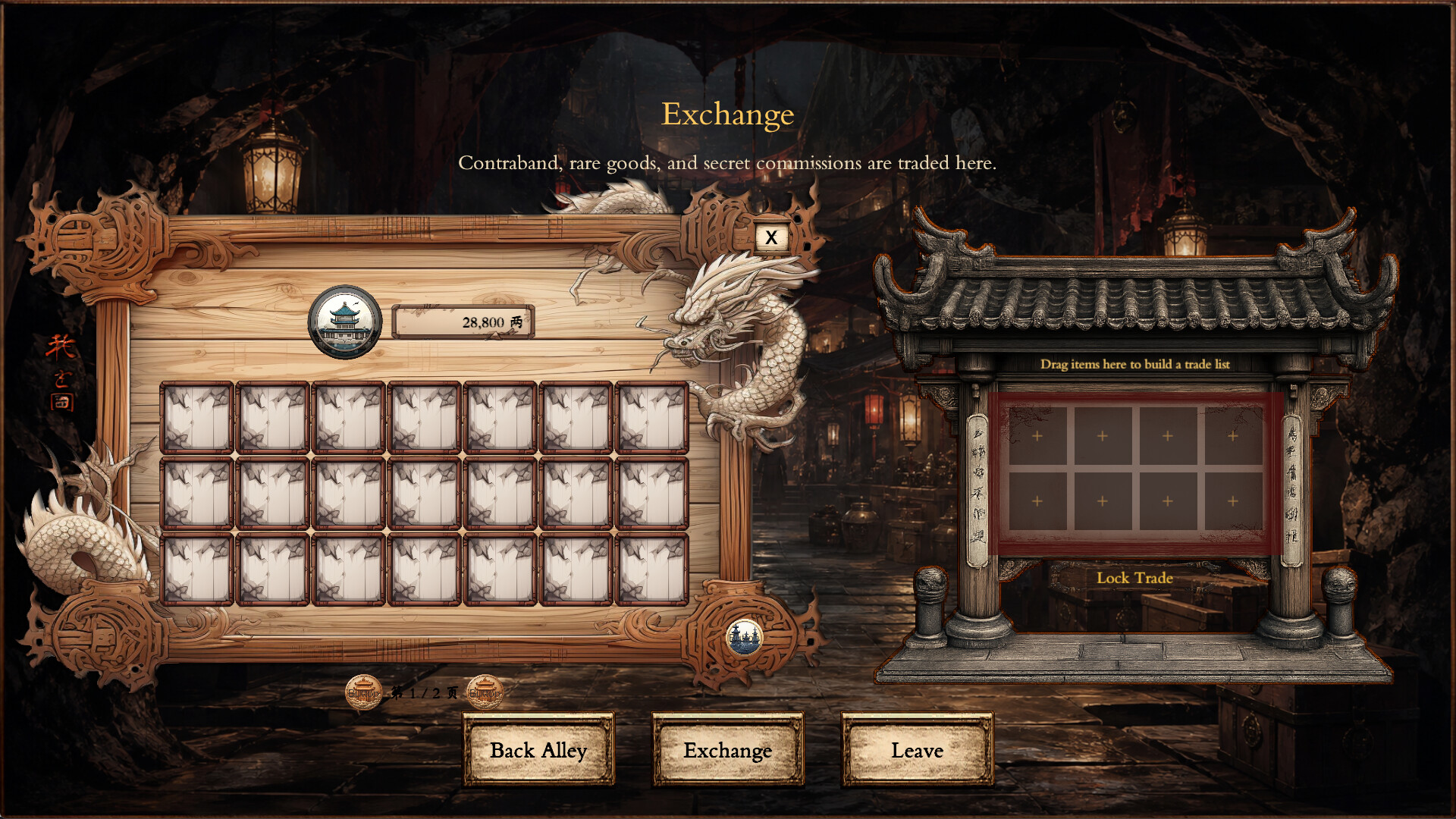
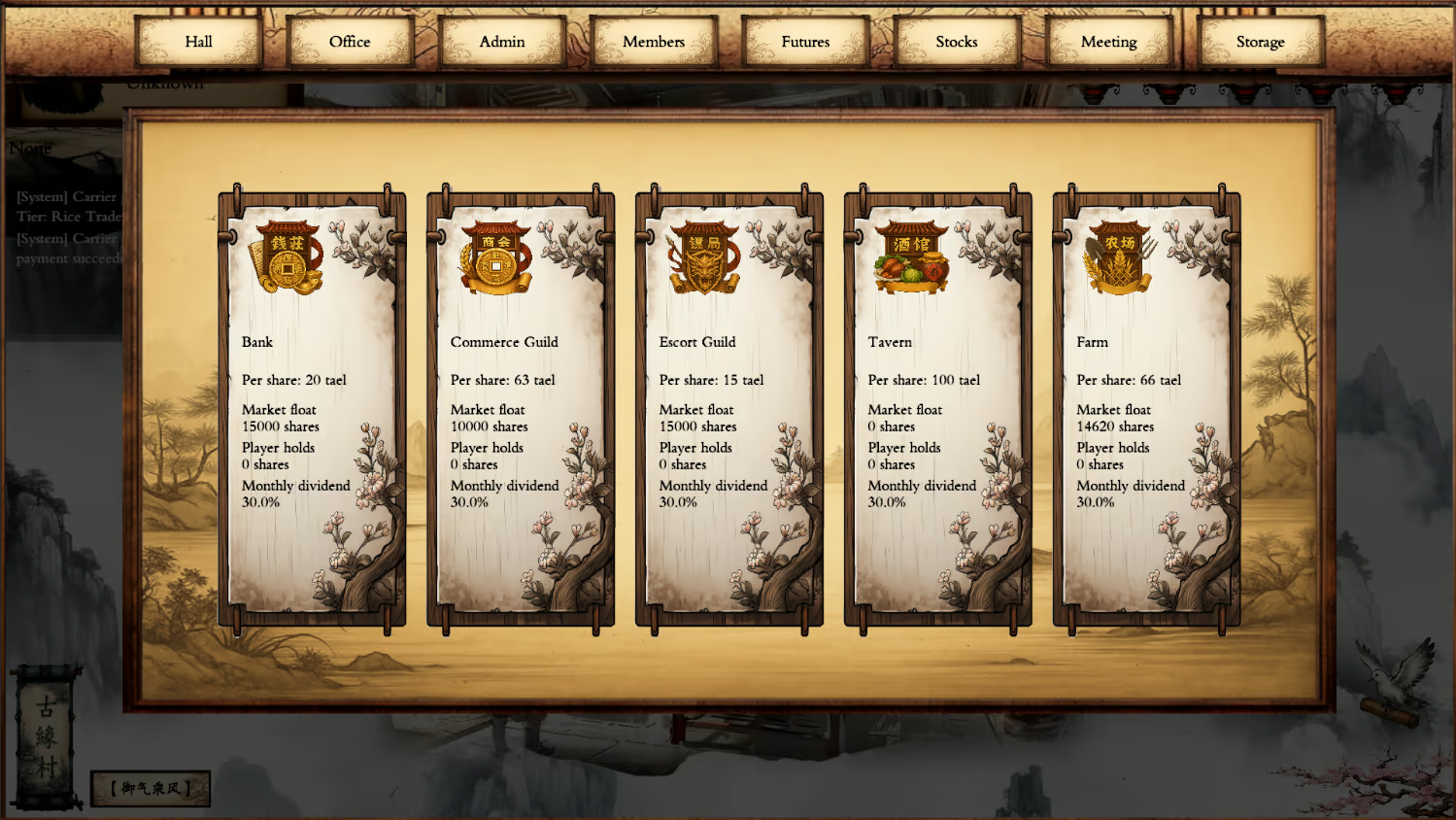
The Commerce Guild is the trading hub for all share dealings. By joining it, you can acquire shares in other enterprises and secure final decision-making power.
The village’s cash flow directly affects whether your shares can be sold. One wrong move can leave you with valuable shares—but no buyers.
To trade smoothly, you must ensure cash flows into the market’s stock liquidity pool.
Cash Flow — How Do You Allocate It?
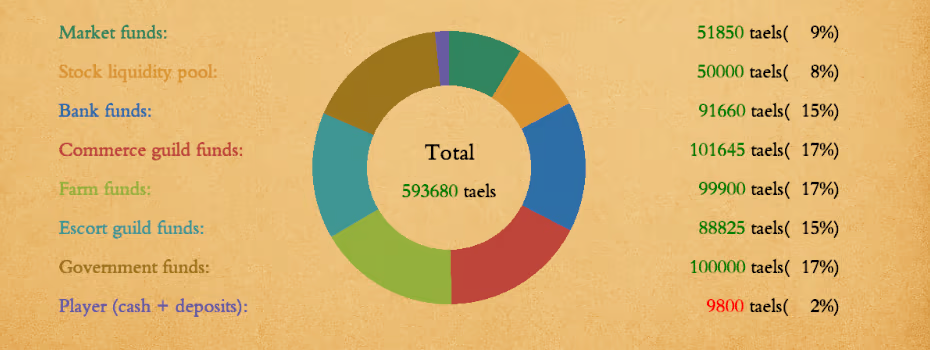
Cash flow in the village doesn’t appear out of nowhere. The key is how you influence how money circulates and gets distributed.
Do you keep cash in your own hands to grow personal wealth?
Do you direct limited funds into enterprises to develop the village?
Or do you convert cash into shares to obtain ultimate power?
It all depends on your proposals—or the decisions you make after taking control.
Mismanagement — A Curse in Disguise
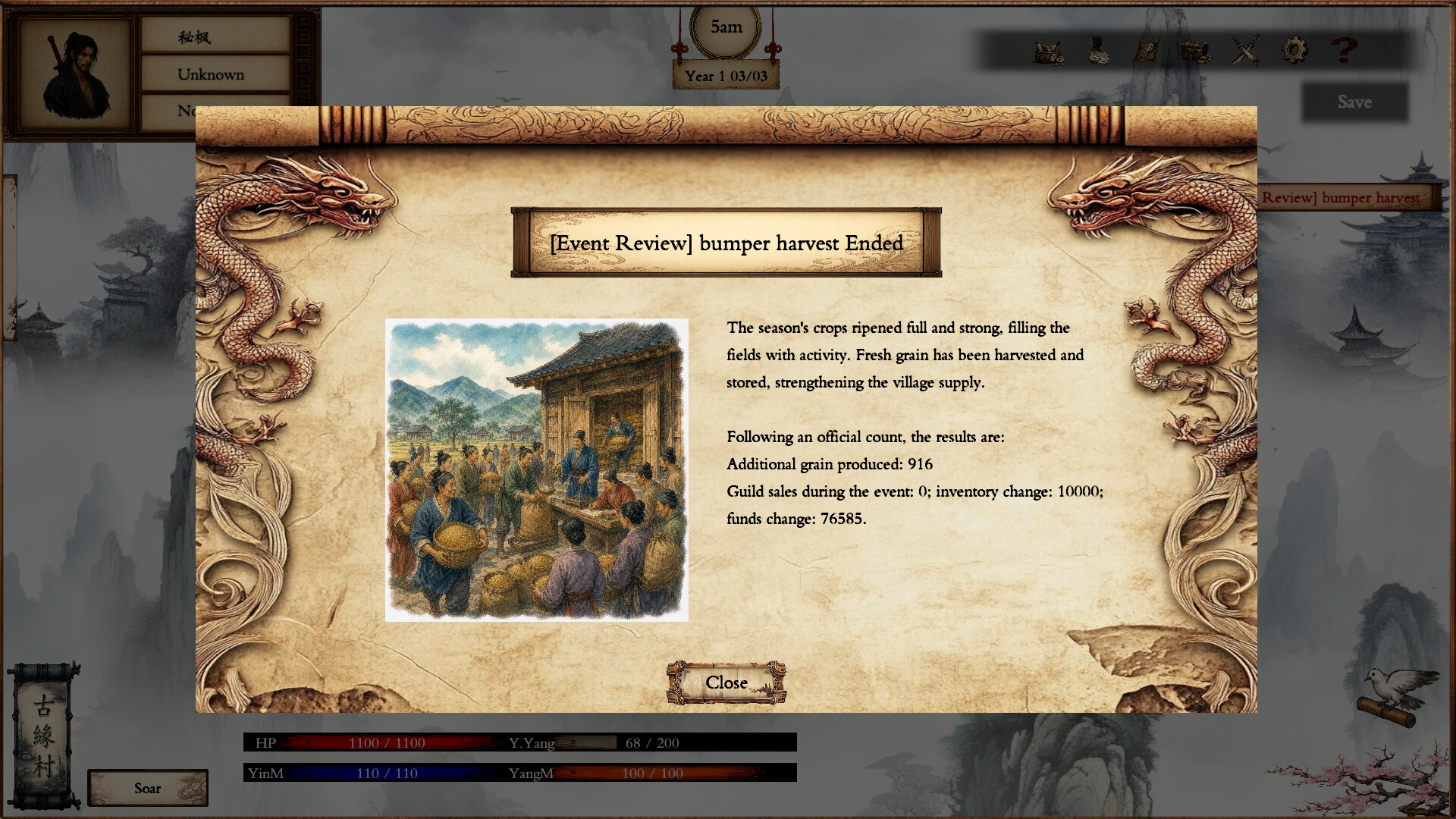
The Commerce Guild influences village prosperity. Livelihood goods and grain stockpiles indirectly or directly reshape how cash flow is distributed.
The Bank absorbs villagers’ deposits and lends to you or other villagers, increasing the village’s total circulating capital. But poor management can trigger a liquidity crisis and bankruptcy—dividends stop entirely, and both you and the villagers may lose all deposits.
The Farm is the village’s core: food equals population. No food means no people, and the village collapses on its own.
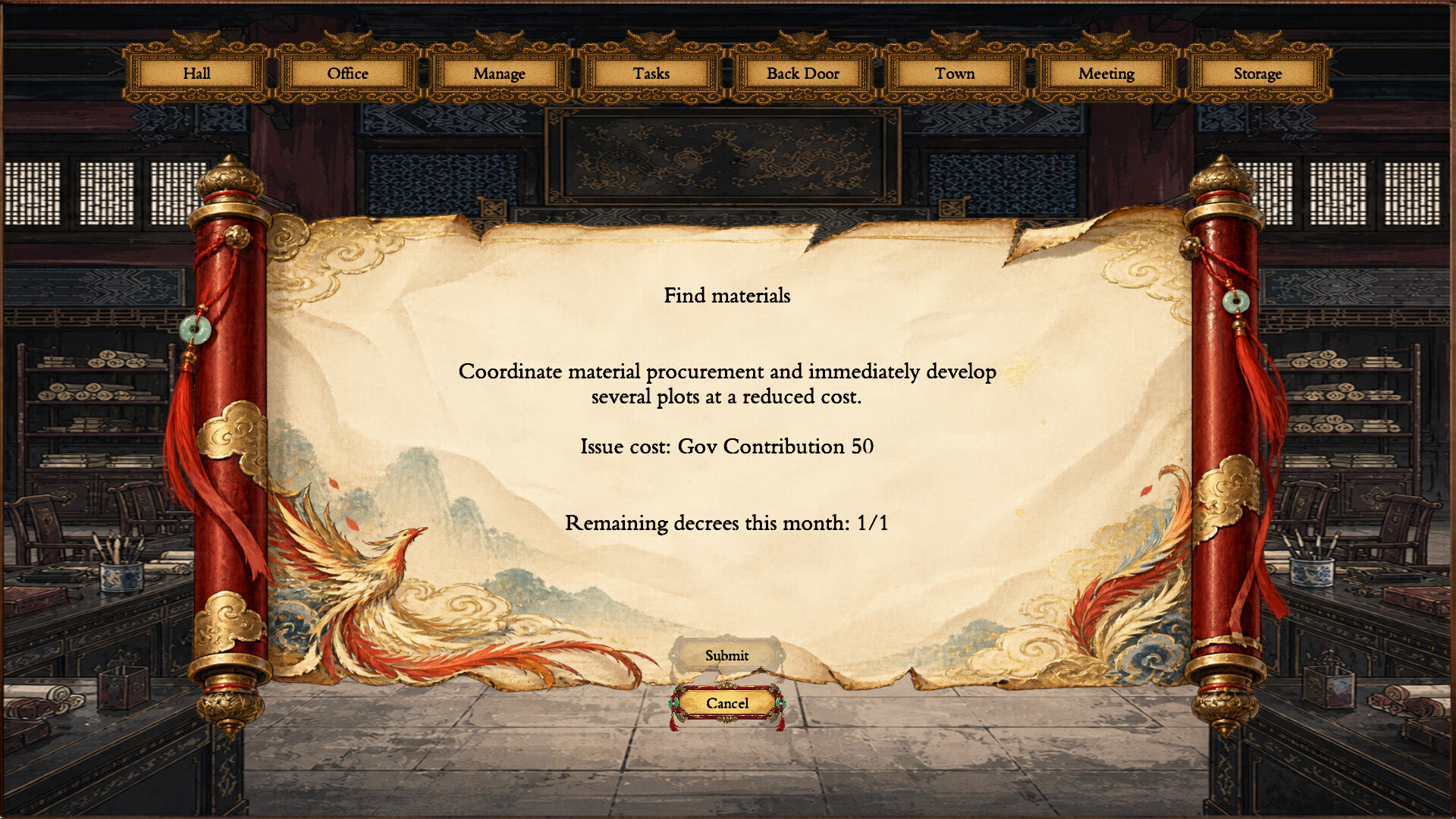
The Government handles land allocation, public security, housing development, and more. If the Government goes bankrupt, the game ends.
Any enterprise can go bankrupt due to mismanagement, sending the village down a road toward ruin.
Rebirth — Seize Absolute Power
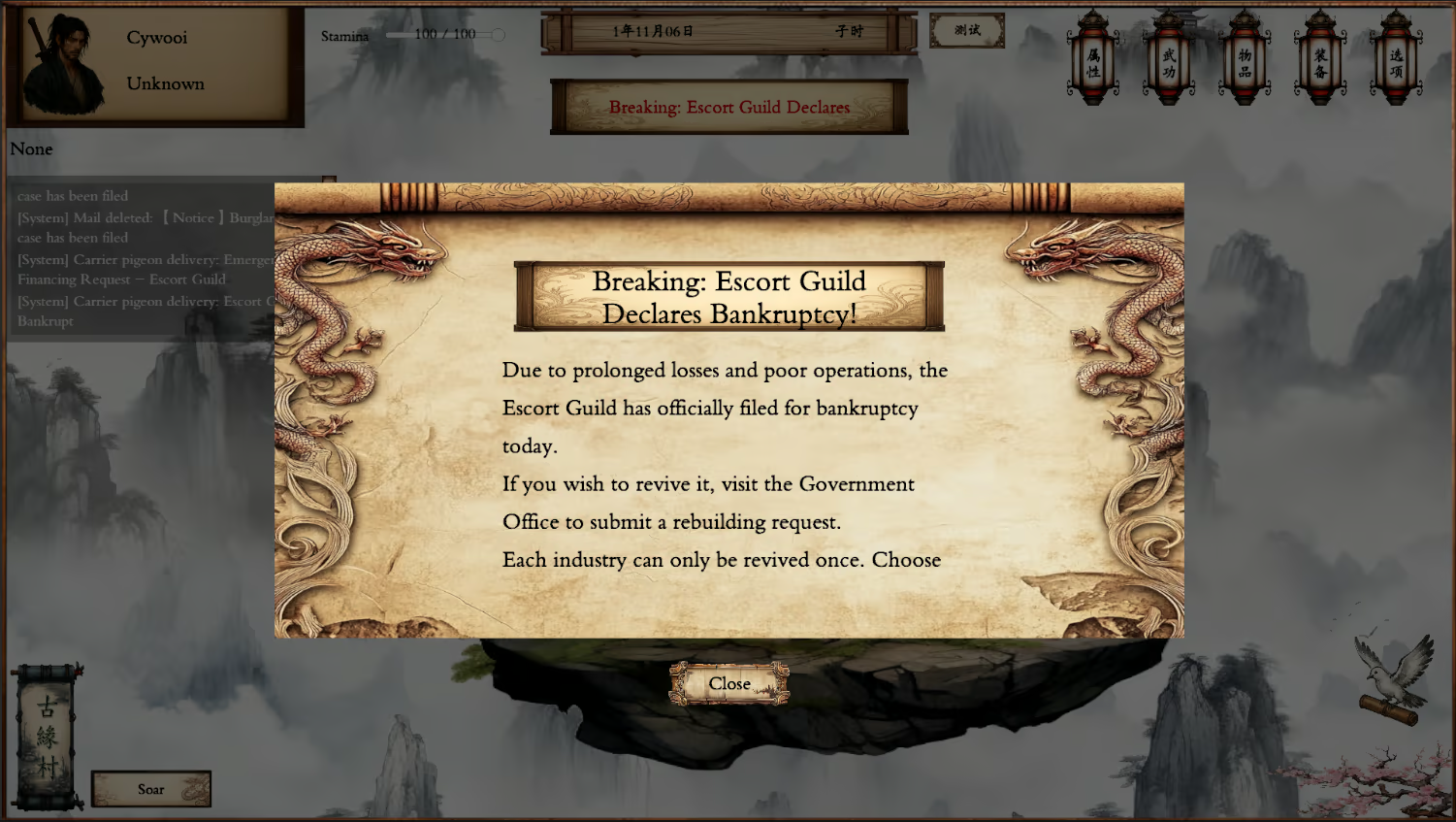
After bankruptcy, if you still have the means, you can go to the Government to restart—but each functional enterprise can only be revived once.
Every enterprise is essential. The bankruptcy of even one will disrupt the village’s entire cash-flow loop.
If the Government goes bankrupt too, it’s game over.
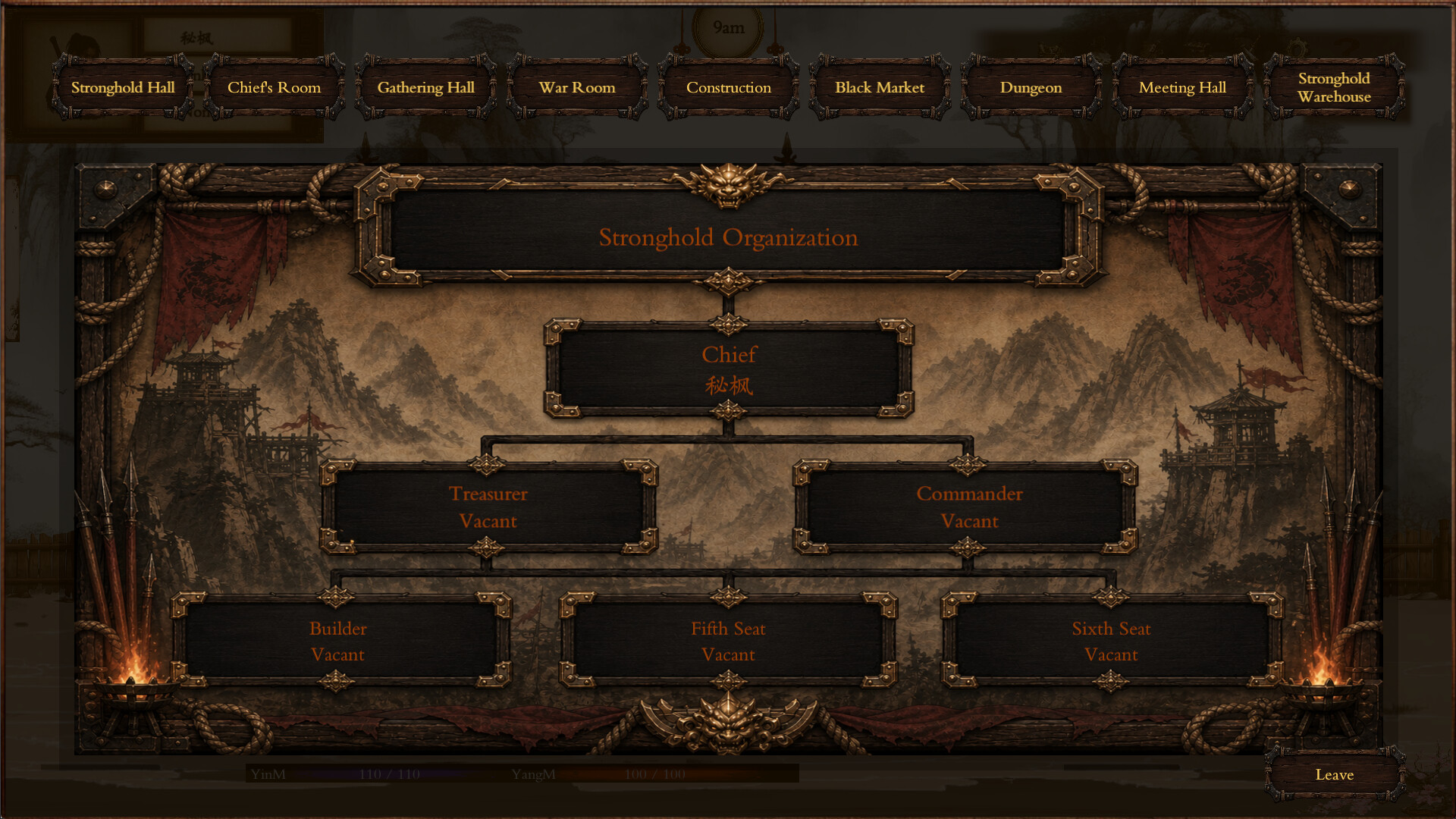
Early on, you steer each enterprise manager’s decisions through proposals. Once you’ve built enough wealth and power, you’ll use loans to draw the village’s cash flow into your own hands—then acquire the enterprise to gain the final say over its direction, the village’s money distribution, and ultimately everything.
In the end, the village’s financial system is stabilized—and expanded—through Escort Agency capital injection, Commerce Guild trade, Bank lending, story encounters, industry expansion, and share-based power struggles. Your goal is to secure the financial chain, expand your sphere of influence, and ultimately take control of GuYuan Village’s commercial order.
Available Tables (0)
View available tables...Events Timeline
View full events timeline...Initial Release