OutBreak: The Last Survivor
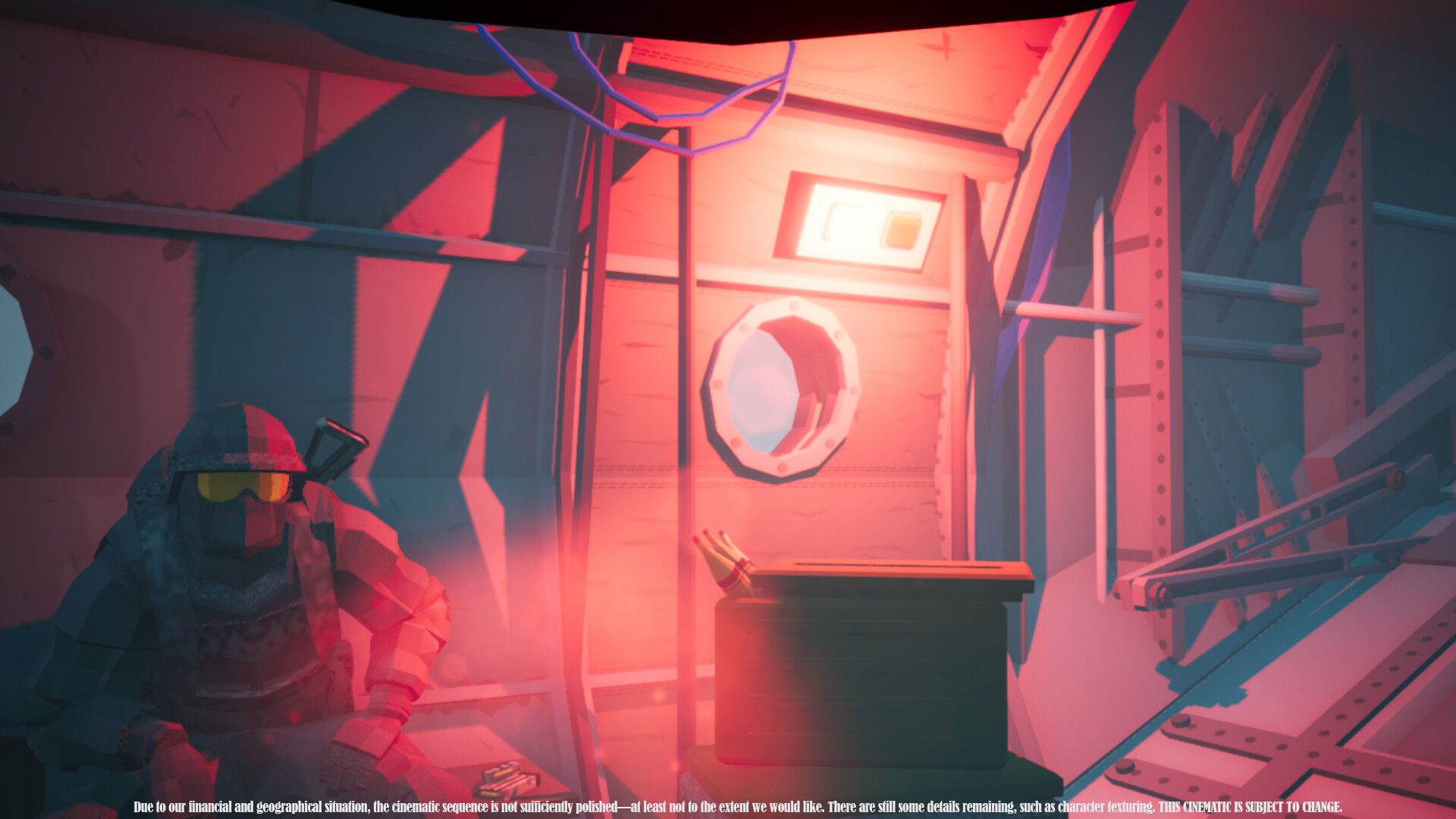
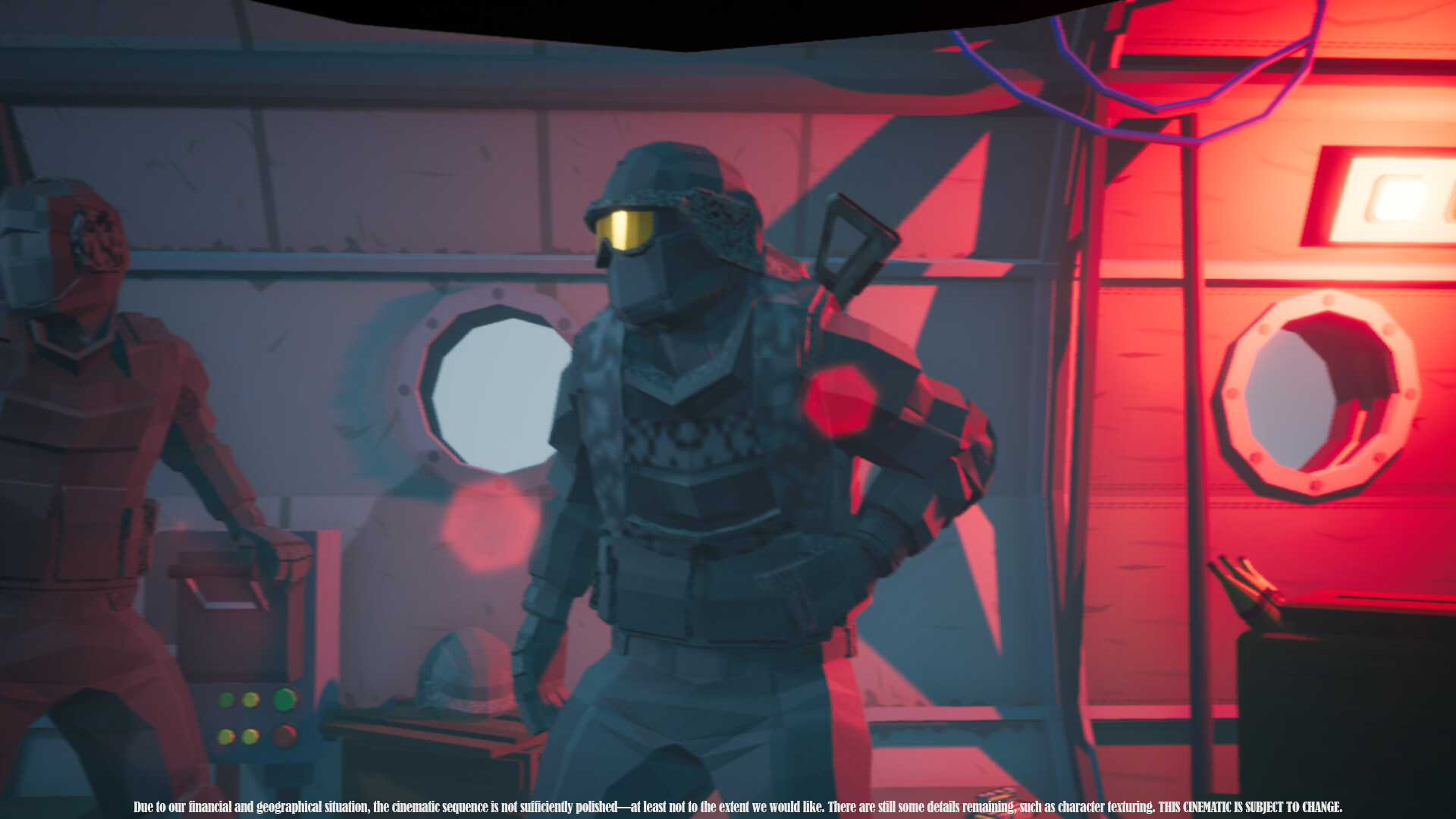
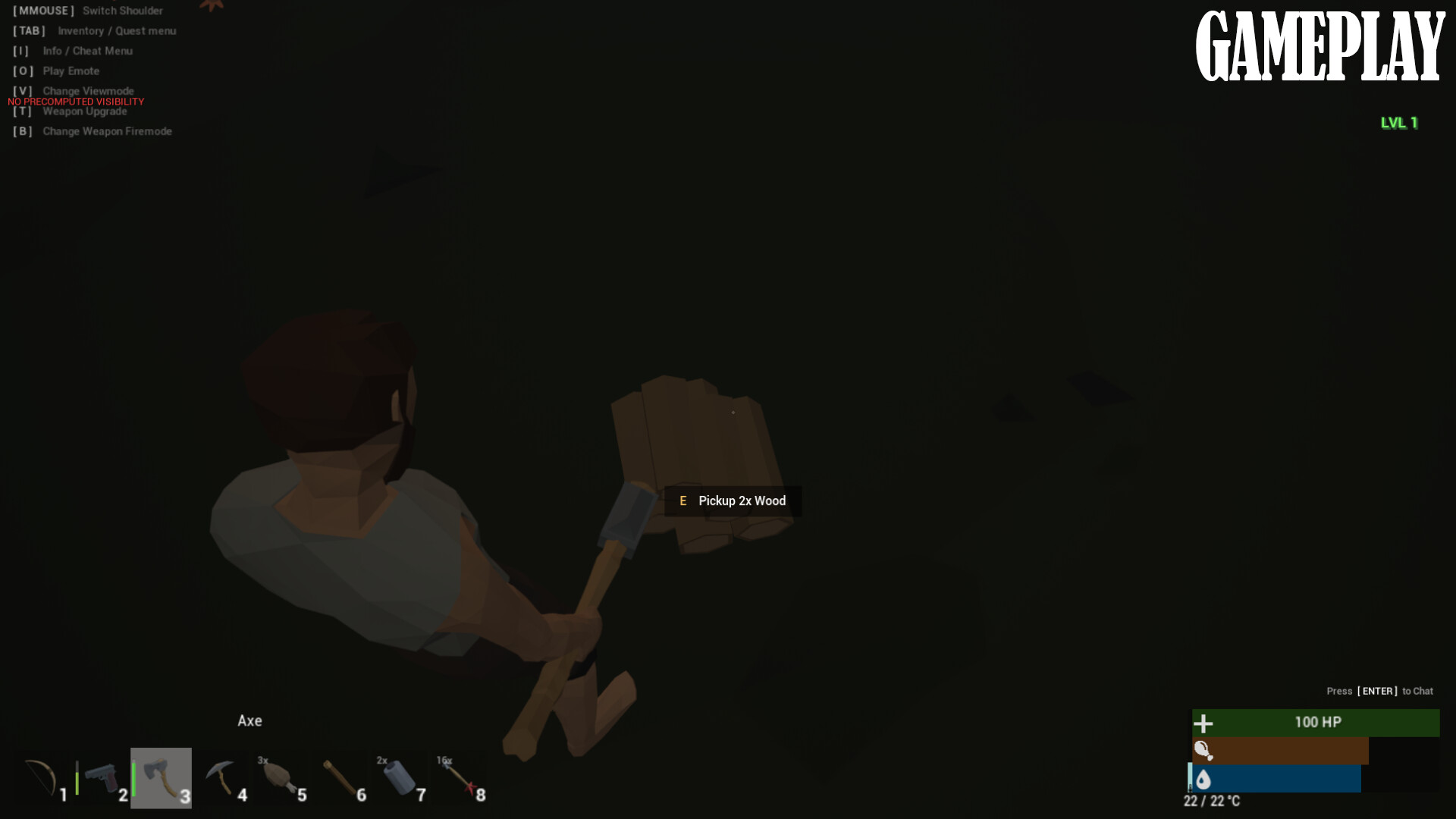
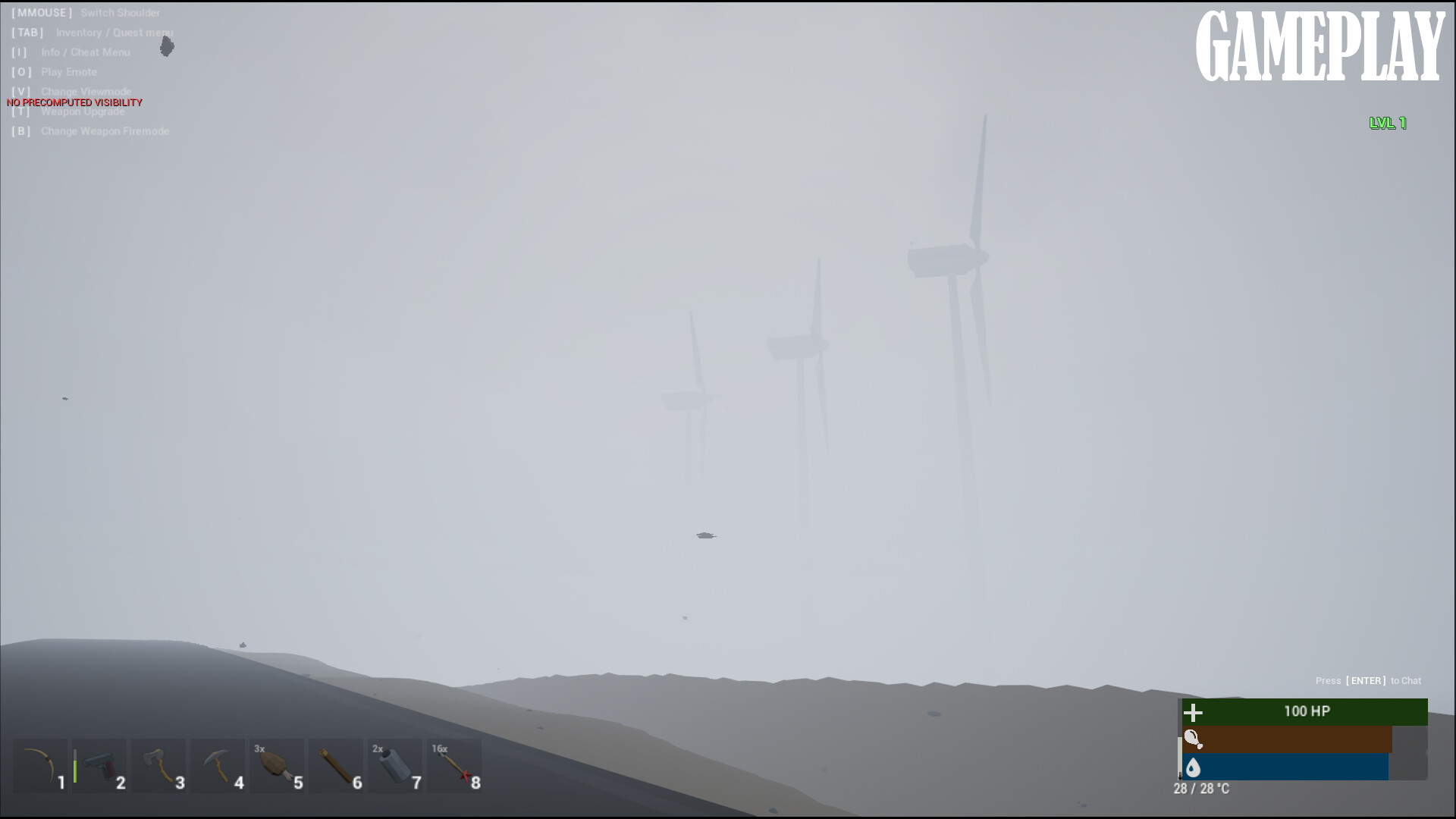
About the Game
OUTBREAK
🧑👦 A Father and His 14-Year-Old Son Developing a Game from Cuba

Before anything else, we want to be completely transparent.
Outbreak is being developed in Cuba by only two people: a father and his 14-year-old son.
We are not a studio.
We do not have investors.
We do not have a development team.
This project is built using pre-made and marketplace assets acquired from various platforms, which are then integrated, customized, adjusted, and combined into our own survival experience.
Everything you see in this game is the result of learning, testing, failing, improving, and continuing forward — together.
When you support Outbreak, you are not just buying a game.
You are directly supporting a young developer who is learning game development at 14 years old, building his first major project alongside his father in Cuba, with limited resources but strong commitment.
⚠️ Development Status & Transparency
Outbreak is in active development.
Because it is built by an extremely small team:
You may encounter bugs.
Some systems may still be evolving.
Optimization may vary depending on hardware.
Features will continue expanding over time.
However:
The game is fully playable.
Updates are planned consistently.
New mechanics, weapons, vehicles, locations, and improvements will be added.
All future updates are free for owners of the game.
Our commitment is long-term improvement and transparency.
🌍 The Game
Multiplayer • First & Third Person • Post-Apocalyptic Survival
The outbreak didn’t start with explosions.
It started with silence.
Signals failing.
People disappearing.
Confusion spreading.
Within days, civilization collapsed.
Outbreak places you in a multiplayer survival world where trust is fragile, resources are scarce, and every encounter matters.
There is no scripted story.
The story is created by player interaction.
🔥 Core Features (Deeply Detailed)
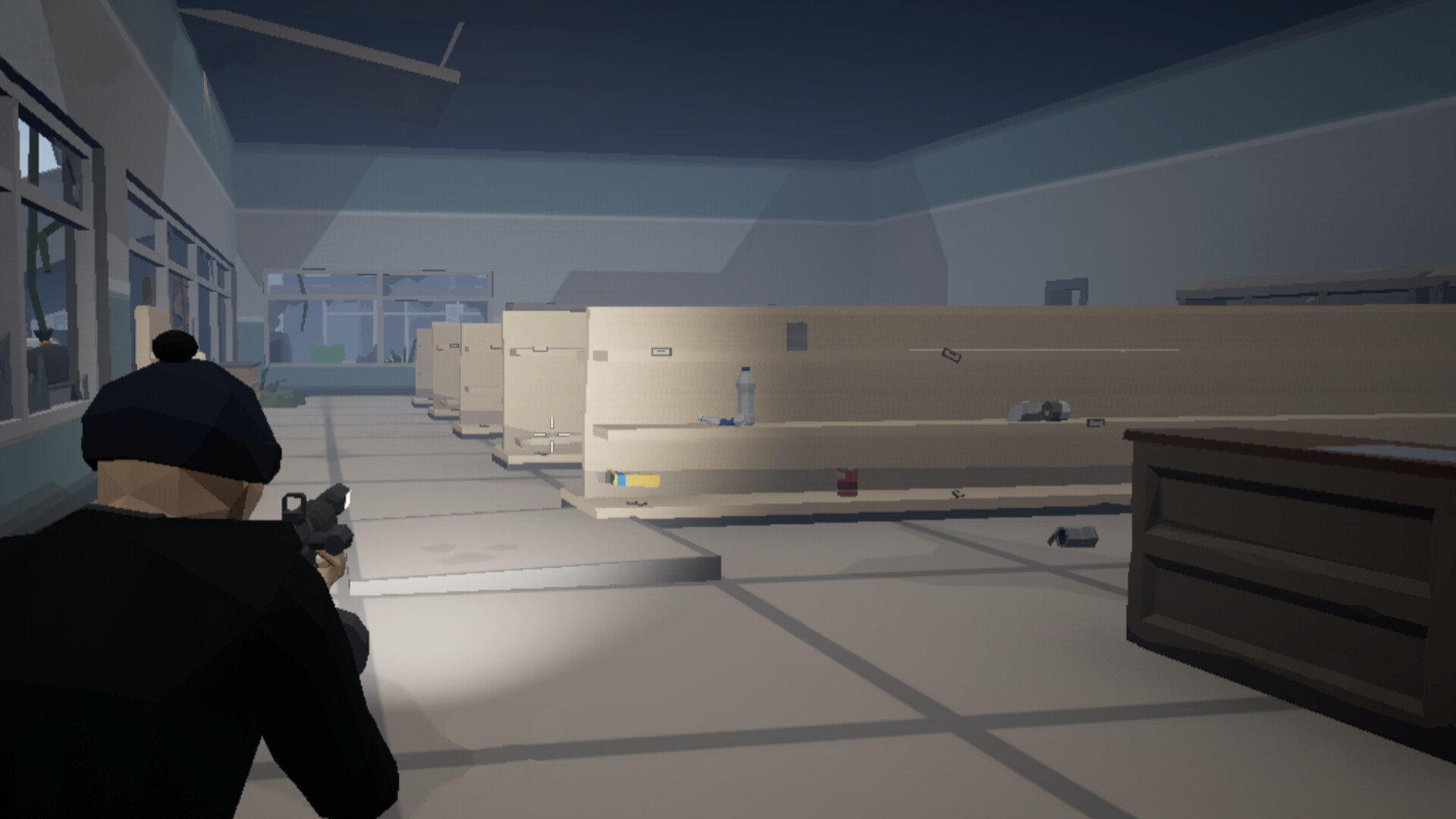
🎮 Dual Perspective System — First & Third Person
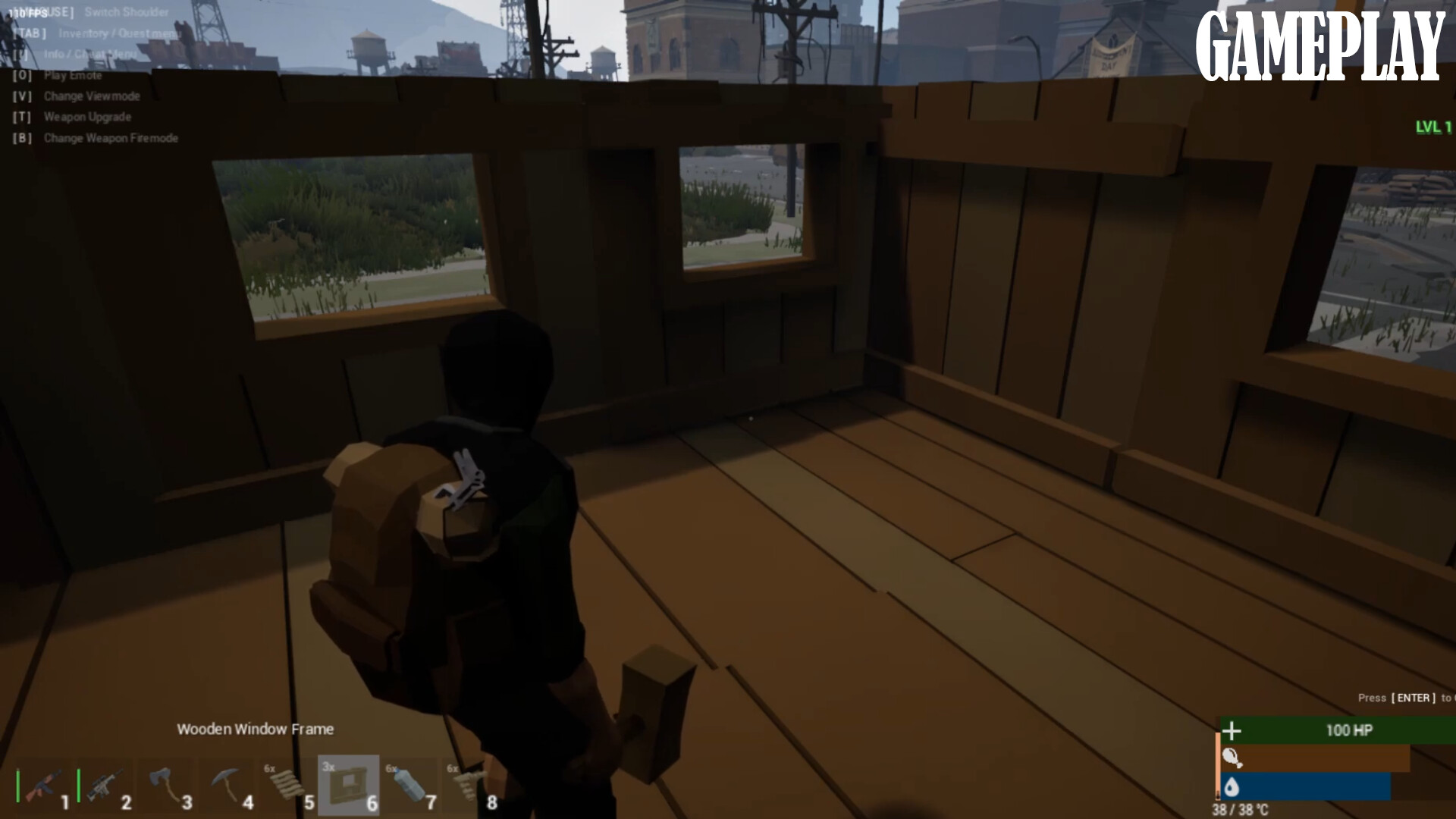
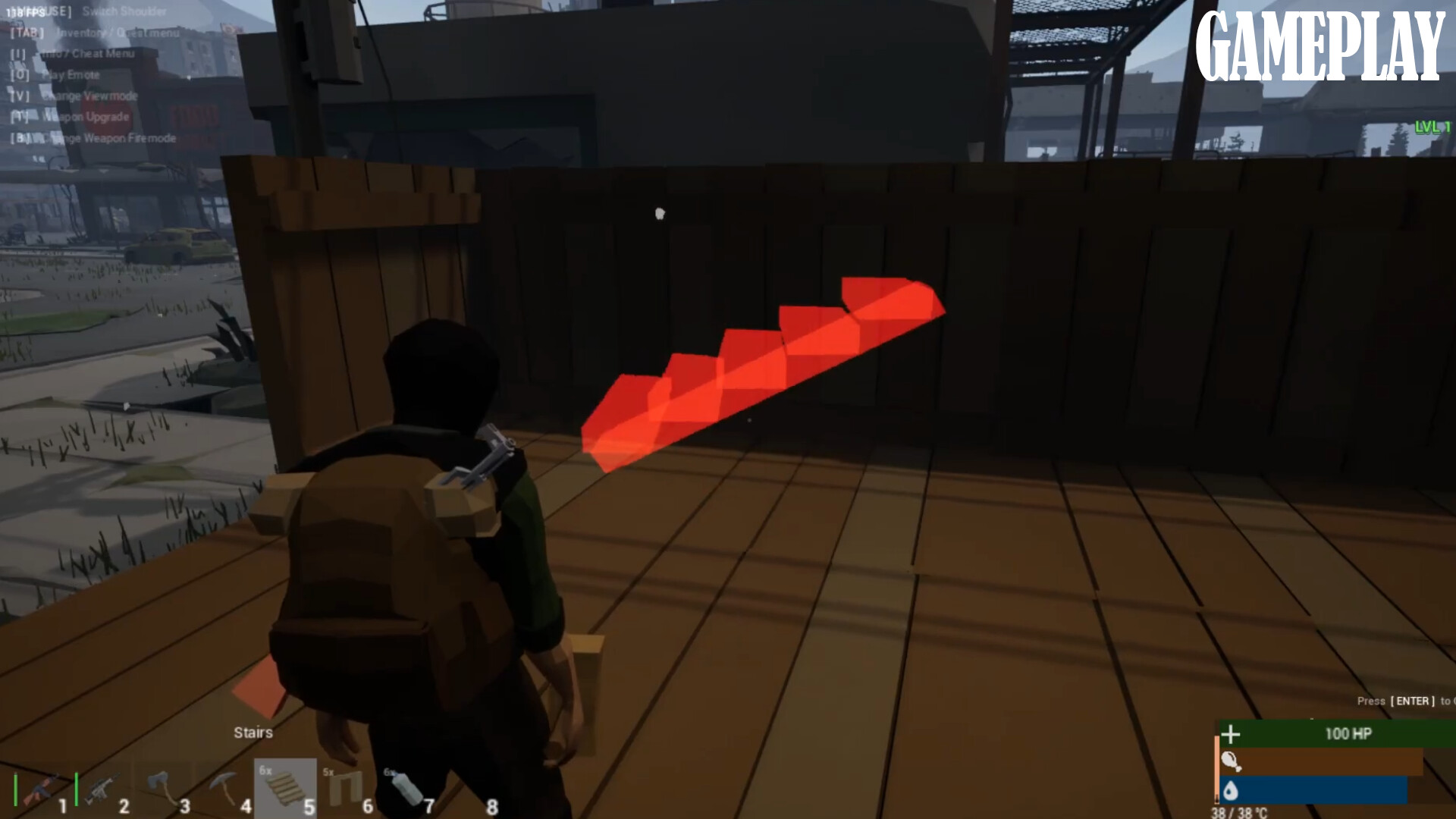
Outbreak allows seamless switching between first-person and third-person perspectives at any time.
First Person Mode:
Increased immersion.
Higher tension during combat.
More precise aiming.
Limited field of view for realistic vulnerability.
Strong atmospheric immersion during exploration.
Third Person Mode:
Wider environmental awareness.
Tactical positioning advantages.
Better situational control in open combat.
Improved navigation in urban areas.
Your perspective choice directly impacts your survival strategy.
👥 Dynamic Multiplayer Encounters
Every player you encounter introduces uncertainty.
There are no safe labels, no faction markers.
Any player can be:
🤝 A cautious ally.
🧭 A neutral survivor avoiding conflict.
⚠️ A desperate looter.
🔫 A silent threat waiting for opportunity.
Social interaction becomes a survival mechanic itself.
You must constantly evaluate:
Body language.
Movement patterns.
Weapon positioning.
Distance management.
Trust can save you — or get you killed.
🌲 Open World Exploration
The map includes:
Dense pine forests with limited visibility.
Collapsed highways filled with abandoned vehicles.
Rural areas with scattered supplies.
A partially destroyed city offering high-risk, high-reward looting.
Industrial zones with strategic resource concentration.
Environmental design focuses on:
Natural sightline blocking.
Tactical building entry points.
Multiple approach routes.
Interior tension through narrow corridors and low lighting.
Exploration is never risk-free.
🧟 Threat & Survival Systems
Survival is not cosmetic — it is mechanical.
Resource Scarcity
Ammunition is limited.
Medical supplies are not abundant.
Food and water management matters.
Weapon durability and recovery systems are balanced for tension.
Combat Philosophy
Engagements are dangerous.
Poor positioning is punished.
Sound awareness matters.
Running into combat without preparation often leads to loss.
Environmental Vulnerability
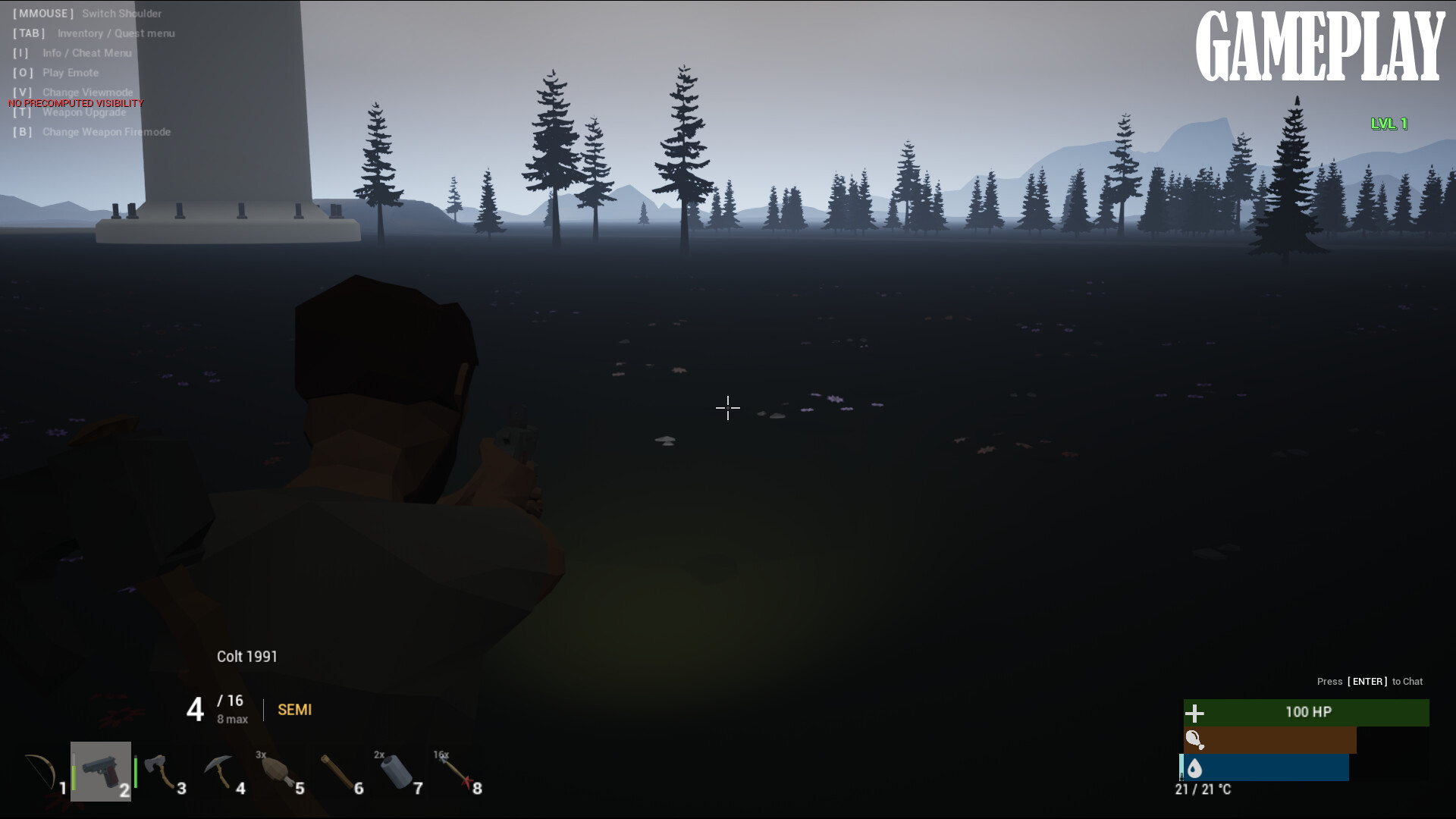
Weather affects visibility.
Fog reduces engagement range.
Darkness increases psychological tension.
Audio cues play a major role in situational awareness.
Survival rewards patience, awareness, and calculated decision-making.
🏚 Looting & Risk Management
Looting is designed around decision pressure.
You constantly ask:
Do I enter that building alone?
Do I reveal my position for better gear?
Do I carry extra ammo or extra medical supplies?
Do I risk staying longer in a high-value area?
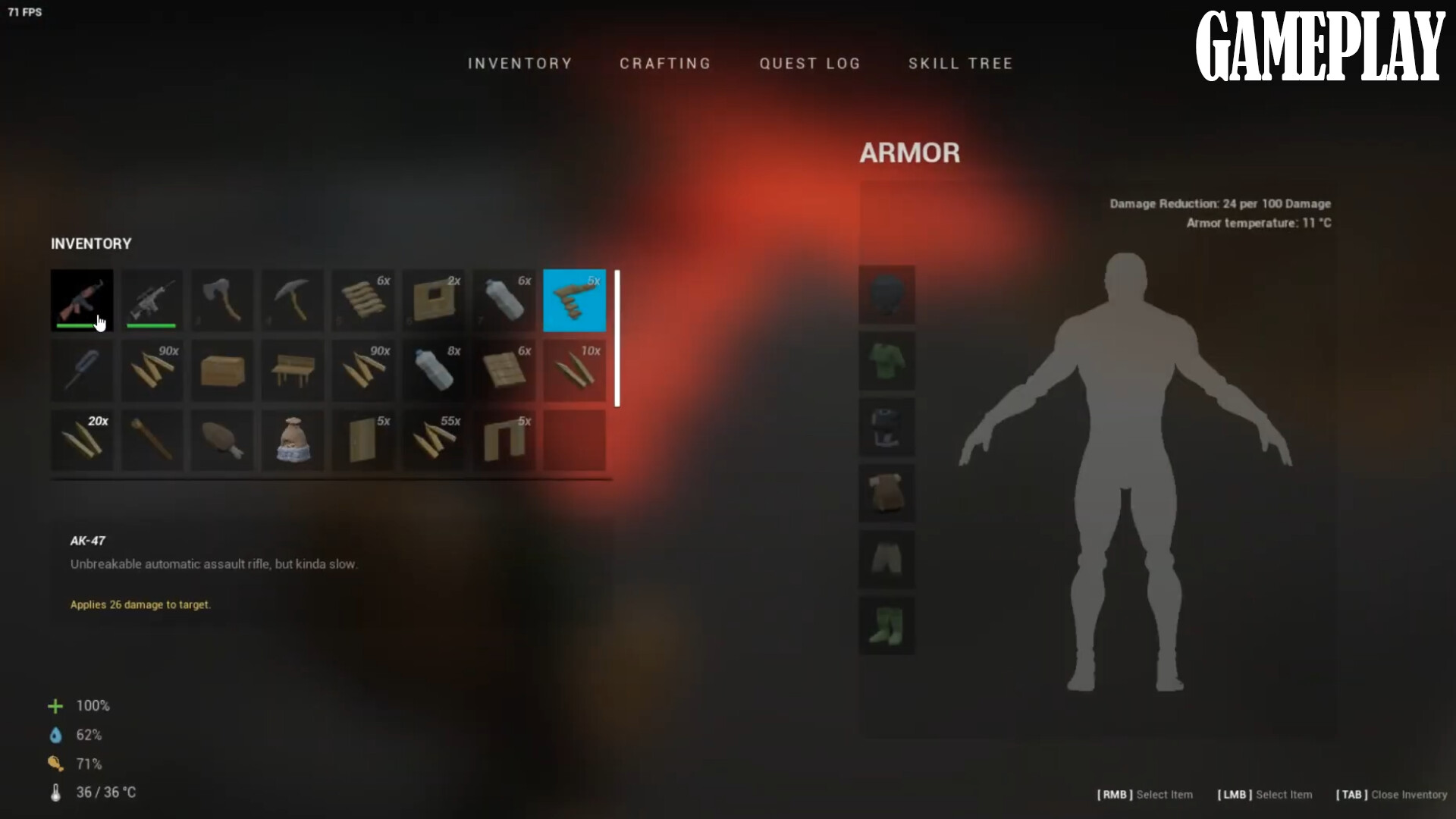
Inventory decisions influence mobility, survivability, and long-term strategy.
🚗 Expanding Systems (In Development)
Planned and expanding systems include:
Drivable vehicles.
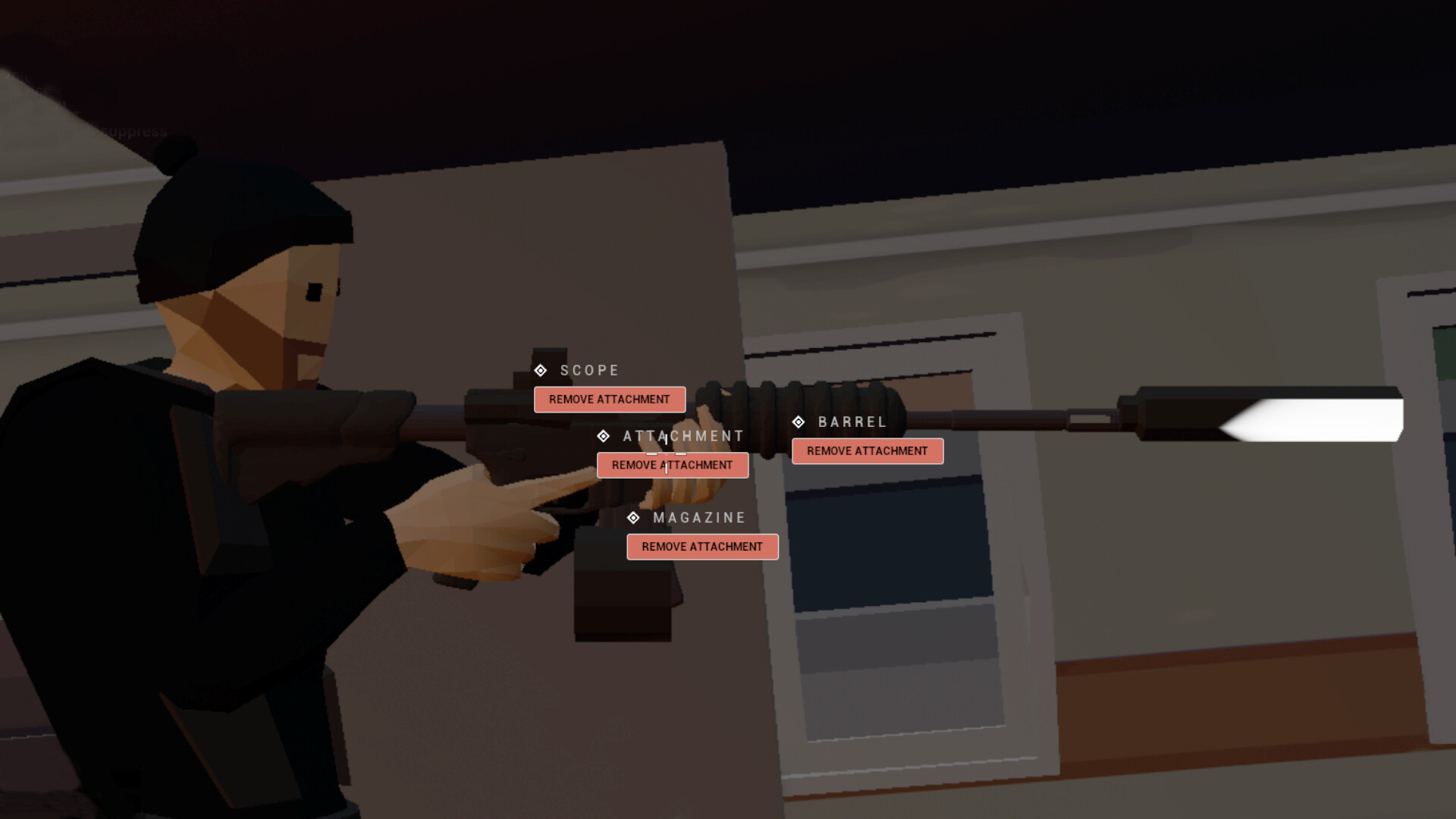
Expanded weapon variety.
Additional urban zones.
More advanced survival mechanics.
Achievement systems.
Increased environmental depth.
Improved performance optimization.
The project will continue evolving over time.
🌧 Atmospheric Immersion
The atmosphere is a core design element:
Rain impacting broken rooftops.
Wind moving through forest areas.
Distant echoes forcing you to turn around.
Fog swallowing entire streets.
Silence that feels intentional.
Tension is built through environment, not only combat.
🎯 Vision & Identity
Outbreak does not aim to compete with AAA studios.
It aims to grow.
It is an evolving survival project built with honesty, limited resources, and long-term ambition.
This game represents:
A father teaching his son real development.
A 14-year-old learning Unreal Engine and game systems.
A project created from Cuba with restricted access to resources.
A continuous improvement mindset.
Every purchase directly supports further development and learning.
🧭 Final Words
There are no heroes here.
No scripted endings.
No guaranteed safety.
Only players.
Only decisions.
Only survival.
If you decide to step into Outbreak, you are stepping into a world built with effort, transparency, and ambition — and you are supporting a young developer building his future one update at a time.
Available Tables (0)
View available tables...Events Timeline
View full events timeline...Initial Release