Memories Loaming
About the Game
Demo Released!
The Memories Loaming demo is released!
The demo is Memories Loaming: November - a standalone complete short story that will eventually ship alongside the much larger 'October' story of the full game.
It is November.
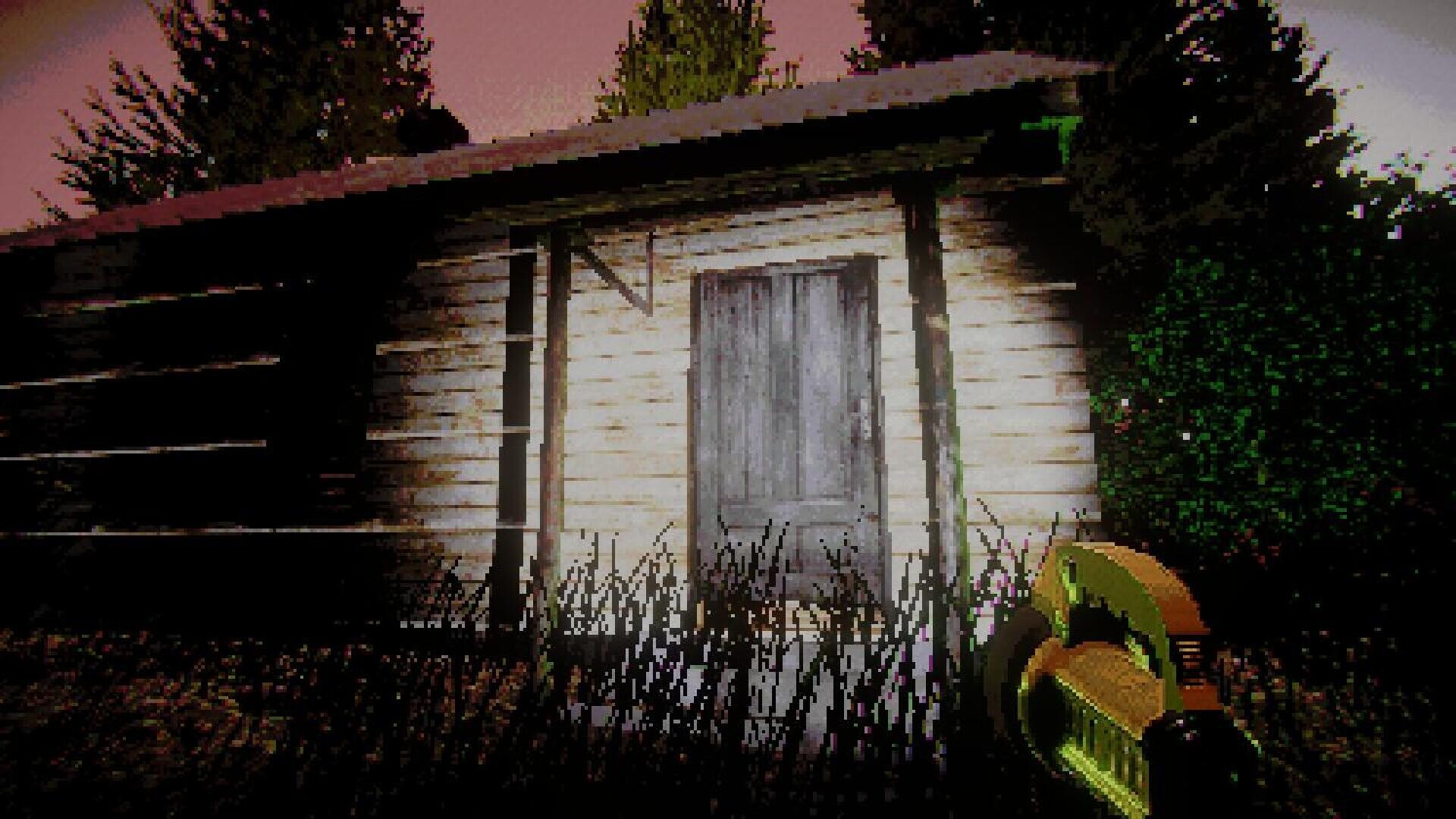
You have been hired to winterize a remote airport in Labrador, Canada. Complete a list of tasks on a whiteboard. Don't ask too many questions. Go home.
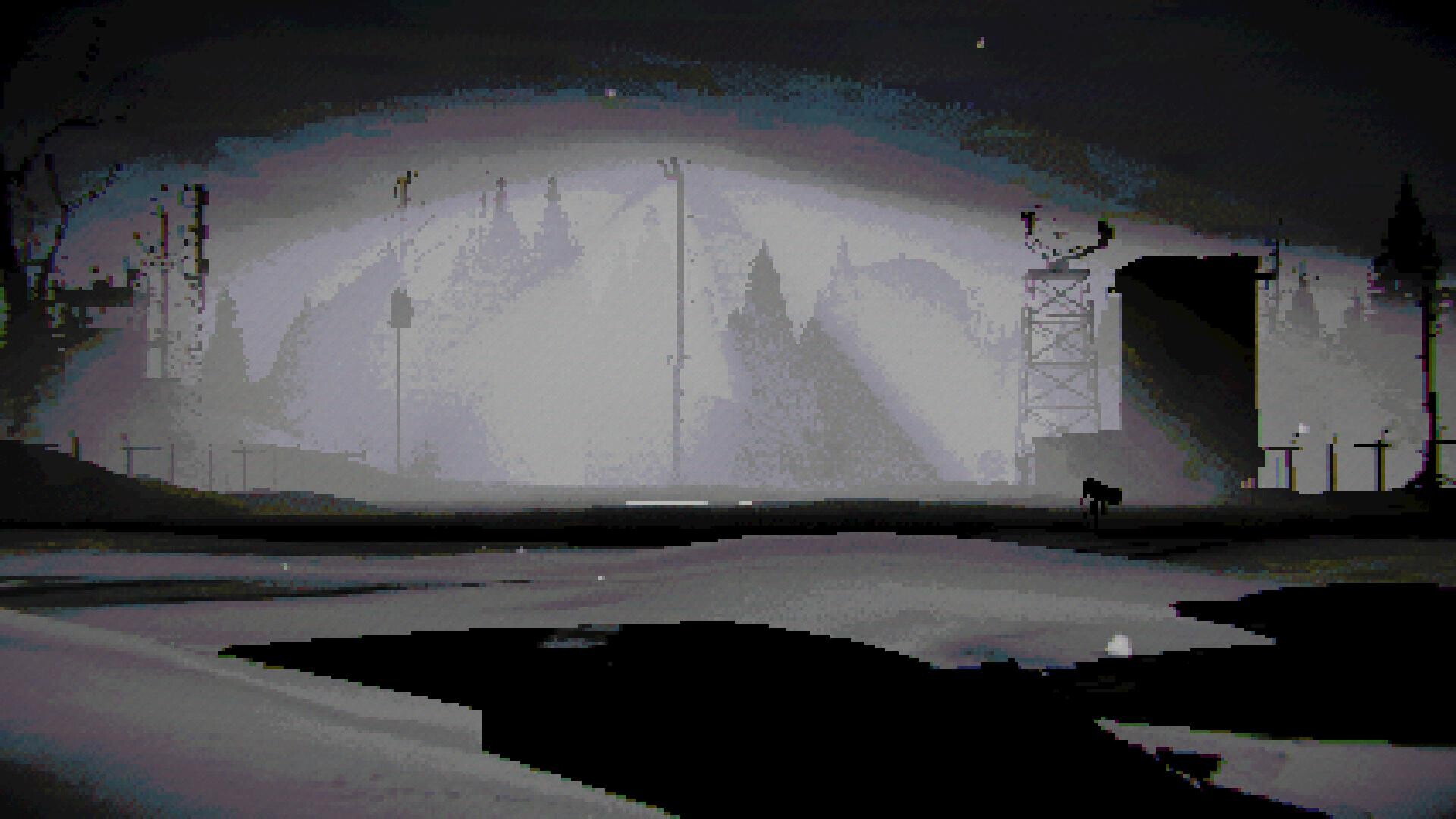
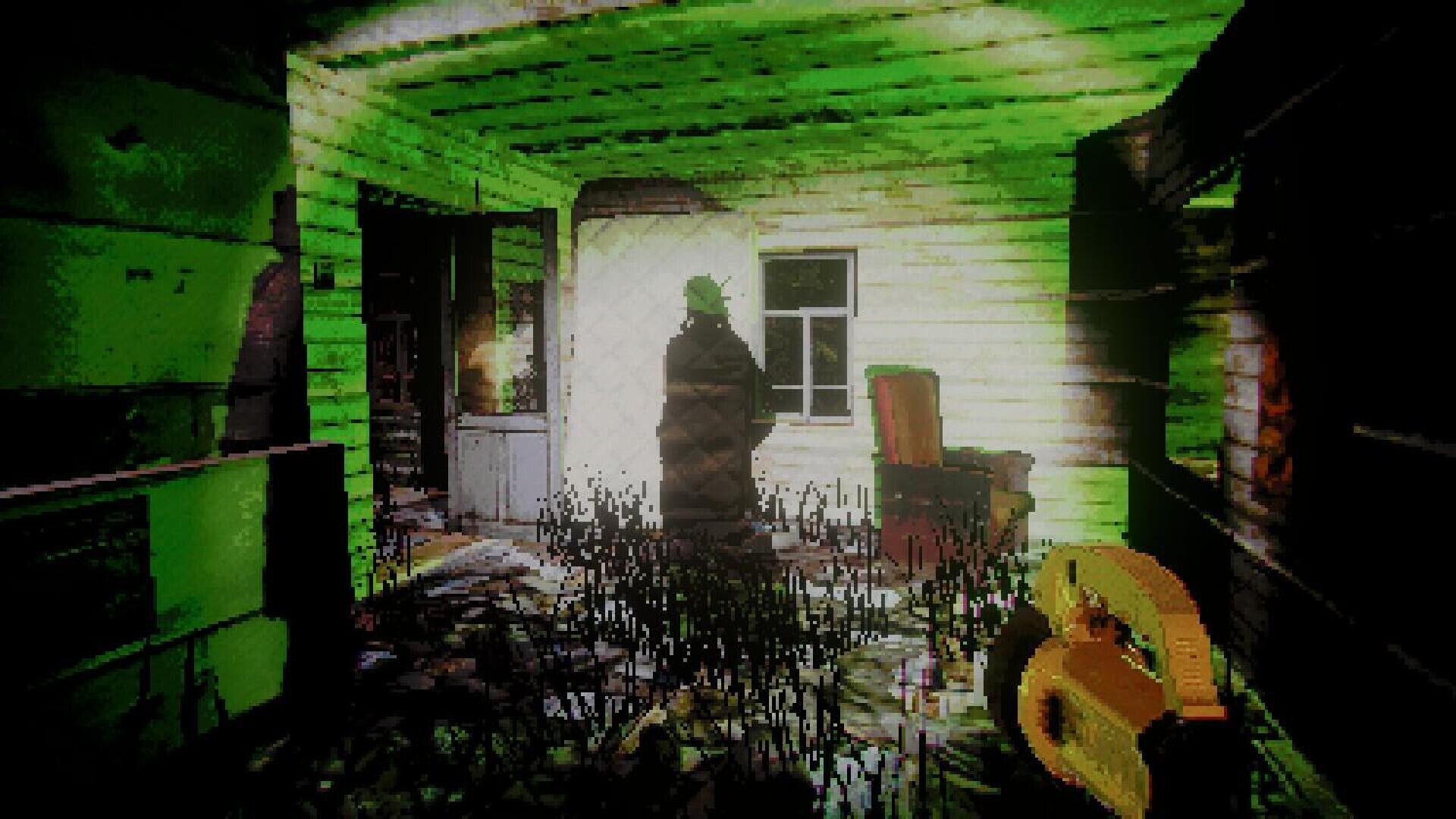
A single playthrough is a 15-30 minute ghost story where you do your best to winterize Mealy Mountains Regional Airport (YXM).
To do a truly good job winterizing YXM you will need to understand more. Return again and again. Eventually, you might be remembered too.
About the Game
What is this thing that lives in the Basin?
The settlers called it a god, Doctor Moon calls it an illness, Victor calls it an investment and the analysts call it a Class O intrusive pattern. None of them are exactly wrong but I cannot bring myself to say they are right either.
Whatever we call it, one thing is clear: it must be closely monitored. The FCG analysts say it is now sleeping but that if the contagion were to spread it would constitute a civilization-ending threat. I'm not inclined to disagree with them.
Features:
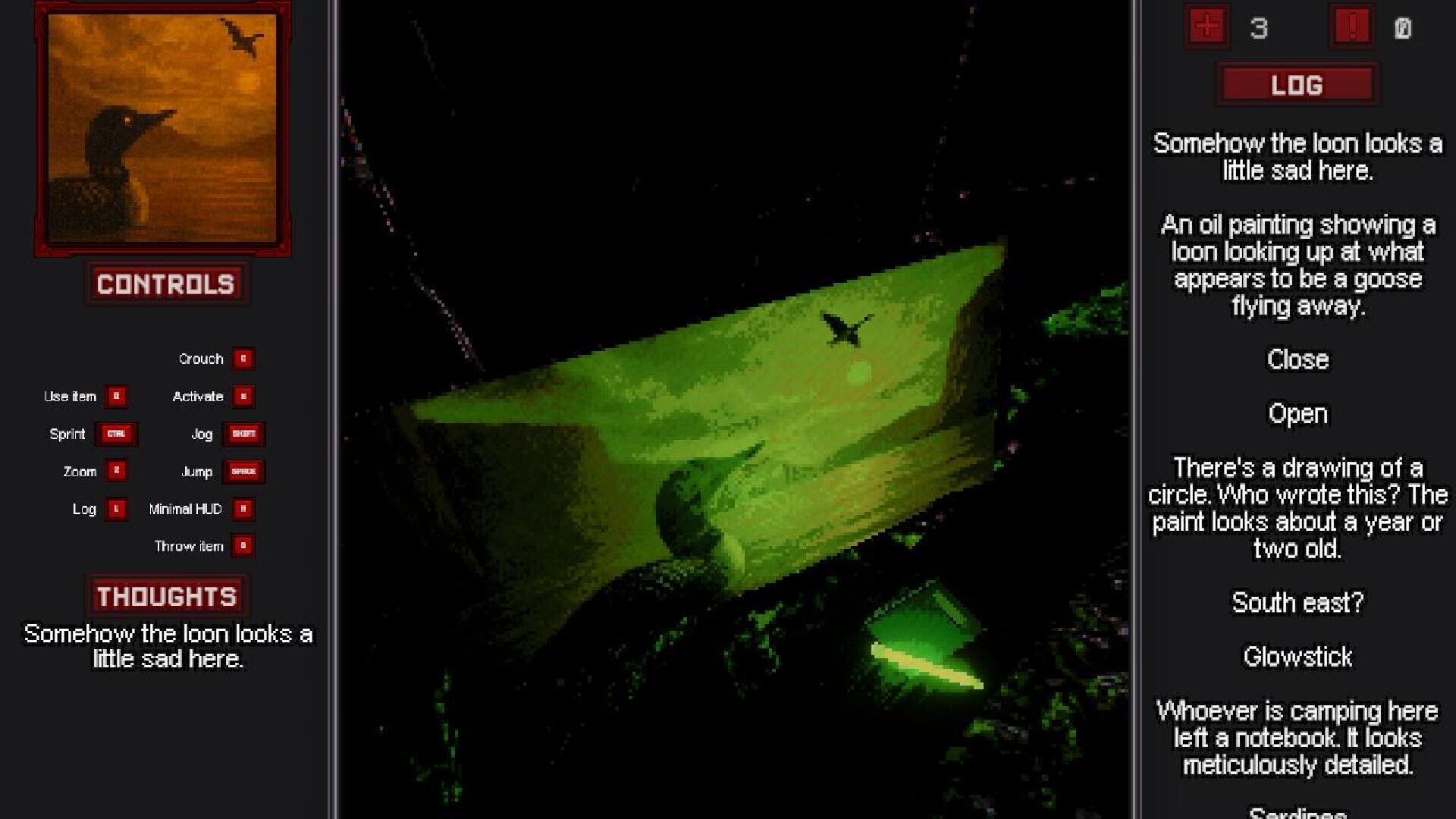
Play the game more than once. The place is alive, it will change when you come back to it.
Try to winterize an airport before your shift ends
Falling down
Nine endings - some of them earned
Sanity system?
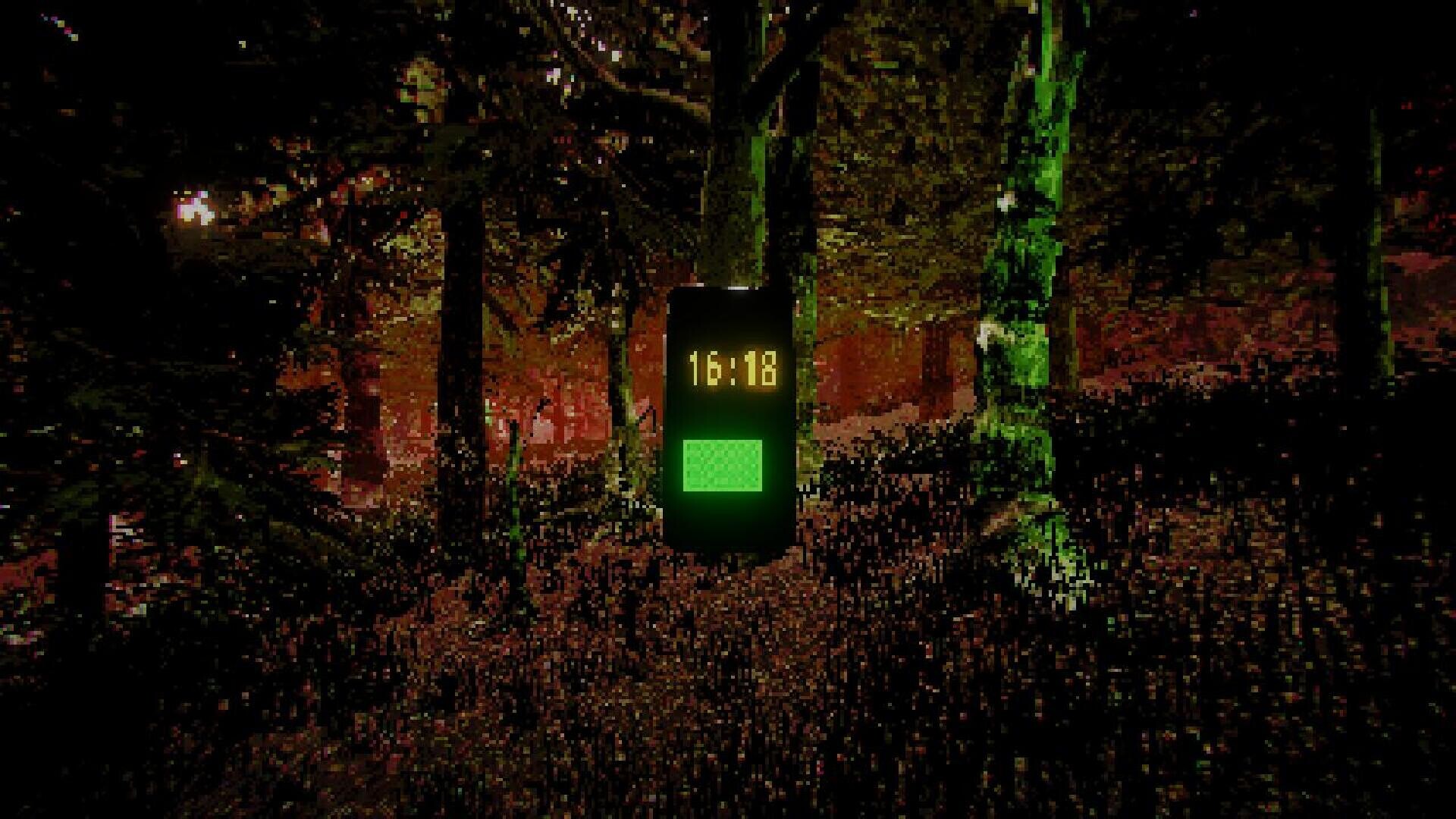
Questionably functional navigation equipment
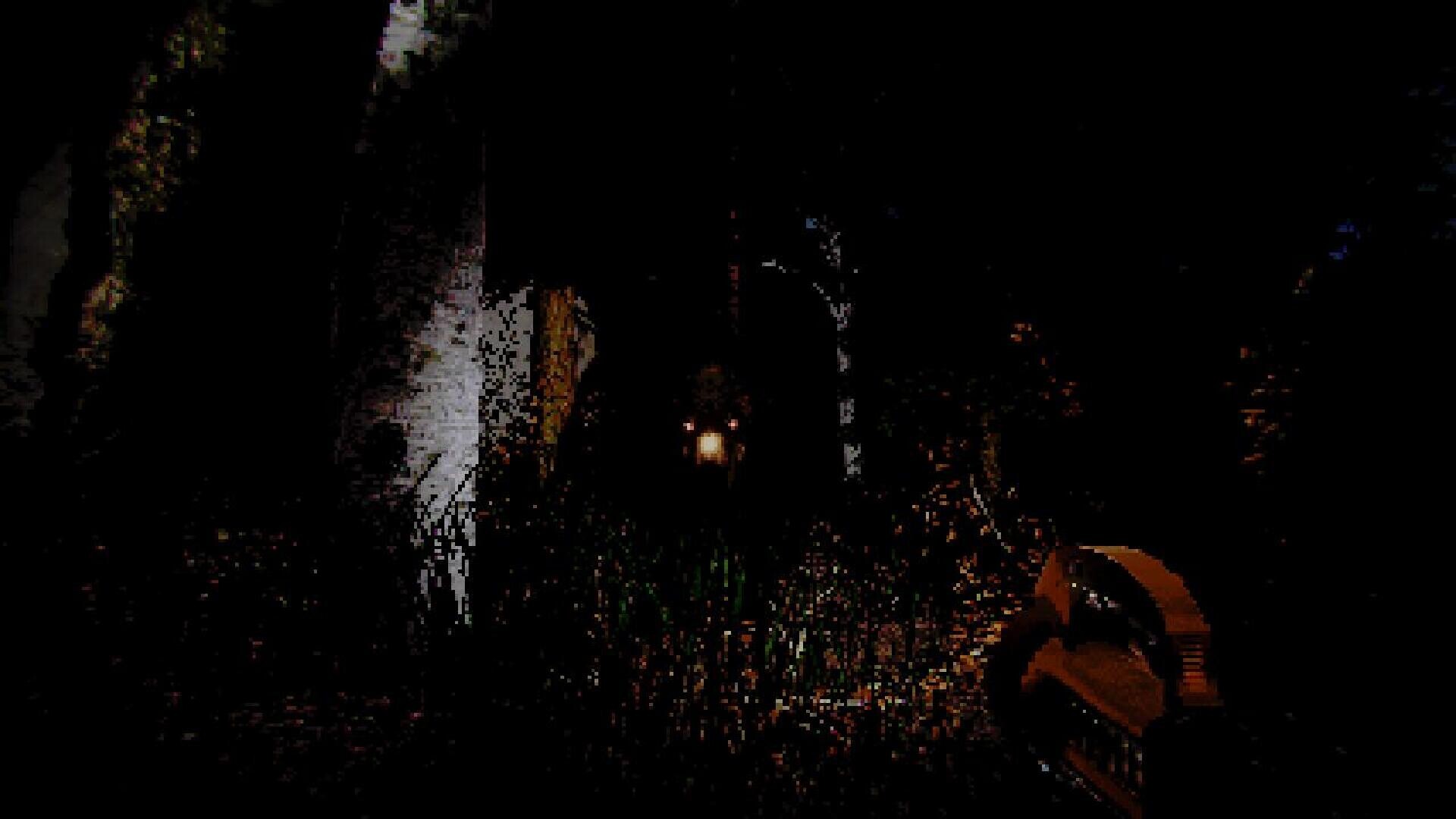
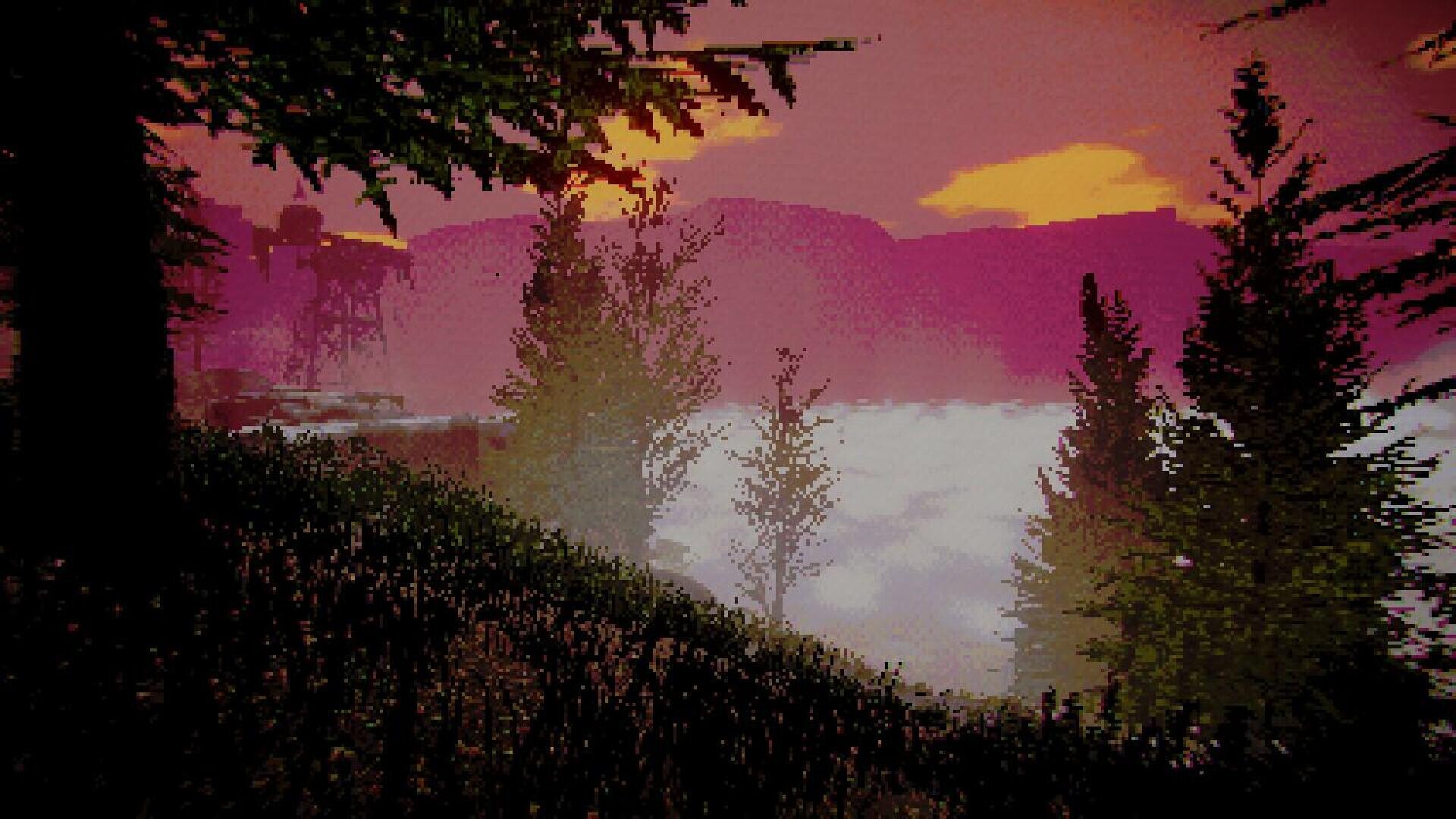
Opportunities to get lost in the woods
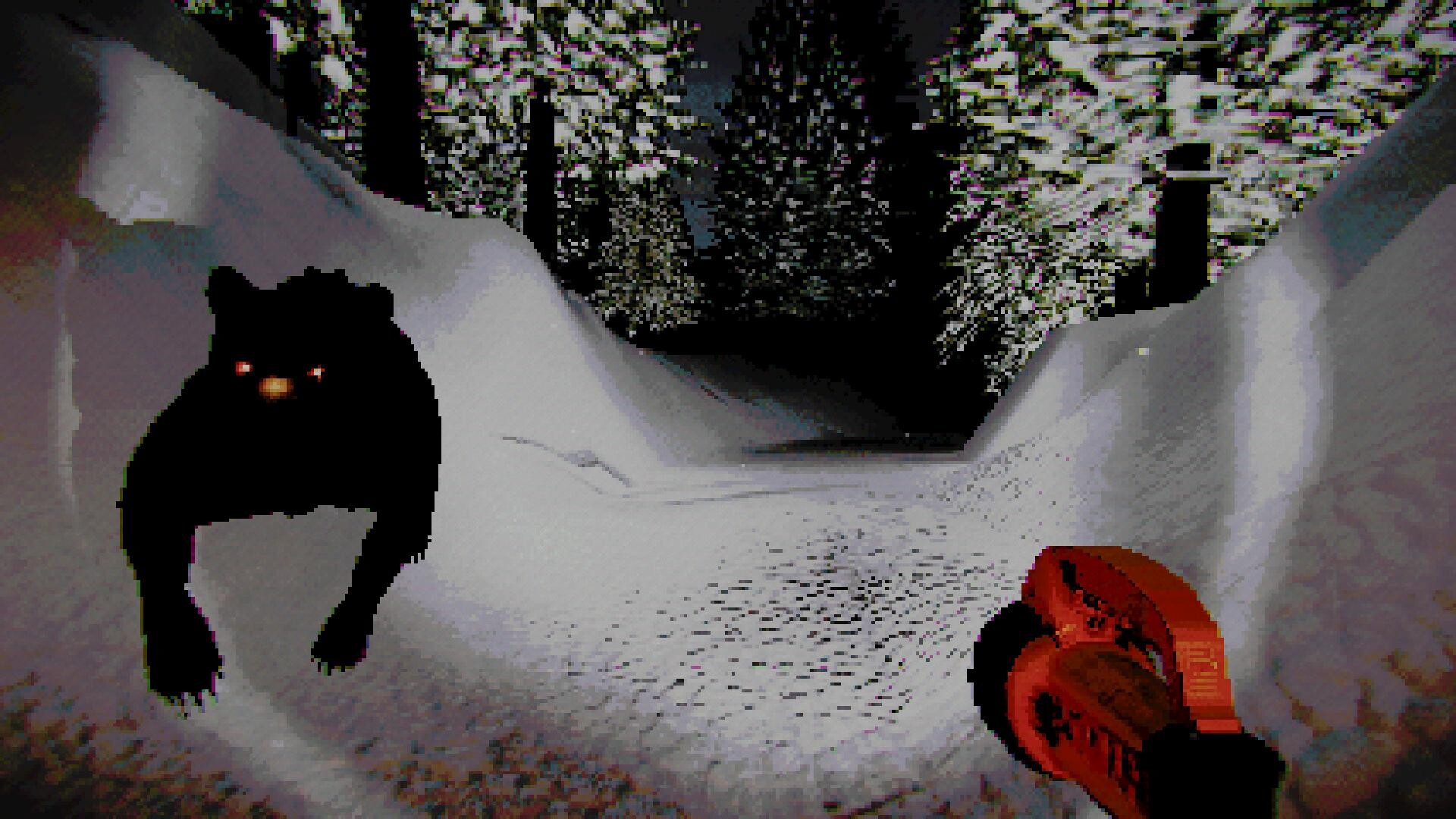
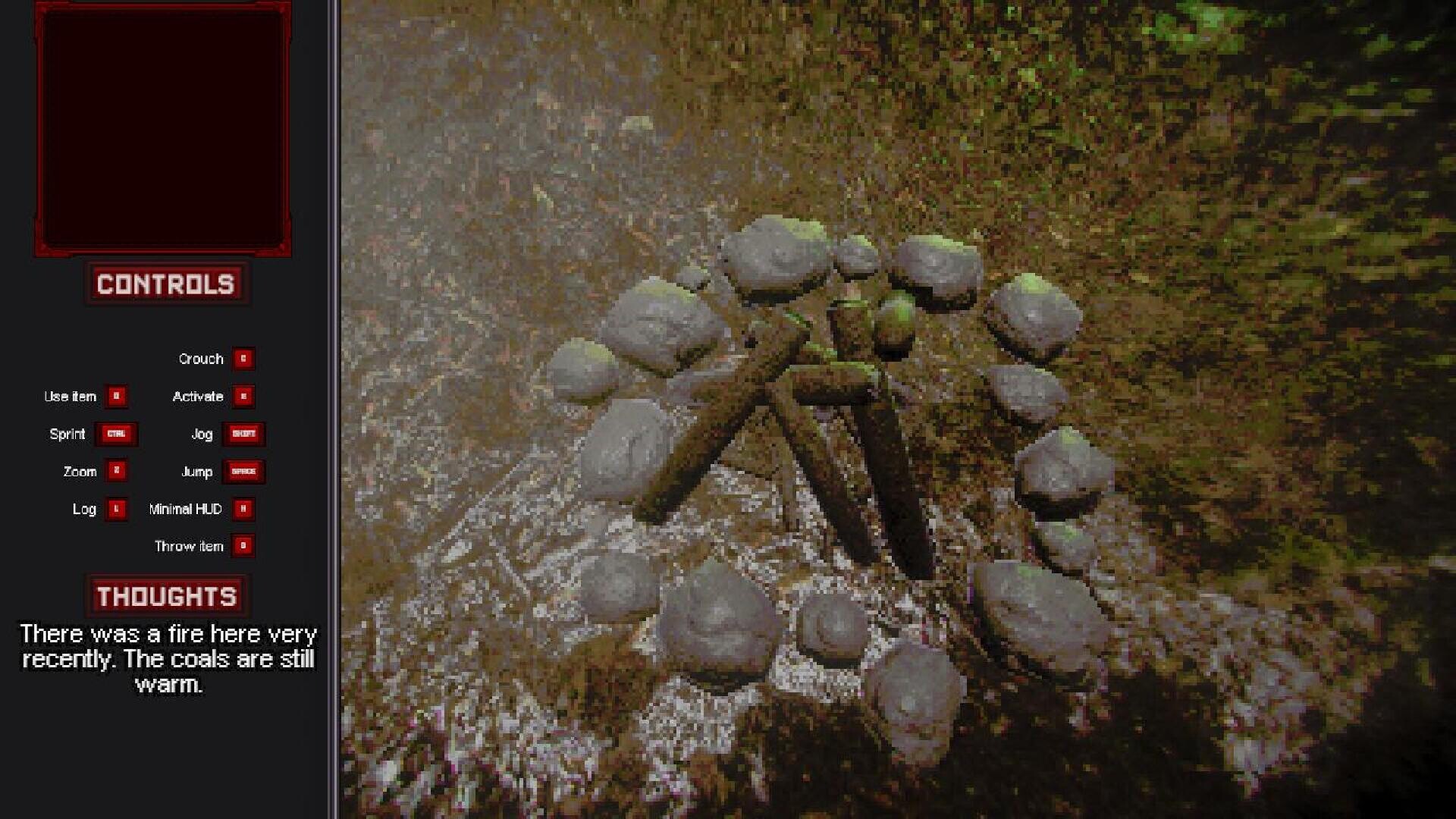
Terrain system. Escape is difficult in the snow
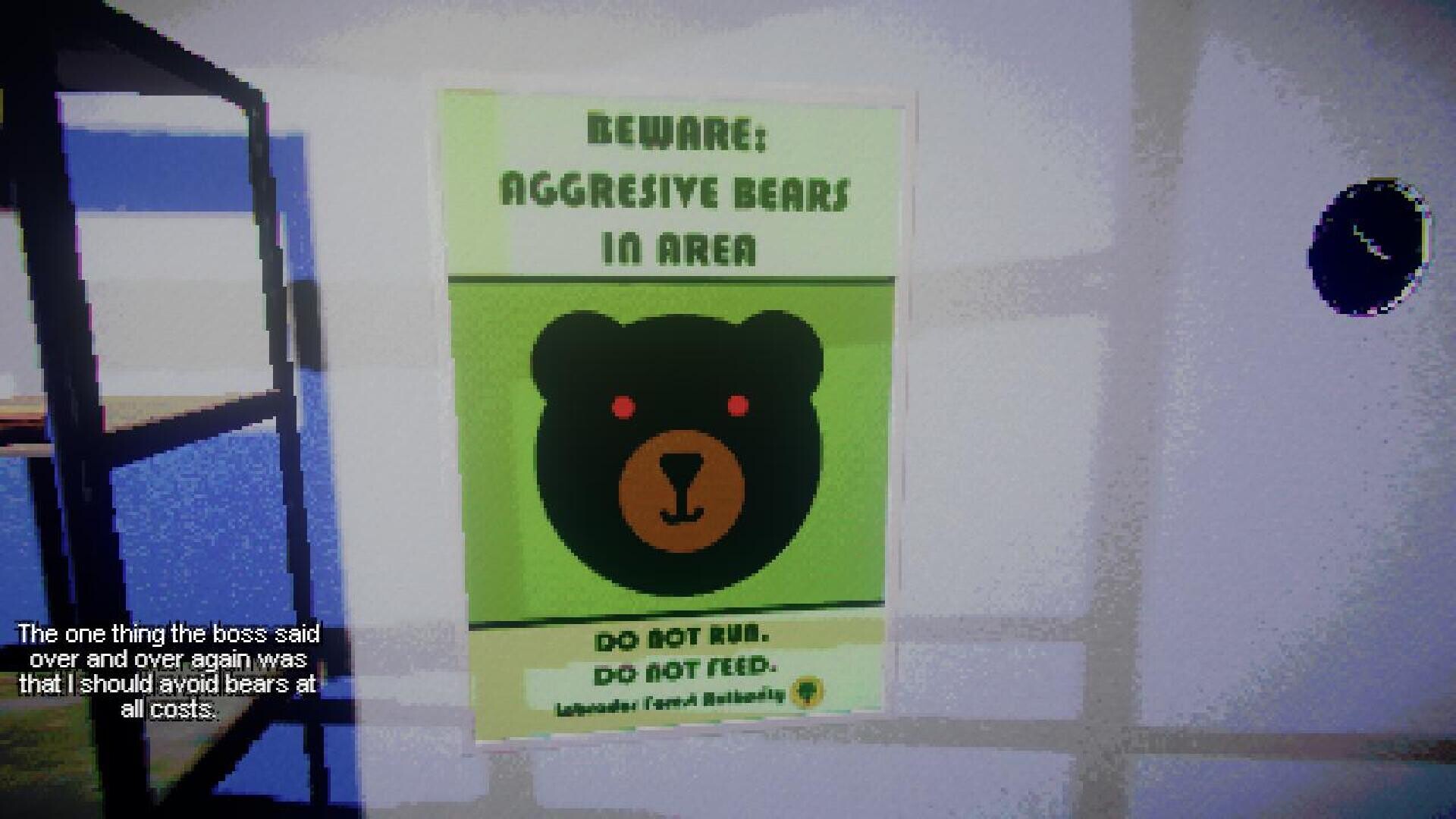
Bear
What to expect in November:
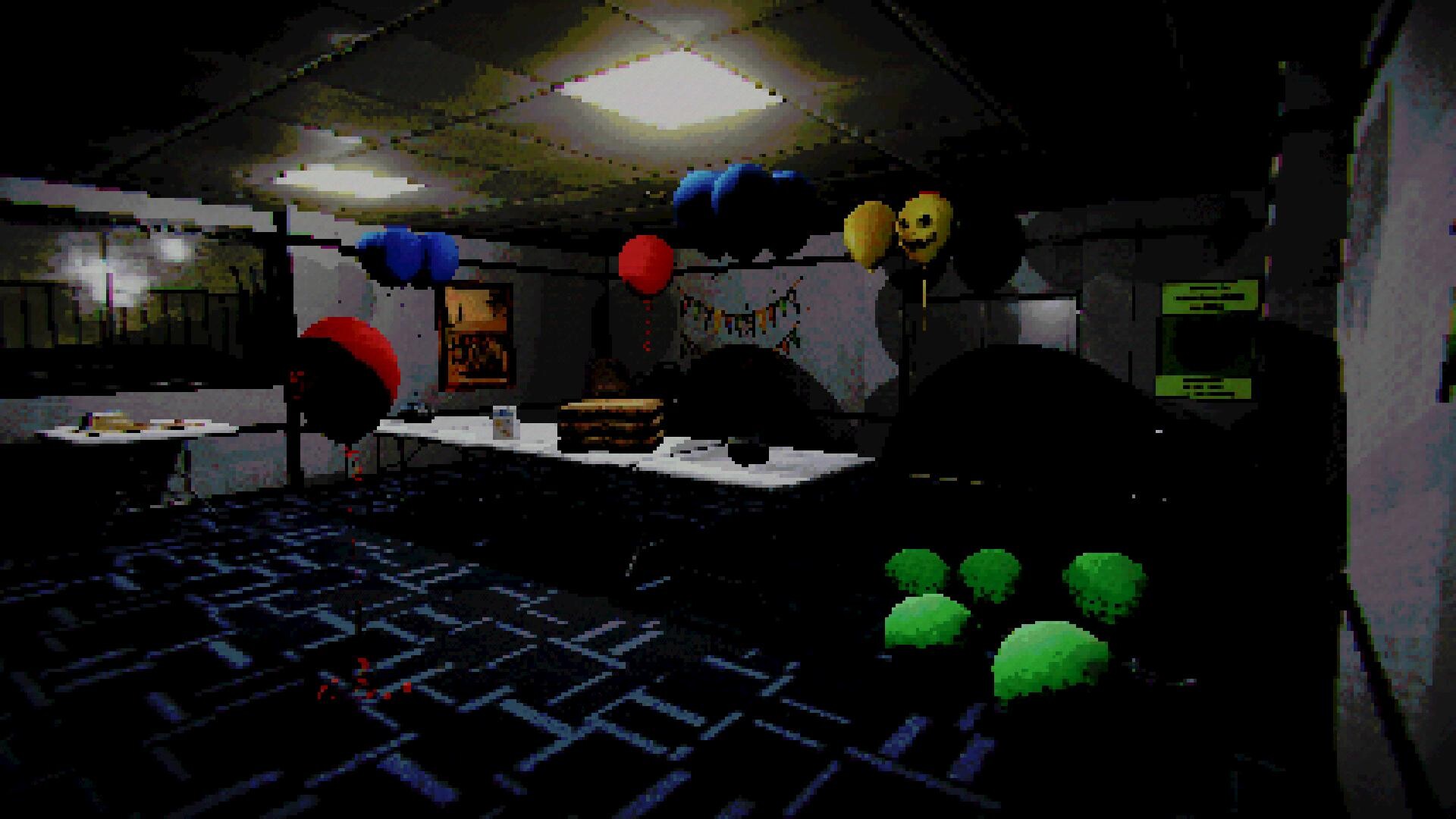
Winterize Mealy Mountains Regional Airport. Complete a list of tasks before your shift ends. Try to survive. November is a standalone story set roughly a month after the main game's events.
If you play once: Expect a 15-30 minute ghost story. Your goal is simple: make it to morning and leave. We can't have a repeat of last year, Warren.
If you return: Expect a challenge. Winterizing the airport will not be easy and you'll need to understand more than you do now. Find out why you still feel.
What to expect in October:
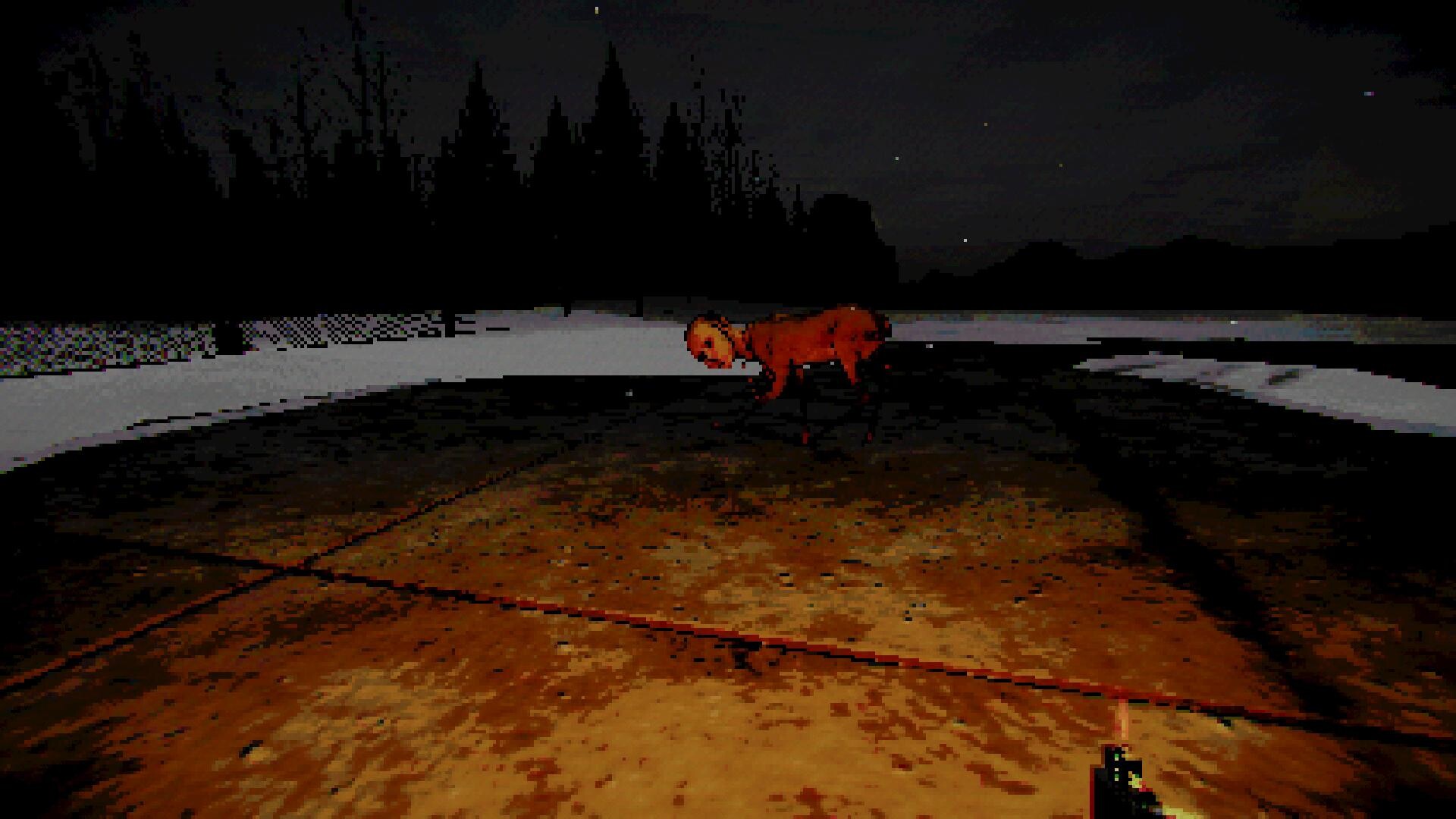
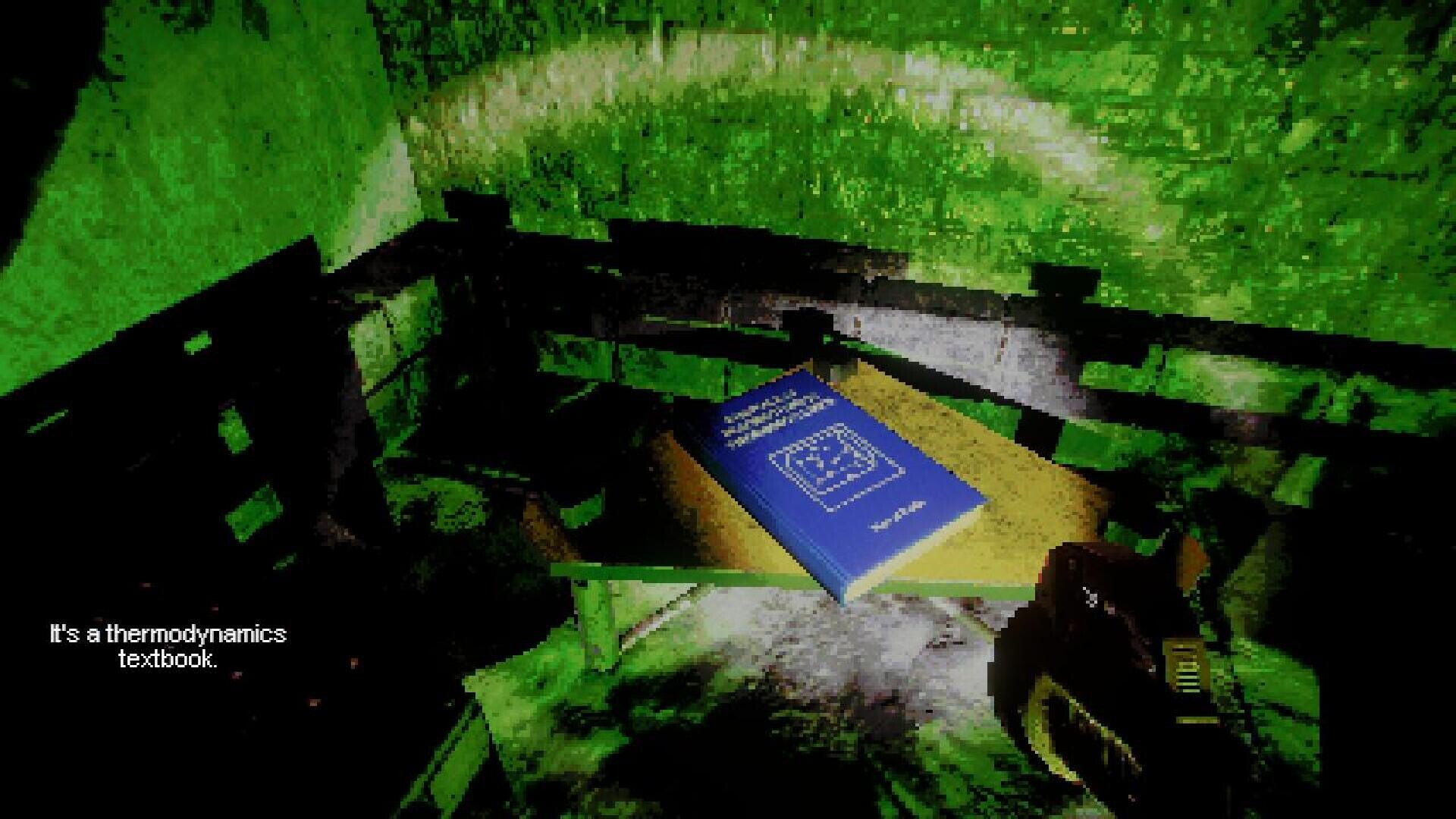
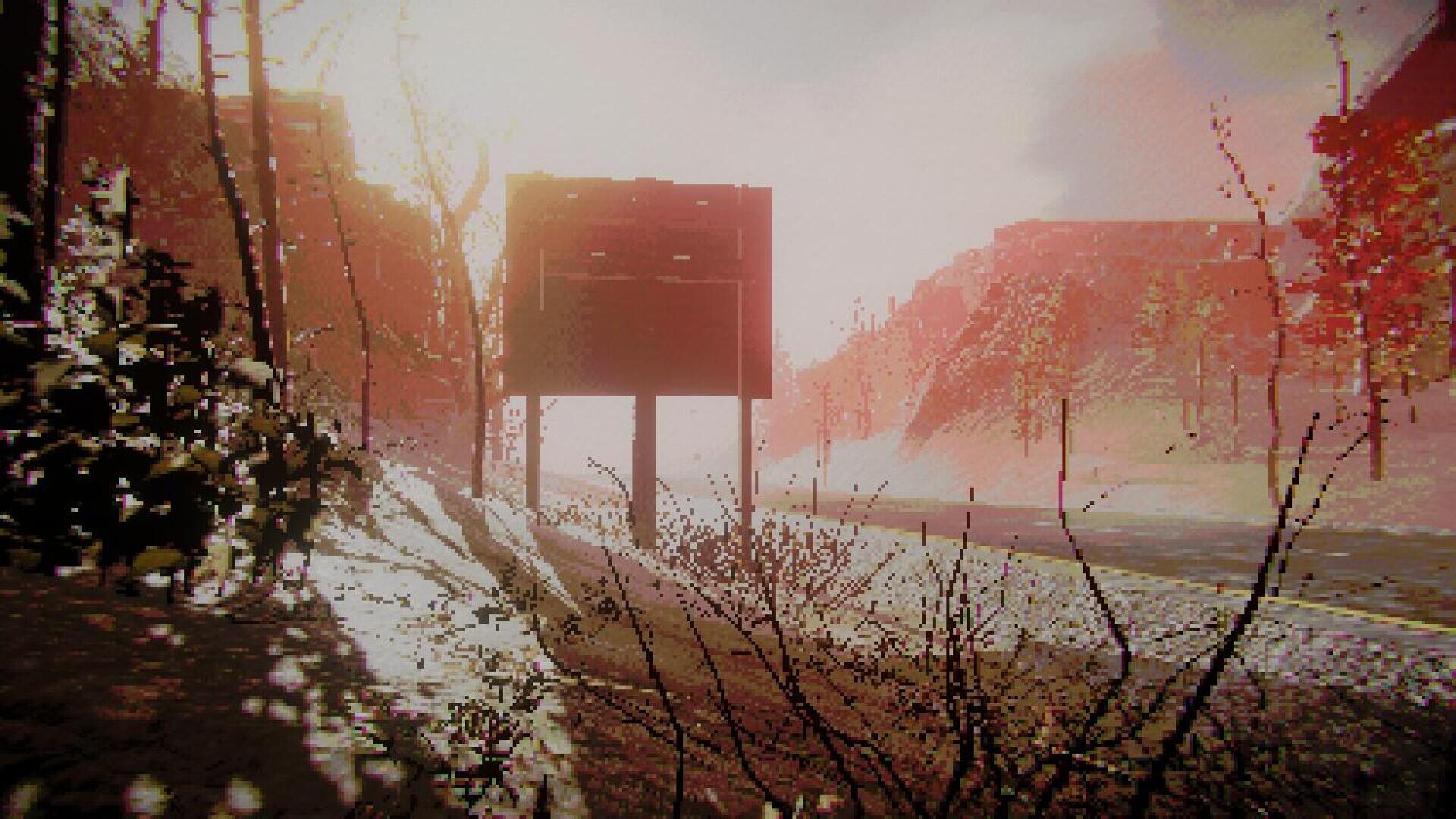
A single night on a remote stretch of Canadian highway. Try to locate a missing person. Explore an open forest in Labrador with many threats and limited means to fight back - survival means avoidance, preparation, and knowledge.
If you play once: Expect a one-hour survival experience. Your goal is simple: make it to morning and escape via the rescue helicopter.
If you return: Expect a deeper mystery. The puzzles are designed for note-taking. Multiple endings unlock as your understanding grows.
Be careful that you don't bring something back with you.
Yetman's Basin, Labrador
"Yetman's Basin is an especially geologically anomalous region of the Canadian Shield. The rocks in the area are a rare combination of the right minerals and the right groundwater which have created a vast network of glacial melt pseudokarst caverns that stretch underneath. The ore in the area has attracted quite a few industrial endeavors over the years, none of which have managed to survive. I even heard that in the 1980s, a university expedition proved the existence of caverns lying below that have remained sealed for over a billion years. Despite all of this, academic interest has dwindled to almost nothing. Why?
Everything about this place tells me that it should be crawling with interest and yet to the outside world, it might as well not even exist. I'll be leaving in the fall."
Eventually, you might be remembered too

Production disclosure:
What follows is a breakdown of the tools used in this project. If something isn't covered here, feel free to ask.
My own contributions include story, characters, all writing, music, the look of the game, creature design, sound composition (like sound editing, layering, filtering etc), and a few sound effects (the main characters oofs and ughs are me). On the design side, I did: gameplay design, slip mechanics, level design, encounter design, horror systems architecture, a select few of the easiest 3D elements/textures, and graphic design elements (in-game posters, promotional artwork, logos, store art etc). Some of the systems I specifically designed are the roguelike meta-progression, the sanity systems, the terrain system, the light-ghost interaction, the low sanity world design, the cave engine, the stamina /gait physics, item usage, sanity-music interaction, health, the interaction system (image interacts). Most of the enemy behavior is designed by me. The bear, the sheet ghosts and the construction crawler were the first monsters I designed; I used Blaze AI to help learn and understand how to make an behavior framework, all the other enemies are entirely custom. Also many of the good ideas in this game came from discussions with friends and family :)
Music was composed by me using Klimper 2 and Reaper. The instruments are samples from Spitfire Audio LABS. Audio filtering done with Ocenaudio.
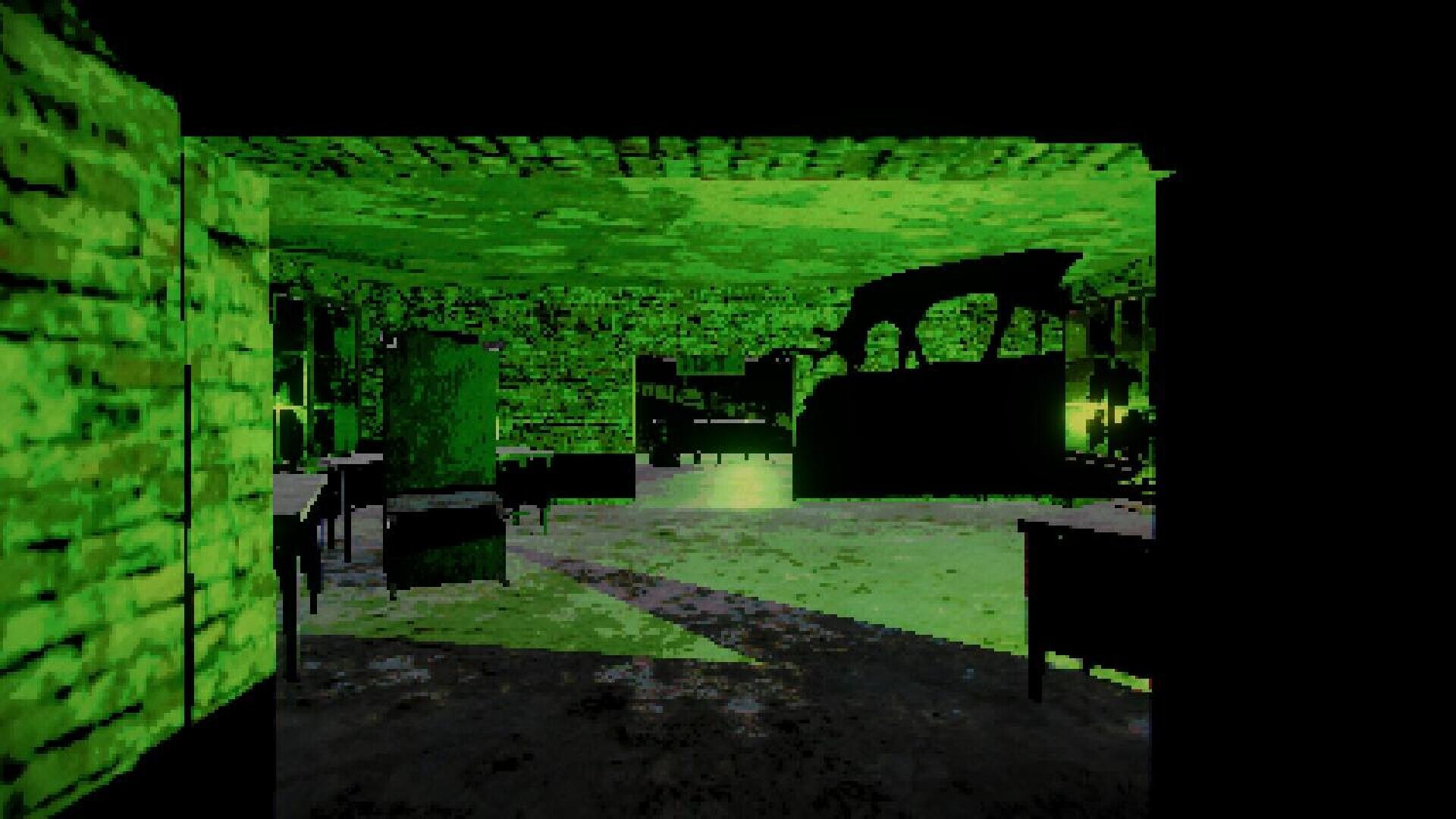
Asset packs were used in development, most significantly FPE Kit on Unity (there's an Itch demo you can check out to see the differences). The terminal environment is built on top of Airport Terminal pack by weissegames (check out the before and after!). The bear, the sheet ghosts and the construction crawler's navigation and attack behaviour are partially handled via Blaze AI. The day night cycle is controlled by Jupiter Day/Night Cycle. Sound effect libraries were used for the majority of the in game sound effects, shoutout Zapsplat. Many other asset packs were used.
AI use in this game includes Claude and Claude Code for assisting with implementing complex systems and bug fixing. The codex's image-examination assets are pre-rendered during development: in-game screenshots are composited via ChatGPT and then some are stylistically processed by a model running locally on my laptop. Adobe Podcast was used to make recordings on my not-very-good mic sound a little better. Most sound effects were found in online libraries but in some cases they were generated using ElevenLabs and other sound generation models when suitable alternatives could not be found. Some 3D models and textures were created using Meshy. Text was checked for spelling and grammar with Grammarly and Claude.
Available Tables (0)
View available tables...Events Timeline
View full events timeline...Initial Release