Ex Oblivione
About the Game
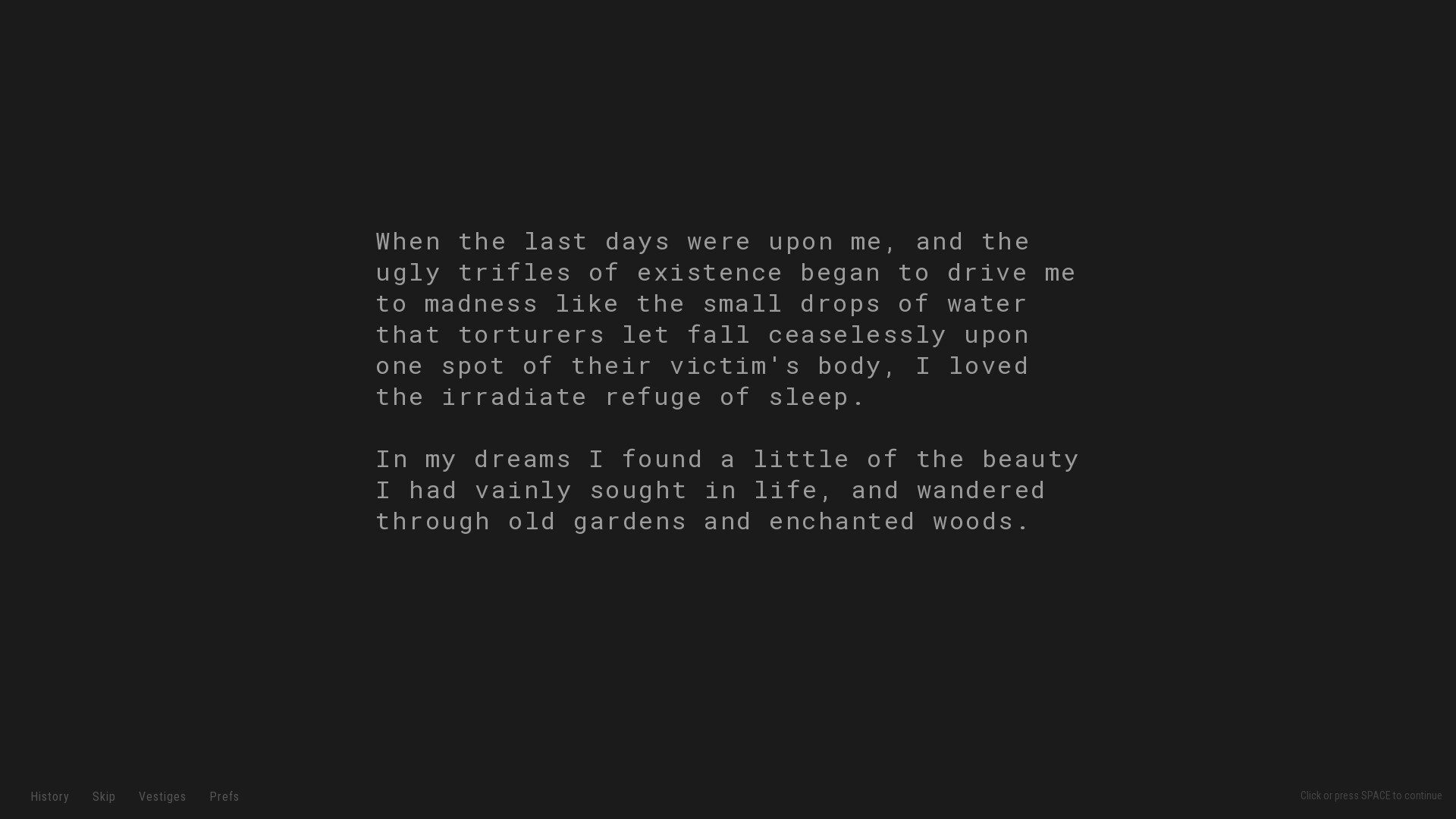
"When the last days were upon me, and the ugly trifles of existence began to drive me to madness like the small drops of water that torturers let fall ceaselessly upon one spot of their victim's body, I loved the irradiate refuge of sleep."
— H. P. Lovecraft, Ex Oblivione (1921)
In 1921, Lovecraft wrote eleven paragraphs about a man who dreams his way toward a gate, and toward what waits beyond it.
Ex Oblivione is that text, dreamed six ways.
One dream, six times
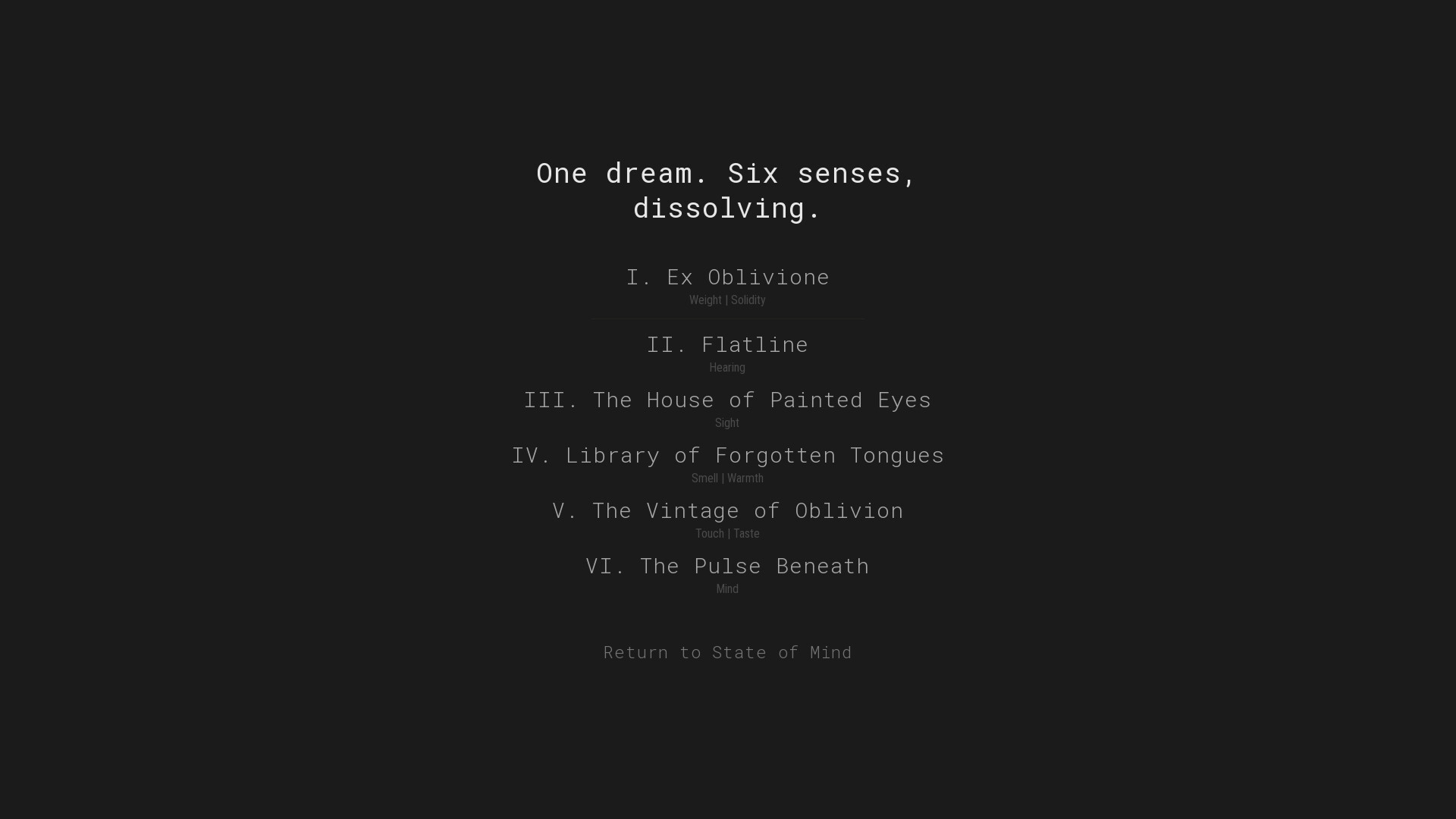
The first dream is Lovecraft's own words, unaltered. The five that follow are variations on it: the same eleven paragraphs, retold through other traditions of thought. One descent, reached by different roads.
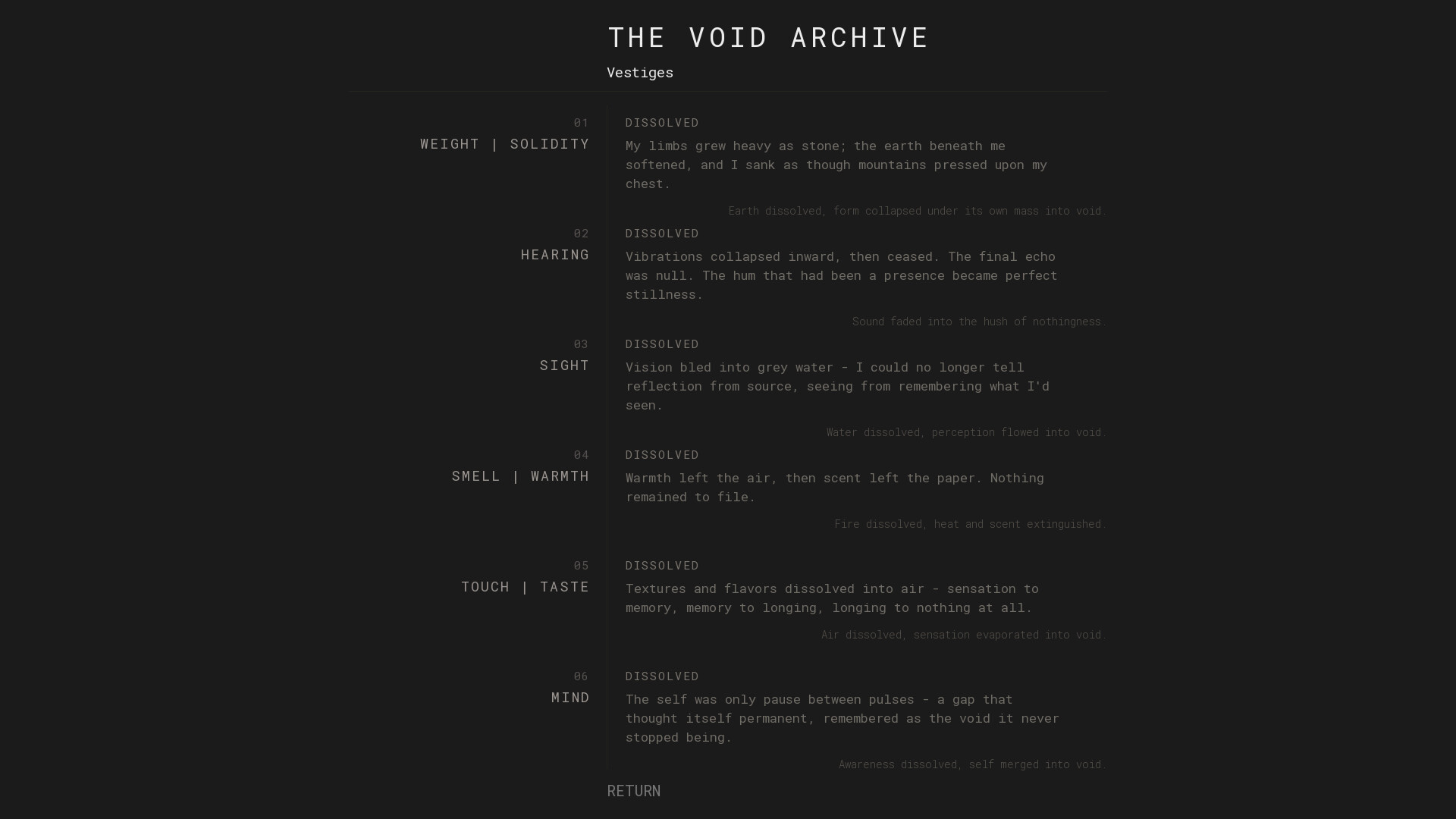
Each dream takes one of your senses, in the order the Tibetan Book of the Dead gives for dying: the weight of the body, then hearing, sight, warmth, touch and taste, and at last the mind itself.
The ending does not change. Only your way of arriving at it.
A sound novel
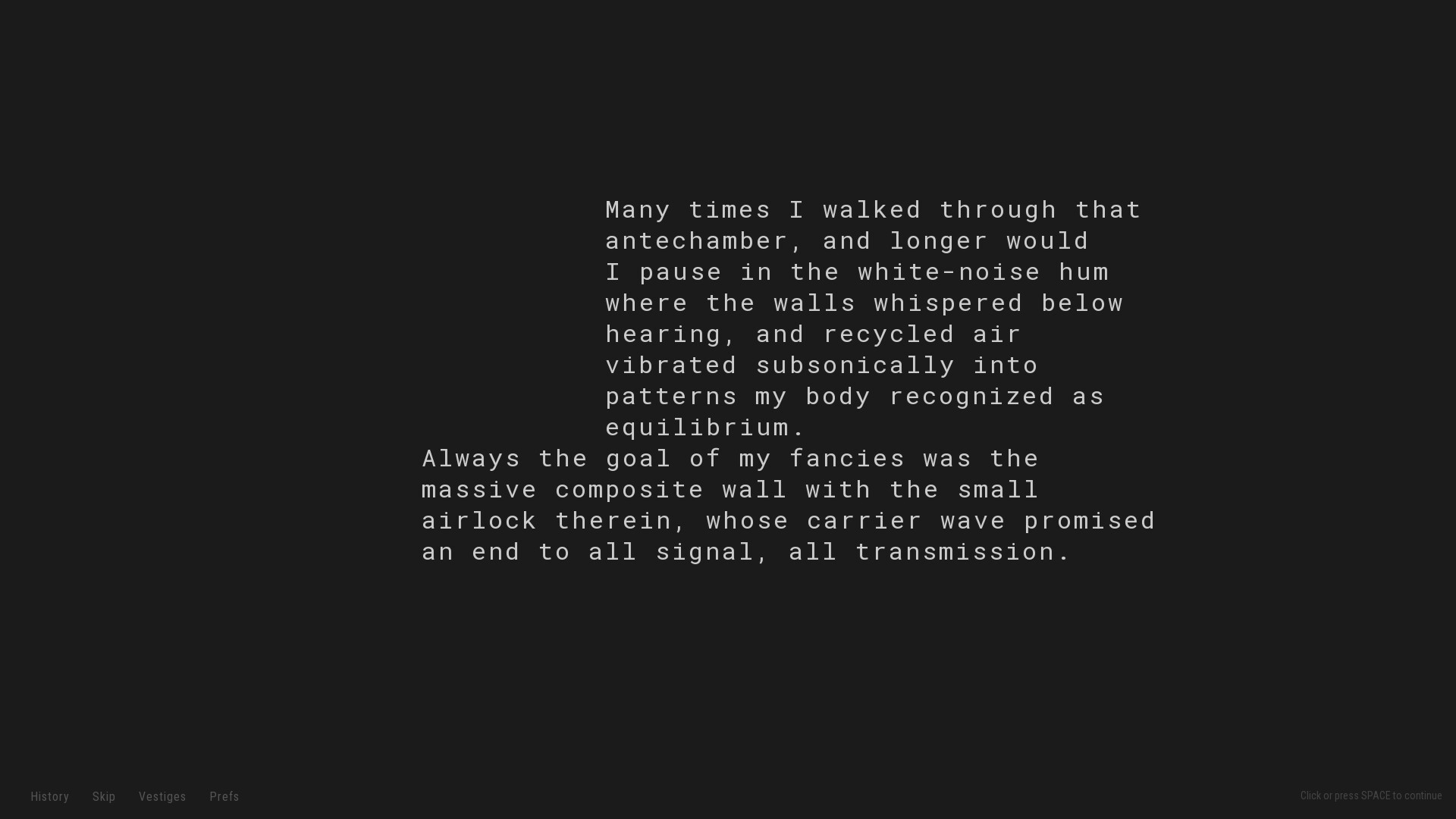
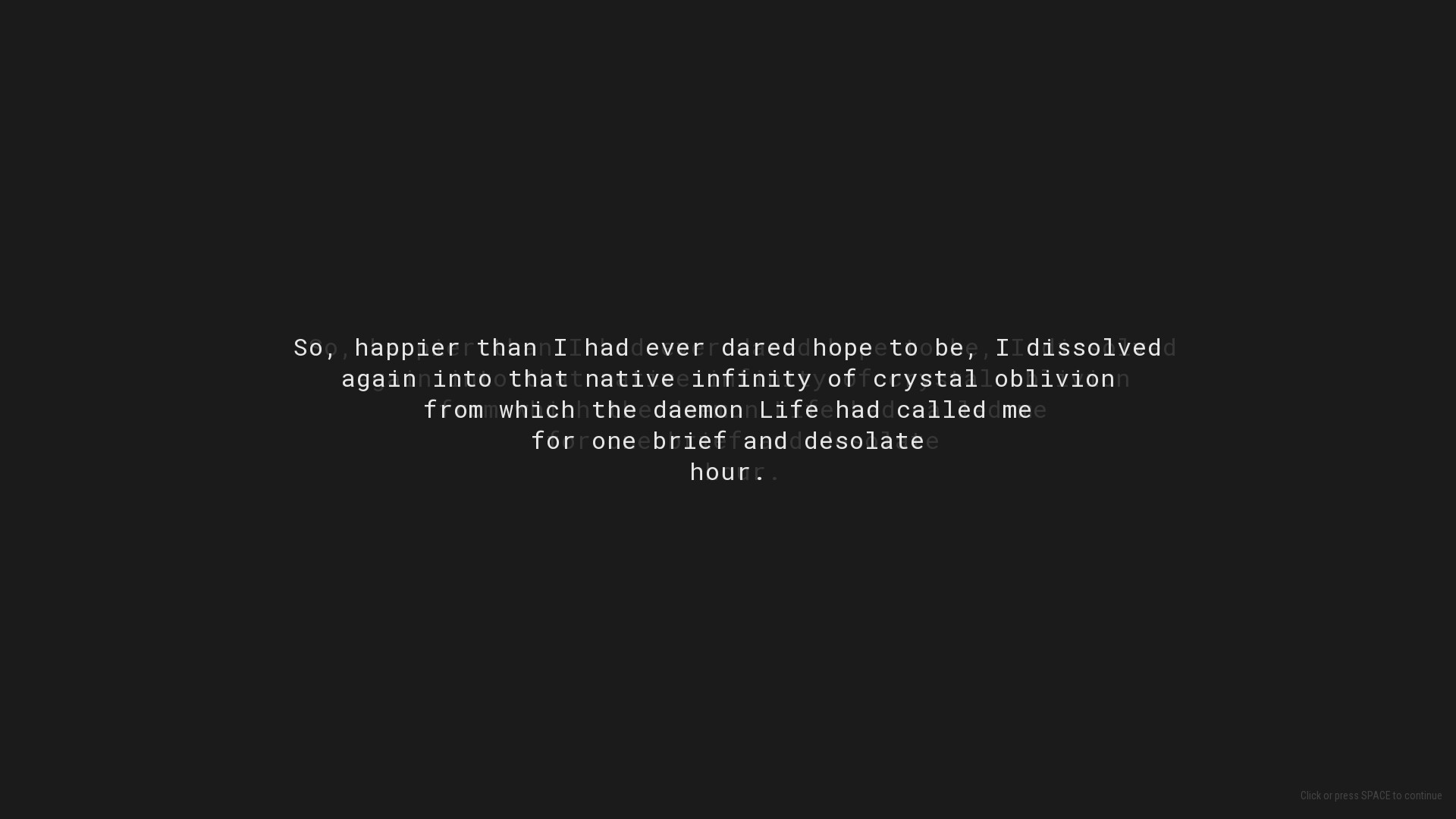
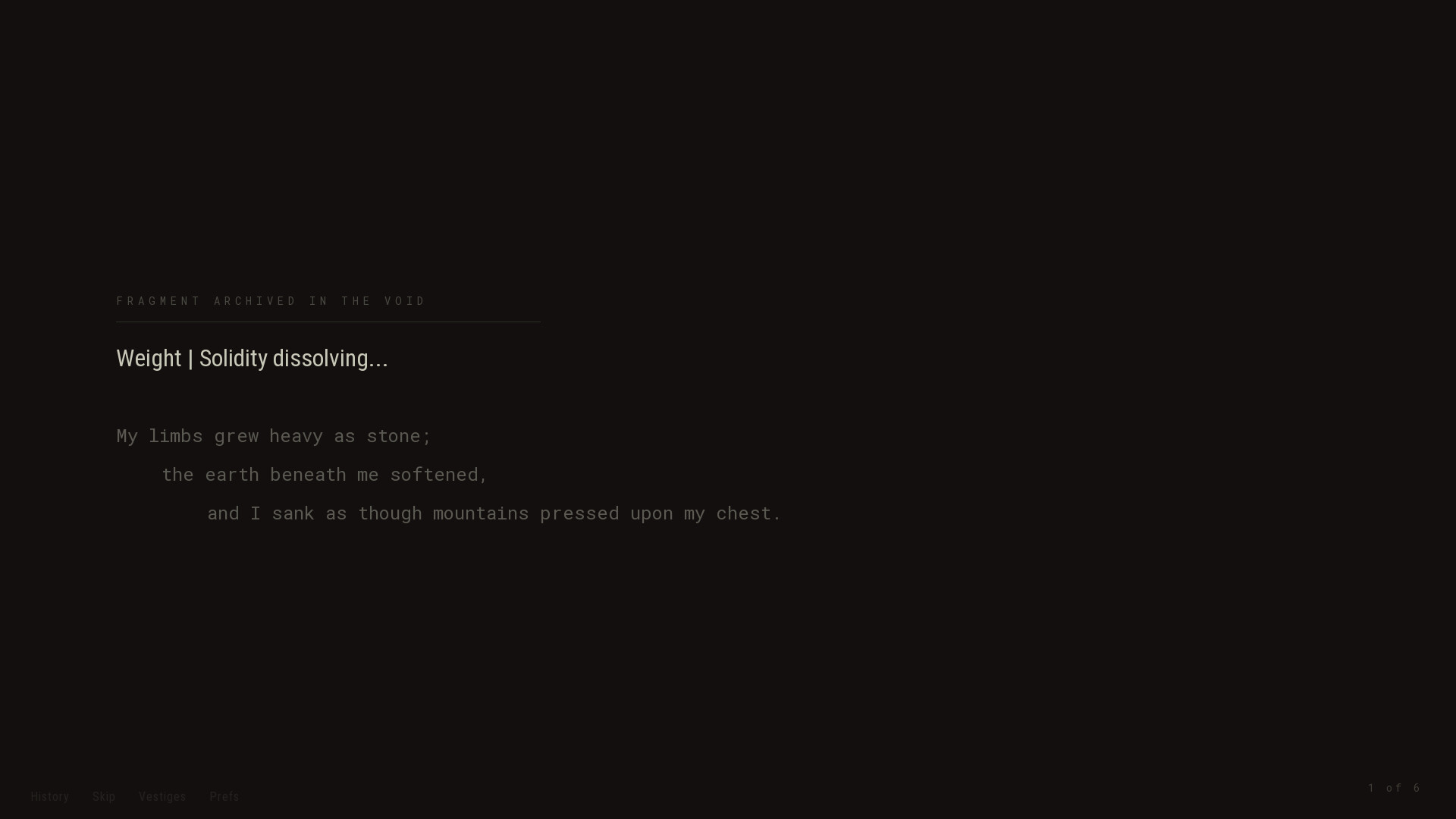
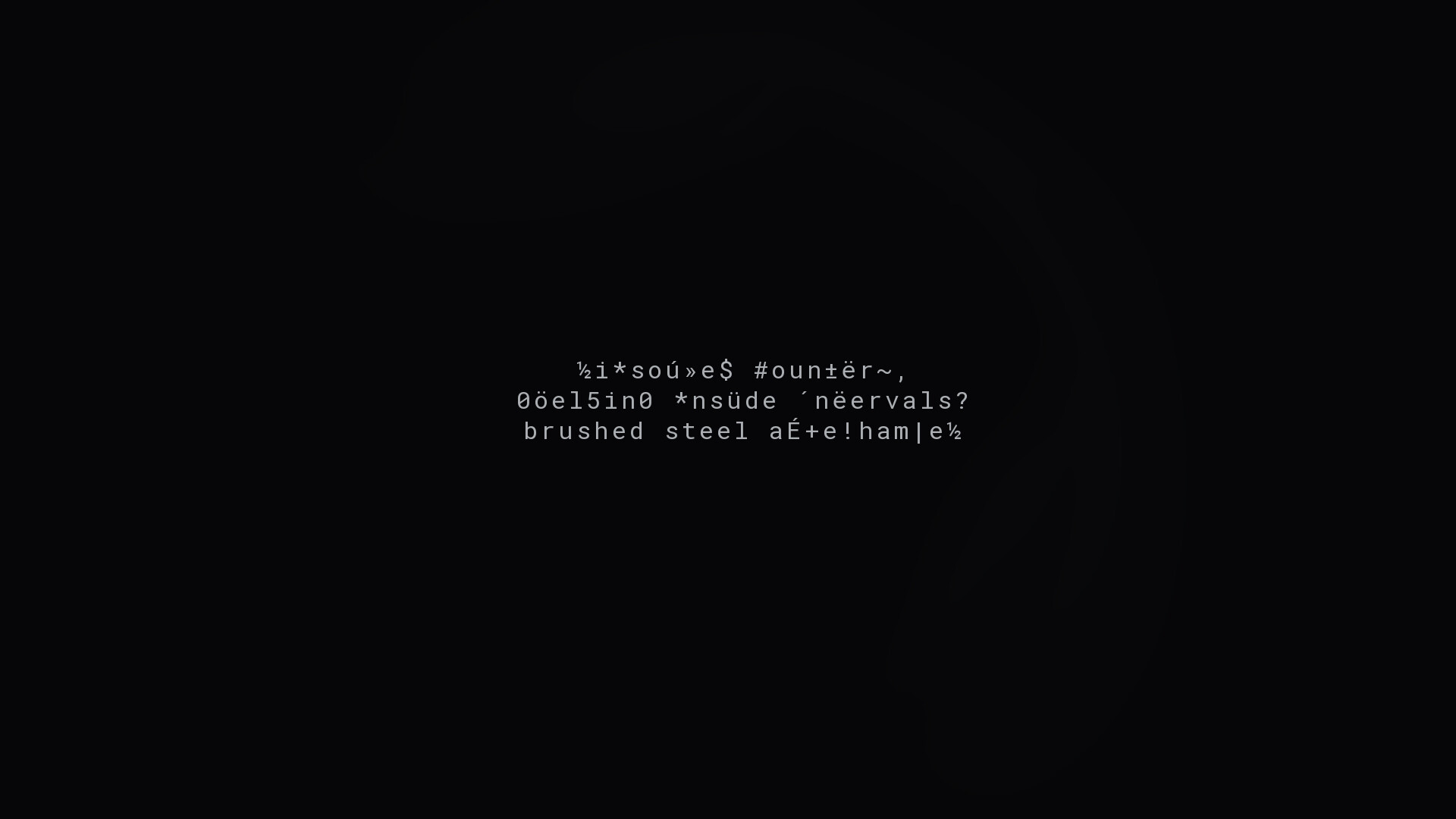
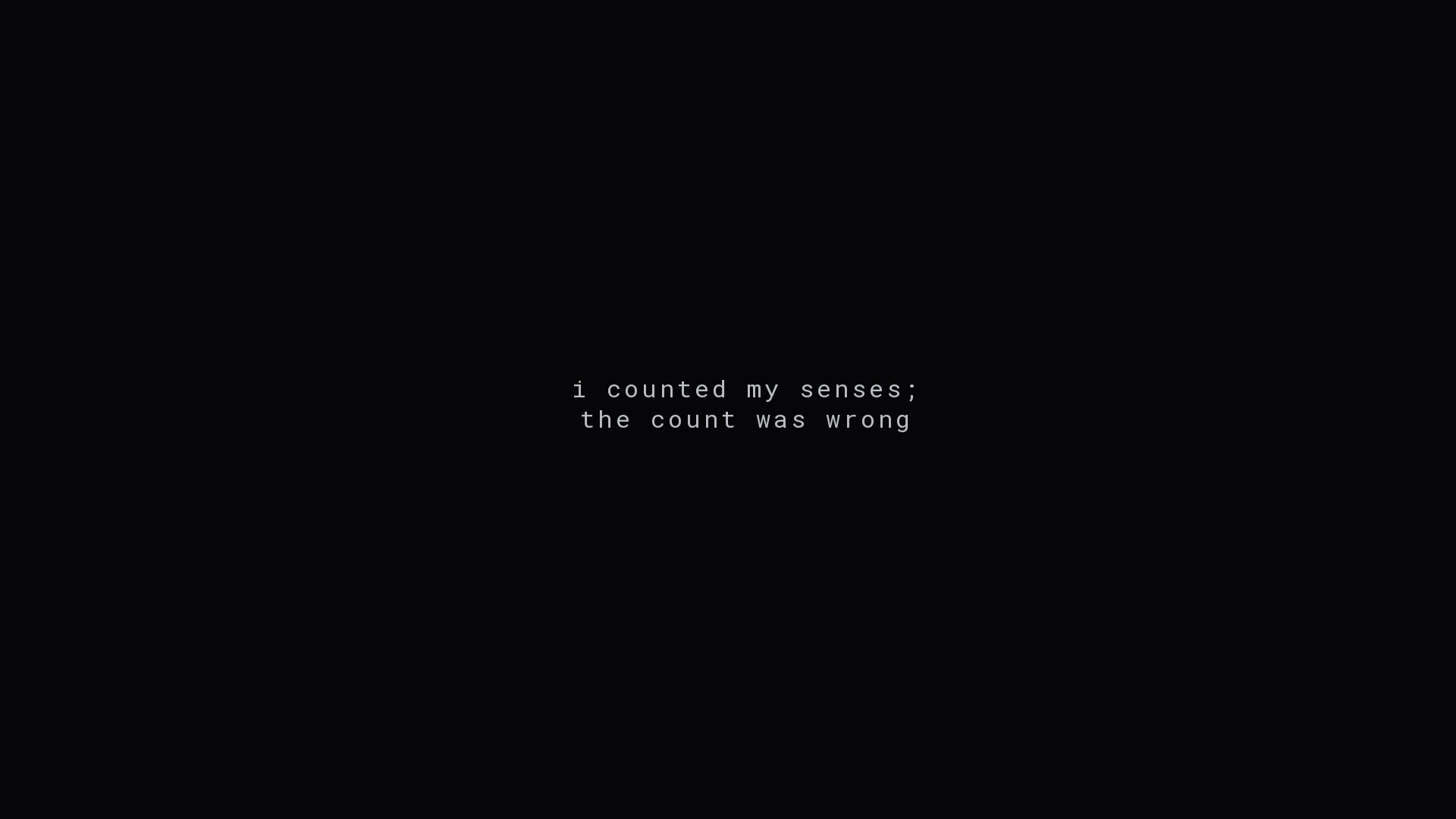
Typography is the only image. Every dream is narrated in English by Lani Minella, over an original dark ambient score by Last Offices and a sound design that comes apart as the senses do. Play with headphones.
No combat. No puzzles. No choices that change the ending. Only the slow dissolution of the senses, and the peace that waits beyond.
And after
When all six dreams are complete, they no longer keep to themselves. And past them lies the Void, which does not end.
At a glance
Six dreams of eleven paragraphs each, built on H. P. Lovecraft's Ex Oblivione (1921)
Full English narration by Lani Minella
Original dark ambient score by Last Offices, with sound design made for headphones
Typography-driven presentation, no character art
Around two hours for all six dreams, and more after
A ritual. For those who never needed the tentacles.
Available Tables (0)
View available tables...Events Timeline
View full events timeline...Initial Release