Fathom
About the Game
FATHOM™
Short Description
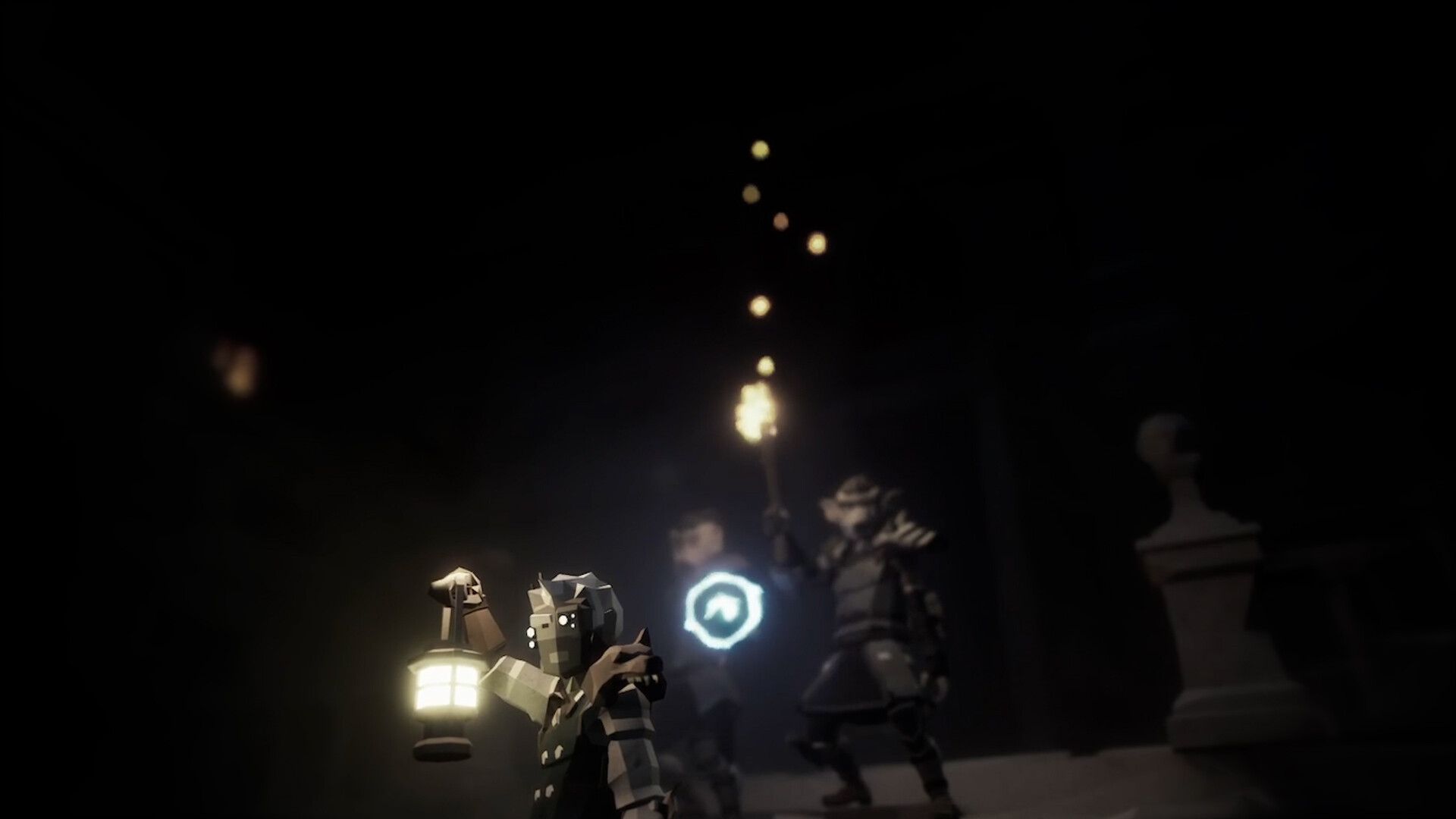
Fathom is a third-person, party-based science-fantasy RPG where dungeon crawling, turn-based combat, and environmental puzzles collide. Lead a party of three, uncover the rules governing a strange engineered world, and manipulate those rules to reach places that should be impossible.

About This Game
The dungeon isn't impossible. You just don't understand its rules yet.
A century after disaster left your ship buried beneath the world of Delavorn, you awaken from cryostasis to find that neither the ship nor the world around it is what it once was.
What remains has become part dungeon, part machine, part something else entirely.
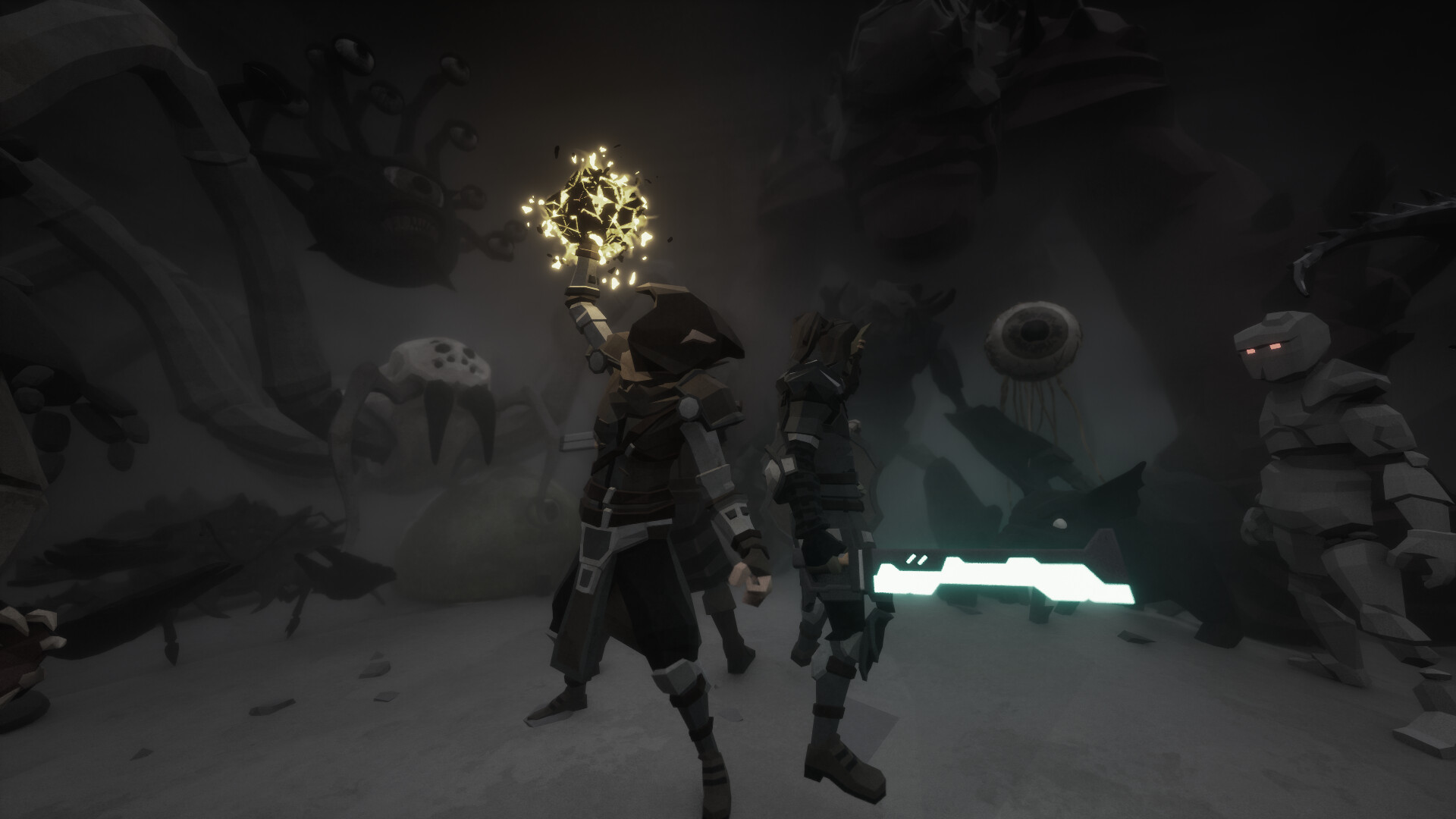
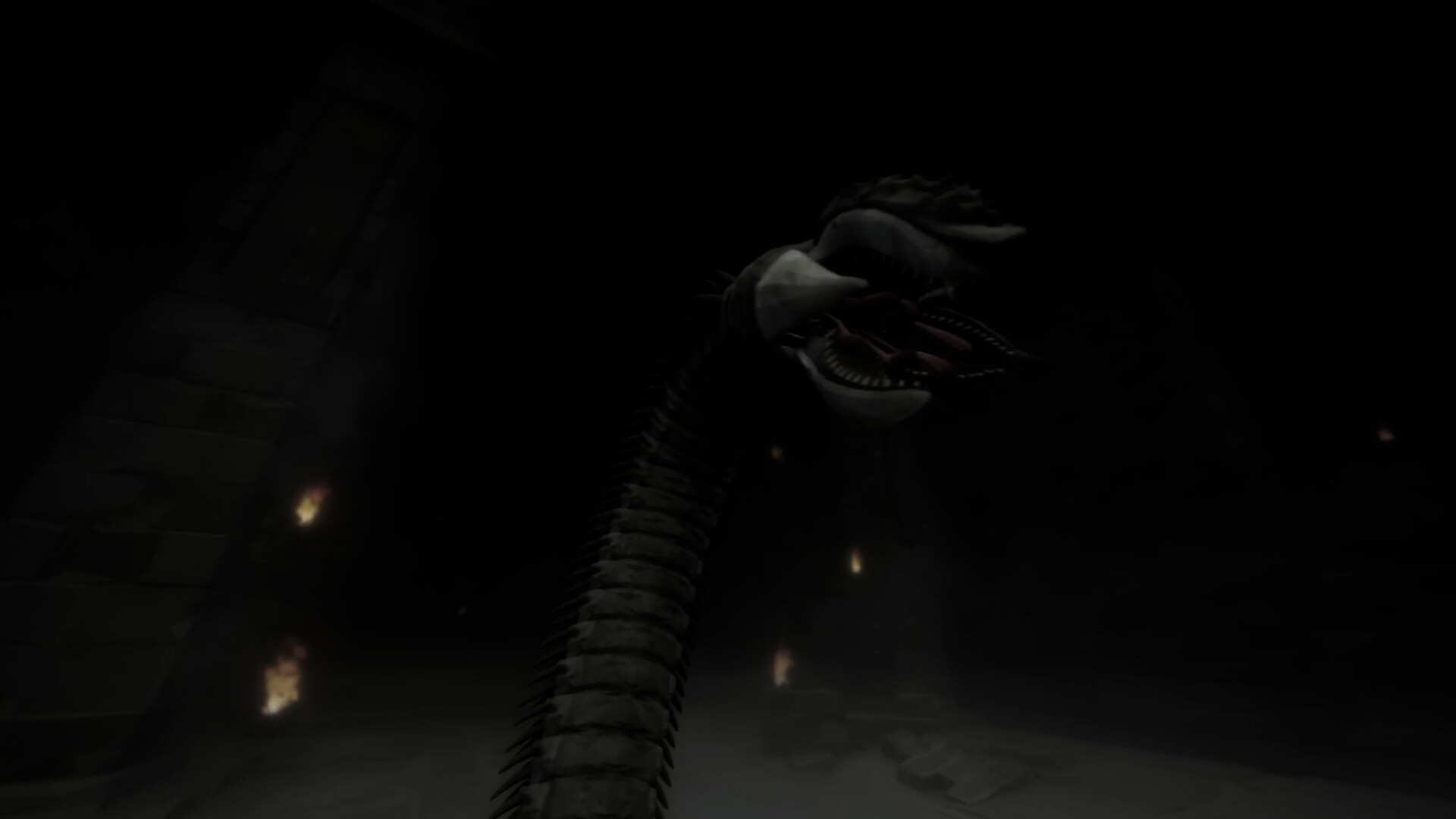
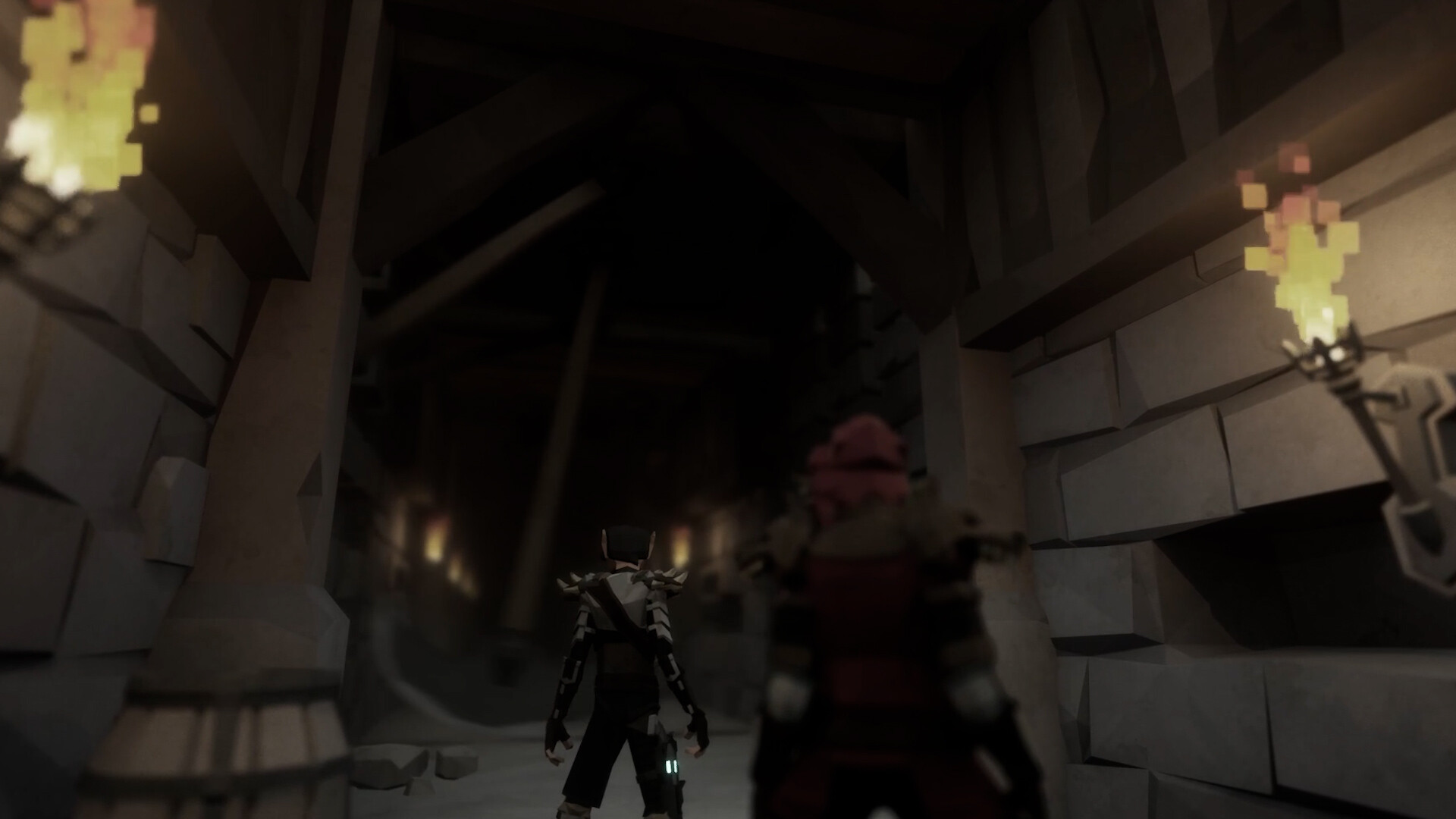
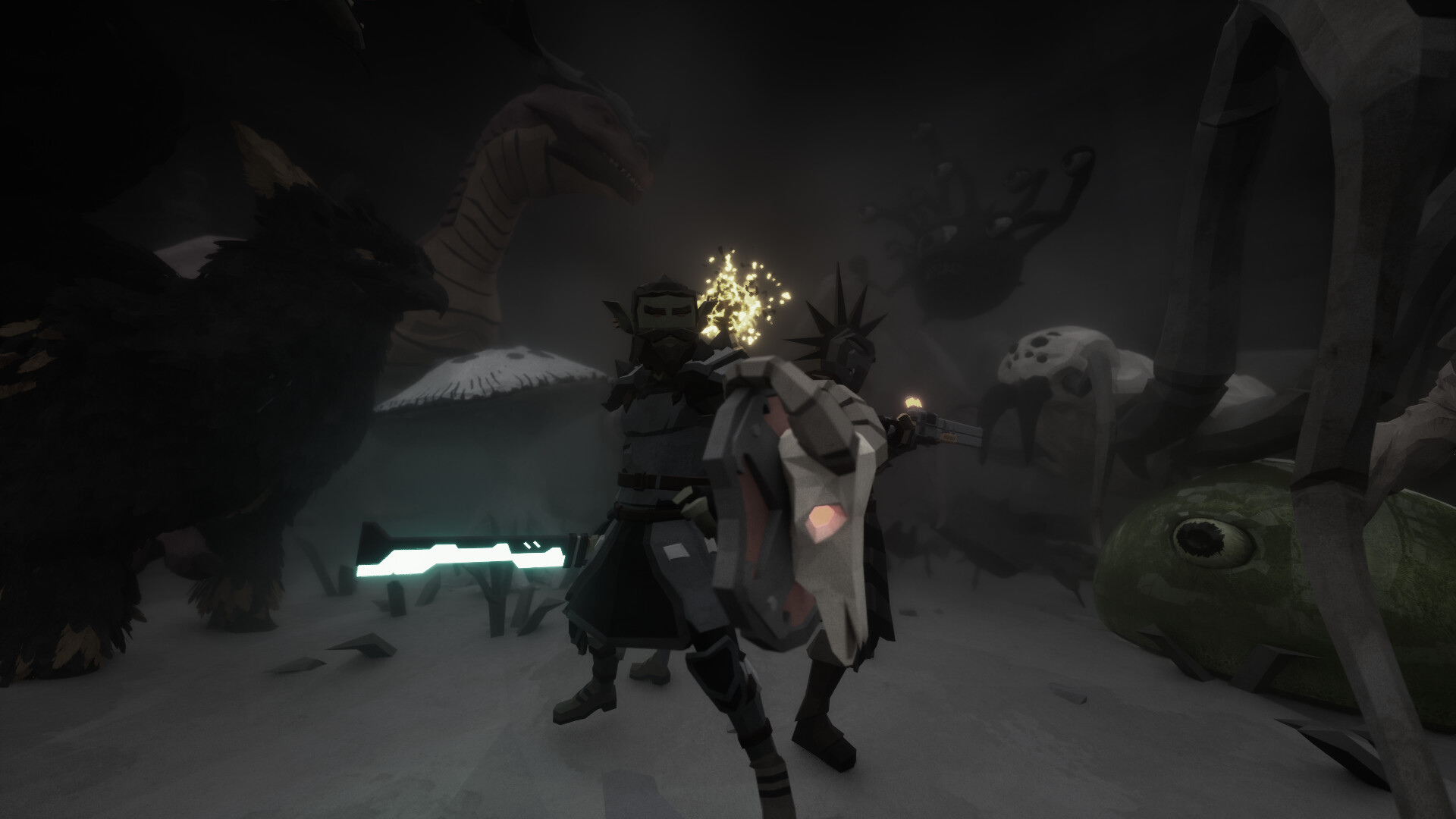
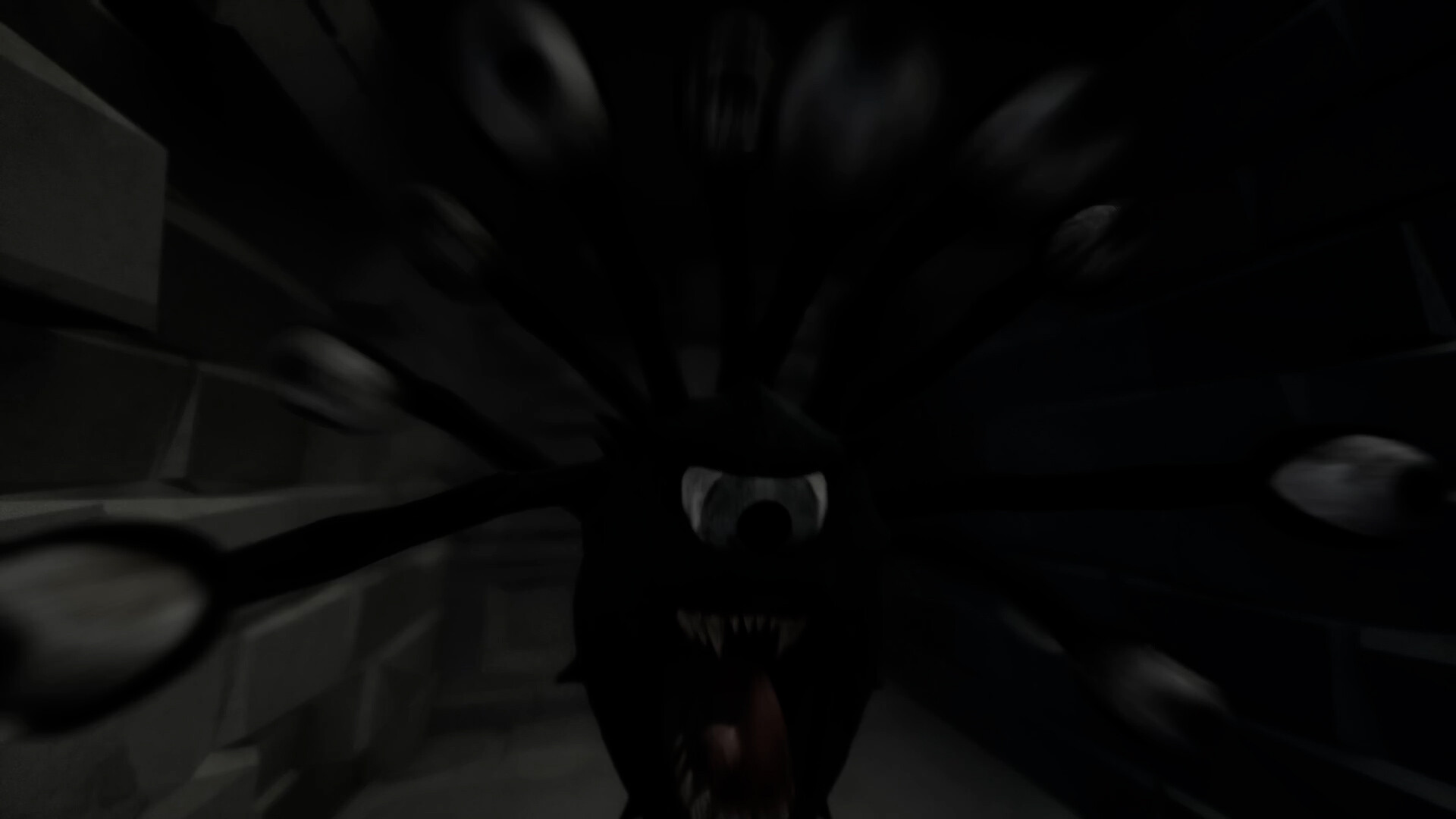
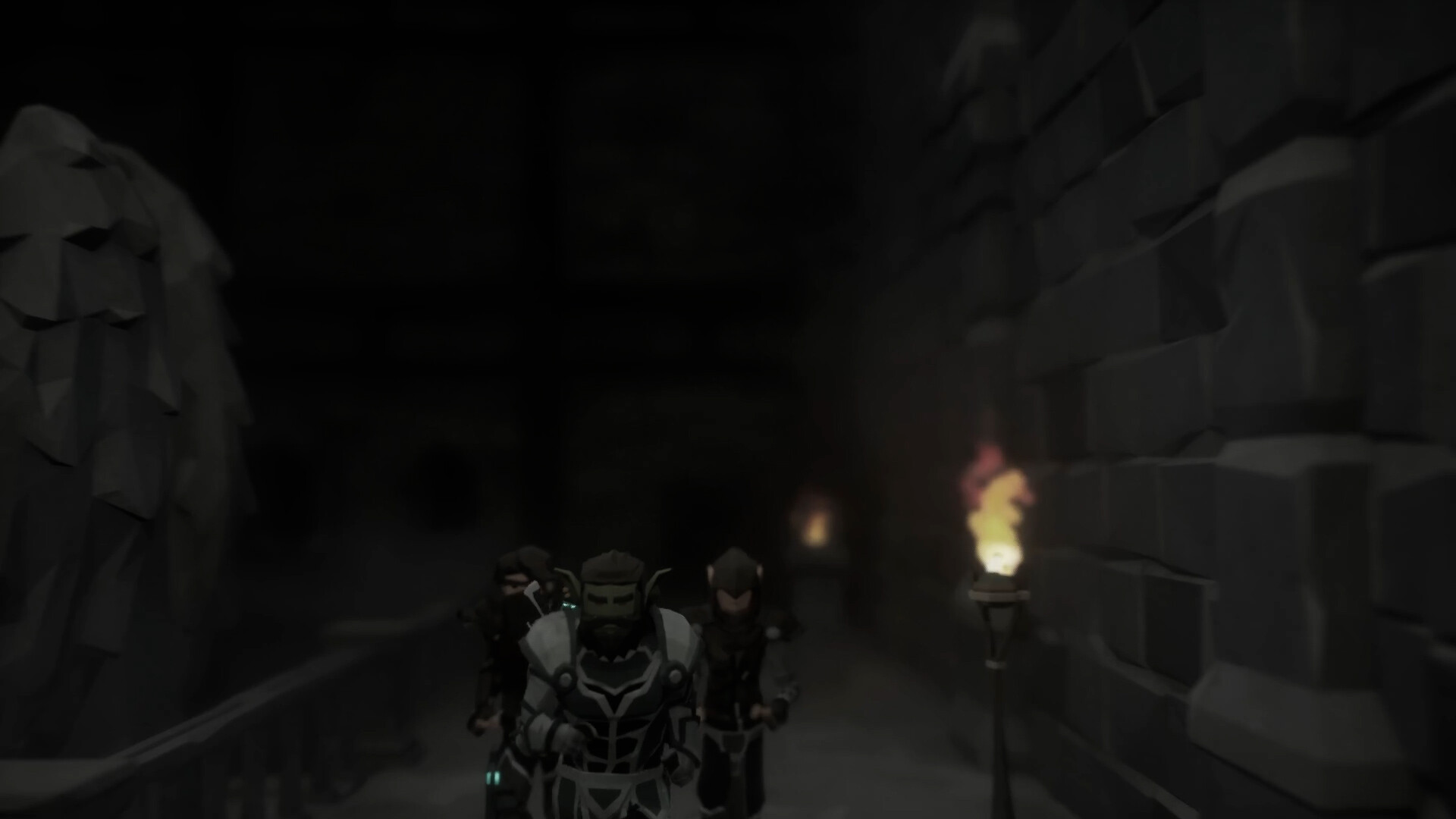
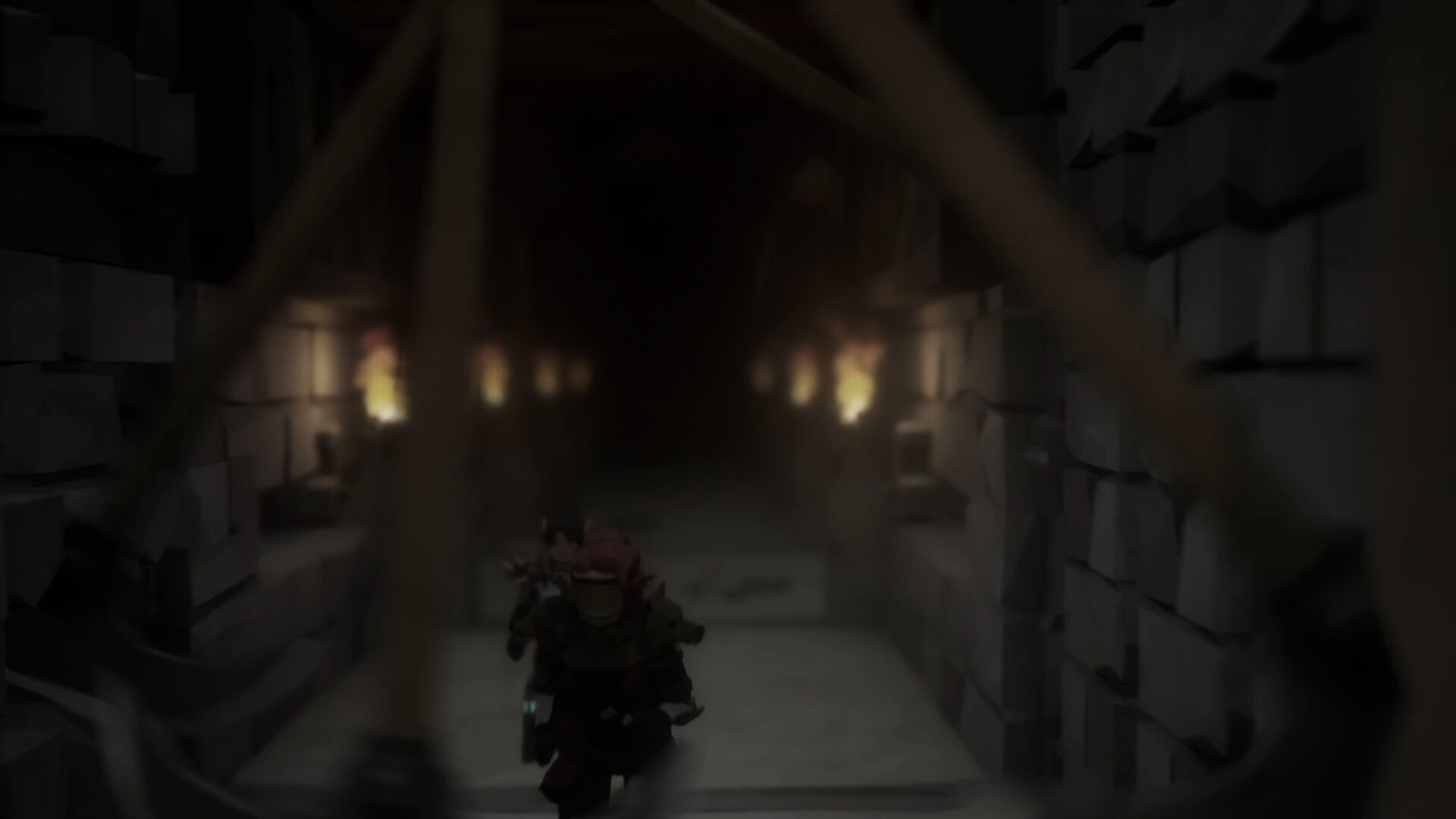
Lead a party of three adventurers into a vast science-fantasy labyrinth filled with hostile creatures, forgotten machinery, hidden passages, traps, and spaces that refuse to behave the way they should.
Fathom is a party-based RPG built around exploration, tactical turn-based combat, and environmental problem solving. Progress isn't only about becoming stronger. It's about understanding the place you're trapped inside.
Explore a Dungeon With Rules
The world of Fathom is designed to be understood, manipulated, and exploited.
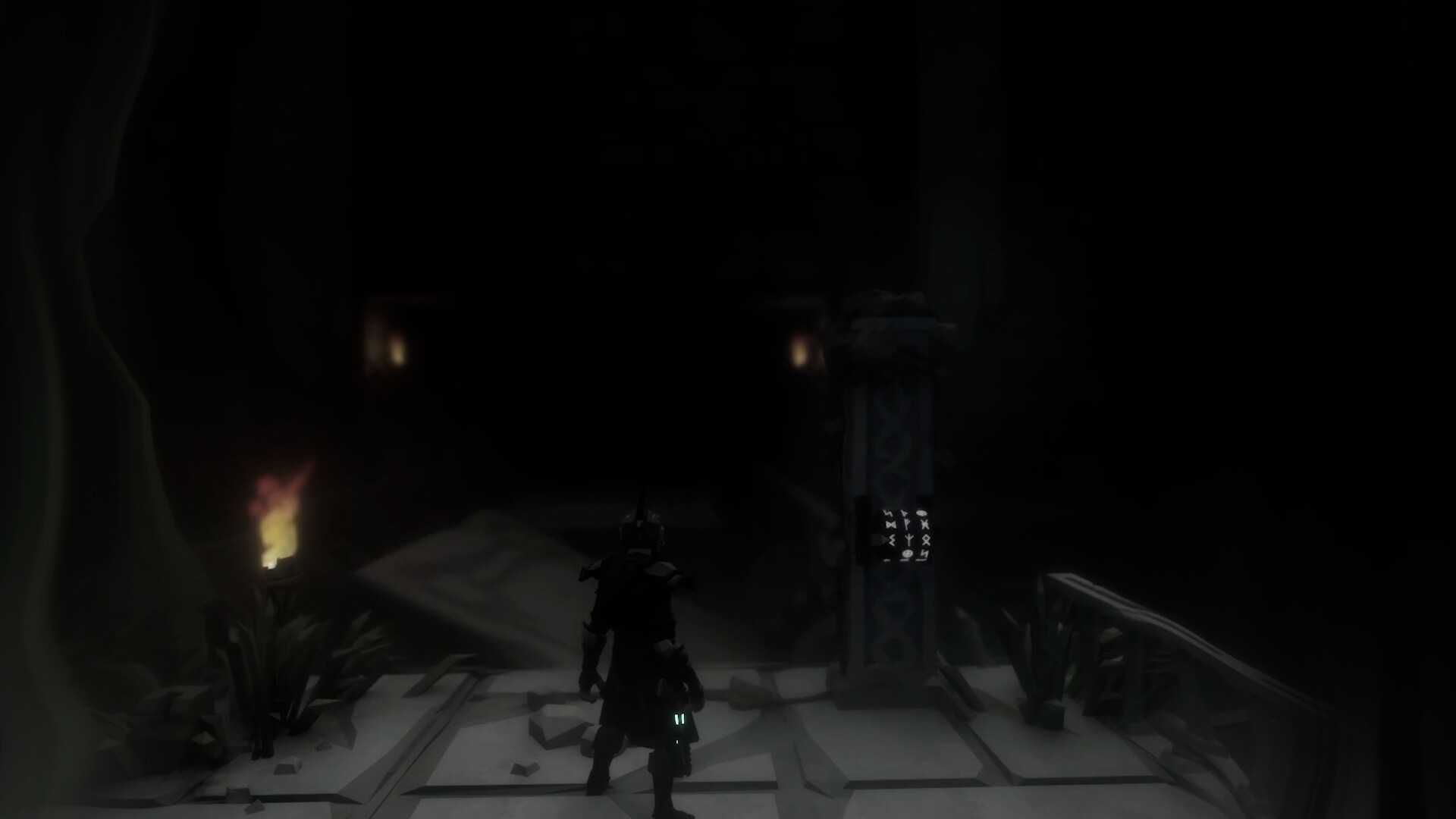
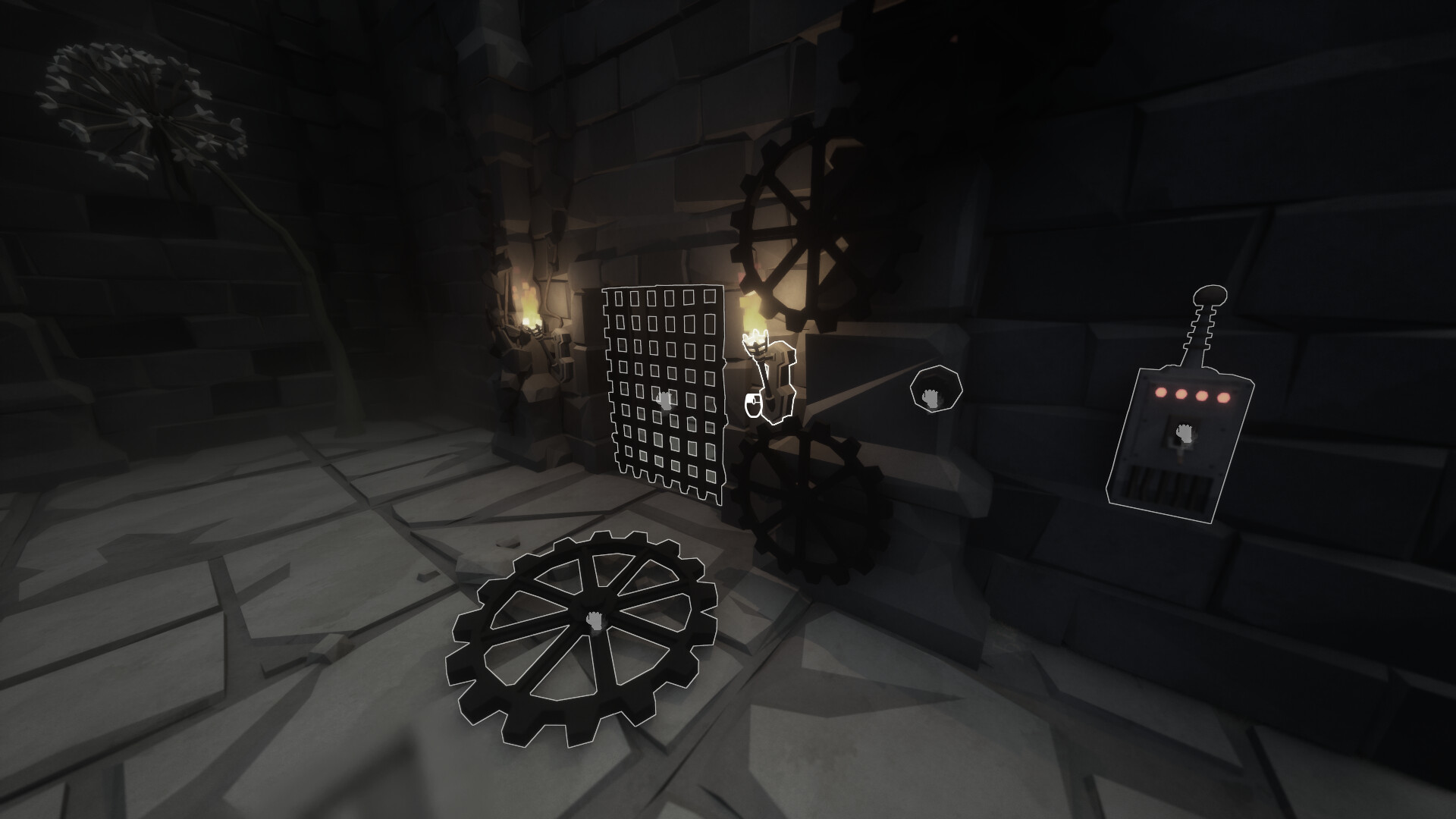
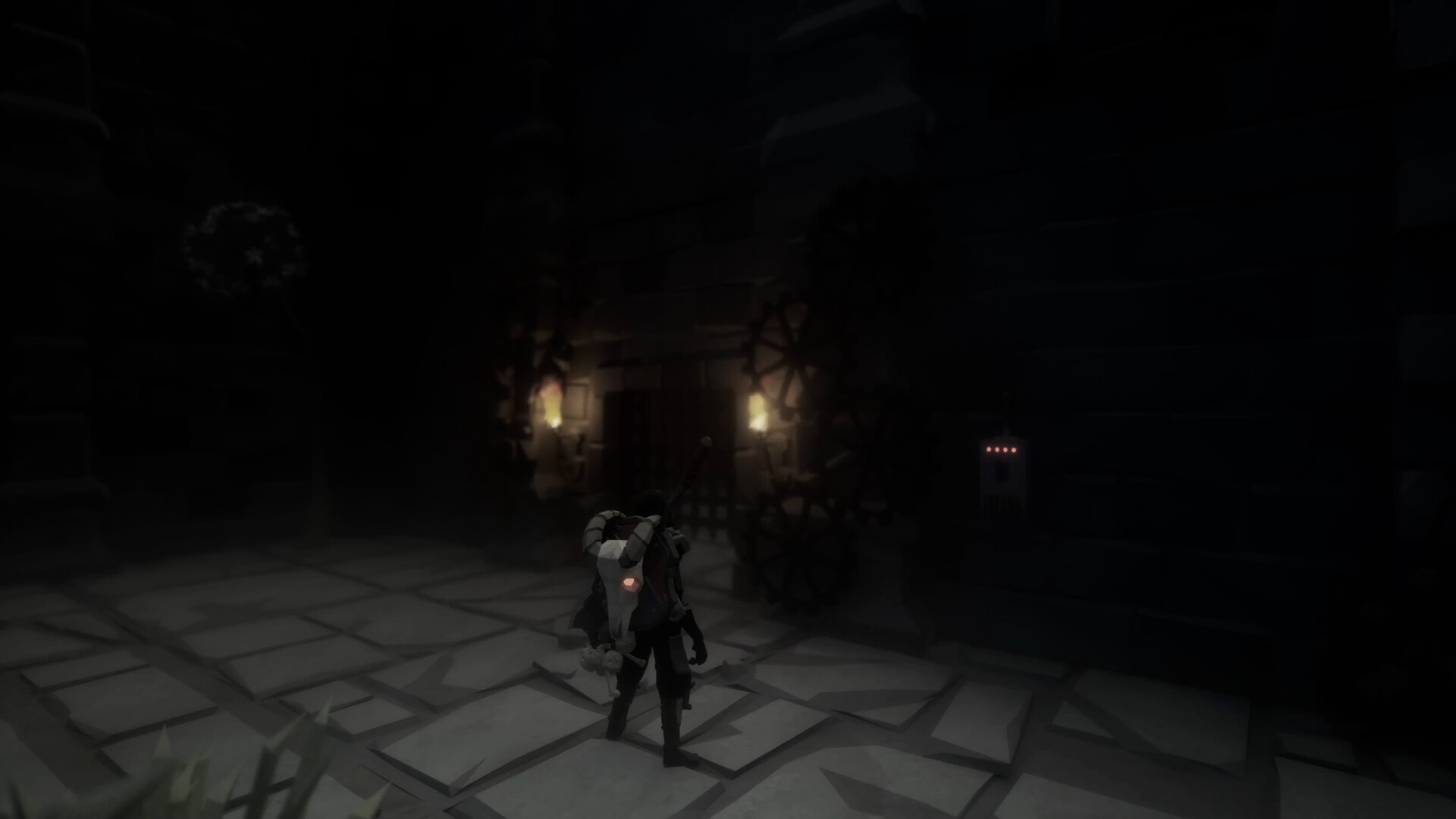
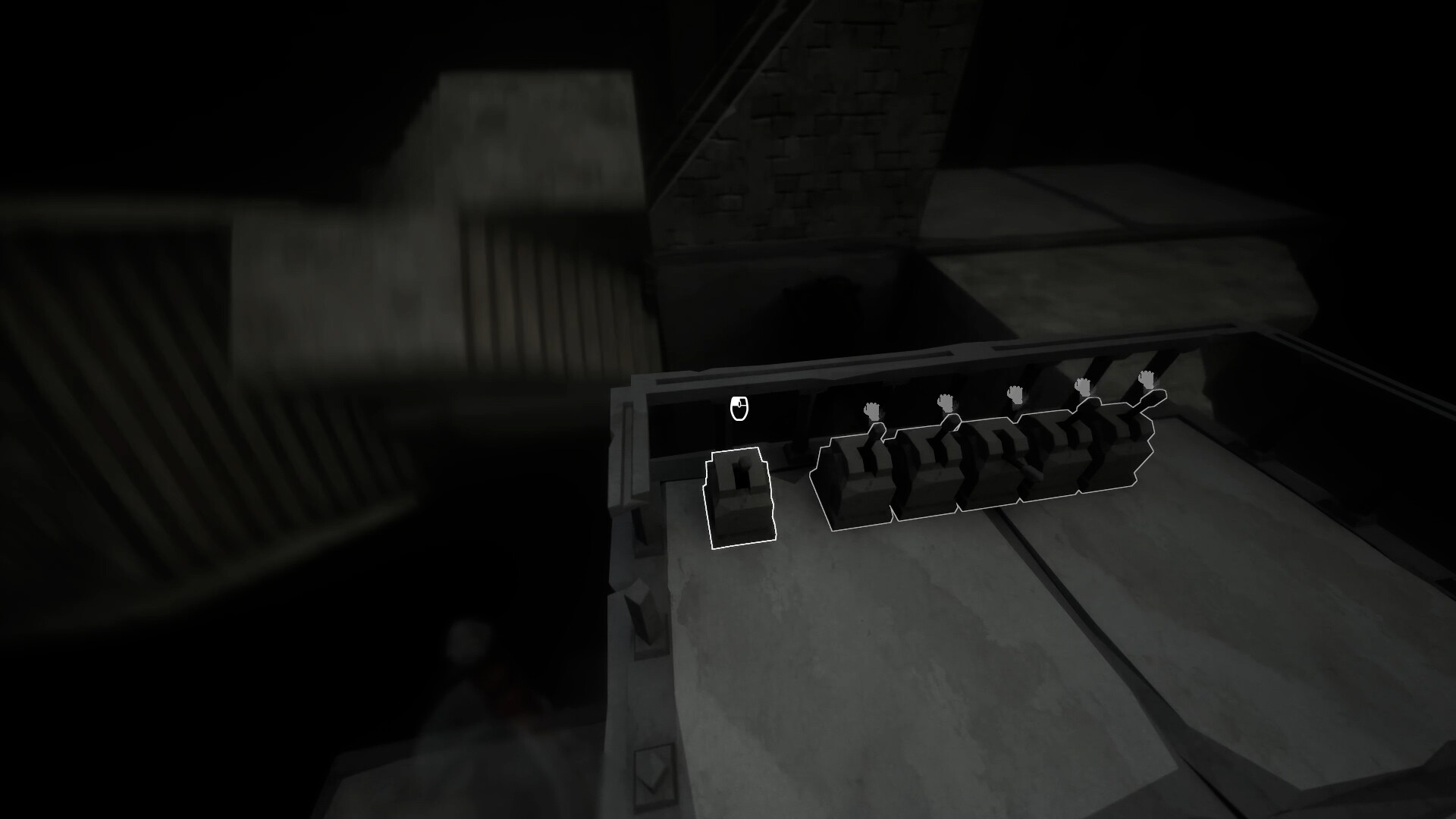
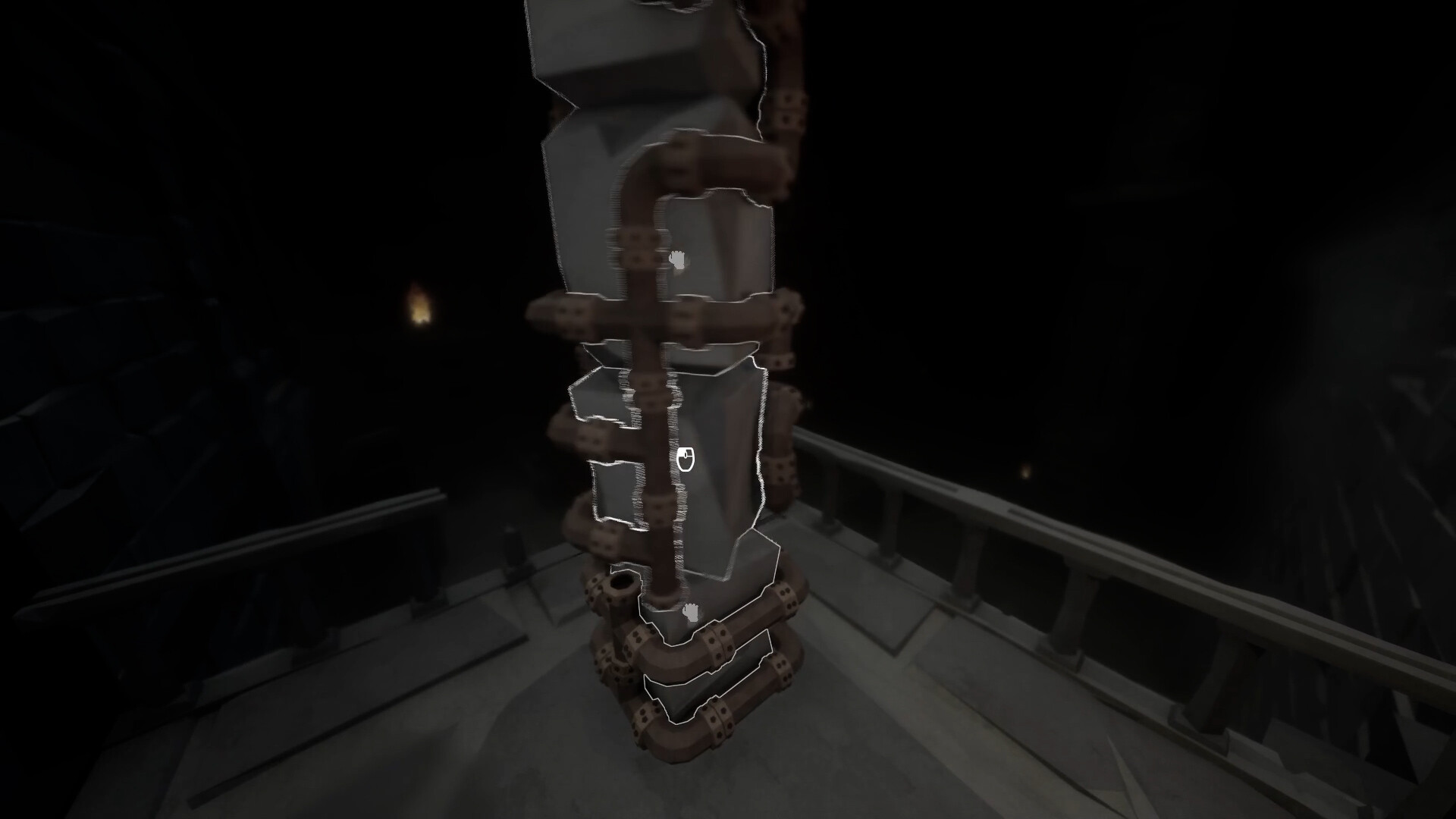
Rooms can change state. Paths can appear or disappear. Structures rotate. Mechanisms alter other parts of the dungeon. Hidden doors reward observation. A route that seems impossible may simply require you to understand what controls it.
The dungeon has rules.
Learning them is part of surviving it.
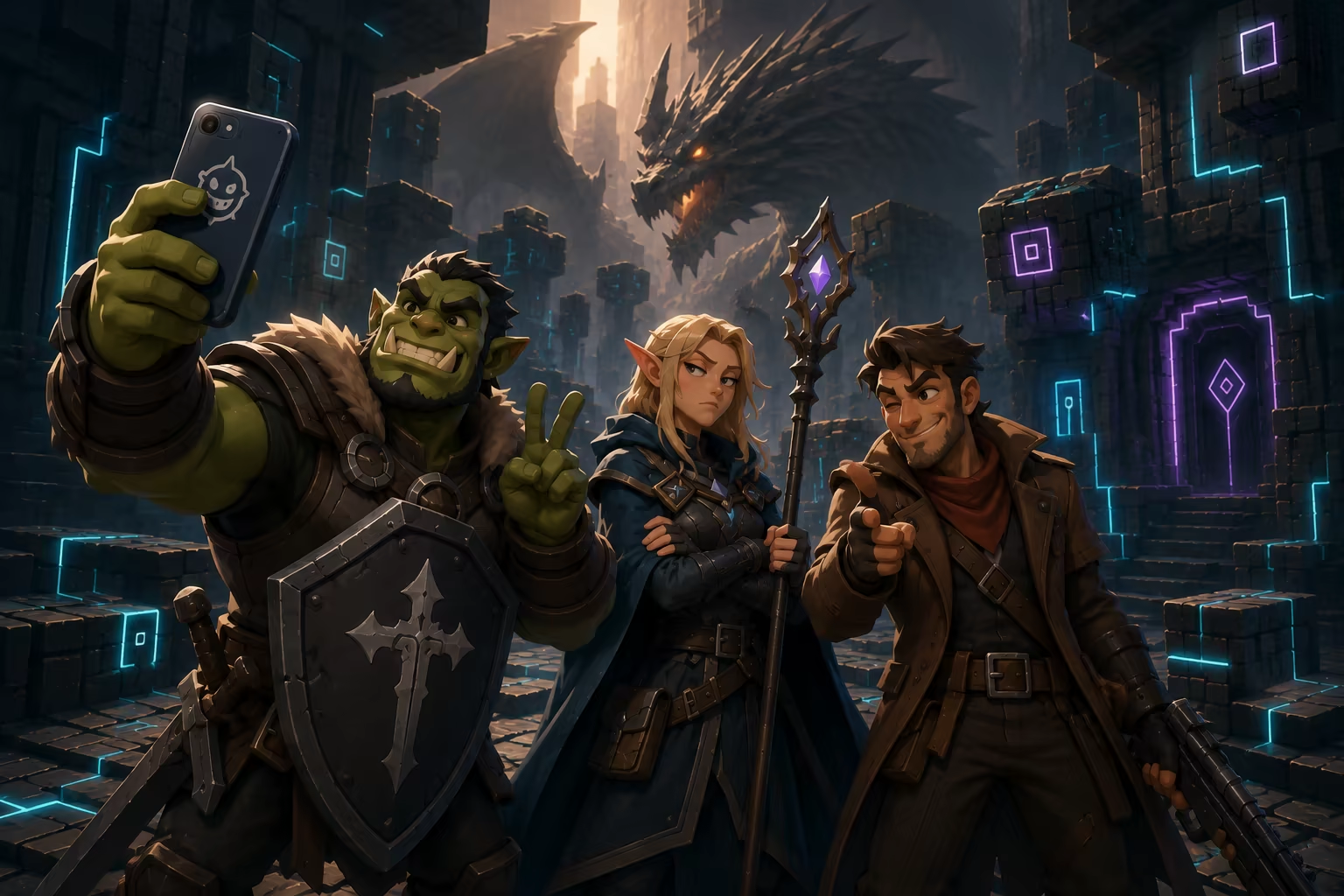
Fight as a Party
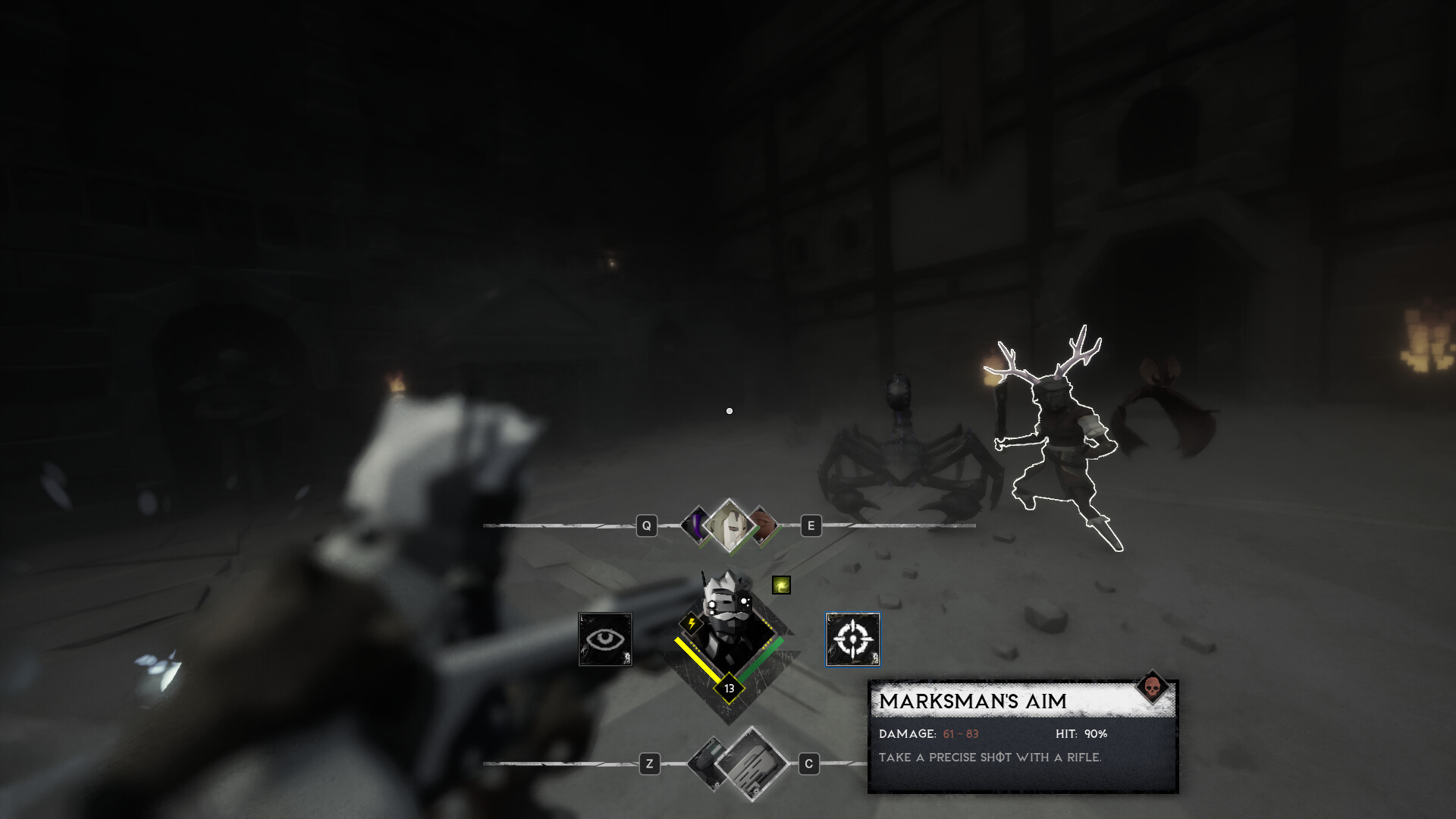
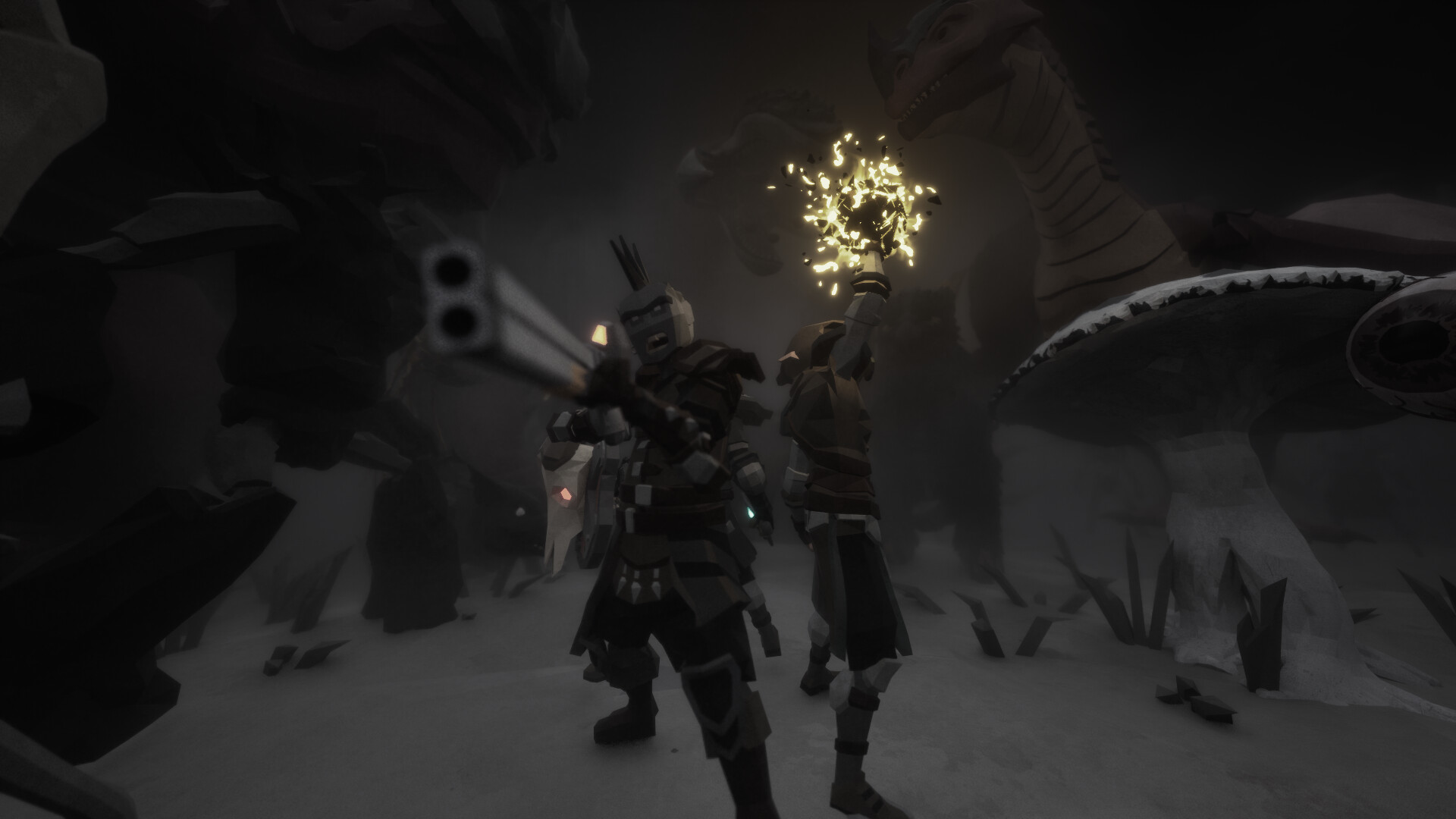
Lead three distinct adventurers, each with their own abilities, strengths, equipment, and role in combat.
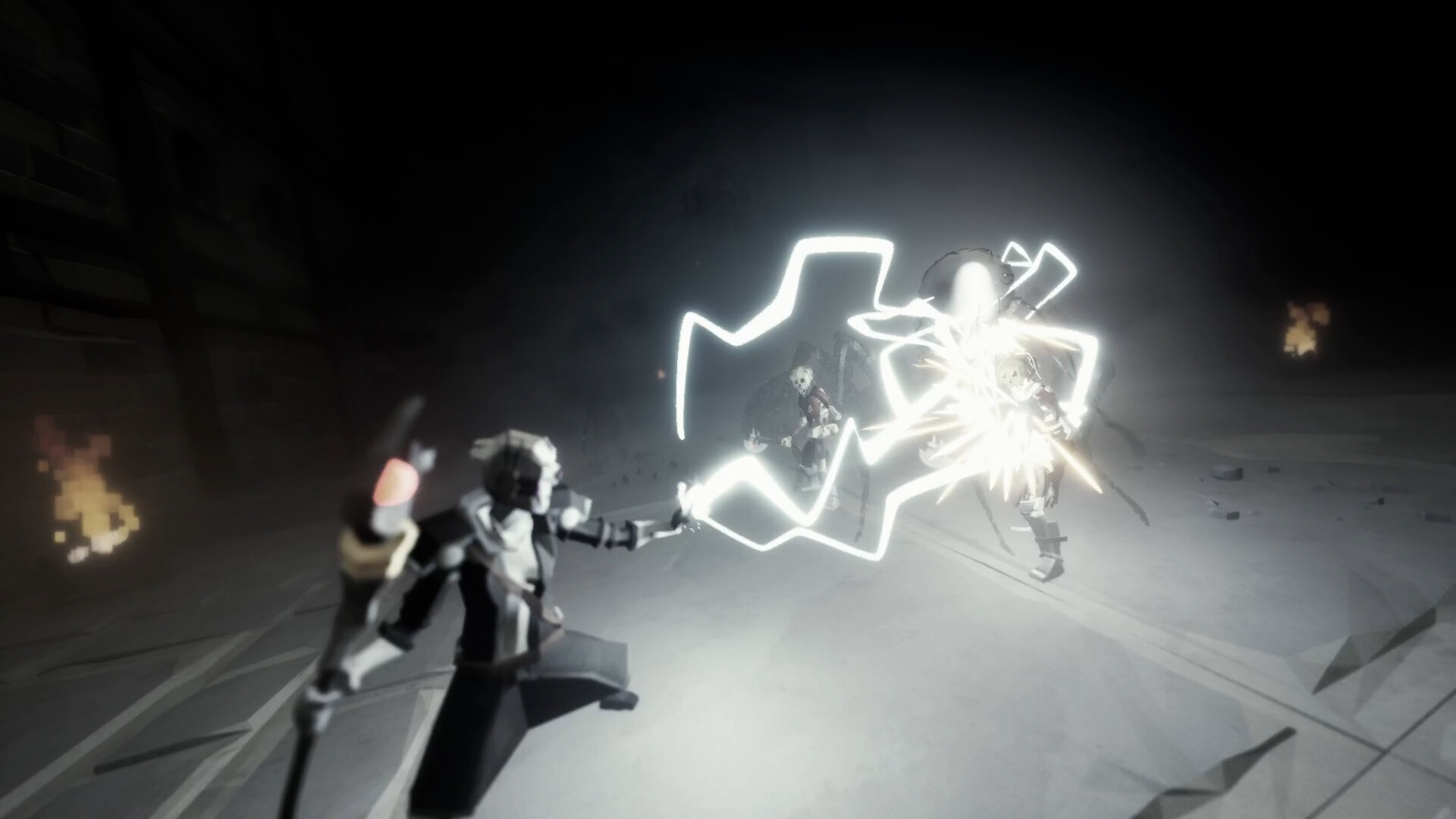
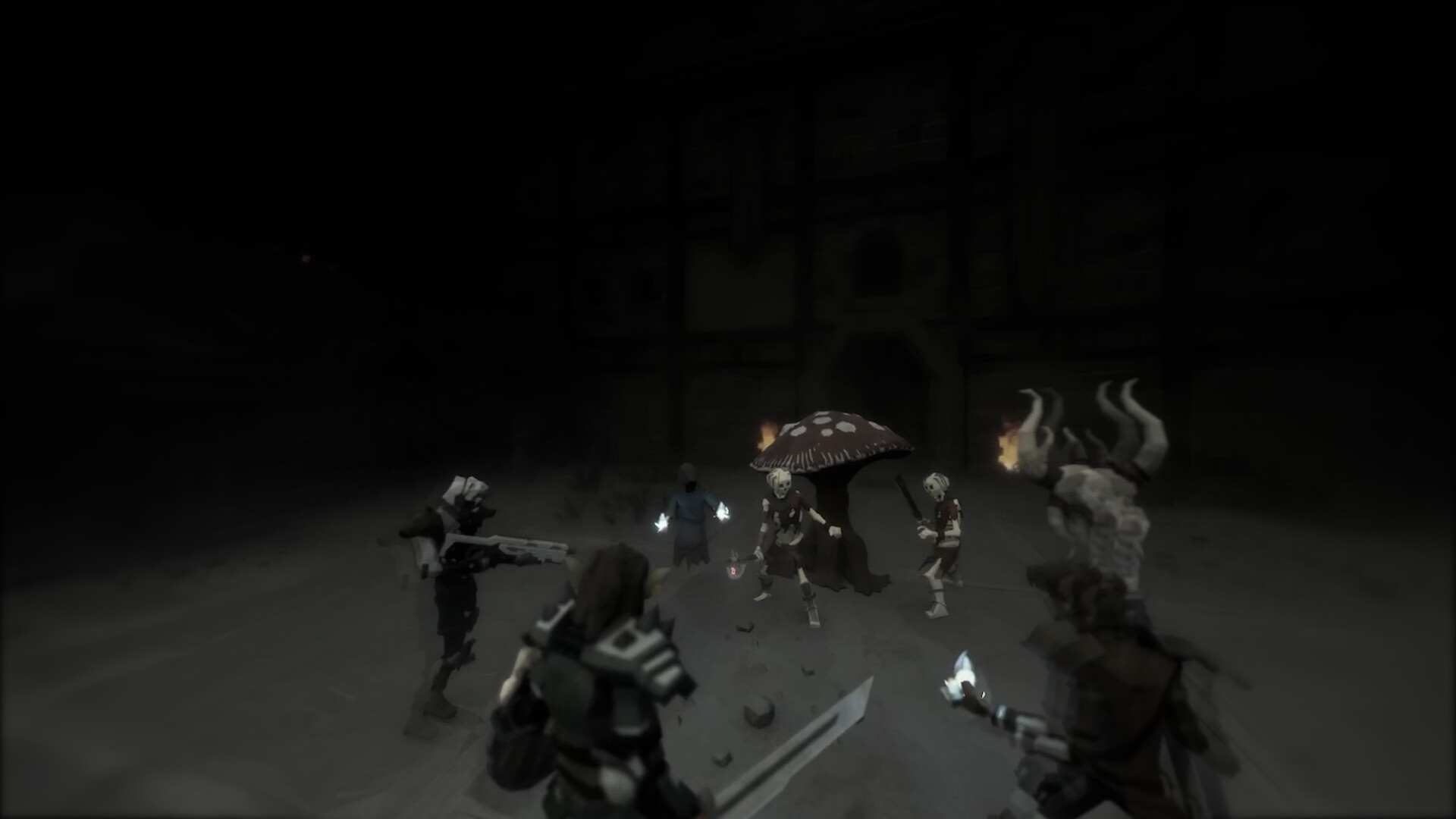
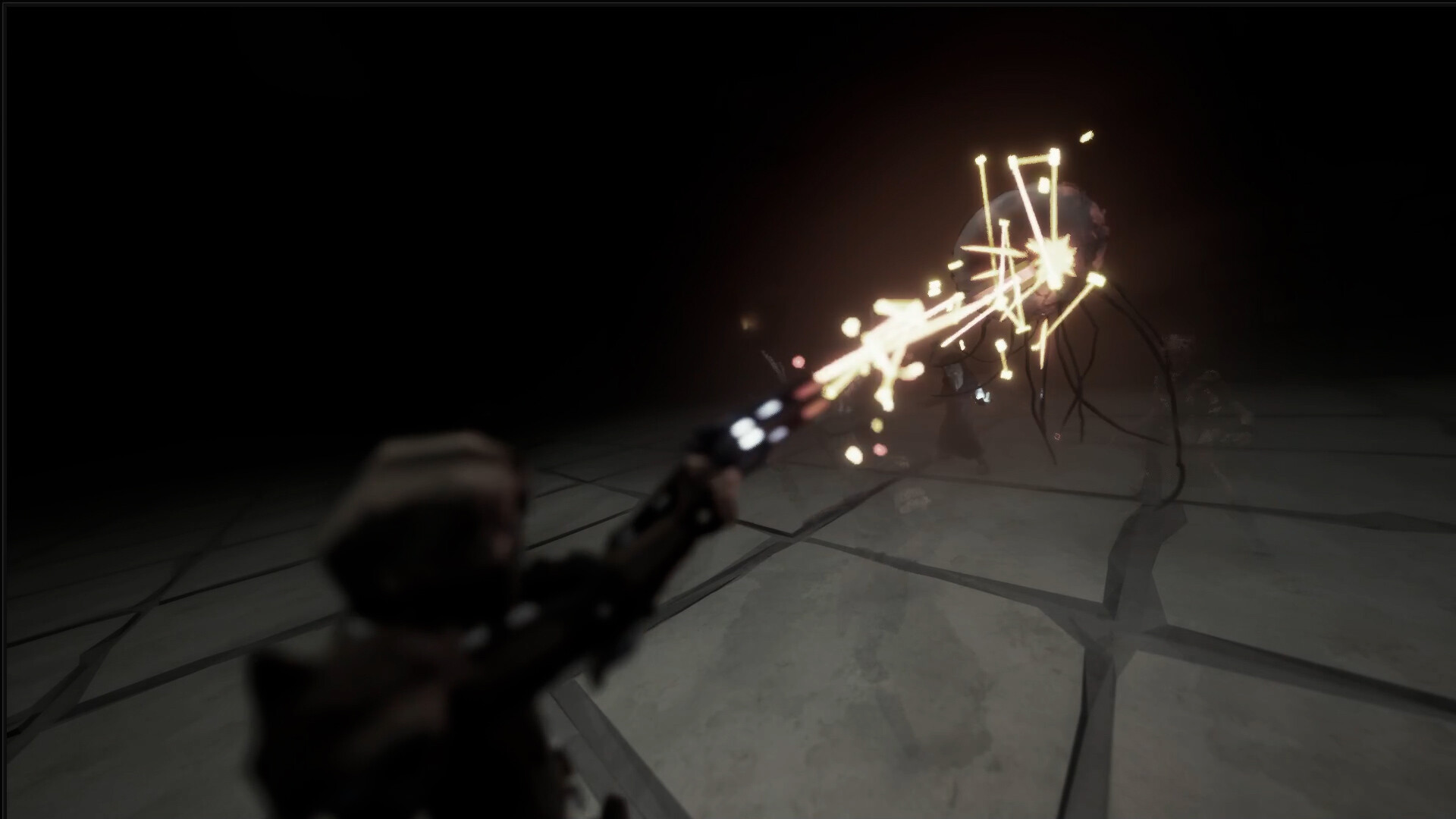
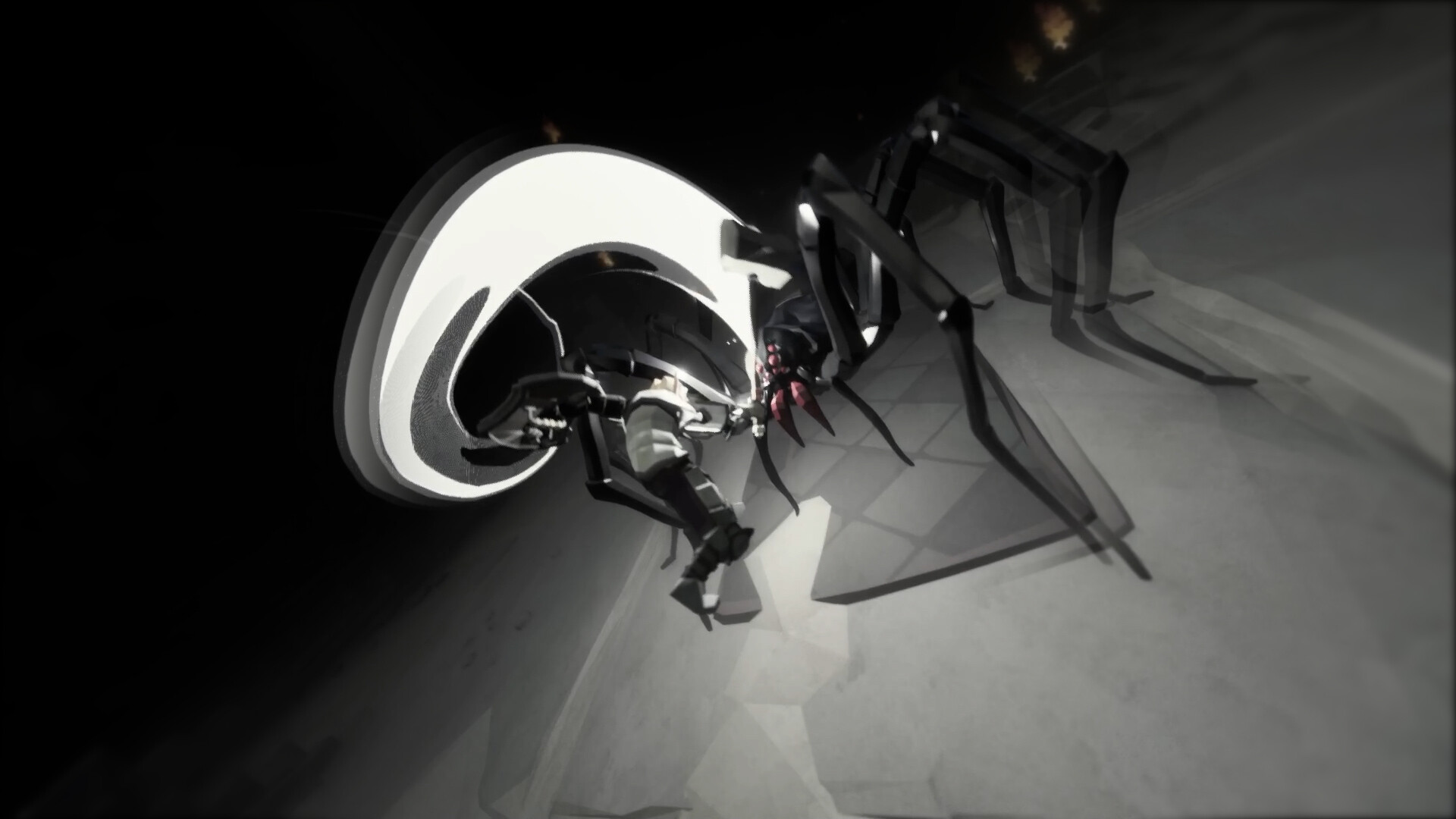
Battles unfold through tactical turn-based encounters where positioning, timing, status effects, and the interaction between party abilities matter.
Sometimes the dungeon itself becomes part of the encounter. Party members may become separated, terrain can change, and mechanisms within the environment can turn an otherwise straightforward fight into something far more dangerous.
Think Beyond the Locked Door
Not every obstacle is solved with a key.
Manipulate machinery, redirect systems, reveal hidden routes, change the state of rooms and objects, and use the environment itself to alter what is possible.
Fathom's puzzles exist inside the same world as its exploration and combat. They aren't isolated minigames. They are part of navigating a place built according to strange but consistent rules.
The goal isn't to guess what the game wants.
It's to understand what the world allows.
Discover What Happened to Delavorn
The technology carried aboard your ship did not disappear when it crashed.
Over the course of a century, it changed Delavorn.
Civilizations discovered it. Some embraced it. Some feared it. Some exploited it. Others built their lives around avoiding it entirely.
As you push farther beyond the wreckage, you'll uncover what became of the world while you slept—and what your arrival set in motion long before you ever woke up.
Dungeon Crawling, Reconsidered
Fathom draws from classic dungeon-crawling RPGs while approaching the dungeon as more than a collection of corridors and combat encounters.
Expect:
A party of three with distinct combat abilities and roles.
Tactical turn-based combat built around meaningful ability interactions.
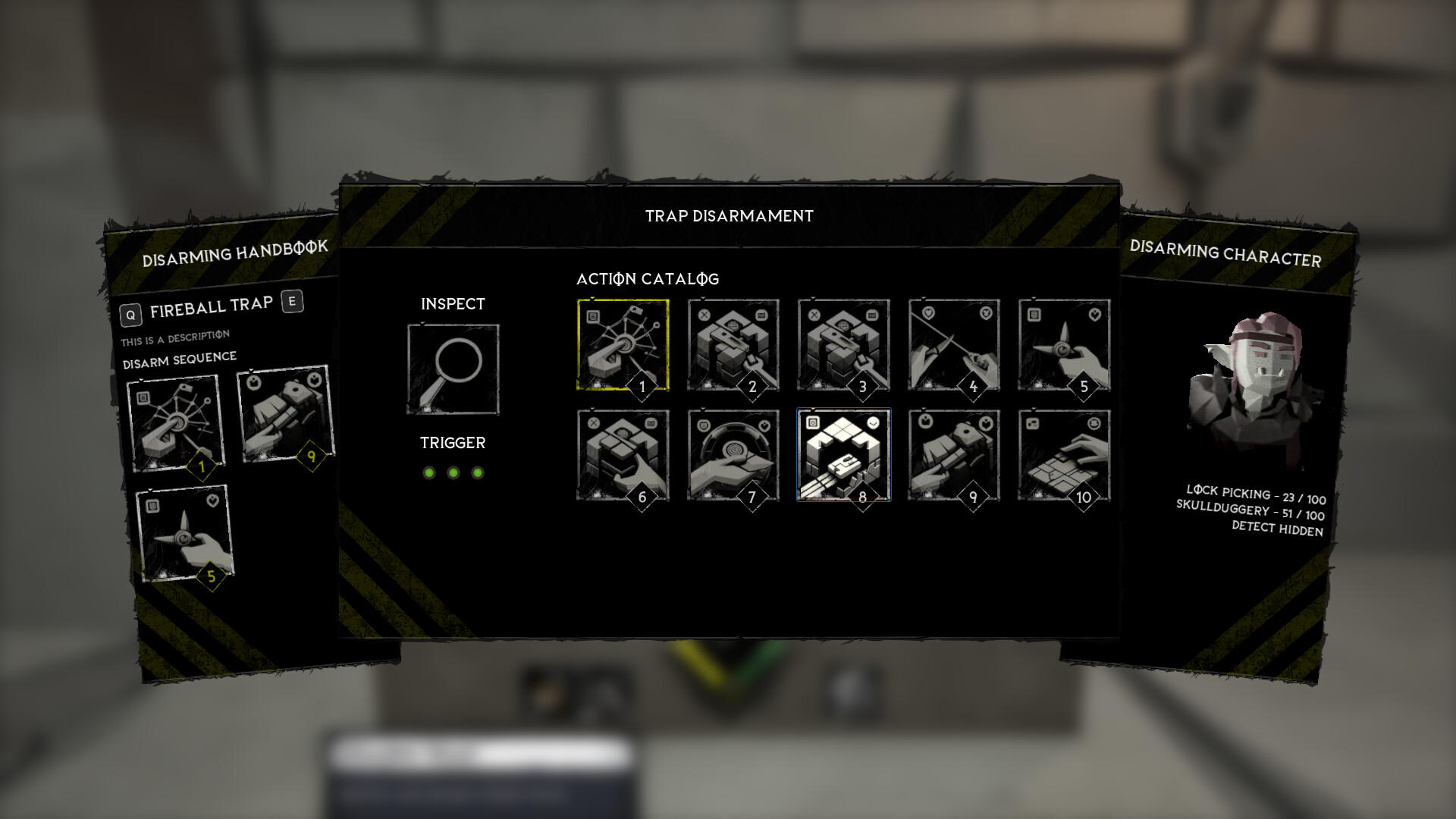
Dense dungeon exploration with traps, secrets, hidden passages, and alternate routes.
Environmental puzzles integrated directly into exploration.
World-altering mechanisms that can move, rotate, reveal, open, close, and transform parts of the dungeon.
Impossible spaces with understandable rules.
A science-fantasy world shaped by the collision of advanced technology and civilizations that had a century to make it their own.
Go Deeper.
Every chamber tells you something.
Every mechanism has a purpose.
Every rule you understand gives you another way forward.
How far can you Fathom?
Fathom is developed by Pathological Games, an independent solo-developed project built around the idea that exploring a dungeon should demand more than following the next corridor.
Available Tables (0)
View available tables...Events Timeline
View full events timeline...Initial Release