Dead Relay


About the Game
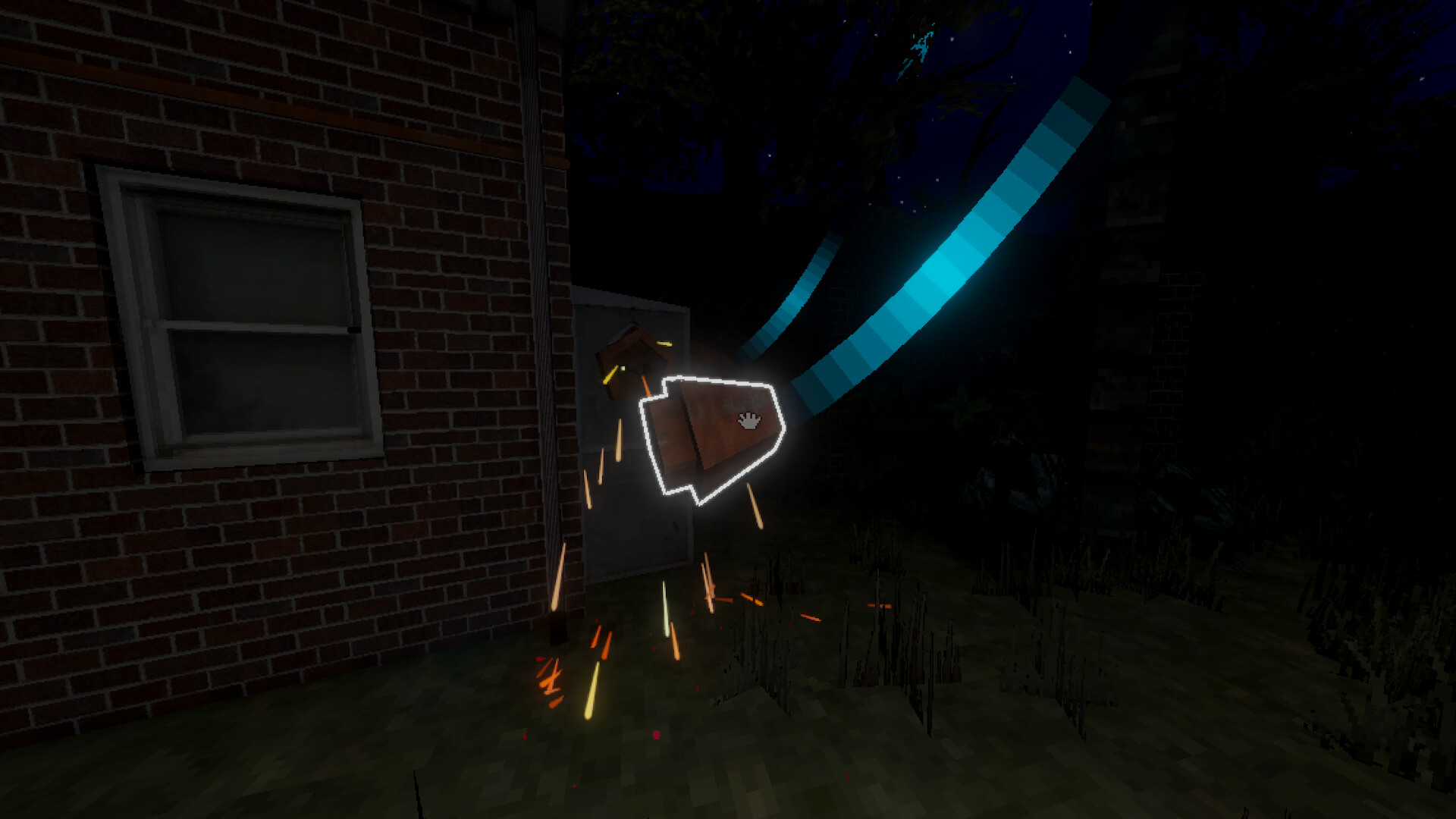
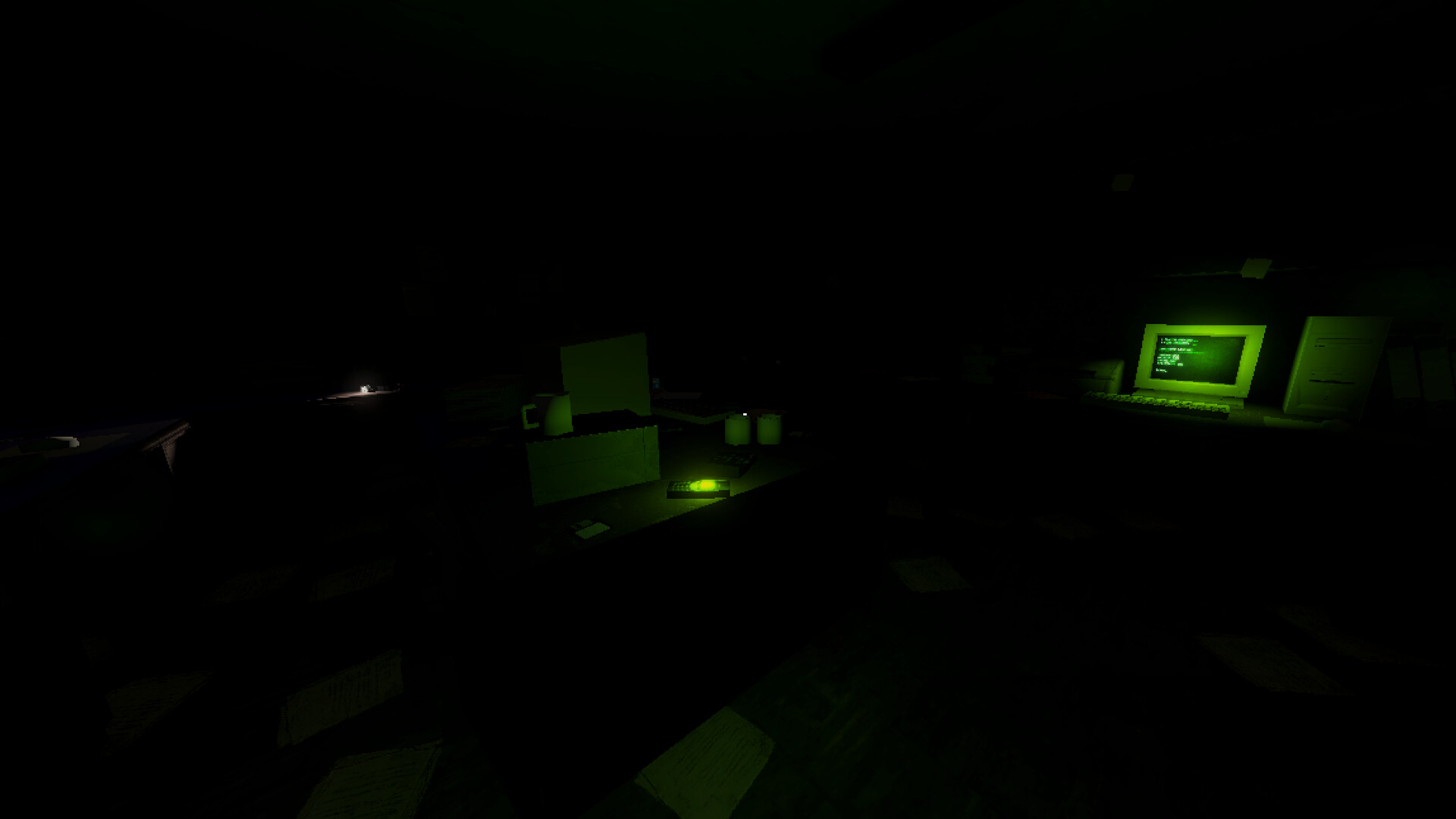
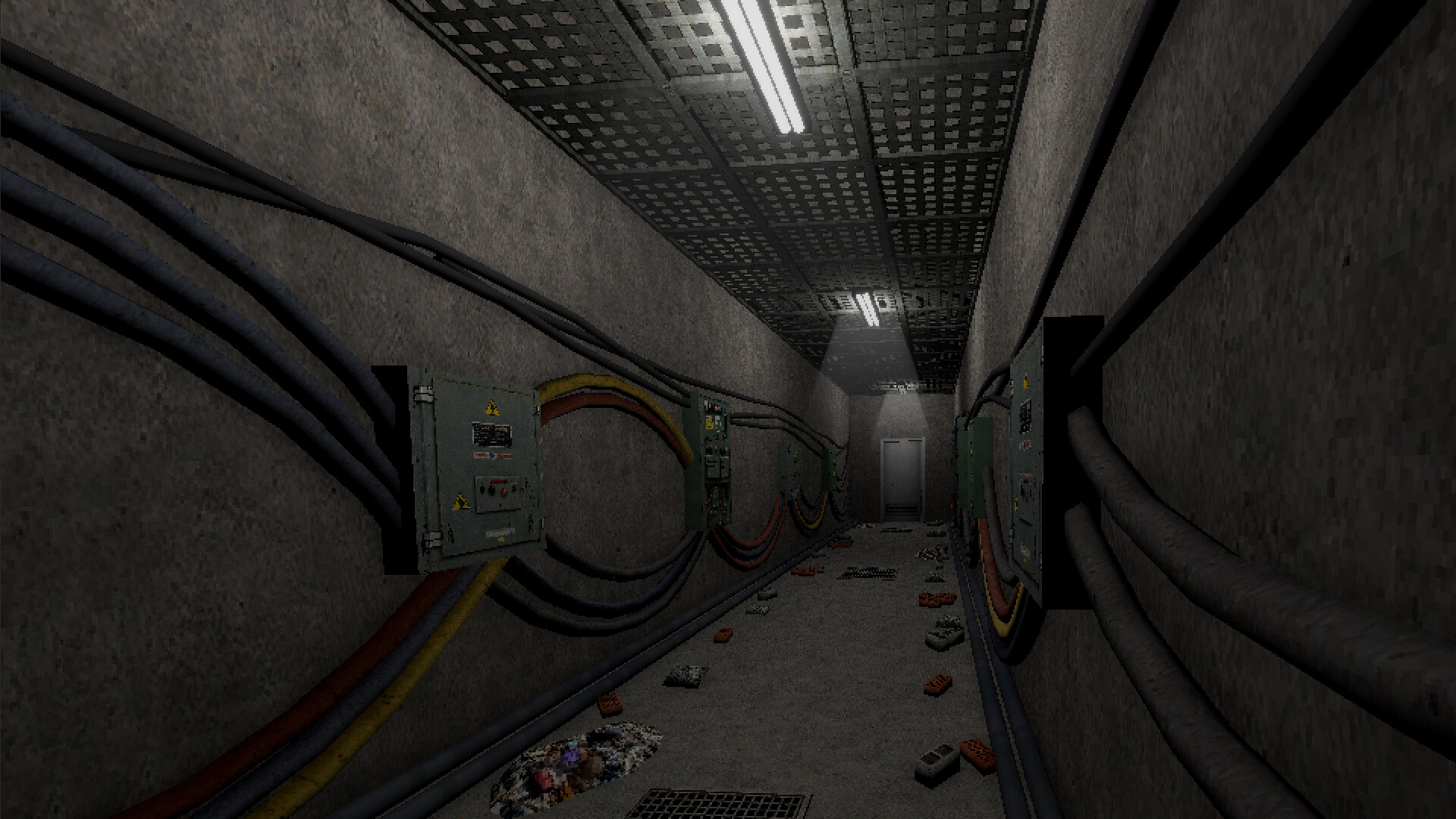
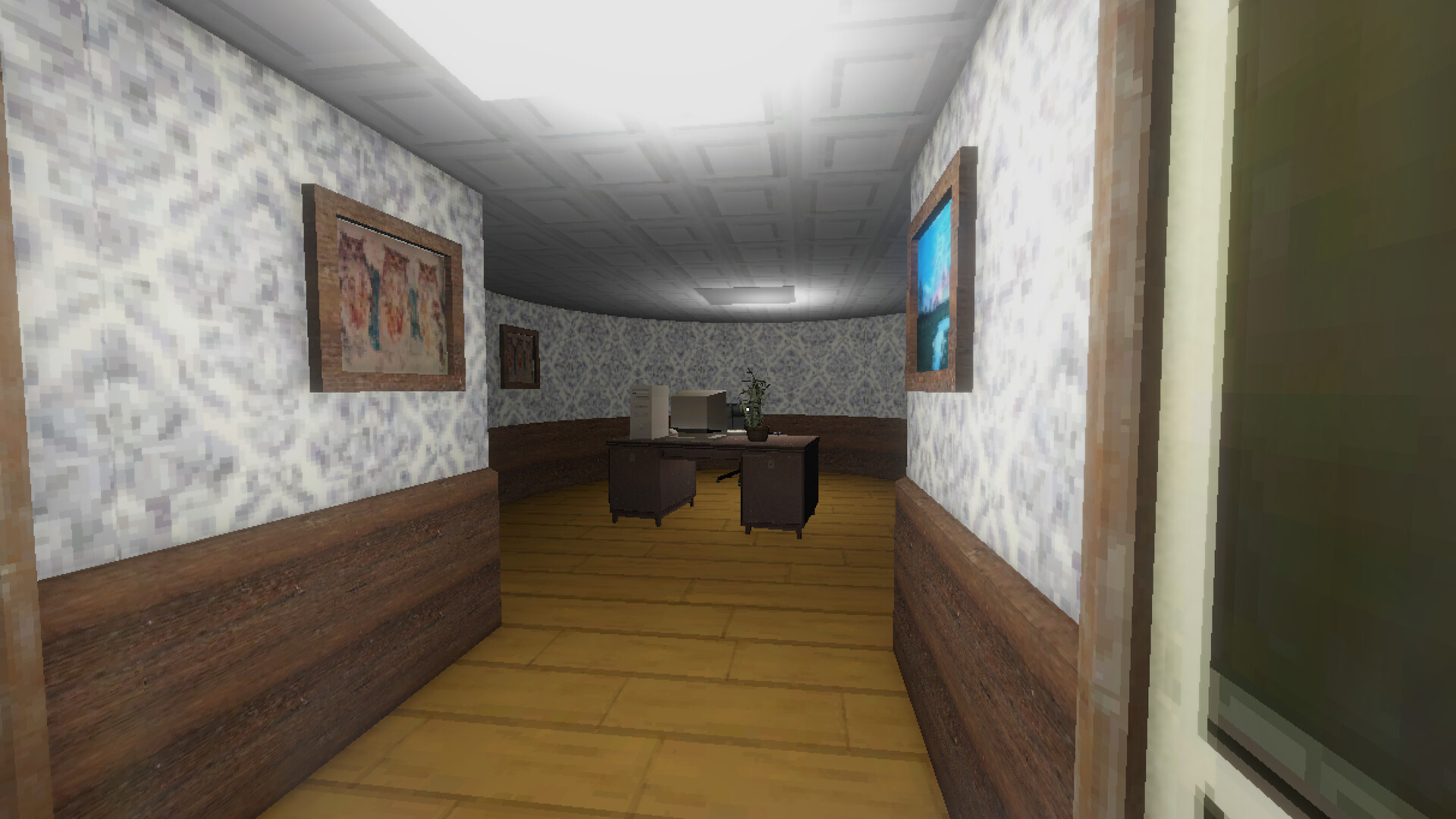
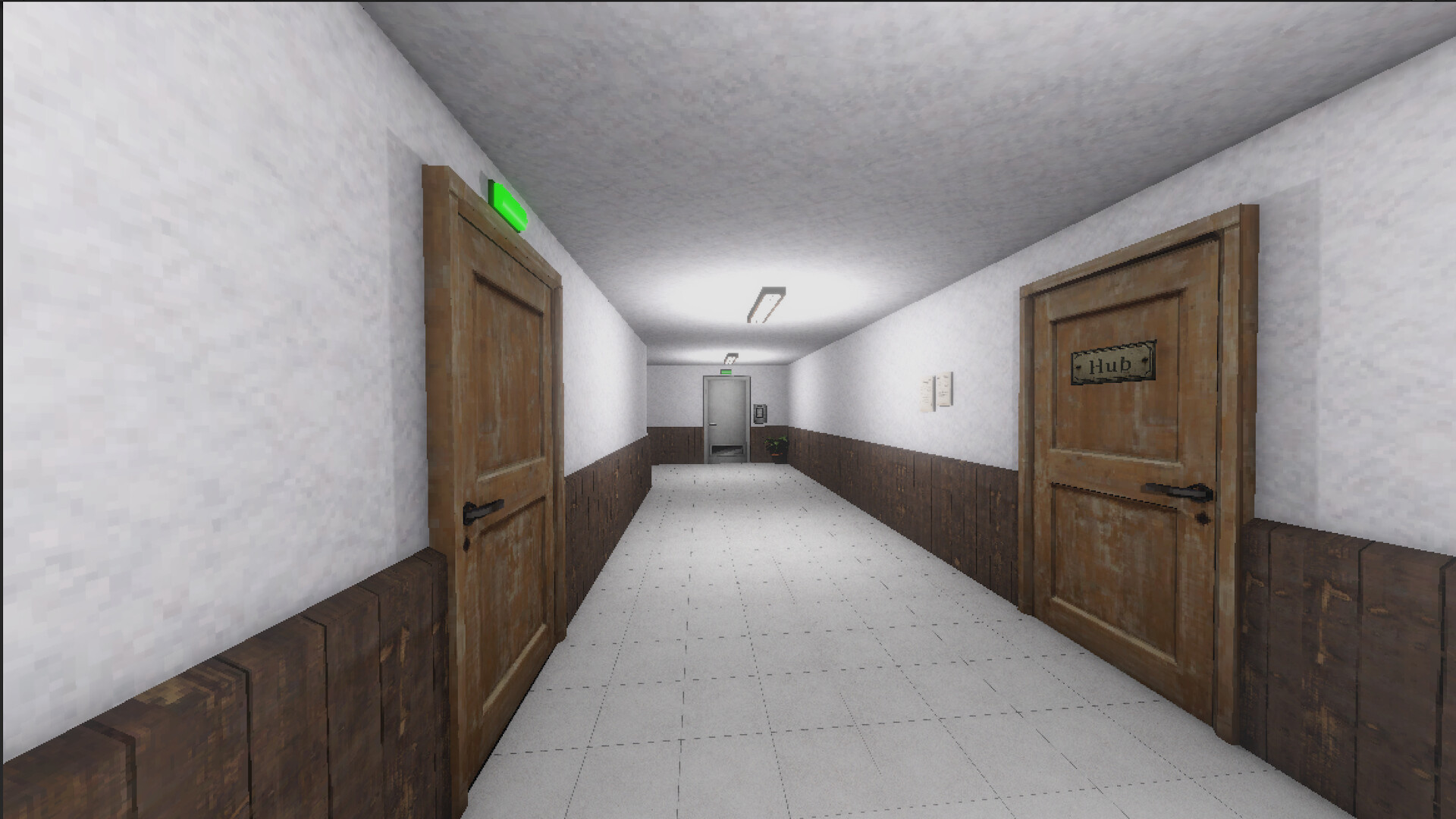
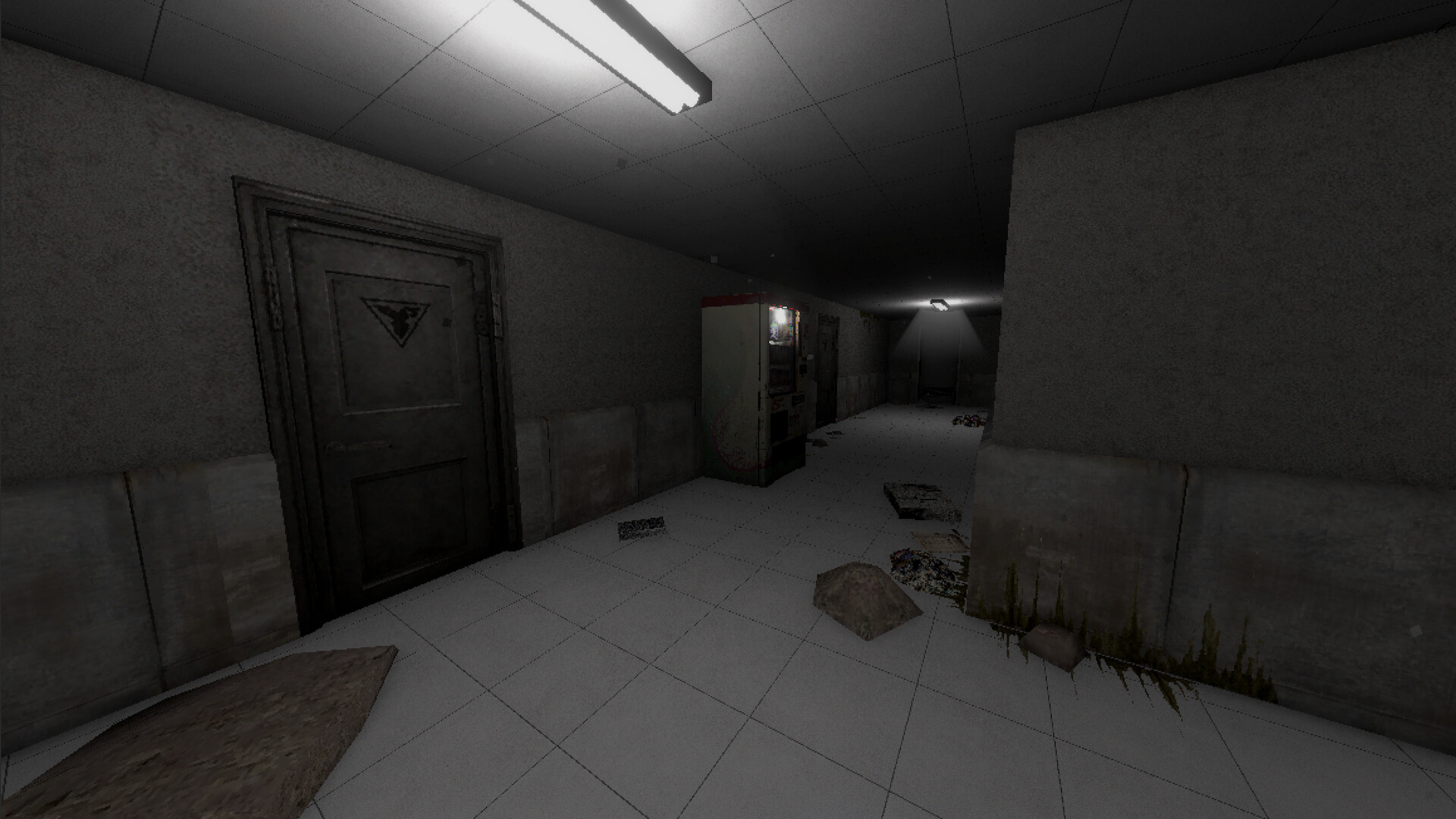
Dead Relay is a first-person retro survival horror game inspired by the PSX era, where copper wires and silicon blend with human flesh.
The regional communication grid is dead. The previous technician sent to fix the isolated relay simply vanished. The main doors are sealed from the inside, and the facility’s electronics are acting up — as if someone is still pulling the strings from the darkest corners of the complex.
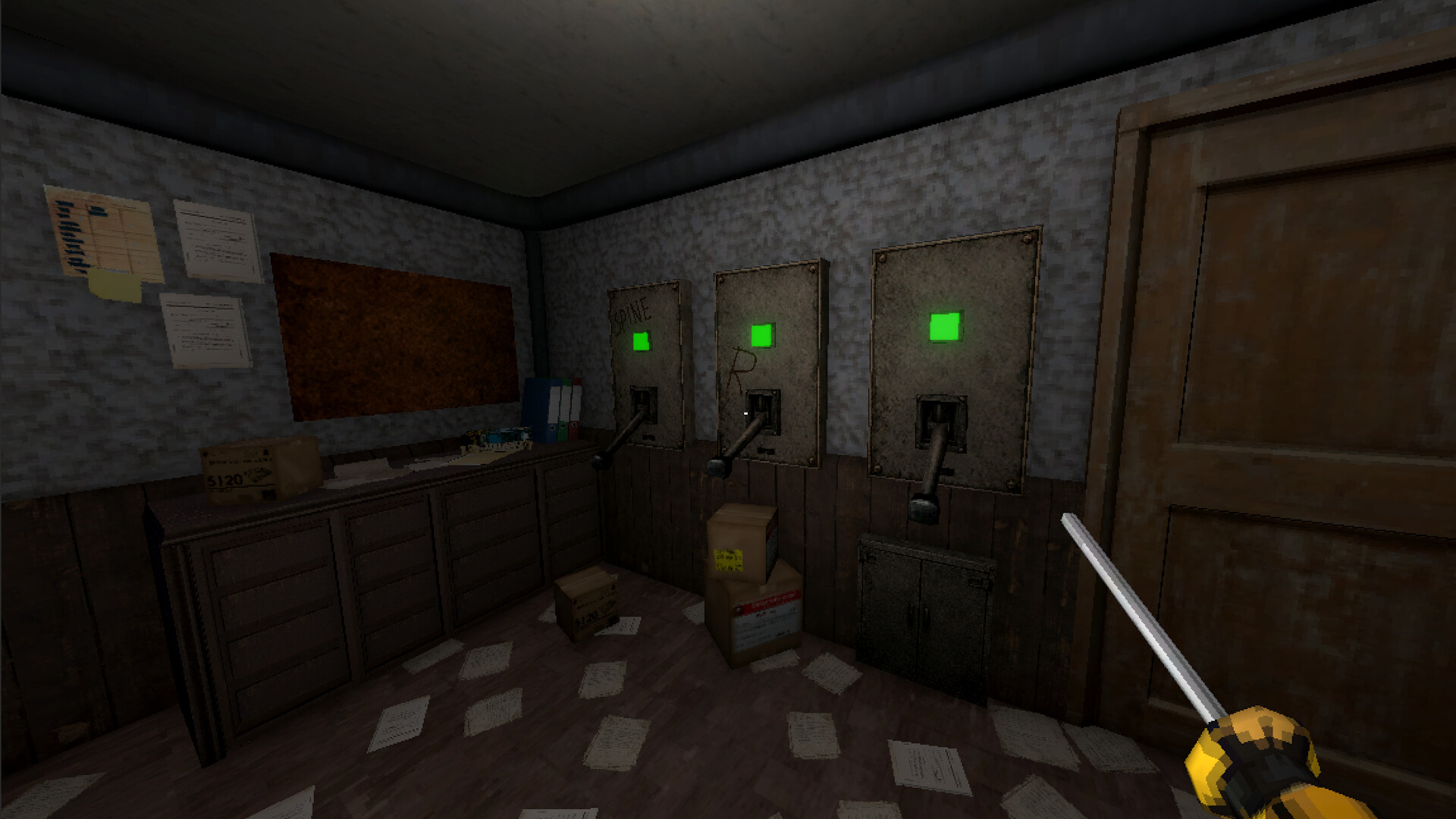
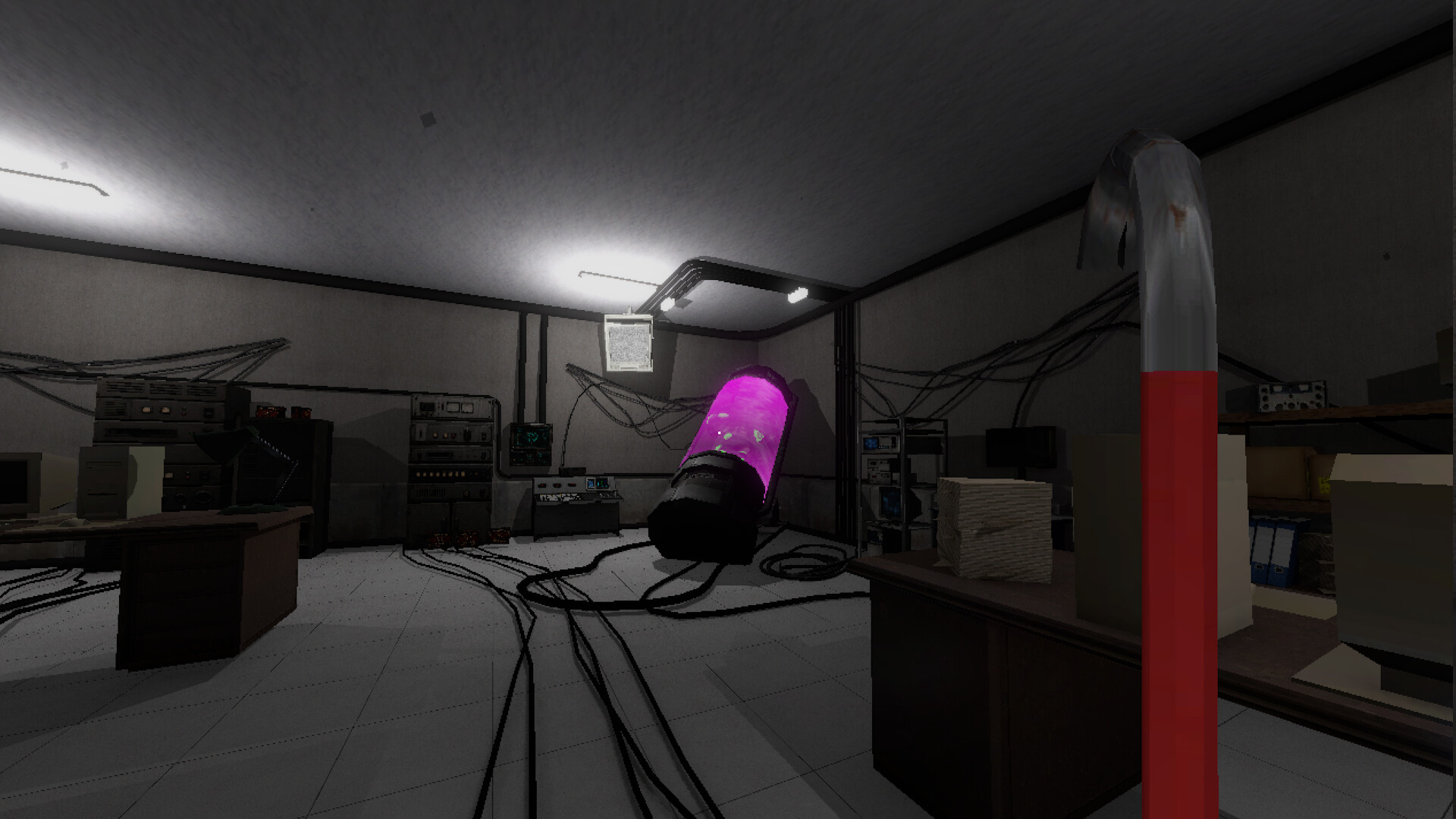
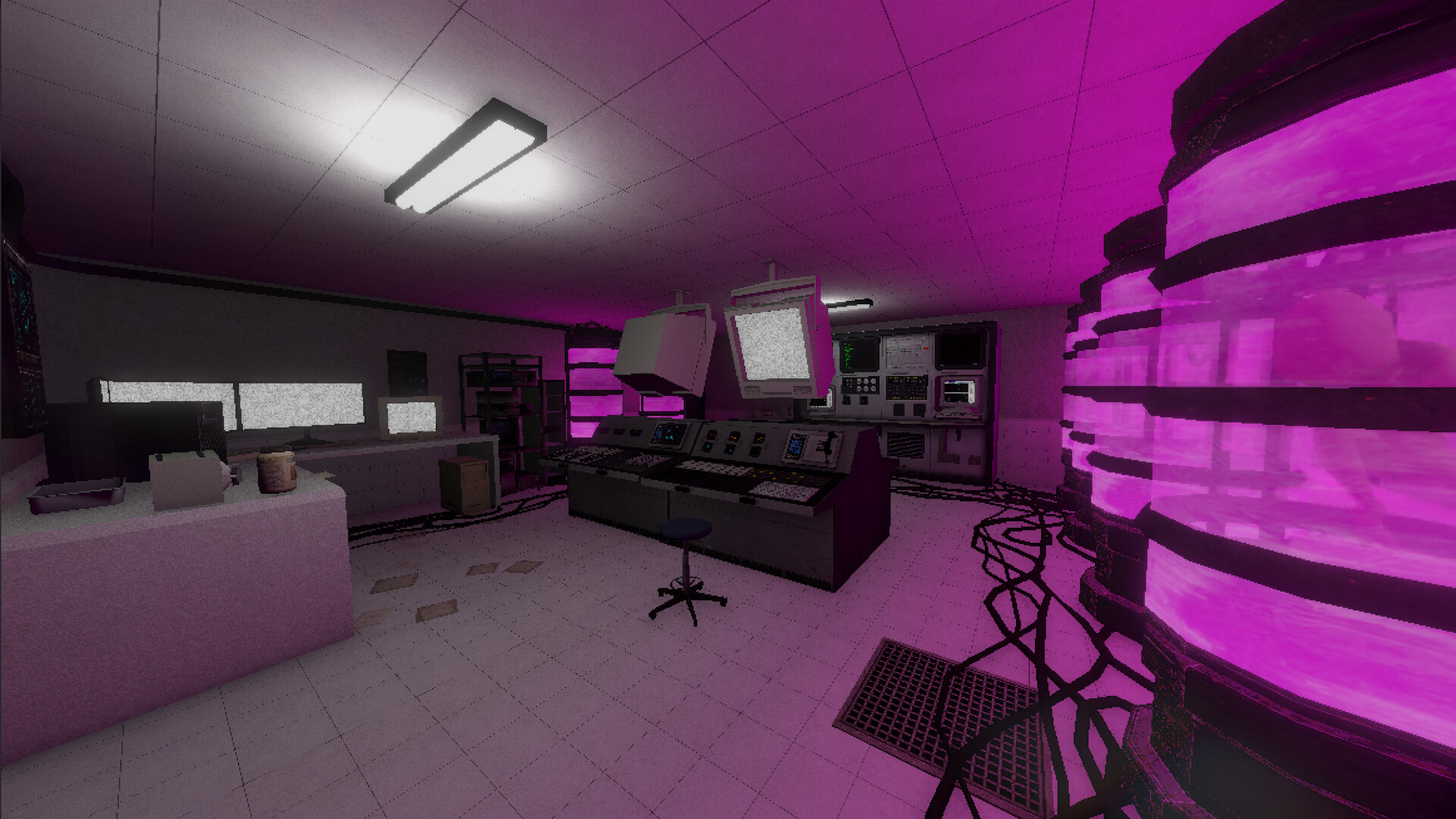
Your job was supposed to be simple: restore power, check the breakers, and get out. But the deeper you descend, the clearer it gets — this isn't an equipment failure. The relay station is merely a cover for something far more unnatural. Restricted sectors, bio-labs, human brain digitization, and encrypted logs left by scientists who vanished long before you.
The signal is still live.
The system hears your every step.
FEATURES
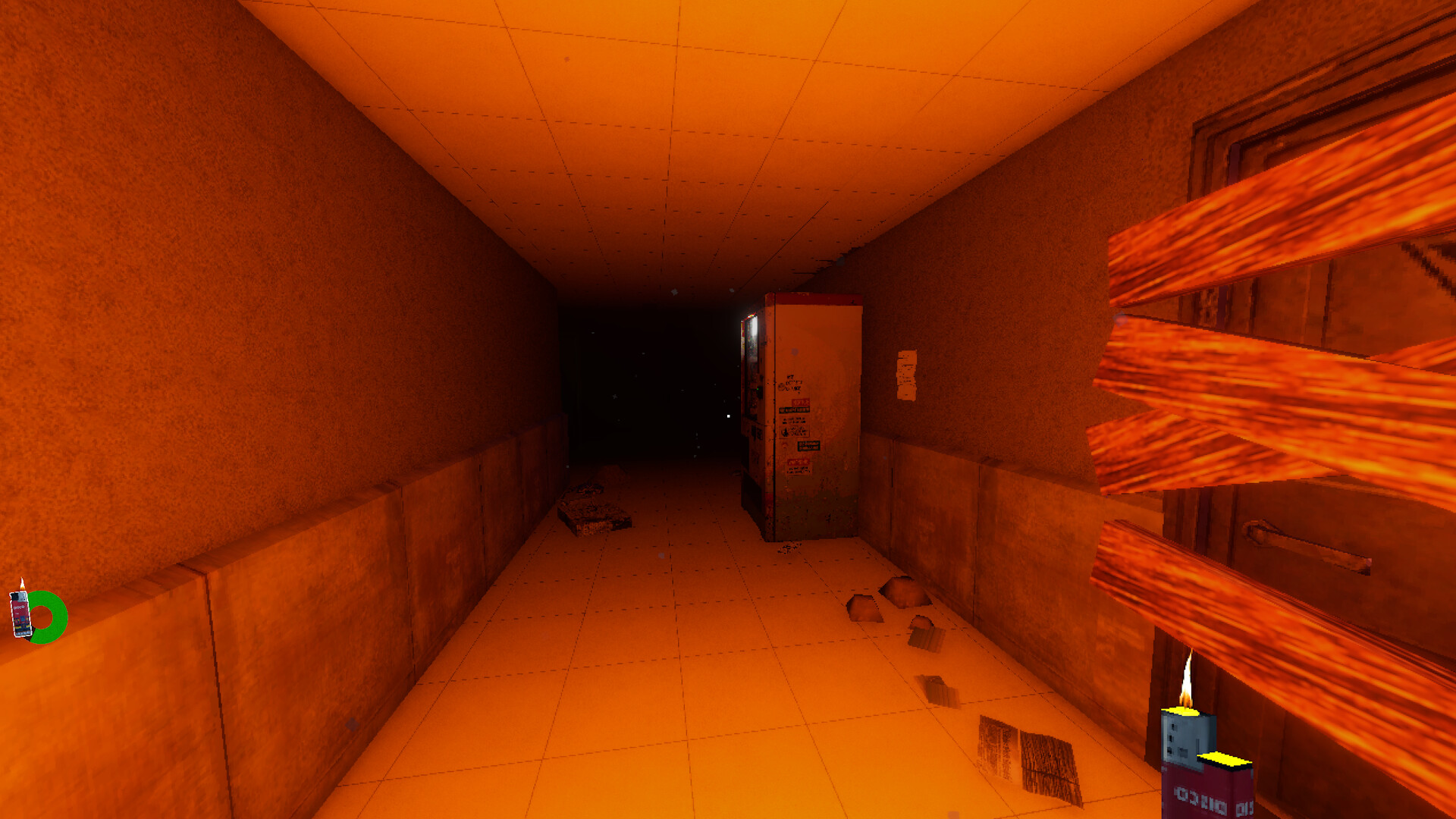
Gritty PSX-inspired Horror — Low-poly models, grimy textures, harsh lighting, and the uneasy hum of obsolete technology.
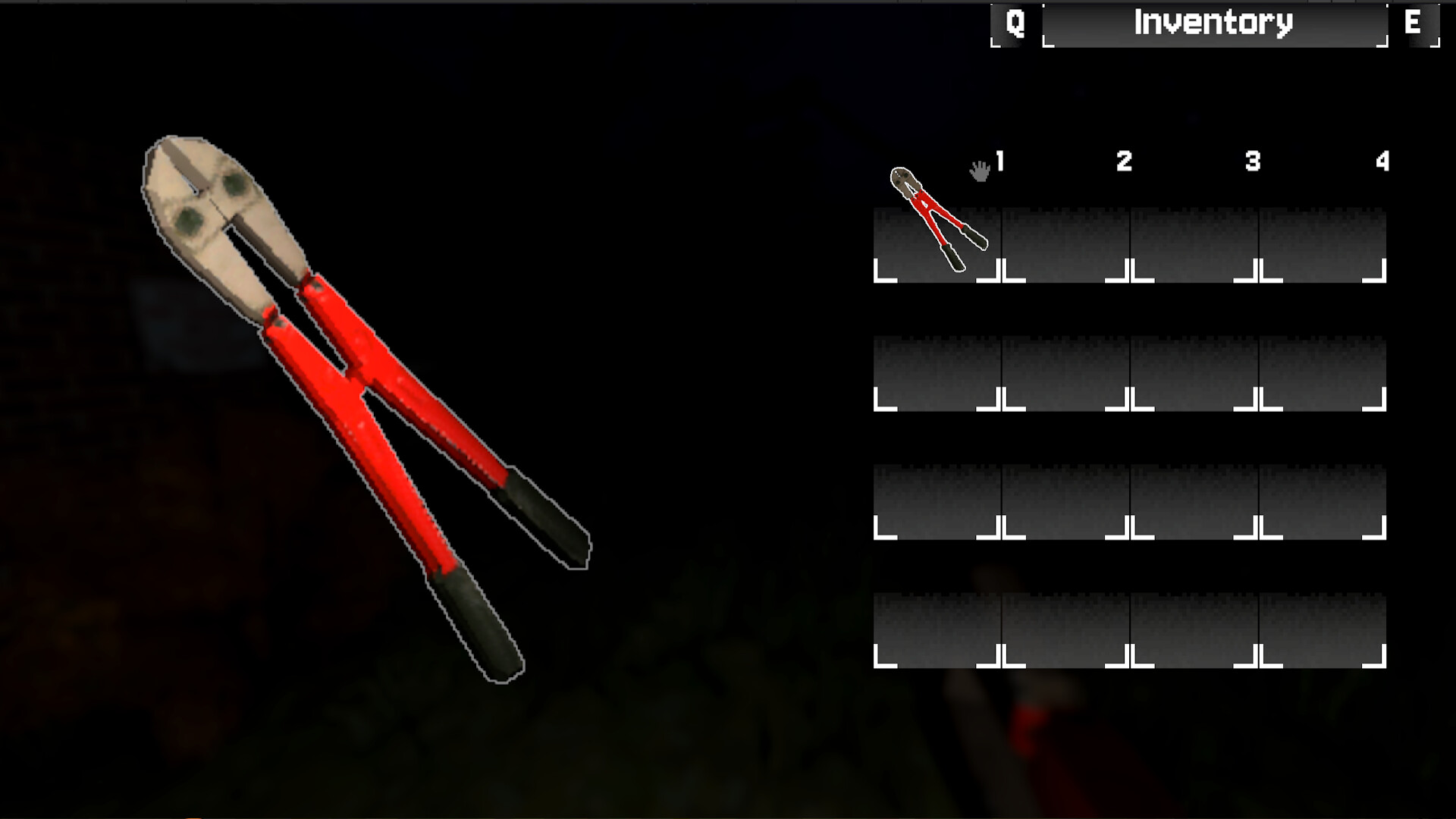
Classic Survival Horror Core — Locked doors, resource management, searching for fuses, solving power grid cascades, and backtrack navigation.
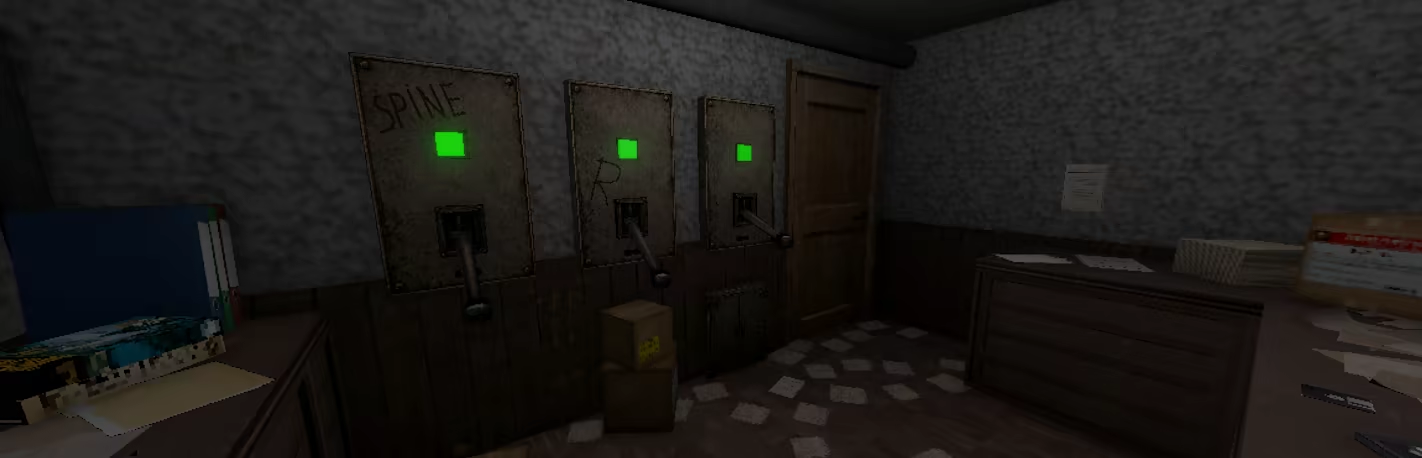
Techno-Horror & Paranoia — A digitized mind now controls the facility. He manipulates the environment — locking doors, releasing gas, altering codes, and unleashing hideous alien-guided experiments while watching you through every terminal.
Limited Combat — Weapons buy you time, not safety. Resources are scarce, and the flesh roaming the cable tunnels doesn't die easily.
Decryption & Lore — Find offline decryption tools to bypass the digital entity, read the final logs of the executed staff, and piece together the alien conspiracy.
STORY
You are a field engineer dispatched to a blacked-out relay station in the middle of nowhere. What was supposed to be a routine grid repair turns into a nightmare as you uncover classified labs hidden behind the station's facade.
Your predecessor’s final notes warn of system overrides, remote-controlled locks, and failed experiments roaming the dark corridors. Then, an internal phone rings.
The voice on the other end claims he wants to guide you out. But he is no longer human — and he’ll stop at nothing to ensure you don't take his place.
Available Tables (0)
View available tables...Events Timeline
View full events timeline...Initial Release