Close Enough
About the Game
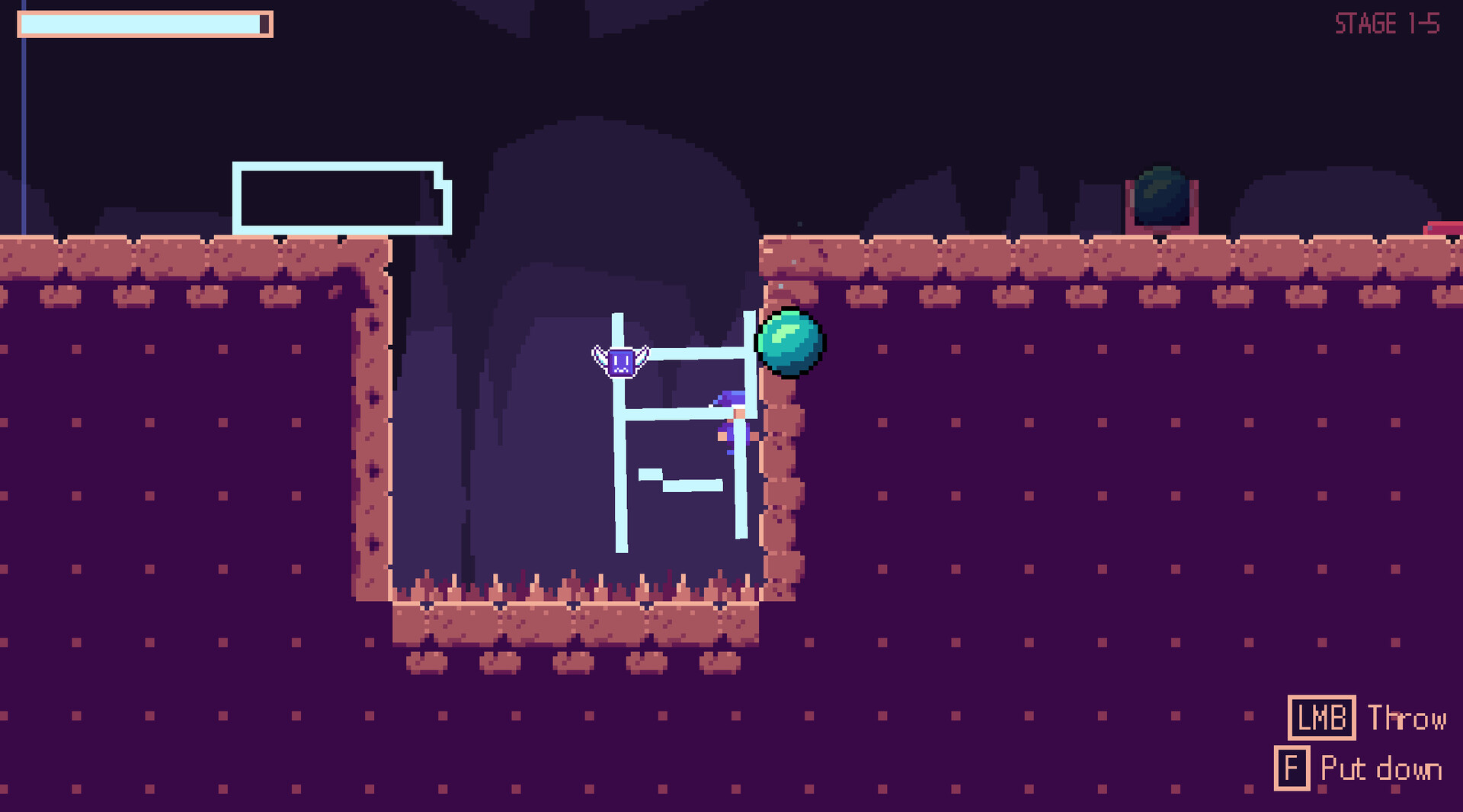
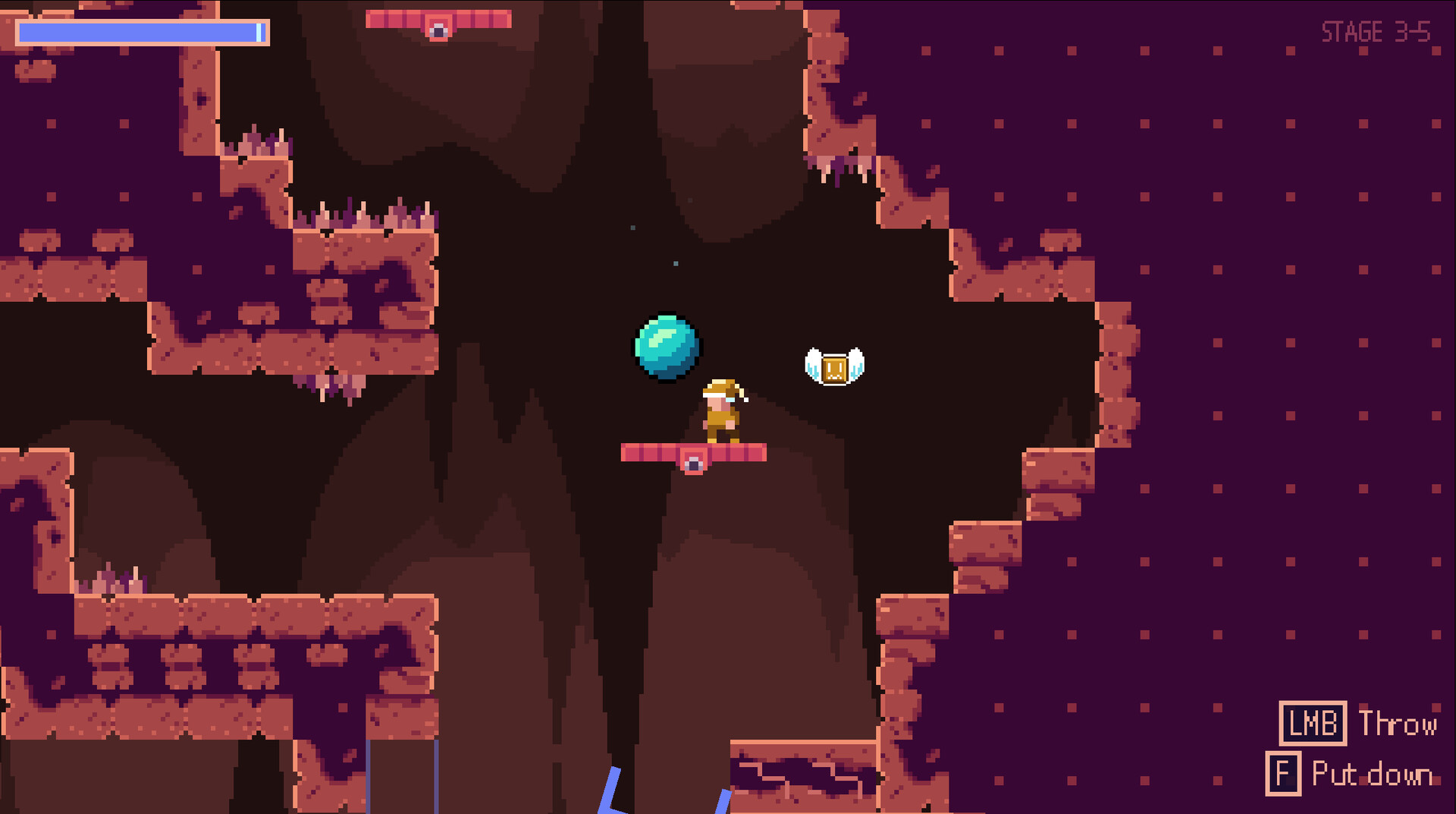
Draw a ladder. Get a noodle.
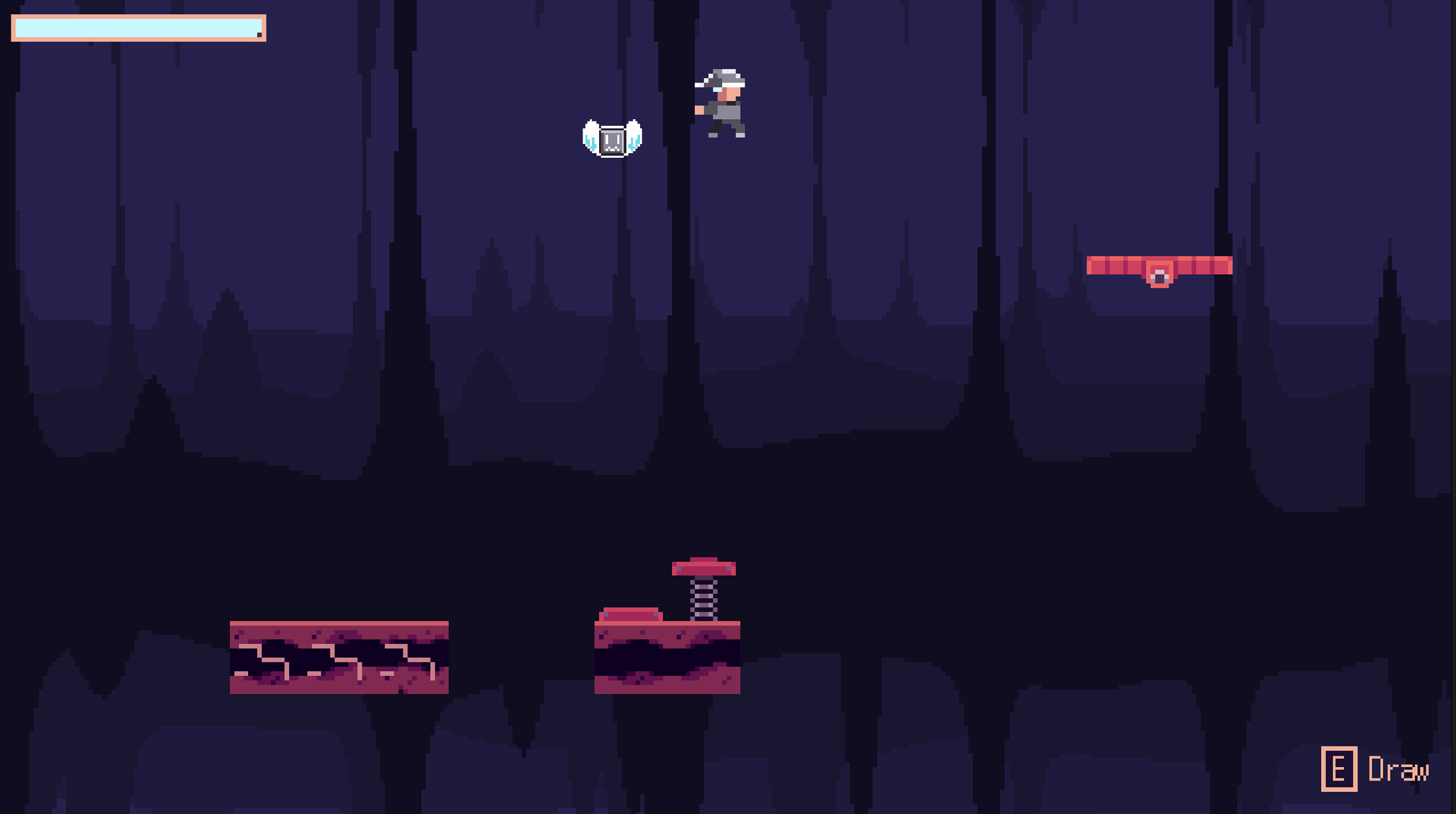
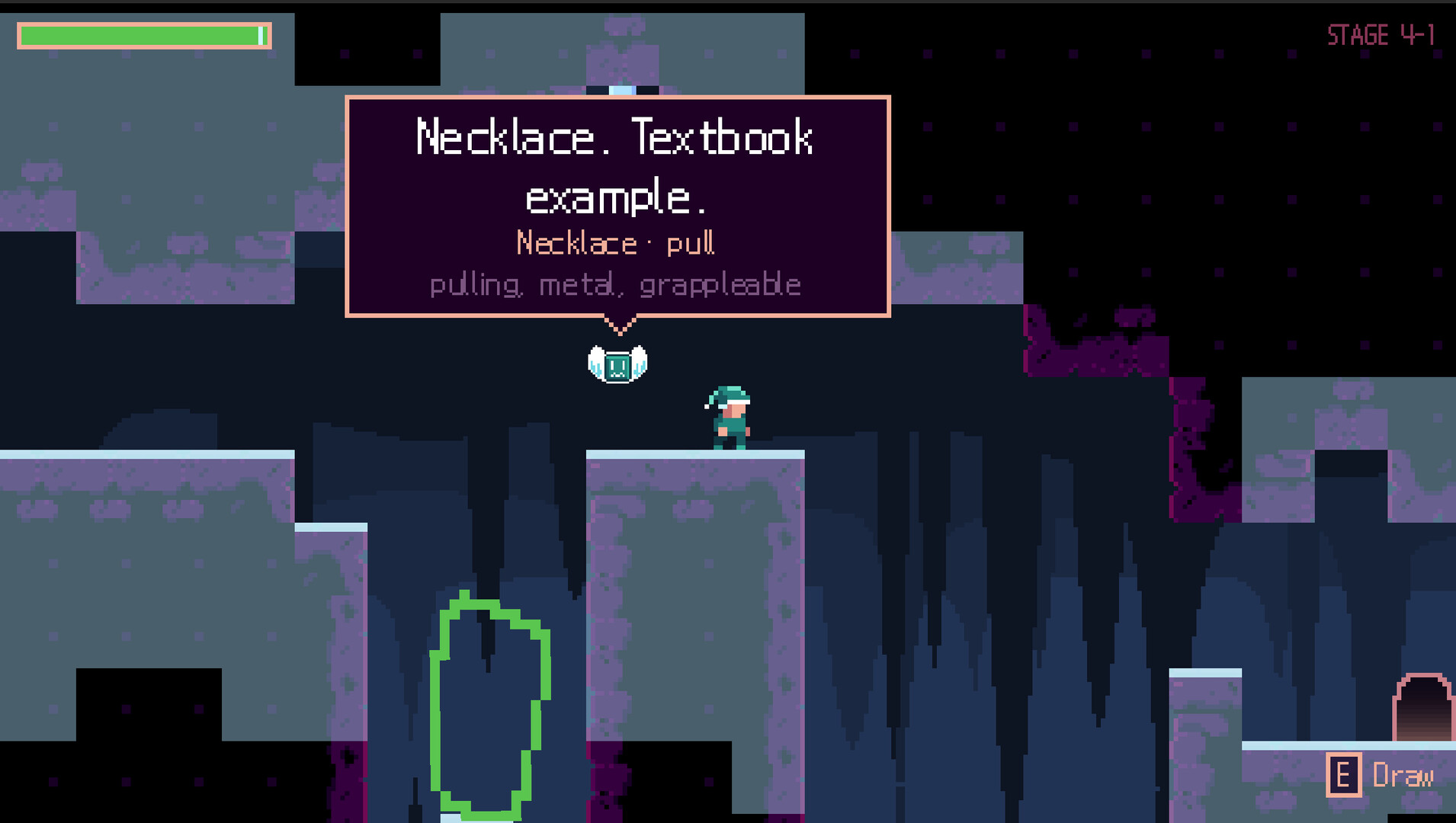
You draw what you need on a 32-pixel grid. A neural network inside the game looks at it and decides what you meant.
It is not very good at this.
That is the game
The game never checks what you drew — it checks what the thing can do. You need something to stand on: a bench works, a couch works, an anvil works, and so, it turns out, does the noodle.
So when your careful ladder arrives as a hot dog, the question stops being how do I draw a better ladder and becomes what can I do with a hot dog. The answer is usually: something.
Every stage has at least three ways through. It has to — the game cannot assume you got the object you asked for.
100 objects, all with opinions
Every object you use is something you drew a moment ago. It arrives with its own weight, its own physics and its own uses.
Ladder — throw it and it locks where it lands. Climb it, or bridge a gap with it
Anvil — heavy. Pins a pressure plate, and you can stand on it
Watermelon — explodes on impact when thrown, or on a one-second fuse if you set it down
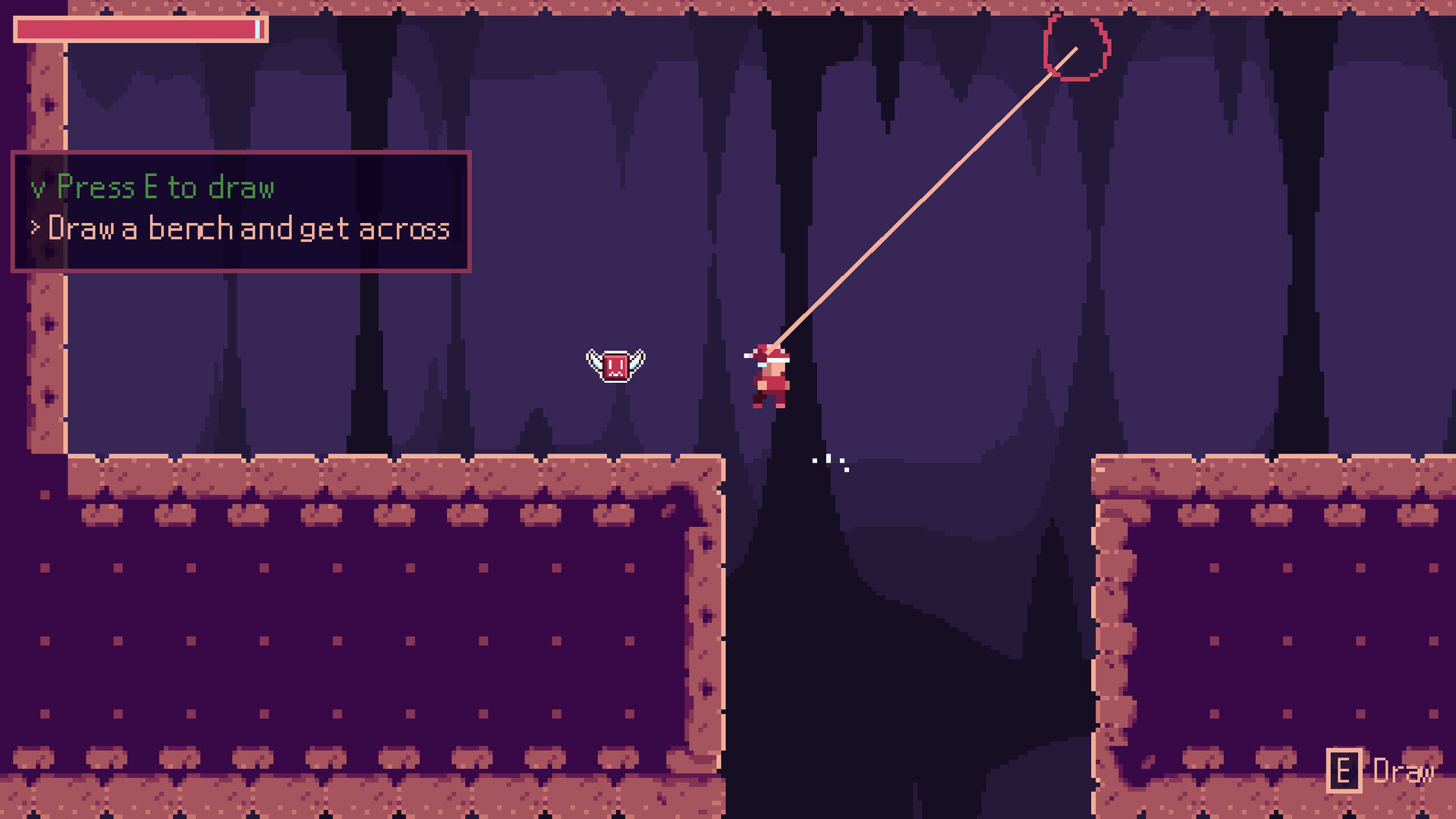
Umbrella — a grappling hook. Swing from a ceiling
Leaf — let go of it and it rises instead of falling
Boomerang — flies straight, ignores gravity, and comes back
You will get some of these on purpose.
Ink
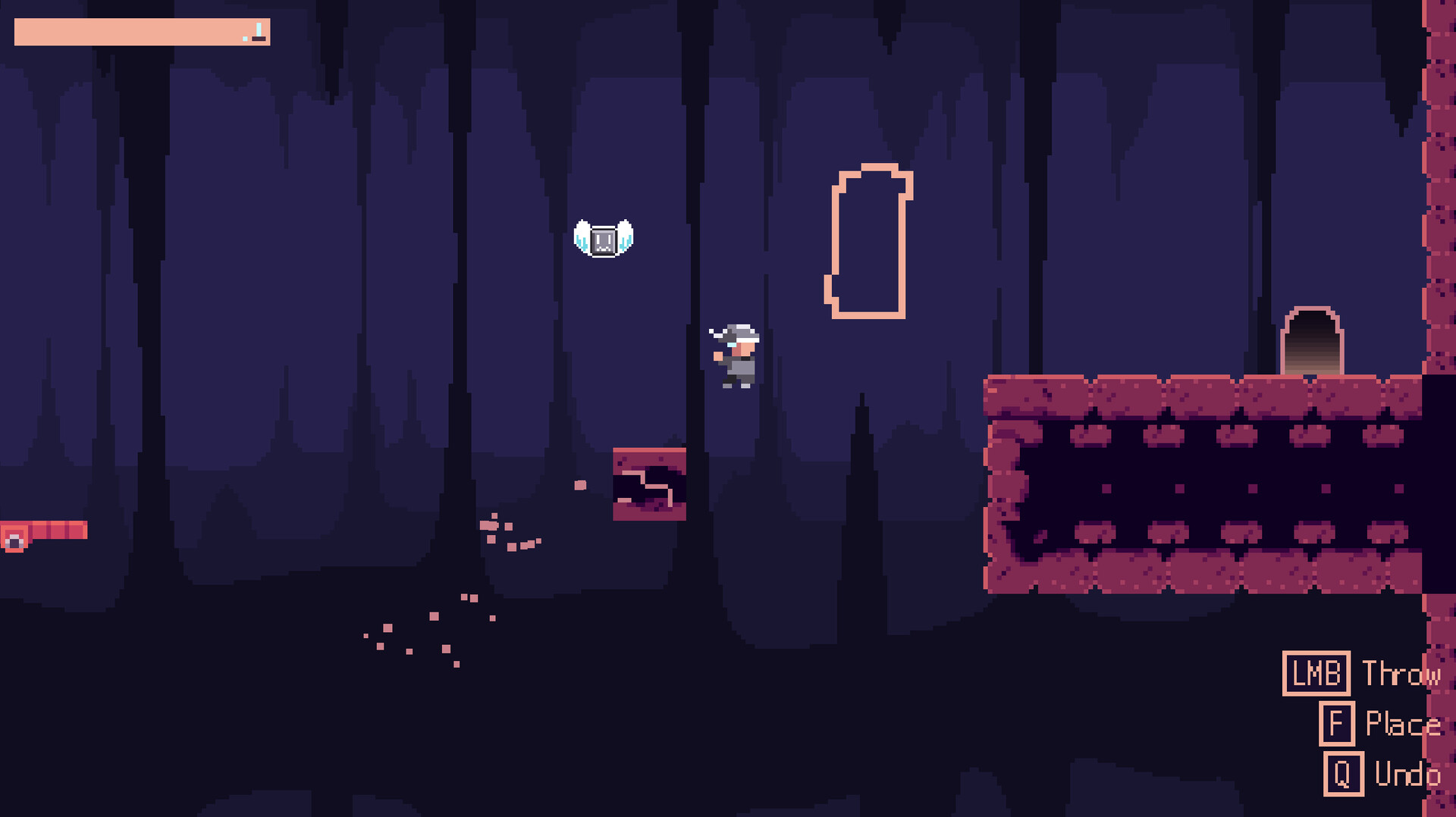
Drawing big costs ink, and the price climbs faster than the size does. The tank refills slowly. So: a bridge all the way across the gap, or one small platform to jump from? Worth thinking about before you spend half a tank on something that comes out as a pretzel.
What's in it
25 stages across five caves
100 drawable objects, each with its own behaviour and its own uses
21 achievements, most of them for solving something the stupid way
Two-player co-op — room code or Steam friend invite. One ink tank between you.
A stage editor, and Steam Workshop to trade what you build
English, 한국어, 日本語, 简体中文, Español, Português (Brasil), Русский
The model runs on your machine
Recognition ships inside the game. No account, no API key, no server, no waiting. The only place a drawing ever travels is your co-op partner's screen.
A small robot announces each drawing out loud as it appears. Sometimes it hedges. It should hedge more.
"Ah. Couch. Obviously." — on being shown a bench
Music by Kevin MacLeod , licensed under Creative Commons: By Attribution 4.0.
Doodle recognition trained on the Quick, Draw! Dataset by Google Creative Lab, licensed under CC BY 4.0.
Full license notices are in the game: Esc → Credits.
Available Tables (0)
View available tables...Events Timeline
View full events timeline...Initial Release