Barefort
About the Game
A tower defense game about tearing down your own defenses.
Expand the map by digging outward from a single starting tile, recover scattered fragments, and carry them back home while enemies close in from every direction.
Build defensive units to survive—but be careful. Your units decay over time, and when they collapse, they destroy the surrounding tiles. The more you rely on them, the more fragile your world becomes.
Stack units to create powerful chain effects, collect cassette tapes to upgrade your build, and push deeper into dangerous territory in a game where survival depends on balancing growth, collapse, and risk.
Inspired by the psychology of defense mechanisms, this is a tower defense game where the things that protect you can also trap you.
Features
Defenses that decay, collapse, and destroy nearby tiles
Dig-based exploration and fragment retrieval
Stackable units with chain-reaction effects
Cassette tape upgrades and deckbuilding choices
High-risk, high-tension map expansion
A surreal oil-painted dream world
Dig, expand, and bring the fragments back
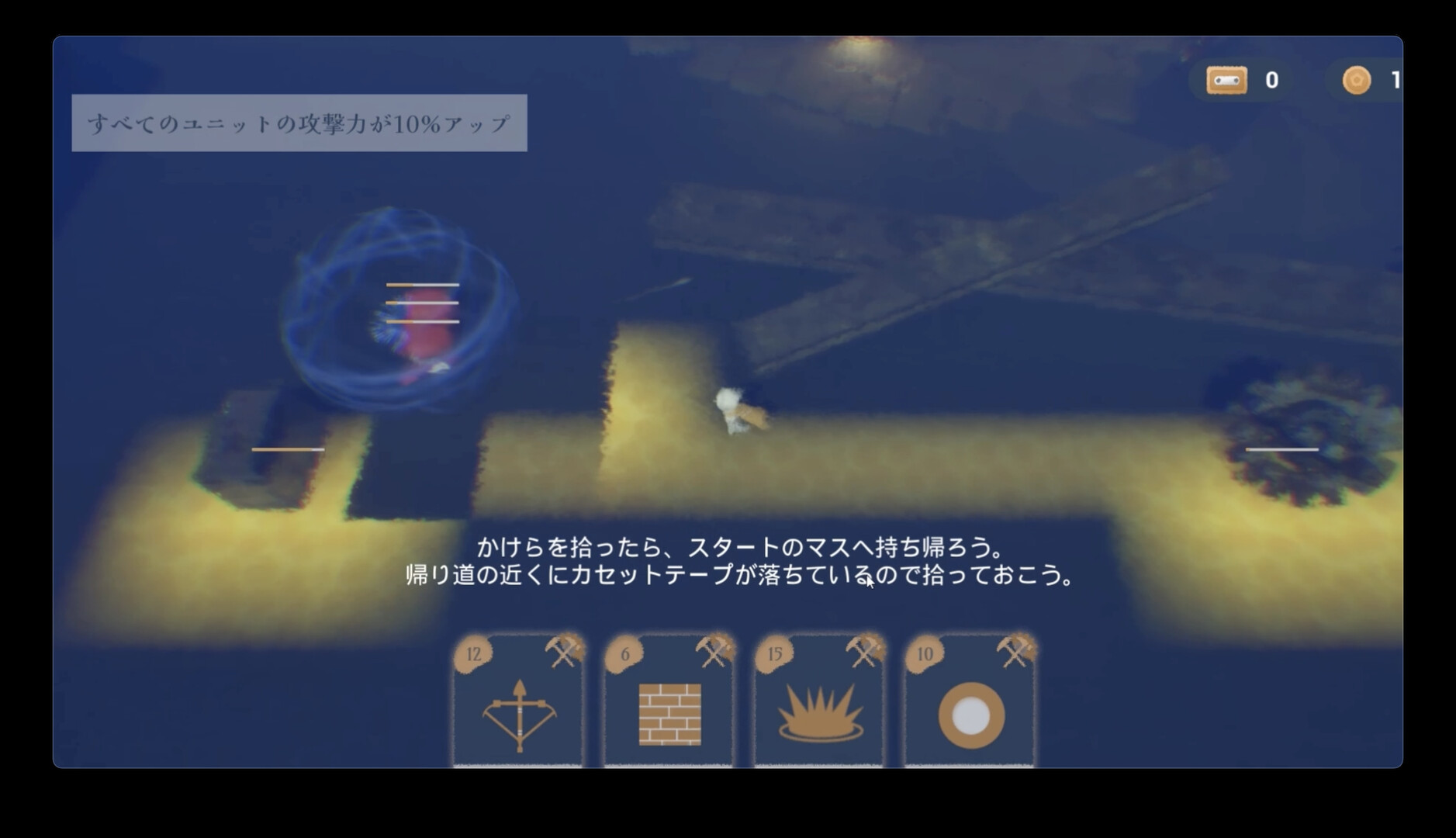
Each stage begins with a single score tile.
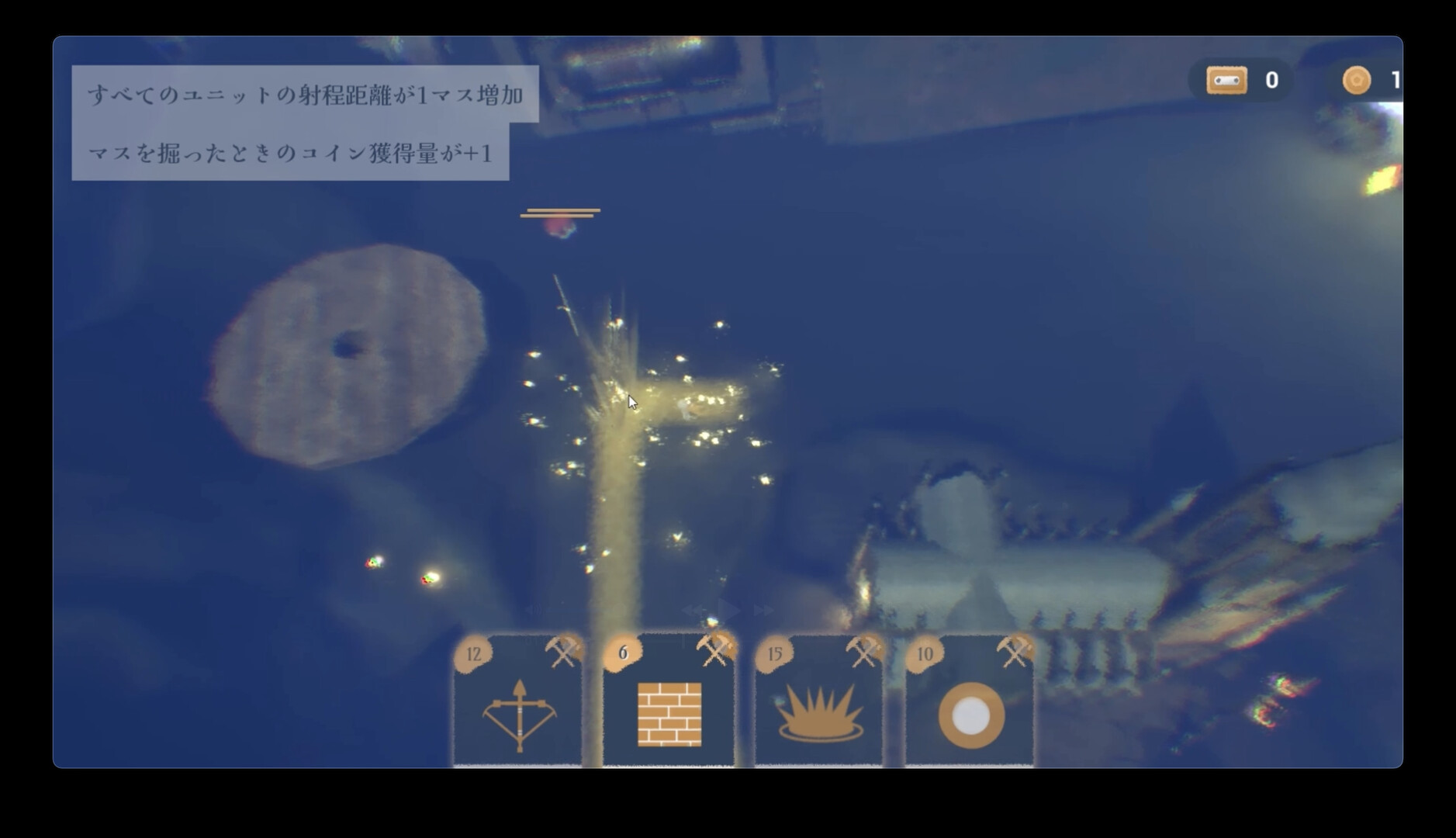
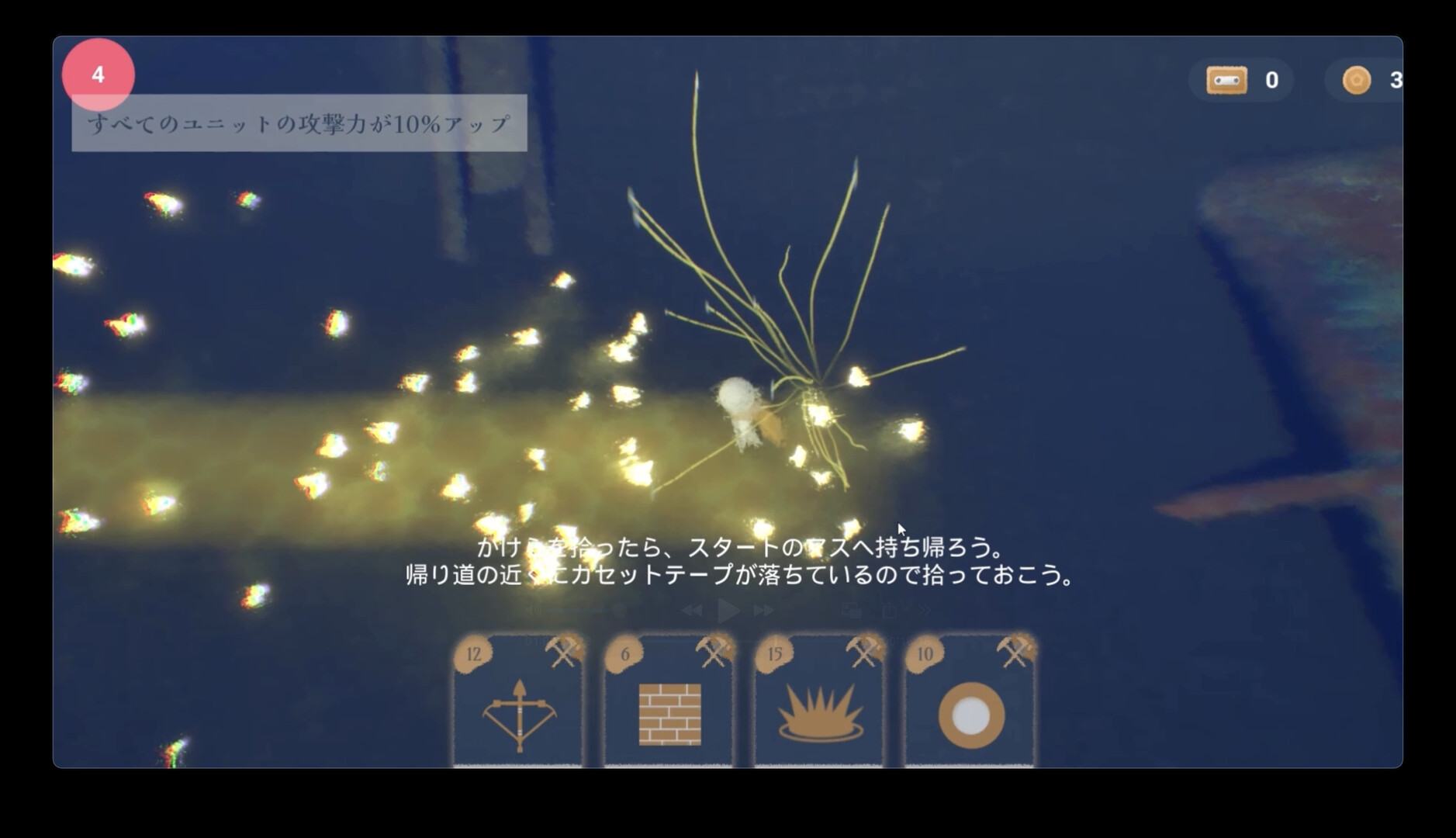
By digging into adjacent terrain, you expand your foothold and open new paths across the map. Fragments appear in distant locations, and your goal is to retrieve each one and carry it back to the first tile. Return them all, and you clear the stage.
But enemies attack from multiple directions, targeting both your units and the tiles you depend on.
If a tile is destroyed and becomes disconnected from the original starting point, it disappears. If you are standing on it when that happens, you go down with it.
Every step forward creates new possibilities—and new ways to lose everything.
Stack your defenses, then live with the consequences
Units can be built on adjacent tiles and provide a variety of effects, from attacking enemies to generating coins.
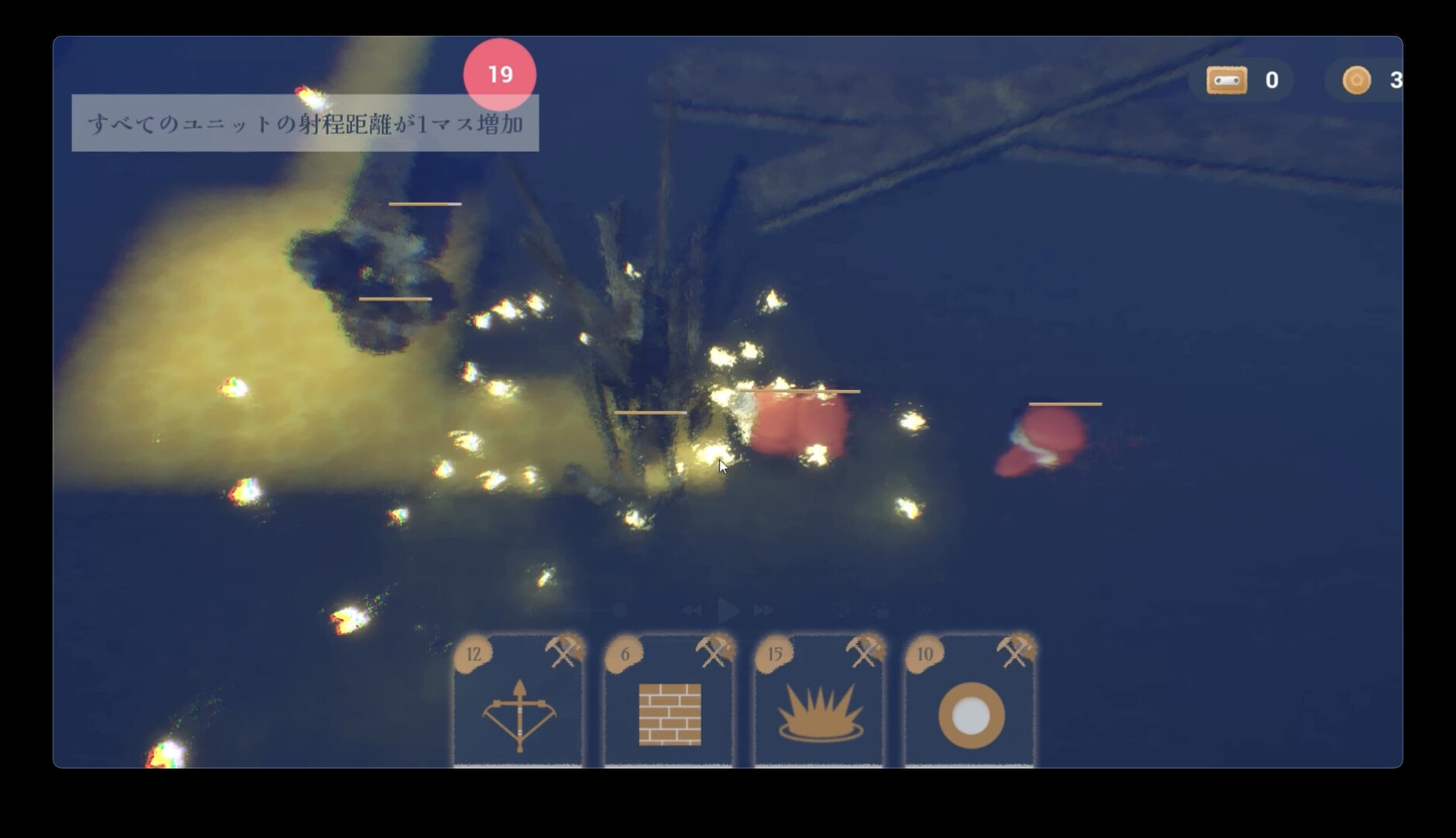
They can also be stacked, triggering their effects in chained succession from the bottom up. A strong stack can hold the line and create powerful synergies, but when it breaks, the damage is far more severe.
The stronger your setup becomes, the more dangerous its collapse can be.
That tension between power and ruin is the heart of the game’s strategy.
Build your deck with cassette tape upgrades
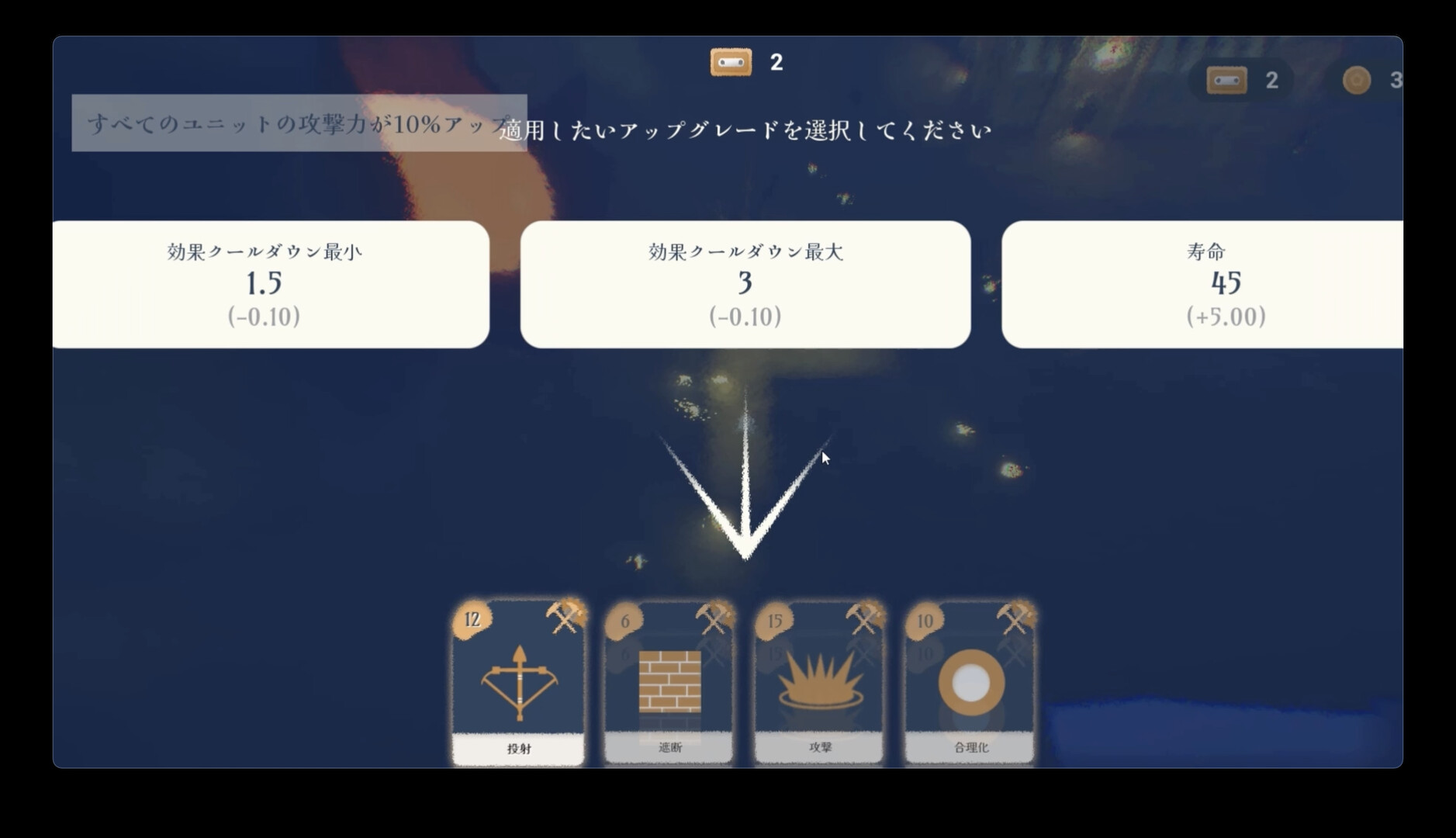
Cassette tapes appear at random across the map. Collect them before returning a fragment, and you can use them to upgrade your units.
This gives each run a deckbuilding layer shaped by movement, timing, and risk. Do you spend your resources to survive the next wave, or invest in a stronger build for what comes later?
Those choices accumulate, and they define the feel of every run.
A system built around psychological defense mechanisms
The central theme of the game is defense mechanisms.
Defense mechanisms are the ways people protect themselves from painful reality. But when those defenses become rigid, they can keep the root of suffering unresolved and make it harder to live freely or honestly.
This idea is not just part of the story. It is built directly into the game’s systems.
Your units protect you, but over time they begin to destroy the very ground you stand on. They embody the irony of psychological defenses: what helps you survive in the moment may quietly limit your future.
By contrast, recovering fragments and bringing them back to the first tile represents reclaiming something lost and returning it to a place of safety.
Even in a dangerous world, there is still a place to come back to.
A dreamlike world painted in blue and orange
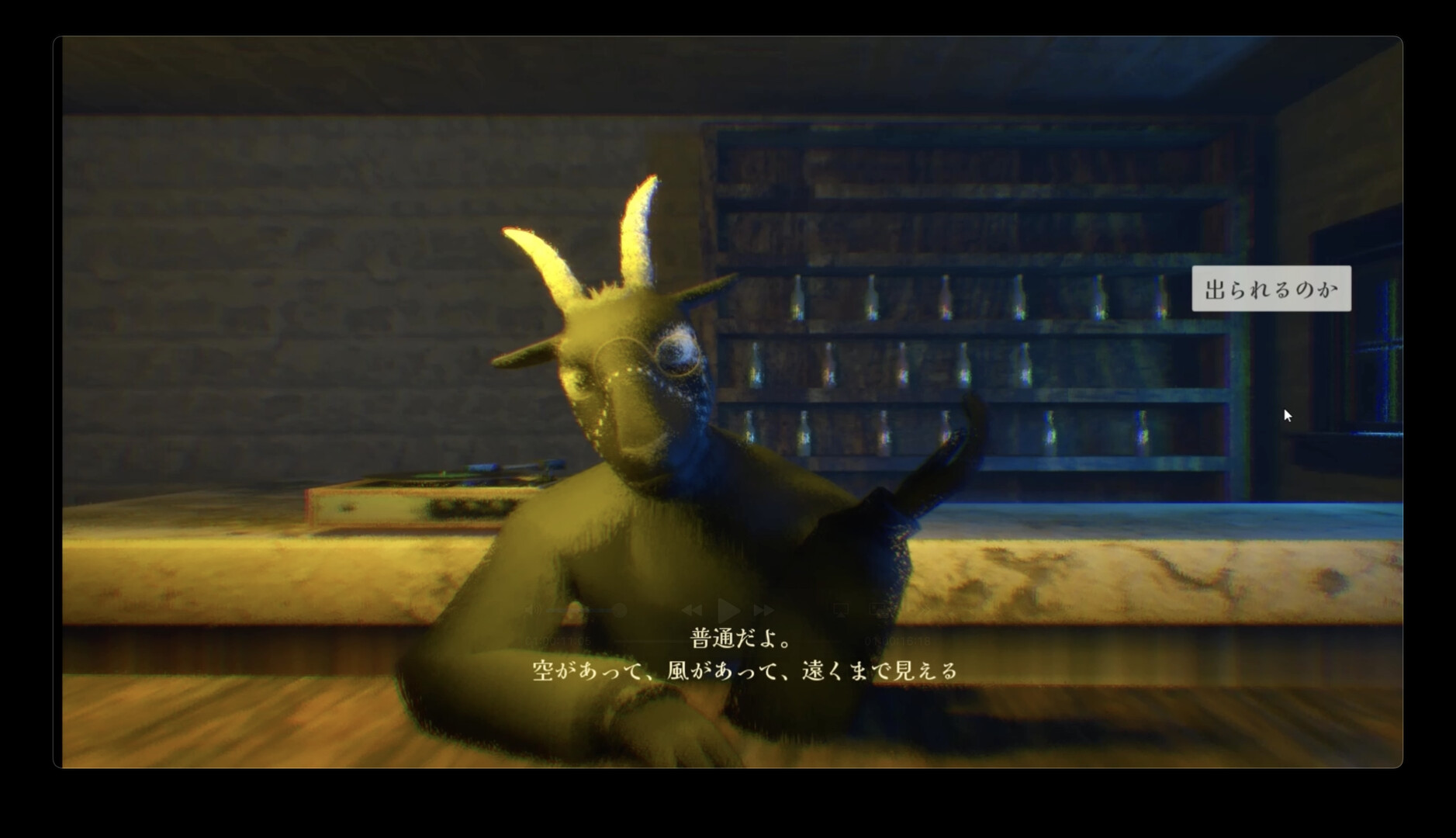
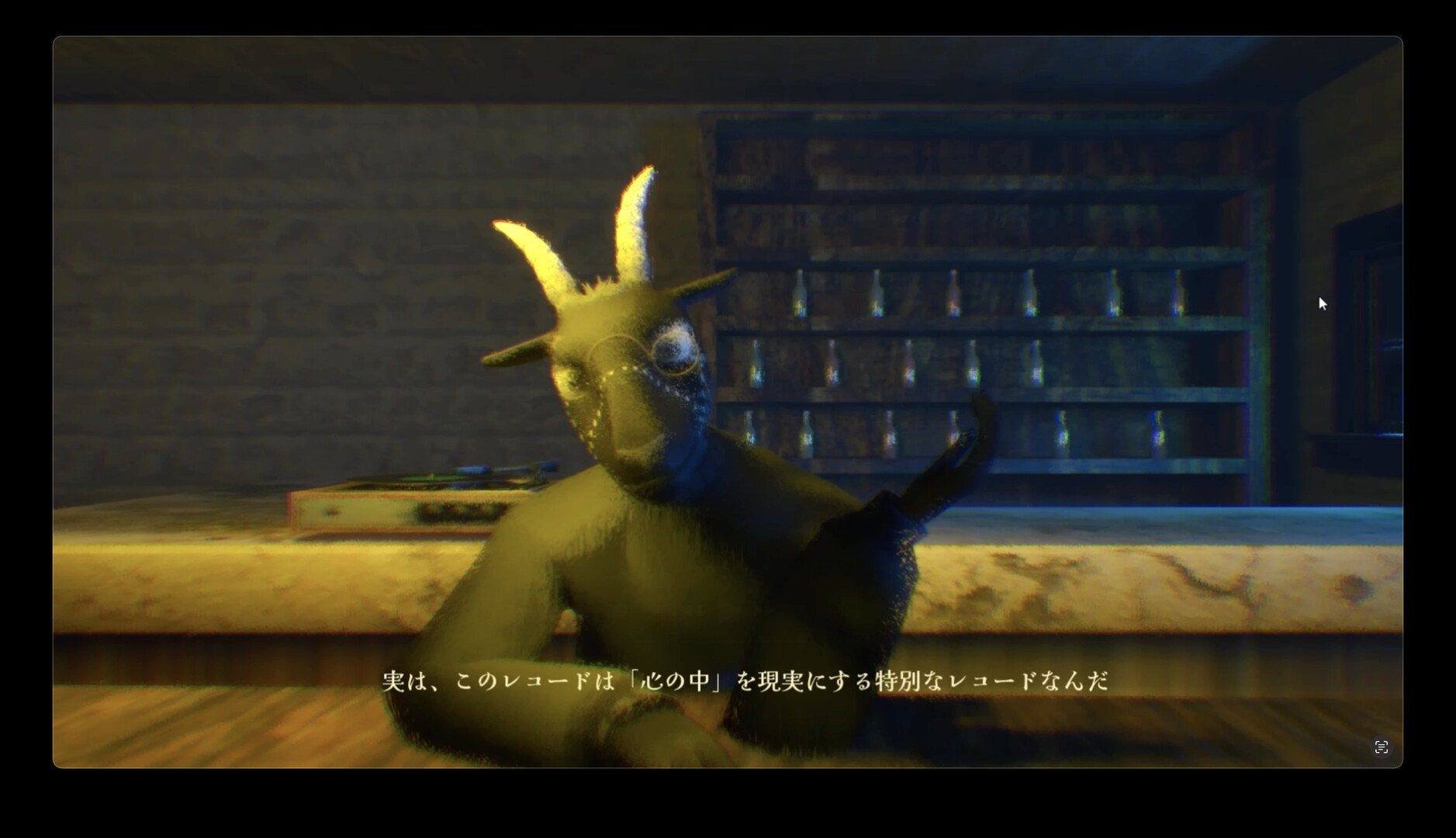
The game’s visual style is inspired by dreams, rendered with an oil-painting look.
Cold blues define the world, while soft orange light glows through the darkness to create the feeling that even in a collapsing landscape, there is still warmth somewhere ahead.
Buildings and lamps stand at the same scale. Overturned trains pile up across the scenery. The world is surreal, unstable, and quietly inviting.
Units, representing defense mechanisms, are designed with artificial steampunk-inspired forms. The tiles, which symbolize the player’s humanity and potential, are shaped by natural motifs such as butterflies and ripples on water.
This contrast between the mechanical and the organic runs through the entire game.
Available Tables (0)
View available tables...Events Timeline
View full events timeline...Initial Release