Arena Bot Manager

Arena Bot Manager

About the Game

Make your mark on the Lunar Ringworld.

Start with scraps, debt, and a barely functional machine. Build a bot-fighting team strong enough to climb from scrapyard matches to headline arenas.
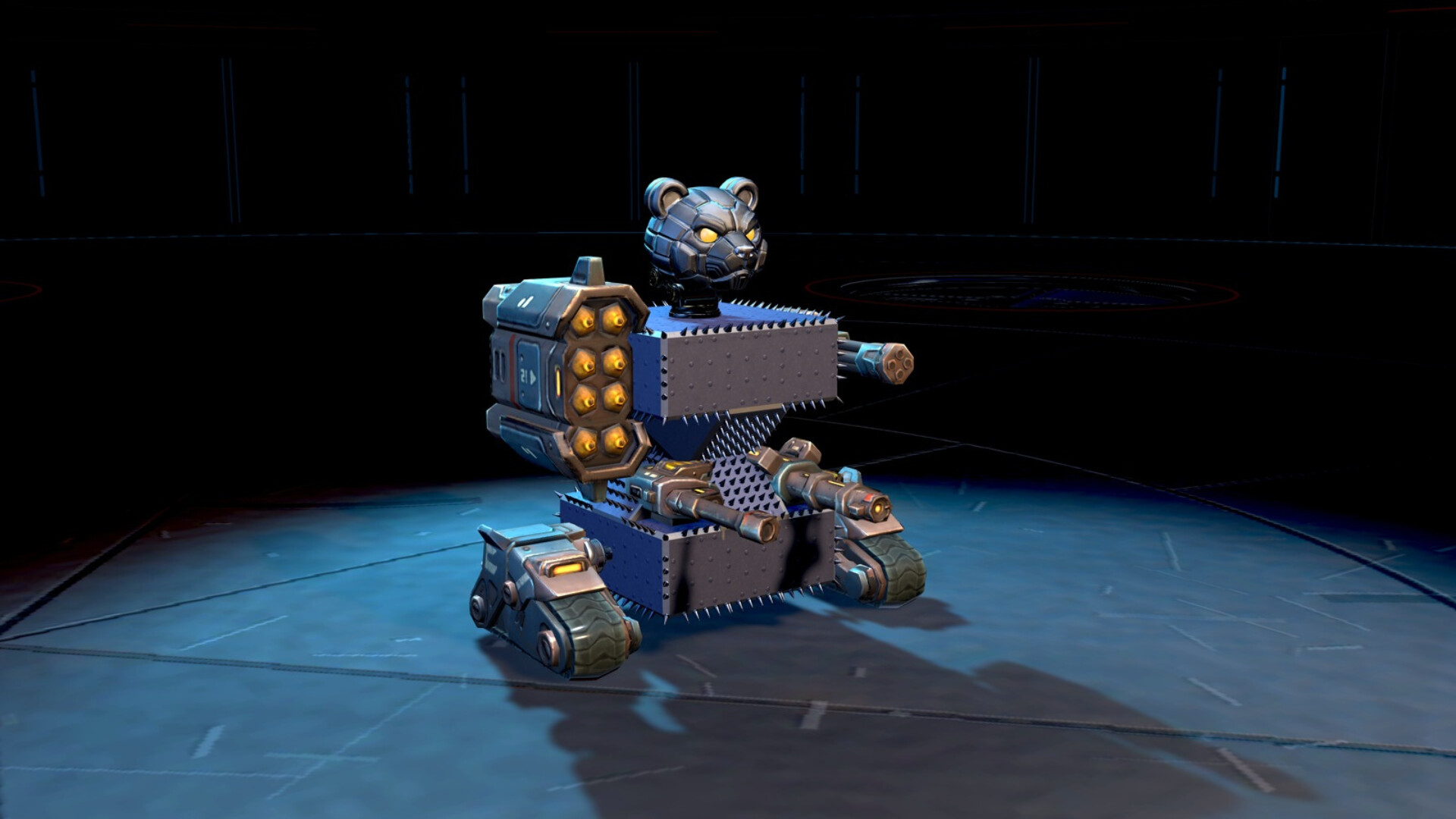
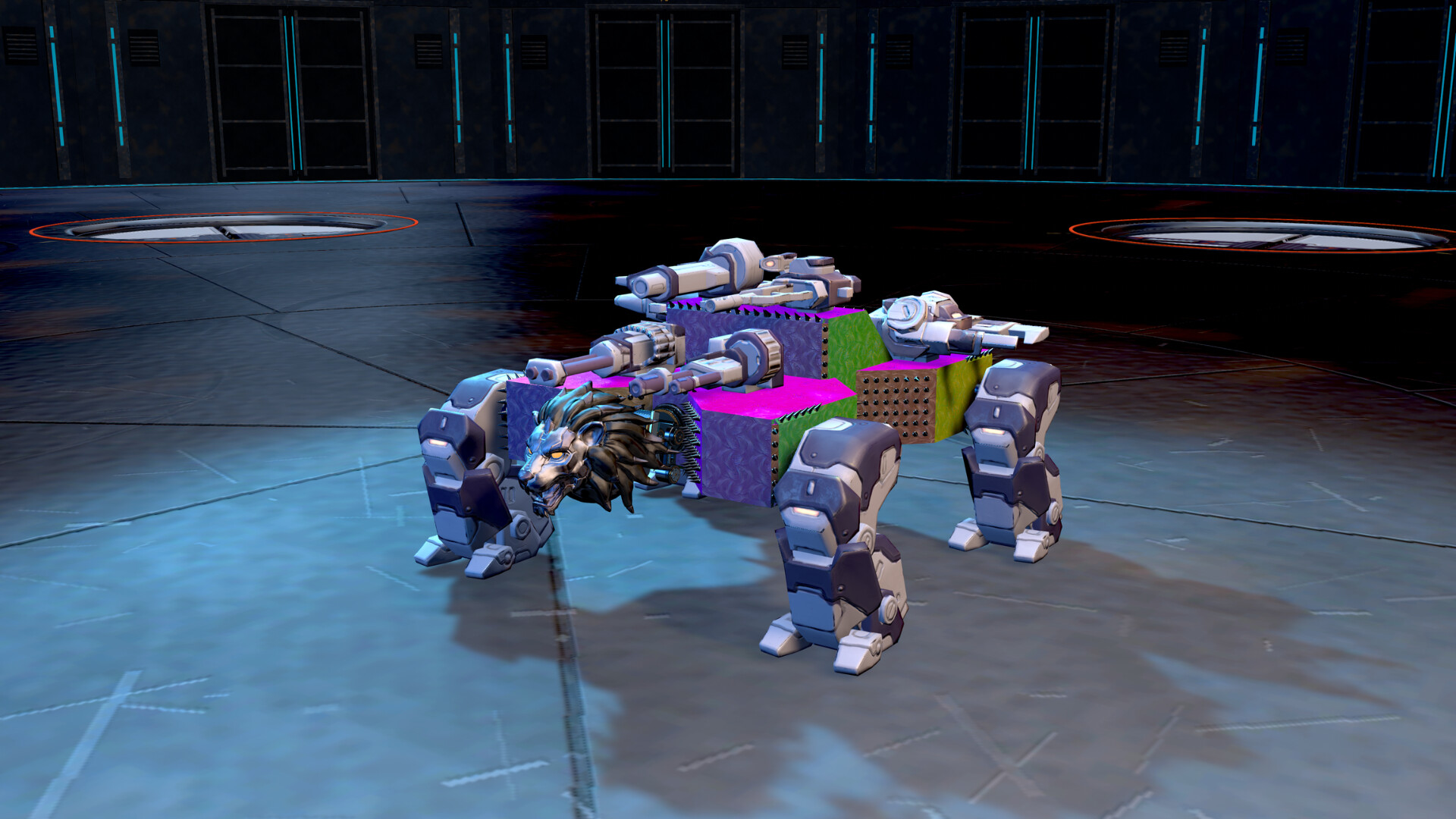
  • Build your first arena bot from whatever you can afford. Scavenge discarded parts in the scrapyard or buy new components on credit and risk debt to create a stronger starting machine.
  • Train bots that develop real combat instincts. Arena Bot Manager uses advanced machine-learning systems, including Hierarchical Reward Learning and Generative Adversarial Imitation Learning, to create bots that adapt, improve, and fight in unpredictable ways.
  • Shape your team through turn-based schedule management. Choose how your time is spent each day: training, earning money, repairing damage, improving stats, building relationships, or preparing for the next fight.
  • Choose your first path into the bot-fighting circuit. Enter low-tier arena scrums, serve as paid target practice for elite teams, compete in illegal street fights, or perform as an arena clown dodging missiles and turret fire for the crowd.
  • Fight your way out of the bottom ranks. Early work is dirty, dangerous, and humiliating, but every match, job, and training session brings your team closer to sponsors, fame, and better arenas across the Ring.
  • Turn a scrapyard operation into a headline team. Recruit support, upgrade your machines, refine your training strategy, and build a reputation that sponsors cannot ignore.

Manage the team. Train the bots. Watch the fight unfold.

Arena Bot Manager is a hands-off simulation where your planning matters more than your reflexes.
  • You are the manager, not the fighter. Equip your bots, train their skills, set their priorities, and choose matches they are ready to survive.
  • Prepare your bots before they enter the arena. Assign fighting styles, targeting priorities, training goals, and tactical behaviors before each match begins.
  • Watch the action from the team box or live drone feed. Once the fight starts, your bots are on their own. Study their performance, spot weaknesses, and prepare for the next round.
  • Make fast decisions between rounds. Repair damaged systems, swap parts, adjust loadouts, and send your bot back into danger with whatever fixes you can manage.
  • Simulate the fight from a distance. Attend the match in person, watch the live feed, or send your bot off alone and catch the results from home on BotTube.
  • Shape your bot’s combat personality. Train it to fight defensively, attack aggressively, prioritize weak targets, control space, showboat for the crowd, or taunt opponents when the moment is right.
  • Tune the machine-learning systems behind each fighter. Adjust and improve the reward priorities that guide your bot’s behavior, then watch those choices play out in unpredictable arena combat.
  • Jump into simulated matches with imitation learning. Take direct control of your bot during training simulations to demonstrate tactics, improve learning outcomes, and help shape how it fights when it enters the arena on its own.

Time is your greatest resource.

Arena Bot Manager uses planned timeblocks, not a ticking clock. Take your time to think, then commit your day to the choices that matter most.
  • Plan your day through hourly timeblocks. Repair equipment, train bots, program simulations, scavenge for parts, travel to events, or prepare for upcoming matches.
  • Never let the circuit forget your name. Missing arena matches can push your team toward obscurity, so every day between events is a precious chance to get stronger, richer, or better prepared.
  • Keep your team productive while you are away. If you spend six hours at the arena with one bot, leave another bot at home doing machine-learning training so no part of the day goes to waste.
  • Plan around travel, delivery, and downtime. Before you own a vehicle, transporting your bot to and from the arena can take days. Parts may need to be shipped ahead of a match, and damaged bots may not return quickly.
  • Diversify your training and parts strategy. A bot stuck in transit cannot train, fight, or earn money. Build backup plans, spread equipment across your team, and avoid depending on a single machine.
  • Balance preparation against opportunity. The best match is not always the most profitable one. Consider travel time, repair costs, training needs, and whether your bot will be ready when the bell rings.
  • Think freely, then commit. There is no real-time pressure while planning. Study your options, set the schedule, and watch the consequences unfold across the day.

Work the crowd. Build the brand.

Winning matters, but fame can turn a good bot into a citywide obsession.
  • Grow your fanbase to attract better opportunities. Popular bots draw sponsor attention, increase arena payouts, and help your team become more valuable across the Lunar Ringworld.
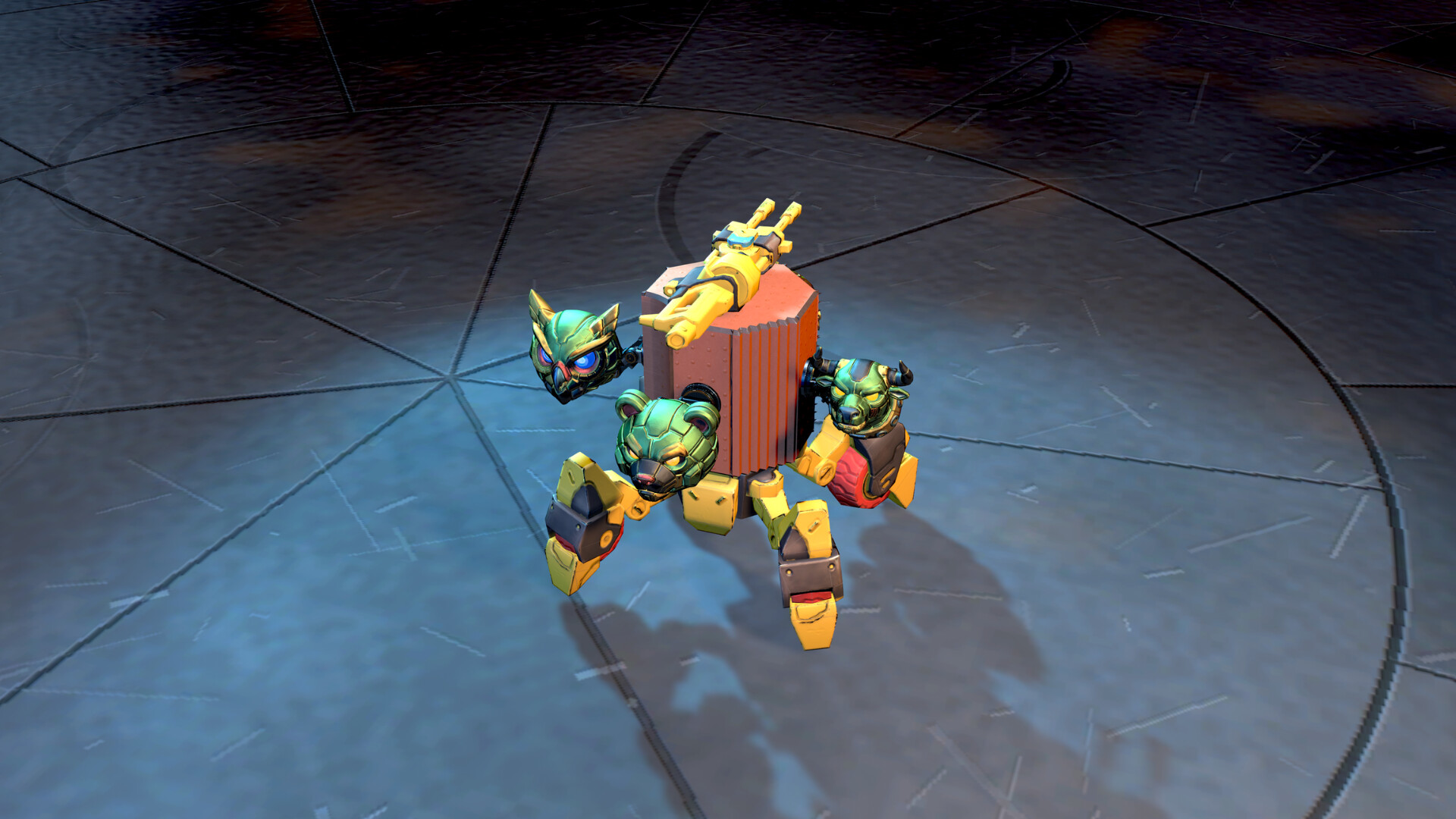
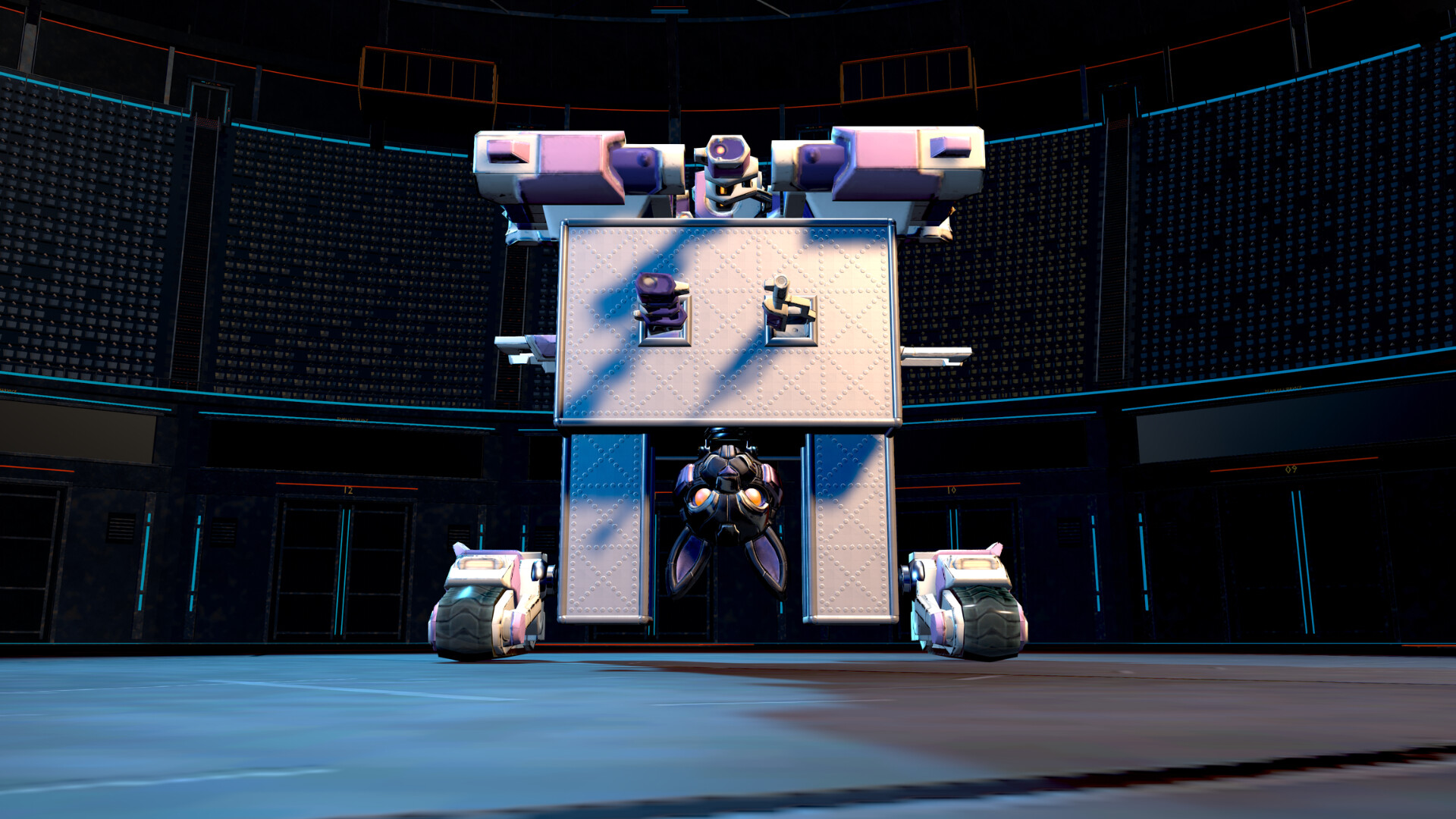
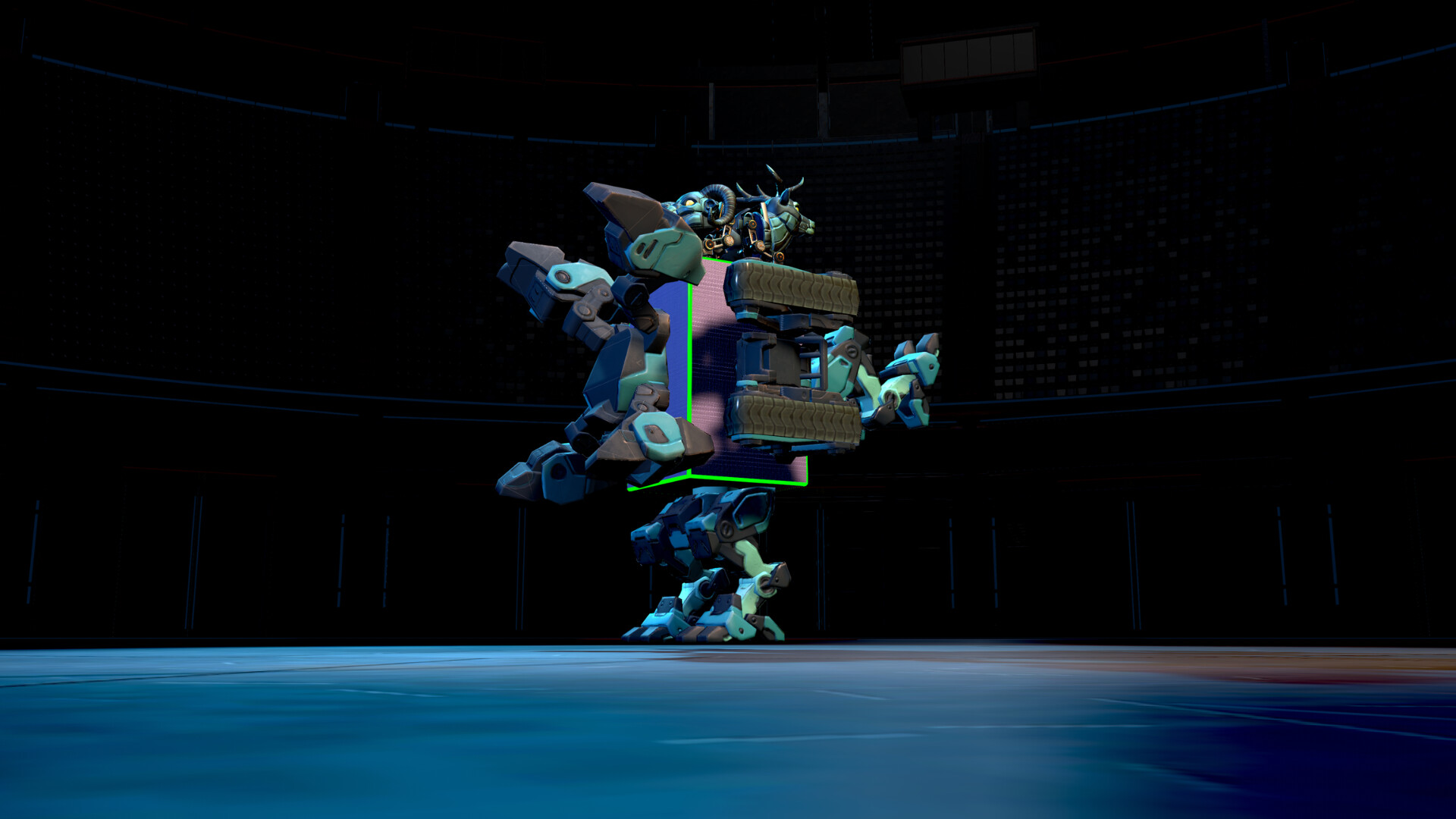
  • Turn memorable matches into merchandise. After special events, fans may find toys and figurines based on your bot’s exact modular loadout from that night.
  • Build bots that fans remember. Train your machines to do more than fight: taunt rivals, showboat for the crowd, pose after big moments, and develop a recognizable arena personality.
  • Spend time cultivating your bot’s public image. Send bots to fan events, have them interact with supporters online, or let them build hype while you focus on workshop management.
  • Let personality shape arena behavior. A bot’s public image affects how it taunts opponents, celebrates victories, reacts to danger, and performs for the crowd.
  • Turn fame into profit. Mega fans will spend serious Botcoins for merchandise, appearances, and the chance to meet their robot idol.

A reactive economy shaped by every fight.

Parts, prices, and rival teams are constantly changing. Every brutal match leaves a mark on the market.
  • Scavenge the aftermath of major arena battles. After large and destructive matches, the scrapyard fills with more broken parts, damaged weapons, and salvageable components than usual.
  • Repurpose industrial components into fighting machines. Bot parts from lunar extraction worksites can be adapted for low-budget teams trying to survive their first seasons.
  • Watch supply and prices shift over time. Astral events, arena damage, team upgrades, and market demand can all affect which components are available and how much they cost.
  • Upgrade your workshop into a true engineering operation. Once your team becomes a headliner, hire skilled engineers and expand your facilities to build pristine custom weapons of your own.
  • See your old parts return to the arena. A weapon you threw away might be refurbished by a desperate scrum team and appear again in a future fight.
  • Scout rival inventories through bot-fighting forums. Every team has a live component inventory, and careful research can reveal what your competitors may bring into upcoming matches.
  • Target specific teams to slow their progress. Program your bots to hunt rival machines, damage key systems, and wear down the expensive components your enemies rely on.
  • Use brutality carefully. In cities that celebrate destruction, your bot can keep smashing enemy components after a rival has been downed, but revenge may follow you into future matches.

Machine learning, elevated.

Arena Bot Manager uses layered AI systems to create fighters that learn, adapt, and develop distinct combat behavior through training.
  • Train bots that do more than follow scripts. Each contender develops its fighting style through scheduled training, simulated matches, imitation learning, and reward-based behavior tuning.
  • Every system has a job. A strategy system chooses the overall plan, a movement system navigates the arena, a quartermaster system manages energy and ammunition, and each weapon has its own combat logic.
  • Witness real skill development. Your bots do not simply level-up stats and gain larger health bars; their training choices influence how they move, aim, conserve resources, retreat, pressure opponents, and respond to danger.
  • Build a fighter with a recognizable style. Train evasive survivors, aggressive rushers, cautious tacticians, crowd-pleasing showboats, or bots that spread their firepower across a full match.
  • Calibrate how each bot thinks under pressure. Set combat priorities, adjust reward systems, choose risk tolerance, and decide which behaviors matter most when the fight turns chaotic.
  • Create unpredictable, adaptive battles. Because each bot combines many trained behaviors in real time, no two matches play out exactly the same way.
  • Train from a growing library of learned behaviors. Thousands of hours of agent training are being processed into hundreds of combat behaviors that your management choices can unlock, improve, and combine.

Initial Release