Ava's Redemption








About the Game
Ava’s Redemption
In New Dawn City, you don’t get caught because you stood in the wrong place.
You get caught because the system decides you don’t make sense.
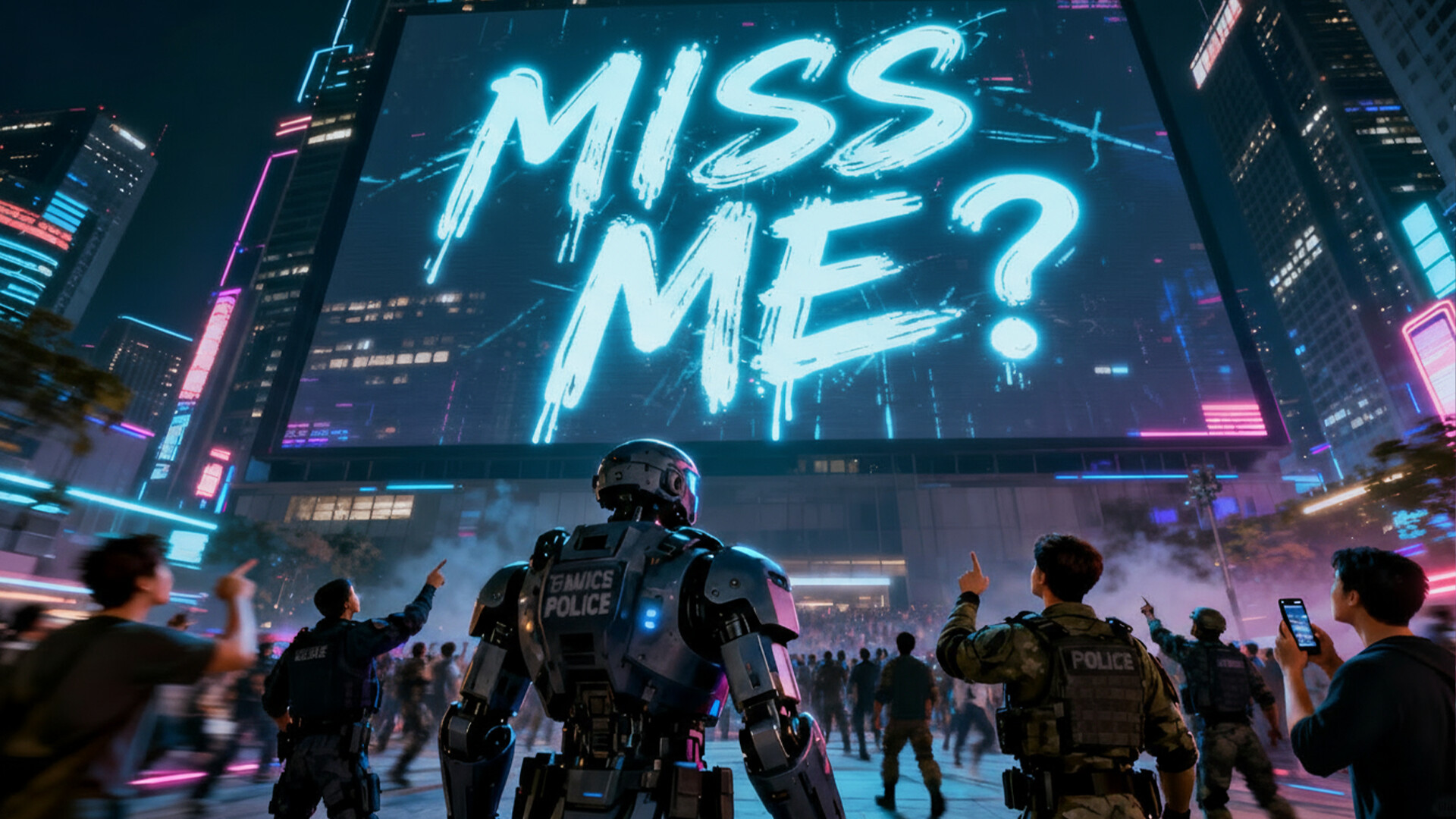
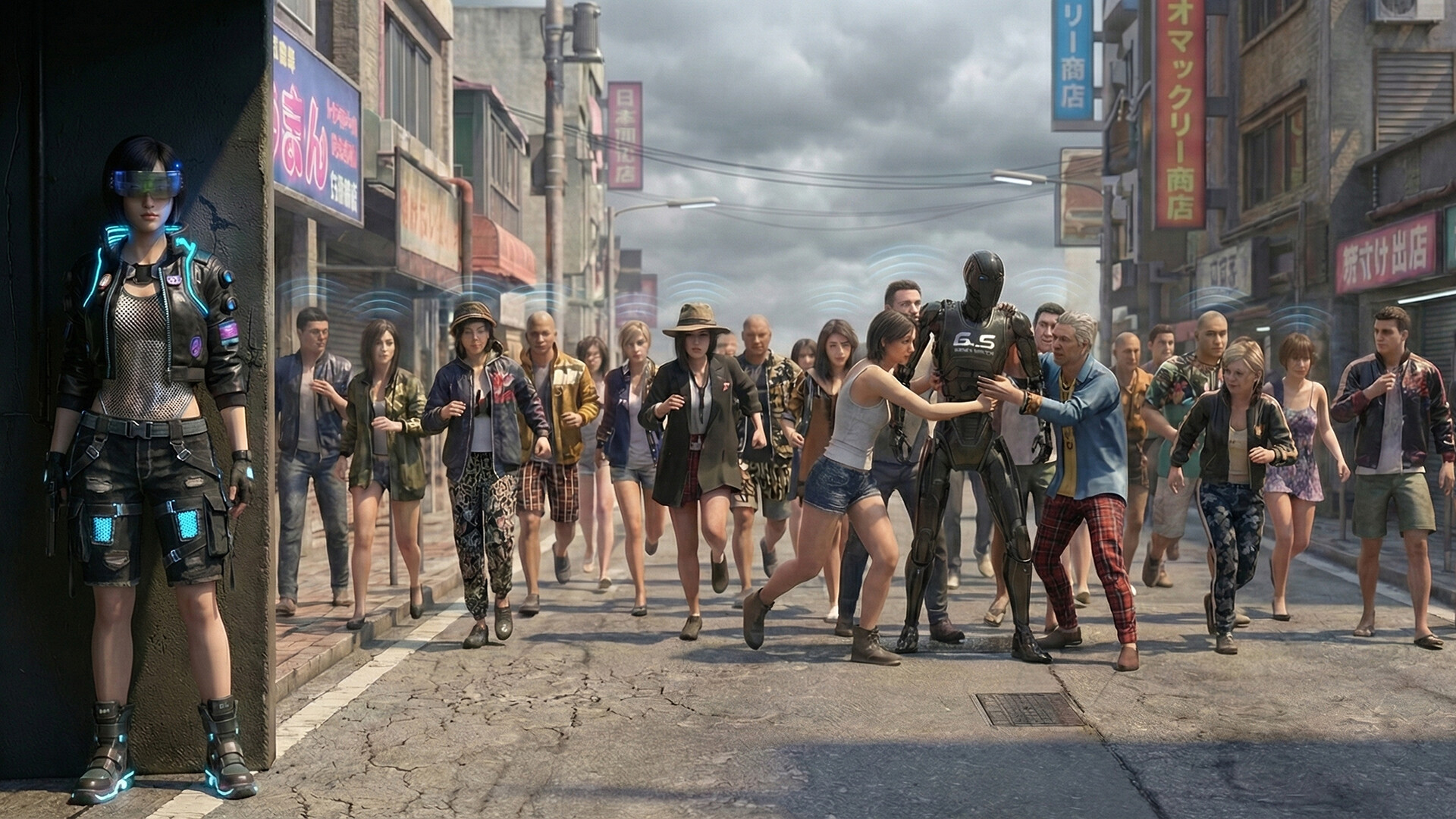
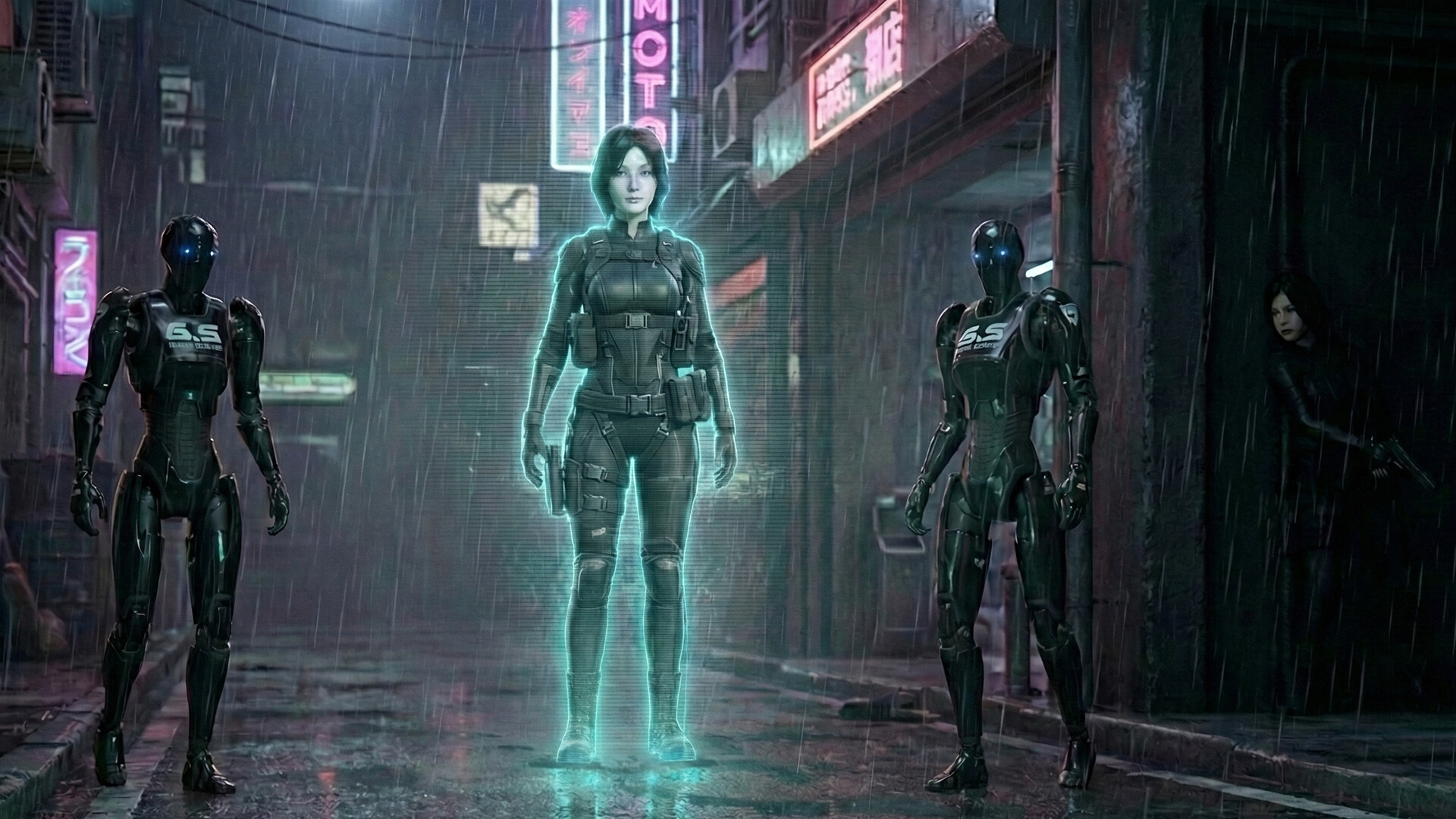
Hermes Corporation runs the city with predictive surveillance that tracks your choices, hesitation, and repeated habits—then actively reshapes patrols, checkpoints, access rules, and response levels to counter you. The world learns you, and it keeps the memory of what you did.
Ava’s Redemption is a hard, systemic Immersive Sim built around one simple idea:
There is no single intended solution.
If your plan is logical inside the simulation, it can work. And if it works, it will also change what the city does next.
What You’re Actually Playing
This isn’t “follow the script” gameplay. It’s a pressure test:
You read a situation with incomplete information
You pick a method (smart, brutal, desperate, or weird)
You accept the cost
You deal with the consequences later when the system tightens
Success doesn’t mean safety. It means you bought time.
Two Fugitives, Two Toolsets, One Shared Risk
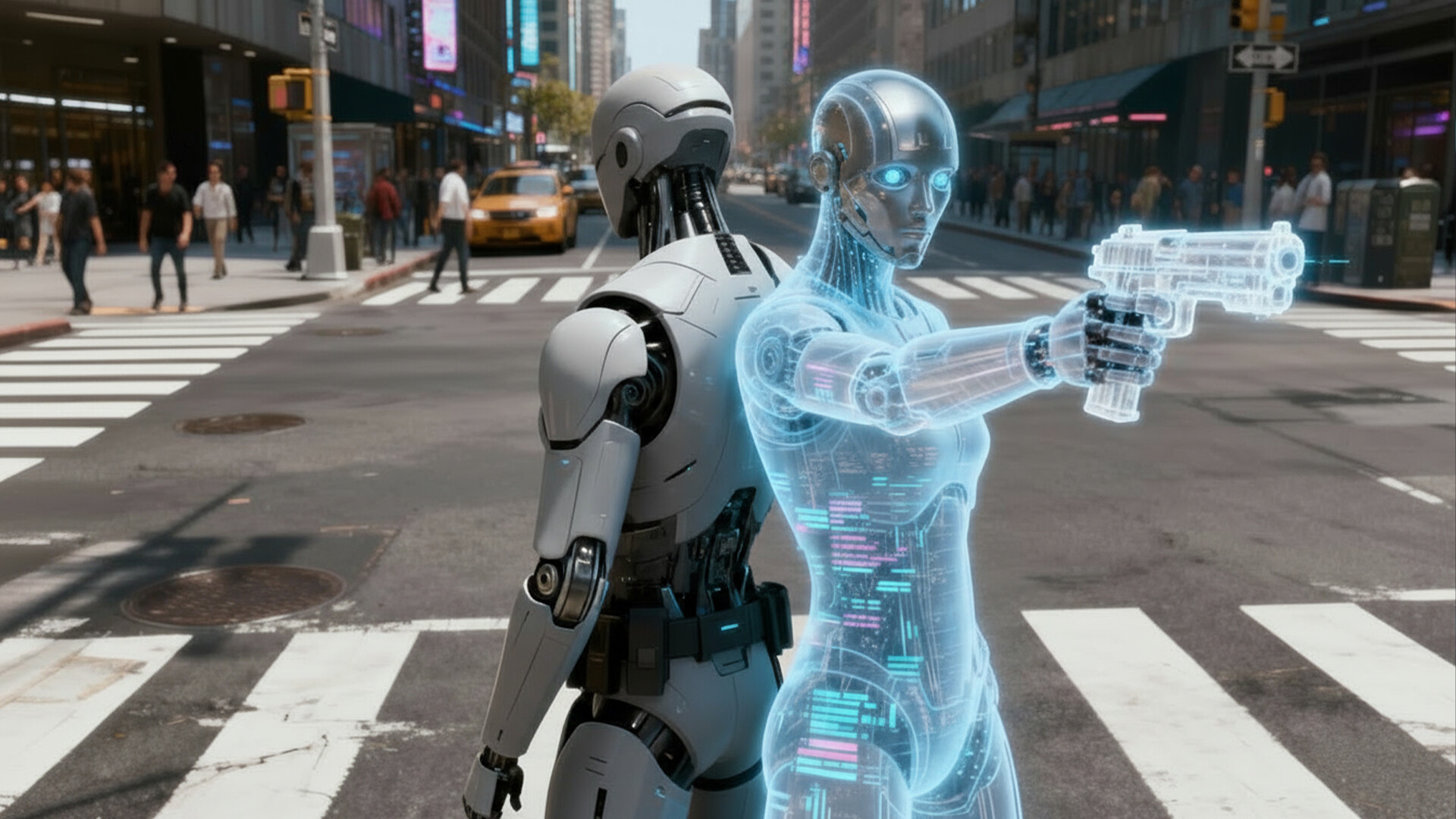
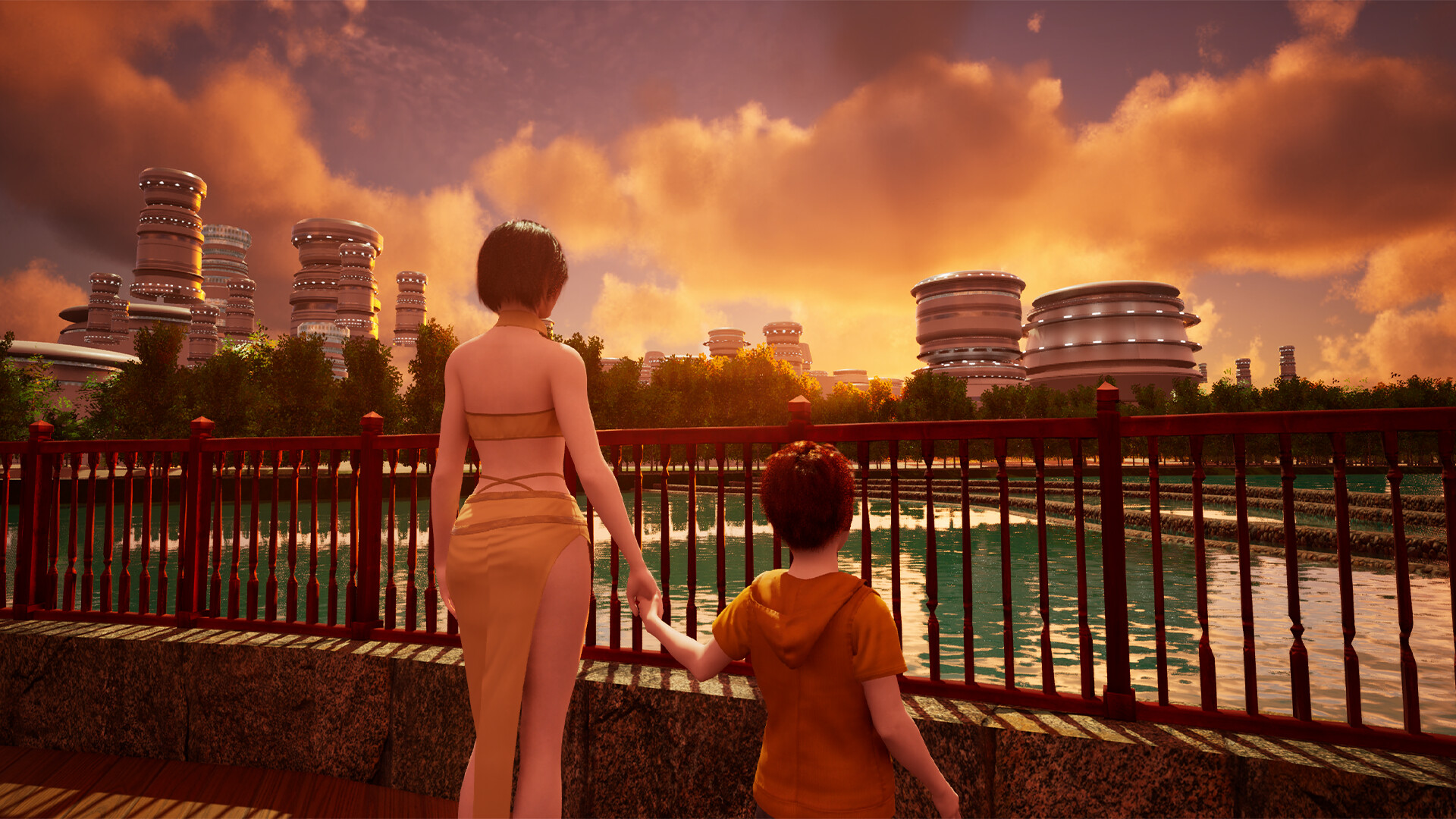
You operate as a small team, switching and coordinating between two very different runaways:
The Rust Lady
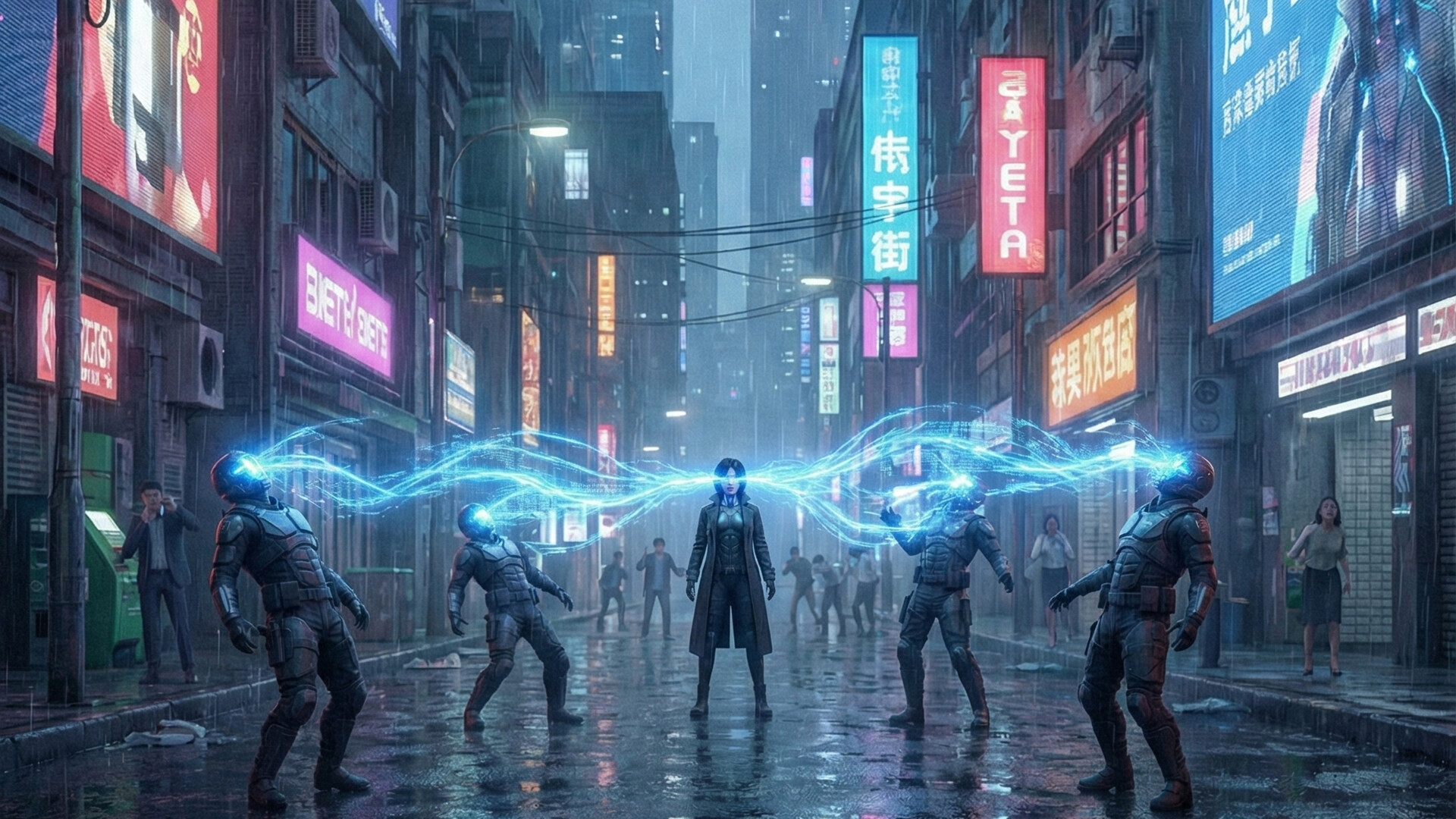
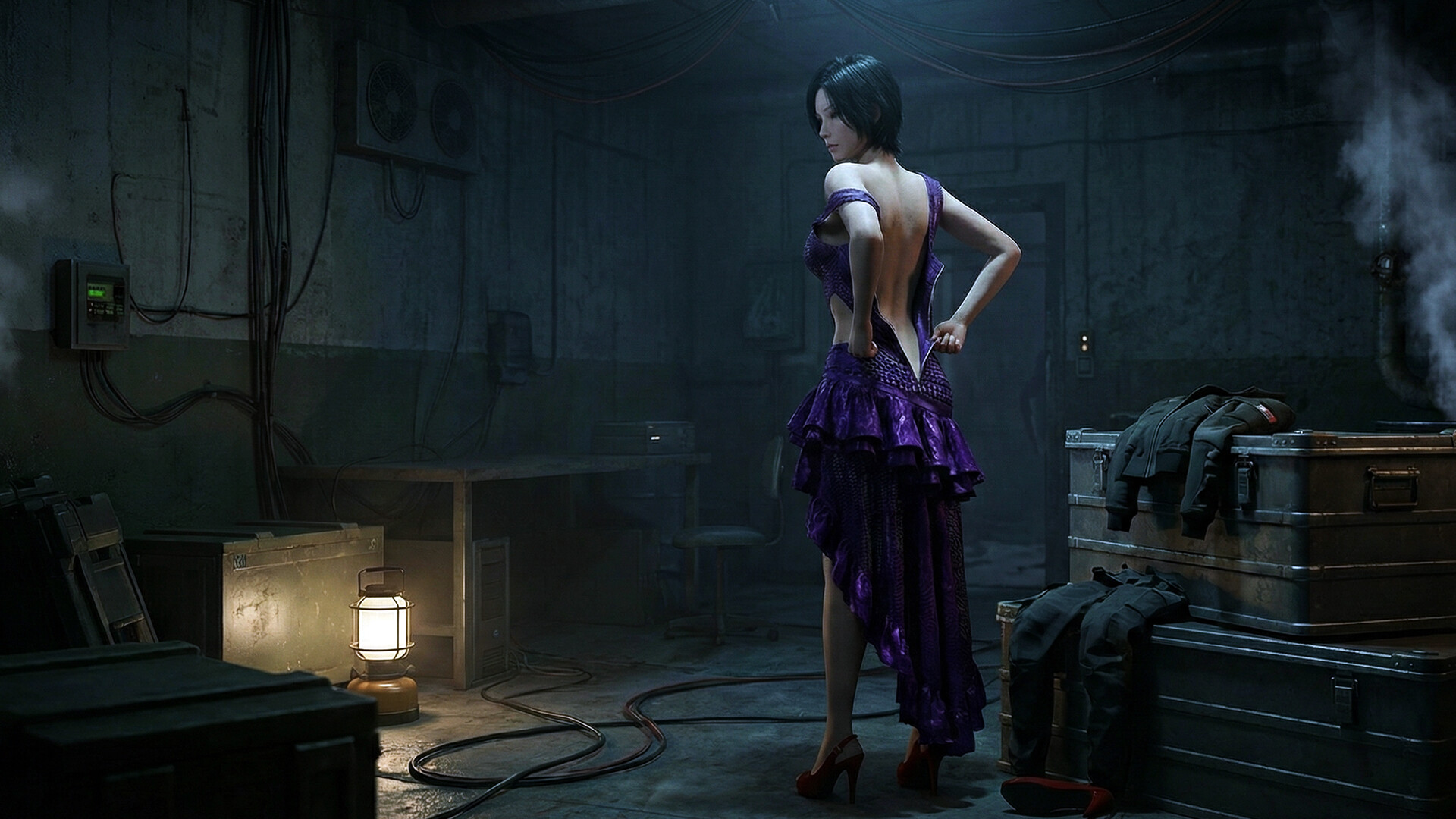
A former chief scientist built for human problems. She can disrupt, manipulate, and weaponize human behavior—creating openings, breaking routines, and turning people into temporary tools. She’s powerful, but not spammable: the city notices patterns, and overuse makes future encounters worse.
Echo
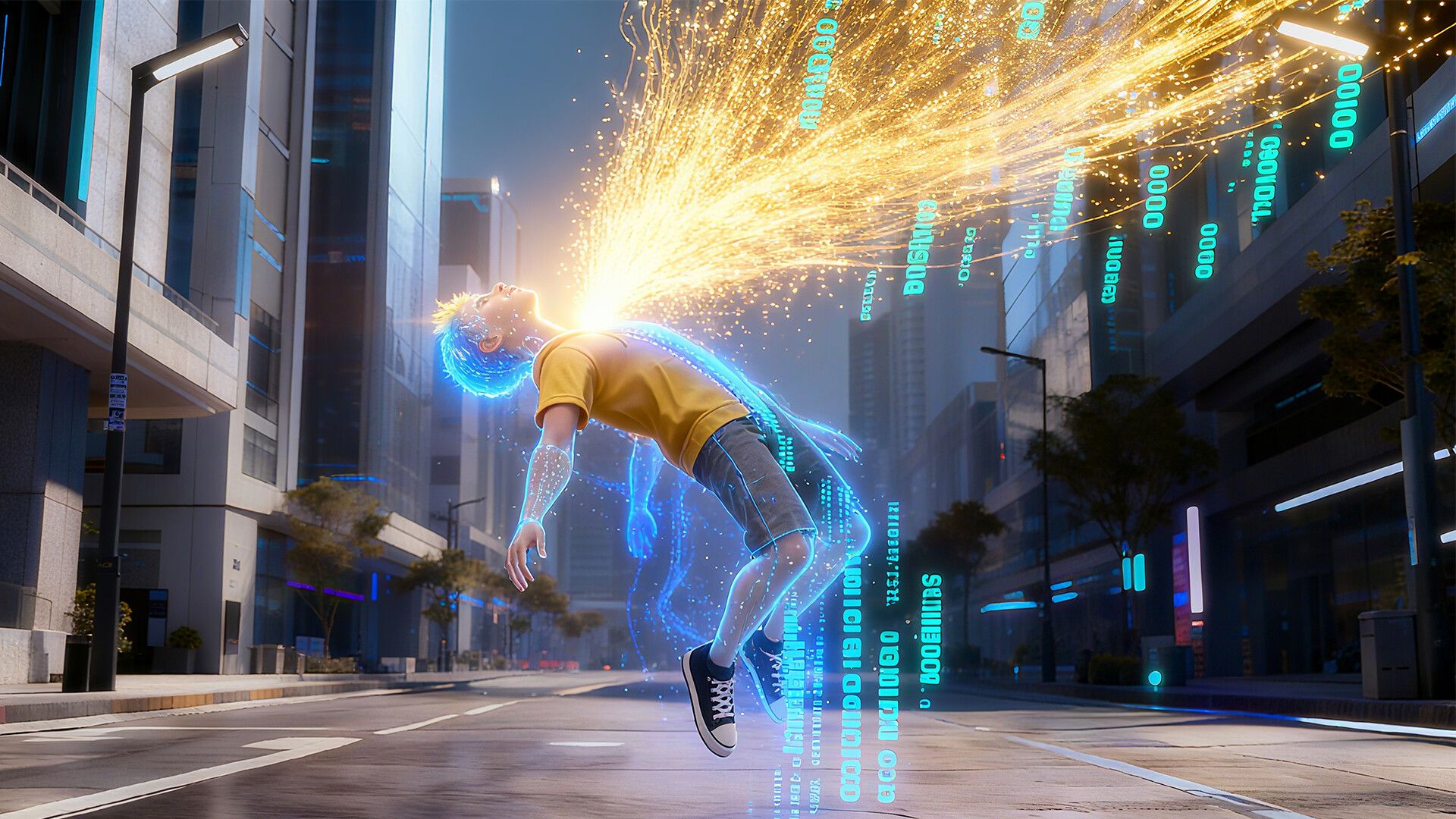
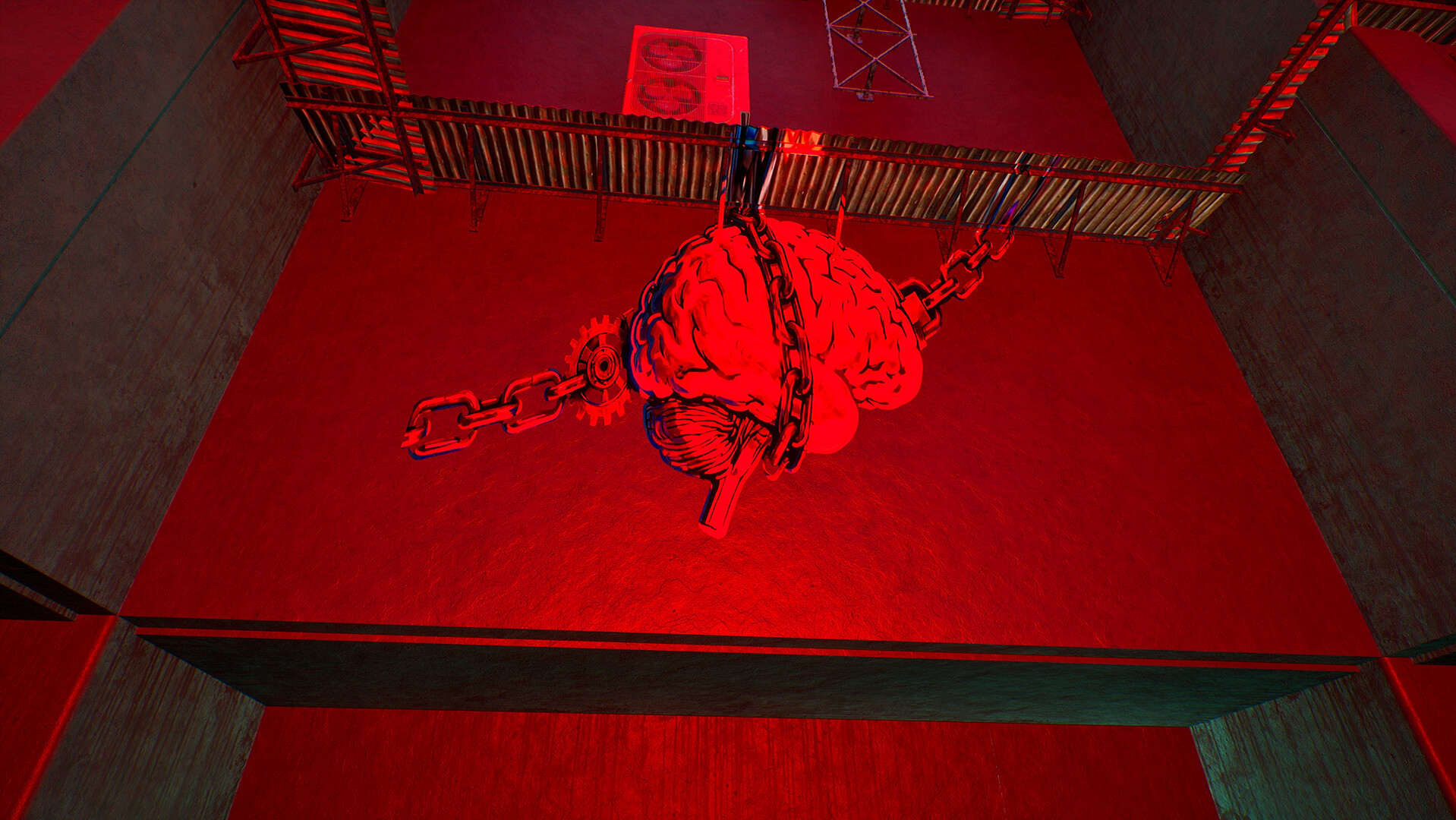
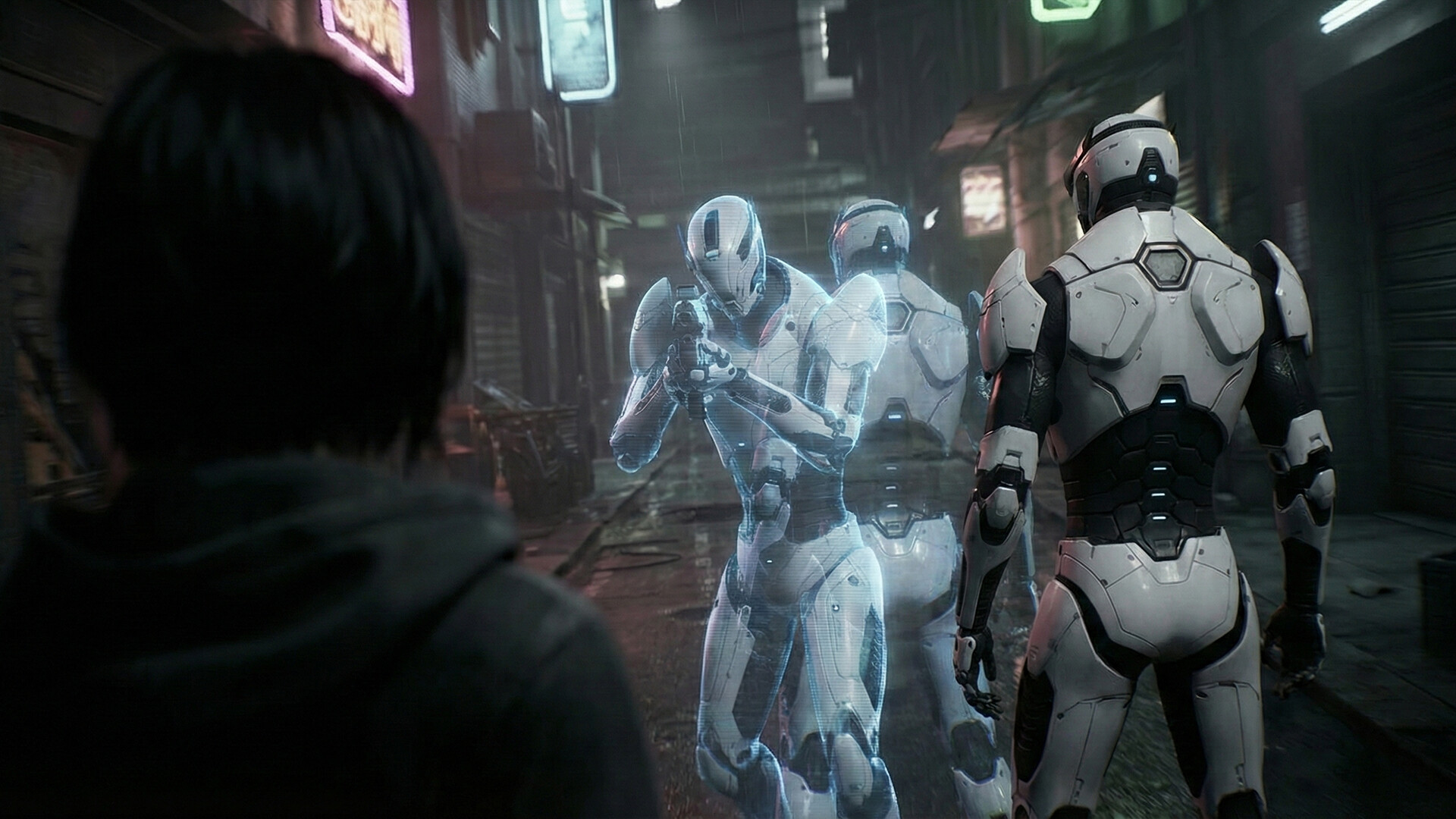
A boy who can overwrite androids and city electronics—cutting holes in the machine net, disabling key units, and bending the city’s infrastructure to your advantage. But Echo is unstable: pushing his abilities too hard accelerates mental collapse and raises the risk of irreversible failure states.
Echo is not an escort burden. He’s a high-reward system breaker with a real downside: the more you rely on him, the closer you get to losing him.
Behavior Camouflage: The City Judges Intent, Not Just Presence
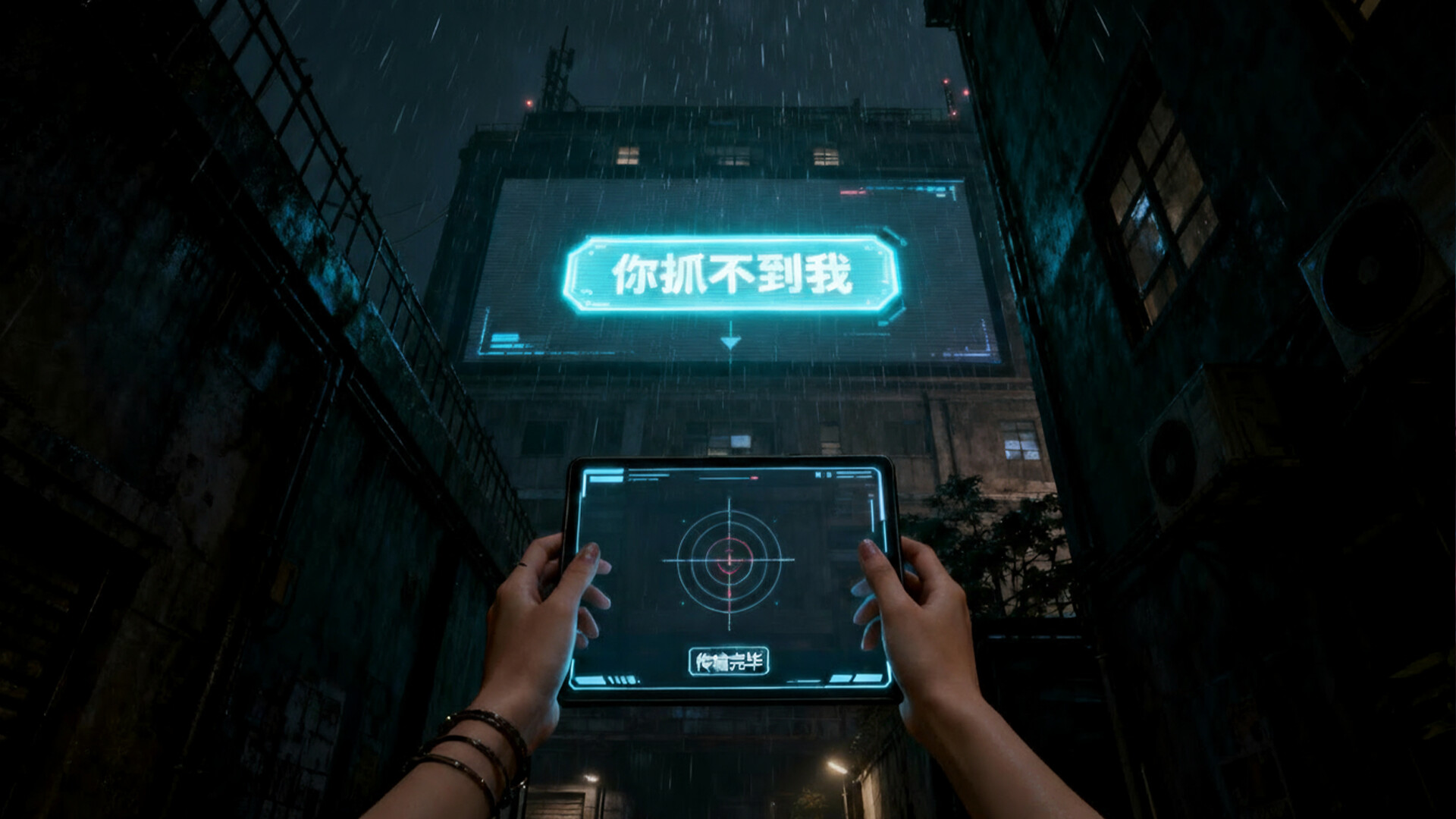
The surveillance isn’t only about detection cones and line-of-sight logic. It’s about behavior.
The system flags things that don’t look like a real person navigating a real city:
unnatural movement patterns and constant micro-corrections
repeated “safe” routines that look like a strategy
obsessive attention to security devices and checkpoints
acting like weather, crowds, and social context don’t exist
The goal isn’t to vanish. It’s to exist convincingly inside a city that’s trying to classify you.
Tools, Not Crutches (and None of Them Stay “Free”)
You have options—and the game wants you to use them. But it also wants you to pay for them.
Disguises / outfit switching: useful for passing certain layers of control, but never universal. Higher-tier systems don’t “respect the costume” if your behavior doesn’t match.
Invisibility potion & disposable gadgets: emergency fixes that can save a run, but they generate anomalies and can’t be your permanent plan.
Pistols, knives, brute force: yes, you can push through. You can even clear a path when your execution is clean and luck is on your side. But violence accelerates escalation—noise, traces, and response upgrades that come back to punish you later.
In this city, solving the problem loudly often means the next problem becomes much worse.
Time Fracture Cards: Not Reloads — Causality Gambling
When the situation collapses, you can spend a rare Time Fracture Card to rewind 3–10 minutes.
This isn’t a clean redo. Time fractures can pull in a “future you,” creating parallel selves and enabling true time tactics:
draw attention with a future version
swap positions across timelines
split tasks that would be impossible alone
coordinate two Rust Ladies and two Echos (up to four controllable characters) for synchronized plays
But the rule is brutal:
If any timeline version dies, causality breaks. Instant game over.
Time is your last card—powerful, limited, and dangerous.
A Living City With Run Variability
New Dawn City does not behave like a fixed puzzle box.
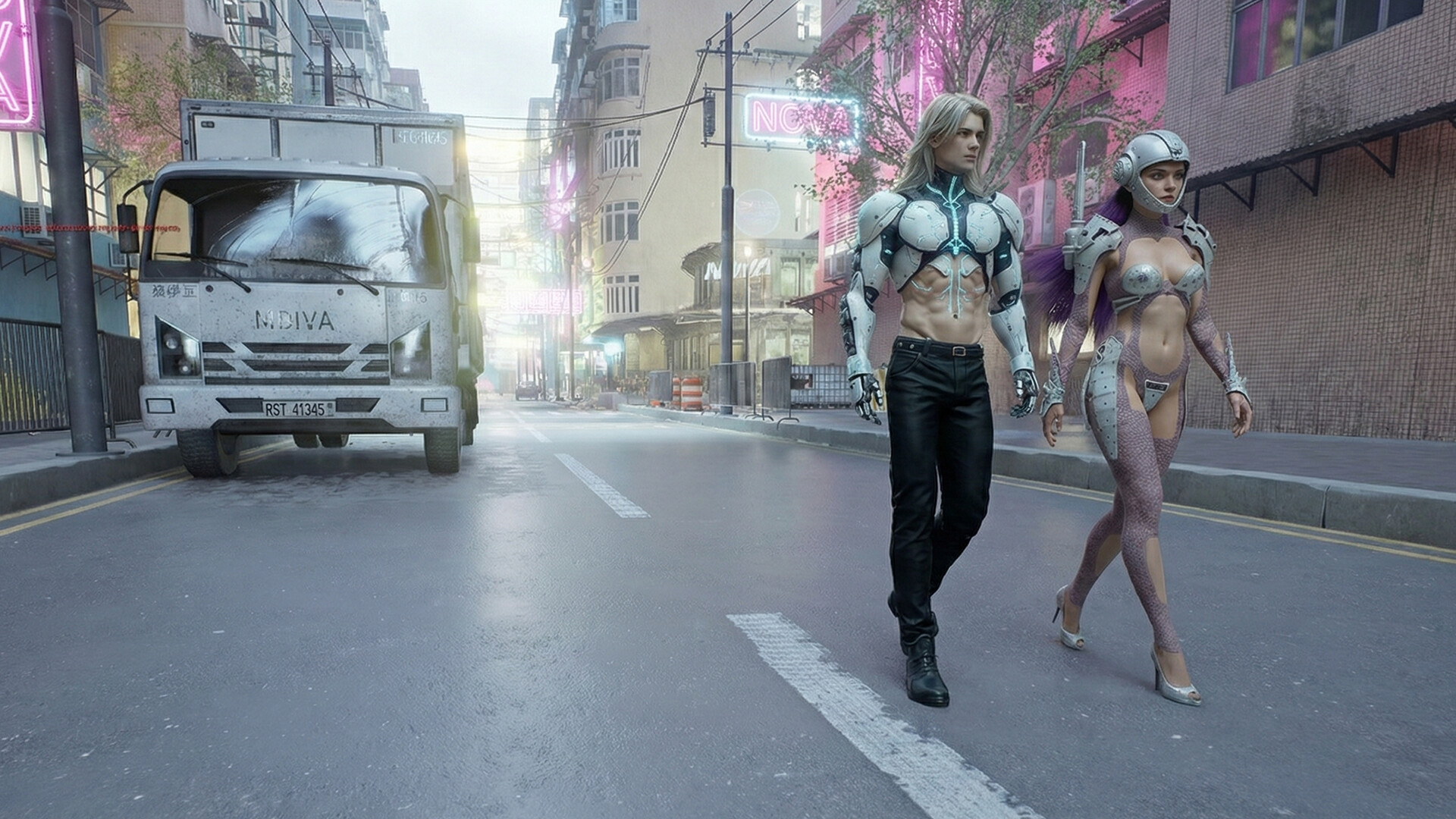
Dynamic weather changes sound, visibility, movement, and exposure risk
Run variability reshuffles patrol rhythms, key items, safe openings, and the “best” routes
System memory means your earlier style influences later pressure—what you repeat becomes what the city counters
You’re not meant to memorize a route. You’re meant to develop a method that survives changing variables.
Progression With Tradeoffs
You’ll find upgrades and data that expand what you can do:
stronger manipulation windows
deeper system overwrites
better emergency options
more flexible approaches
But this isn’t “more power for free.” Upgrades often amplify your footprint, change your risk curve, or push Echo closer to instability. You’re building capability while managing the price tag.
Multiple Endings Driven by What You Were Willing To Do
This is not a hero story. It’s a consequence story.
Your choices—how far you push people, how hard you lean on Echo, how often you gamble with time, how much collateral you accept—shape where you end up.
Escape with your humanity intact.
Escape as something colder.
Escape at any cost.
Or fail in a way the system never forgets.
Who This Is For
Wishlist Ava’s Redemption if you want:
a true Immersive Sim where multiple solutions are valid
a city that learns your habits and pushes back
two-character problem-solving with human + machine toolsets
time fractures that create parallel selves and tactical chaos
action options that exist, but always carry consequences
In New Dawn City, you can survive with brains, nerves, and brute force.
Just don’t expect to survive without paying.
Available Tables (0)
View available tables...Events Timeline
View full events timeline...Initial Release