Afternoon Patient

About the Game
A Note from the Developer
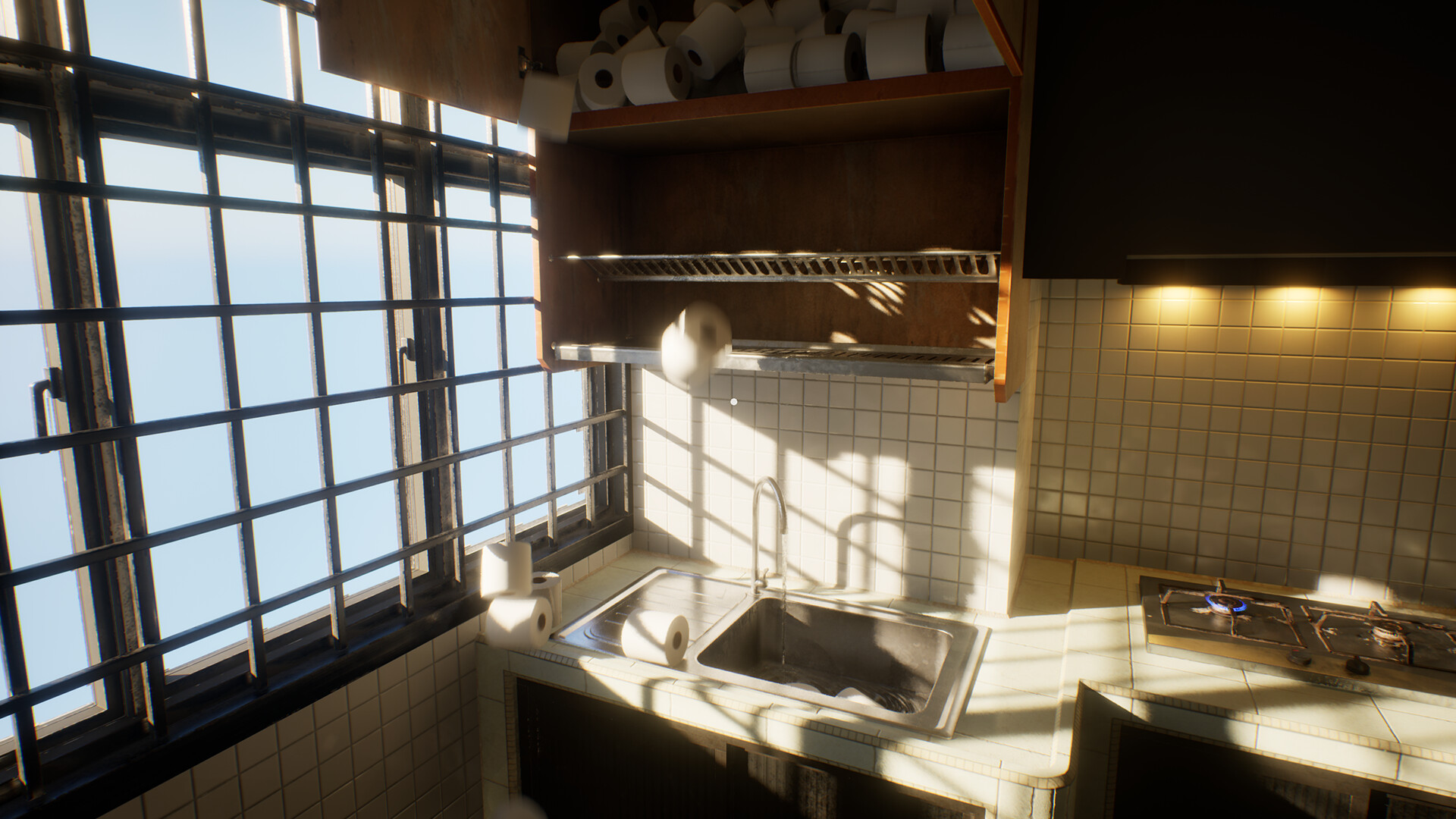
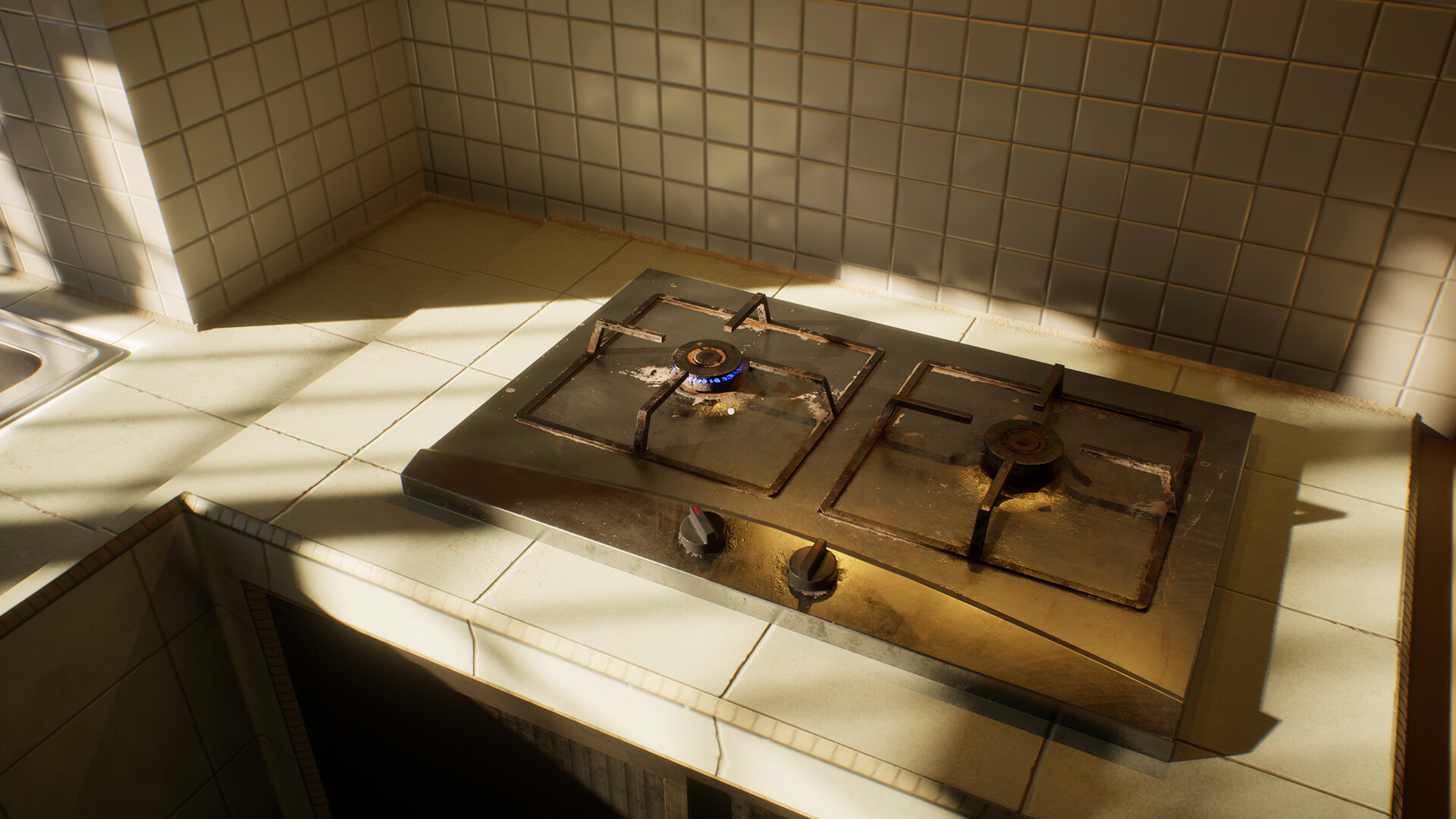
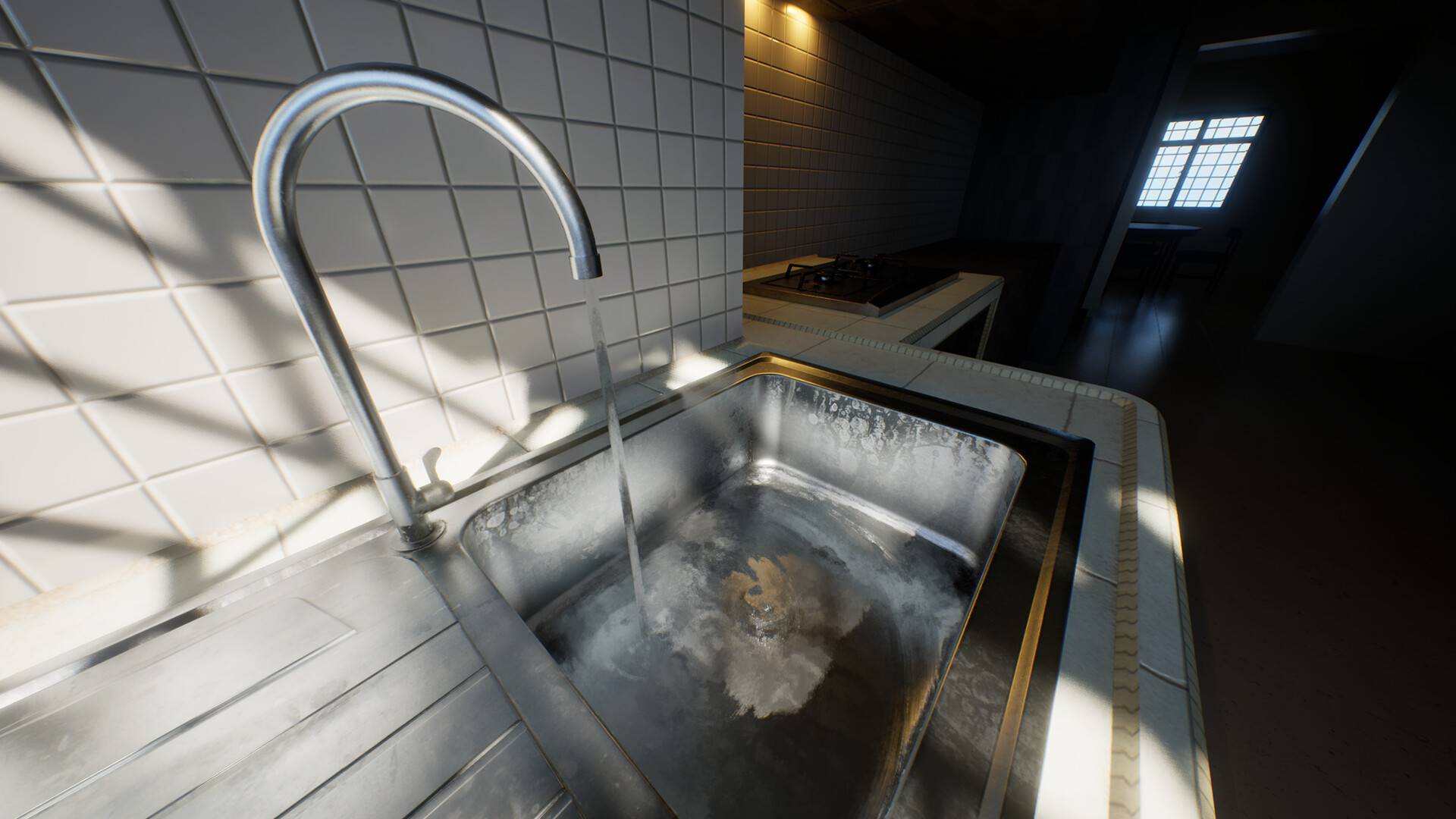
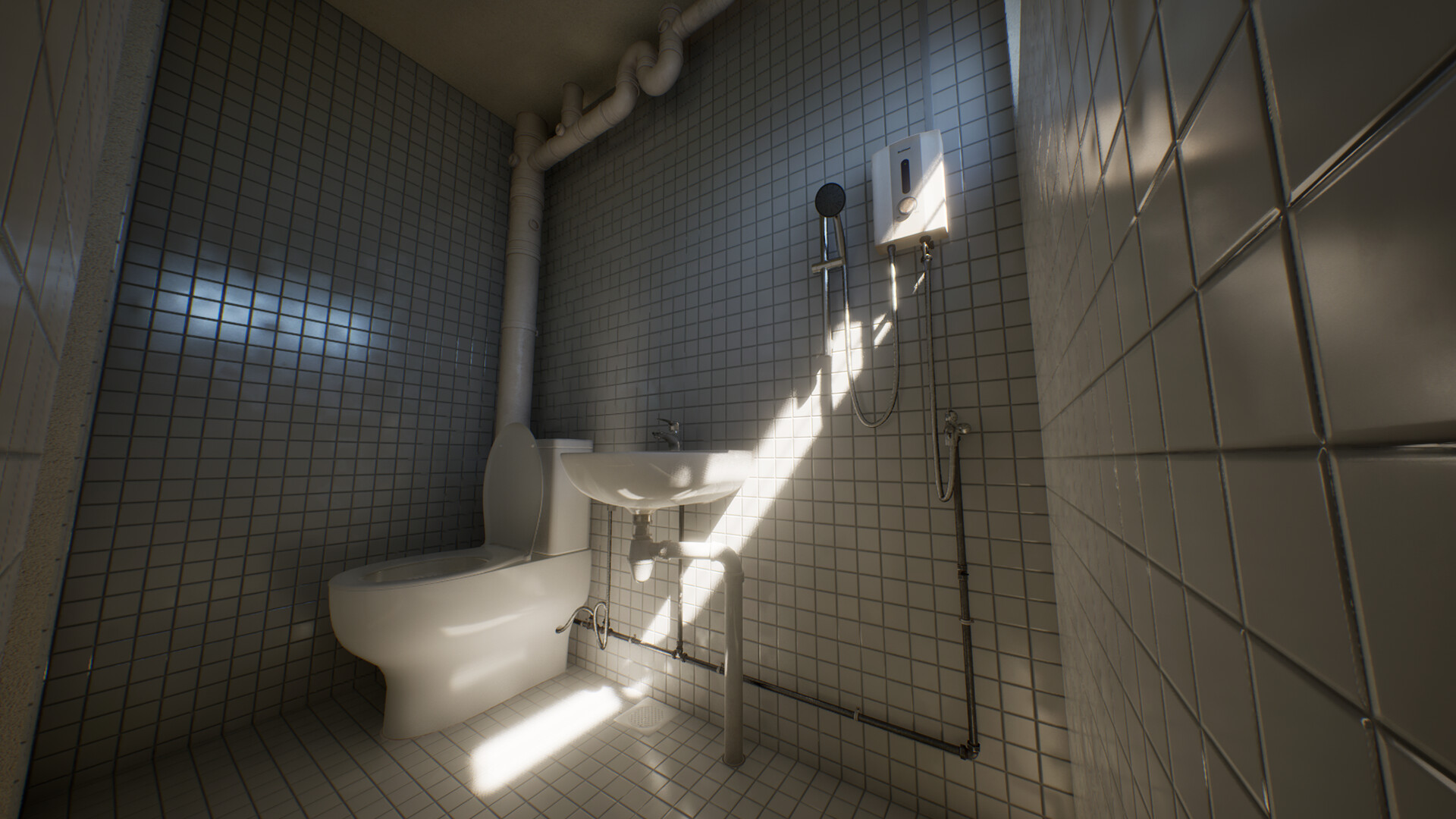
Please Note: The current screenshots and videos represent Work-In-Progress (WIP) stages of development. As a solo indie developer, I have published this store page to meet Steam’s requirements while I continue to polish the final experience. The lighting, textures, and environments are subject to significant improvement. Thank you for your patience and for supporting an independent project!
The Protocol is Simple: Find the Exit.
You wake up in a quiet, ordinary flat. At first, everything seems normal—until you look at the clock. It’s 2:30 PM. You wait, but the minute hand never moves. The sunlight through the window is frozen. You are trapped in the stillness of an afternoon that will not end.
To find your way back to reality, you must navigate a series of shifting, surreal environments that track the passing of time. Your only "companion" is a heavy, metal IV pole that you are physically tethered to.
Key Features:
The Stillness of Time: Experience a world where time has stalled. Each hour brings a new location—from the sun-bleached silence of a residential block to the final, haunting stillness of a cold blue hour.
The Burden You Carry: You are not alone; you are anchored. To move forward, you must learn to live with your lifeline. Navigate the narrow geometry of a world caught in time, where your only constant is the heavy metal stand trailing behind you.
The Choice to Reconcile: Every step is a delicate negotiation between your freedom and your constraint. Is this pole your support, or is it your prison? You must decide: will you fight against the tether, or will you find a way to reconcile with the burden that follows you?
Ambient Horror: There are no jump-scares. The dread comes from the absolute silence, the rhythmic rattle of the wheels on the floor, and the realization that time itself has abandoned you.
In this ward of time, the only way out is through. Keep the wheels moving.
Available Tables (0)
View available tables...Events Timeline
View full events timeline...Initial Release